Kava Bars Innovate with Virtual Tasting Events in 2026
As the kava culture continues to grow, kava bars across the globe are finding new ways to connect with enthusiasts, even those who can’t make it to a physical location. In 2026, a groundbreaking trend is emerging: virtual tasting events. These online experiences are revolutionizing how people engage with kava, bringing the traditional Pacific Island drink into the digital age.
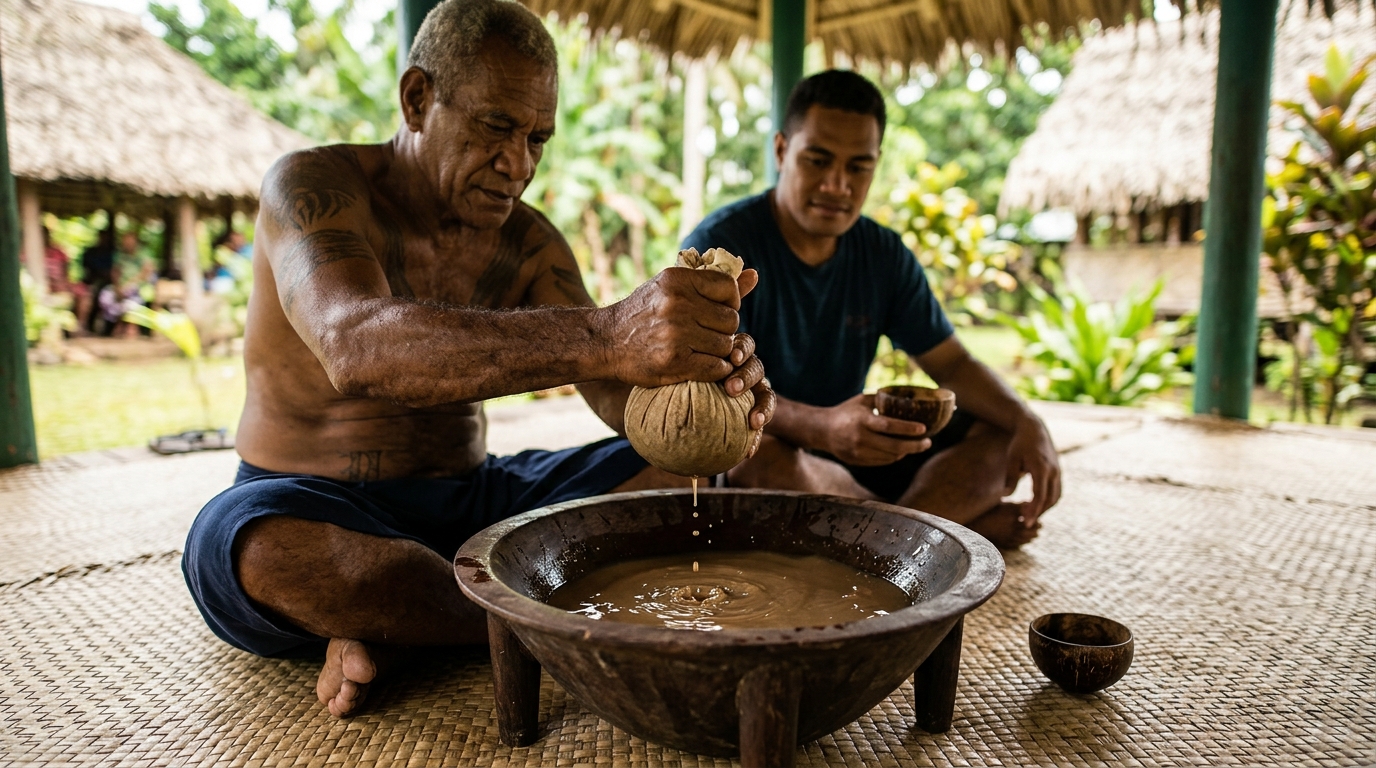
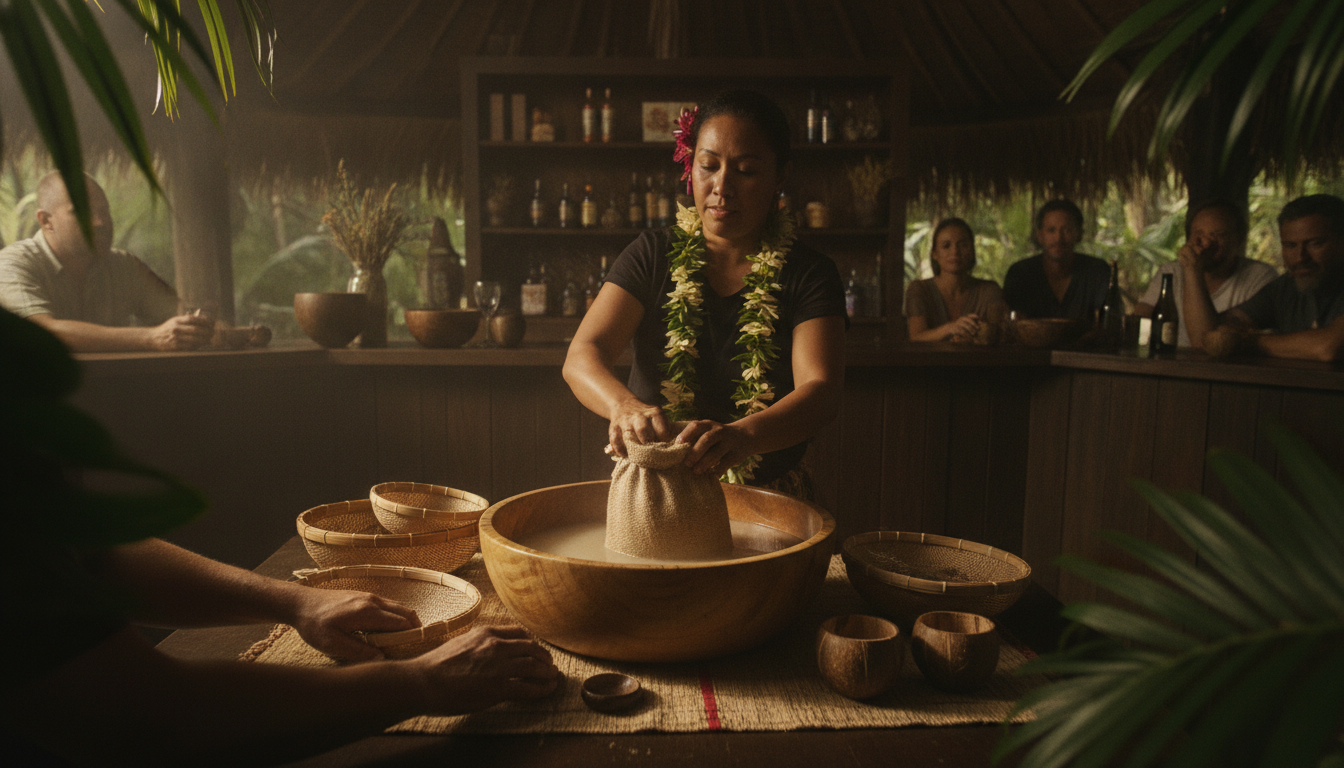
Leading kava bars in cities like Miami, Los Angeles, and Honolulu are hosting live-streamed sessions where participants can order kava kits online, complete with pre-measured portions of high-quality kava root powder and preparation instructions. During the virtual events, expert kava tenders guide attendees through the preparation process, share stories about kava’s cultural significance, and discuss its calming effects. These events often include Q&A sessions, allowing participants to deepen their understanding of kava’s history and benefits.
“We wanted to make kava accessible to everyone, no matter where they are,” says Leilani Moana, owner of Pacific Waves Kava Bar in Honolulu. “Our virtual tastings have attracted people from Europe, Australia, and even rural areas of the U.S. who don’t have a kava bar nearby. It’s about building a global kava community.”
This innovative approach not only broadens the reach of kava culture but also educates newcomers on proper preparation techniques, ensuring the authenticity of the experience. For many, these events are a gateway to appreciating kava’s role as a natural relaxant, often used to ease stress and promote social bonding.
$1 Industry Shifts Focus to Sustainable Sourcing
Meanwhile, the kratom industry is undergoing a significant transformation in 2026, with a renewed emphasis on sustainable sourcing practices. Kratom, a botanical derived from the leaves of the Mitragyna speciosa tree native to Southeast Asia, has faced scrutiny over the years due to inconsistent quality and environmental concerns surrounding its harvest. This year, industry leaders are stepping up to address these issues head-on.
Several major kratom suppliers have partnered with local farmers in countries like Indonesia and Thailand to implement ethical harvesting methods. These initiatives aim to protect the natural habitats where kratom trees grow while ensuring fair wages for farmers. Additionally, some companies are investing in reforestation projects to counteract the deforestation often associated with large-scale kratom production.
“Sustainability isn’t just a buzzword for us—it’s a necessity,” notes Arief Santoso, a spokesperson for GreenLeaf Kratom Co., a leading supplier based in Bali. “We’re working directly with farmers to create a supply chain that benefits both the environment and the communities who rely on kratom for their livelihoods.”
These efforts are also being supported by consumer demand. As more kratom users become aware of the environmental impact of their purchases, they’re seeking out brands that prioritize transparency and eco-friendly practices. This shift is encouraging smaller vendors to adopt similar standards, potentially re$1 the kratom market for the better.
New Research Highlights Kava’s Potential for Anxiety Relief
Adding to the excitement in the kava world, a recent study published in early 2026 by the Pacific Herbal Research Institute has provided fresh $1 into kava’s health benefits. The research, conducted over two years with participants from multiple countries, suggests that kava may be particularly effective in reducing symptoms of mild to moderate anxiety.
The study focused on kavalactones, the active compounds in kava root, and their interaction with the brain’s GABA receptors, which play a key role in regulating mood. Participants who consumed kava regularly reported a noticeable decrease in anxiety levels without the side effects often associated with pharmaceutical alternatives.
“This research confirms what many in the kava community have known for centuries,” says Dr. Ailani Kekoa, lead researcher on the project. “Kava offers a natural, non-addictive option for those seeking relief from daily stress. It’s a testament to the wisdom of traditional Pacific Island practices.”
These findings are likely to fuel further interest in kava bars and at-home kava consumption, as more people turn to natural remedies for mental wellness. However, Dr. Kekoa emphasizes the importance of responsible use, noting that kava should be sourced from reputable vendors to avoid potential contaminants.
The Future of Kava and Kratom in 2026
The dual rise of virtual kava tasting events and sustainable kratom sourcing reflects a broader trend within these industries: adaptation to modern challenges while honoring traditional roots. Kava bars are embracing technology to foster inclusivity, ensuring that anyone with an internet connection can join the kava circle. At the same time, the kratom industry’s focus on sustainability signals a commitment to long-term viability, both for the environment and for consumer trust.
For enthusiasts, this is an exciting time. Whether you’re sipping kava during a virtual event or exploring ethically sourced kratom products, there’s a growing sense of connection to the cultural and natural origins of these botanicals. As 2026 unfolds, expect to see even more innovations—perhaps hybrid kava-kratom events or new research that further validates the benefits of these ancient plants.
One thing is clear: the kava and kratom communities are stronger than ever, united by a shared passion for natural wellness and cultural preservation. Have you attended a virtual kava tasting, or do you prioritize sustainable kratom brands? Share your thoughts in the comments below—we’d love to hear how these trends are shaping your experience!