The Enduring Heart of Kava: From Pacific Roots to Modern Spaces
Kava, a beverage derived from the root of the Piper methysticum plant, carries a rich history woven into the fabric of Pacific Island cultures. For centuries, it has been central to ceremonies, social gatherings, and daily life, revered for its ability to foster community and promote a sense of calm. In the modern era, as global interest in holistic wellness grows, kava has found new life in establishments known as kava bars. These venues are more than just places to drink kava; they are cultural ambassadors, striving to maintain the integrity of kava's traditions while adapting to contemporary social needs.
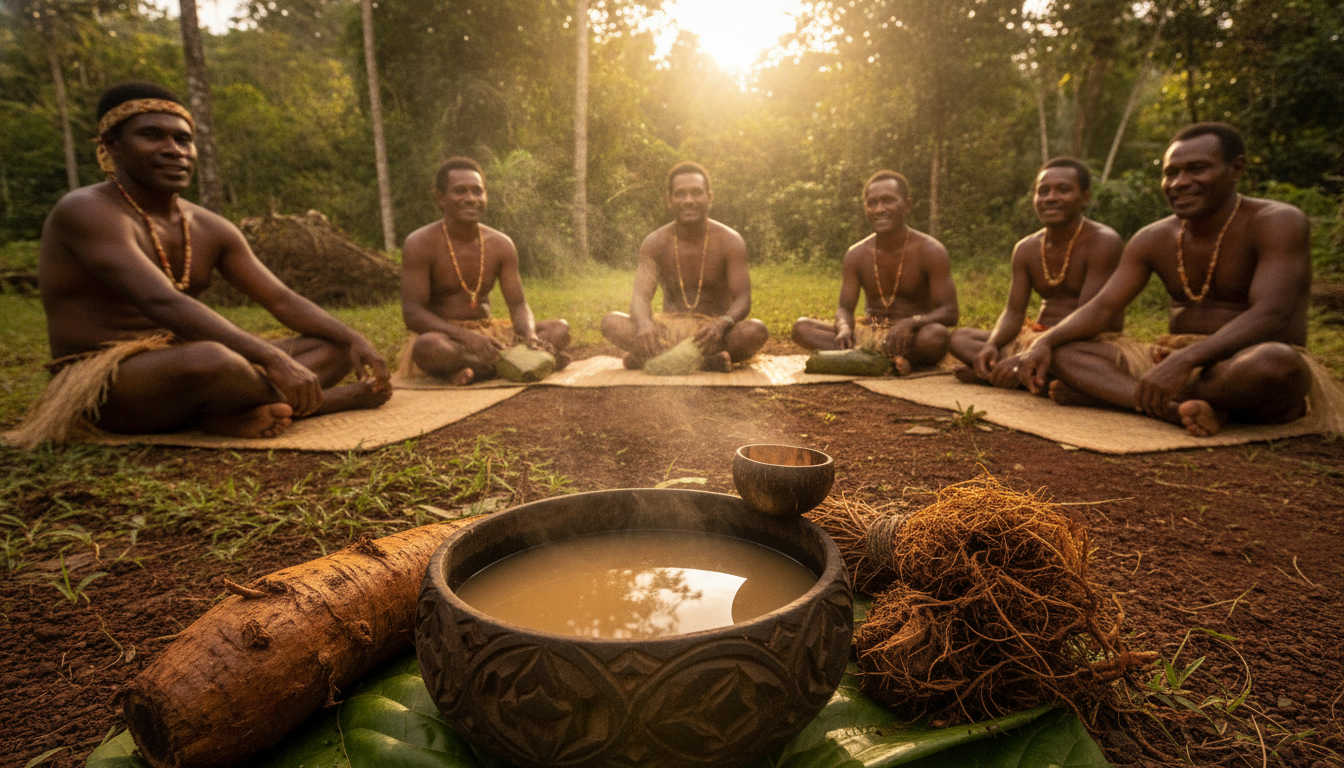
The journey of kava from ancient Pacific rituals to bustling modern kava bars highlights a fascinating evolution. While the settings may differ, the core principles remain remarkably consistent: quality plant material, proper extraction, and communal intention. These three elements are fundamental to the kava experience, whether in a traditional nakamal or a contemporary lounge. Understanding this lineage is crucial for anyone seeking to appreciate kava's profound cultural significance and its role in modern wellness.
Modern kava bars play a vital role in educating newcomers about kava etiquette, traditional preparation methods, and the ceremonial significance that elevates kava beyond a mere beverage. By creating environments reminiscent of traditional gathering places, these establishments help bridge the gap between ancient practices and contemporary social settings. This preservation of cultural knowledge is especially important as traditional Pacific Island communities navigate the pressures of modernization, ensuring that the rich heritage of kava continues to thrive.
Noble Kava: The Foundation of a Quality Experience
At the heart of any authentic kava experience lies the noble variety. Reputable kava bars exclusively serve noble kava, a distinction that is not merely a preference but a matter of safety and tradition. The World Health Organization (WHO) has reviewed evidence suggesting that noble variety preparations pose minimal risk when used appropriately. This dual legacy of efficacy and safety is a cornerstone of kava's appeal and its growing acceptance in wellness circles.
Sourcing authentic noble kava varieties is a critical aspect of preserving traditional culture. These specific cultivars have been cultivated and cherished in the Pacific Islands for generations, selected for their desirable effects and historical use. The commitment to noble kava ensures that consumers receive a product that aligns with centuries of traditional wisdom and practice. This focus on quality plant material is the first pillar of the Pacific Island relationship with kava, underscoring the importance of responsible sourcing and cultivation.
For those interested in exploring kava at home, the principle of noble kava remains paramount. When purchasing kava root powder, seeking out suppliers who clearly specify their noble kava varieties is essential. This ensures a more authentic and traditionally aligned experience, reflecting the care and respect inherent in kava culture. The integrity of the plant material directly influences the quality and safety of the final beverage, making noble kava a non-negotiable aspect of a genuine kava journey.
The Art of Preparation: Honoring Tradition in Every Shell
Proper extraction is the second fundamental element of the Pacific Island relationship with kava. Traditional kava preparation is an art form, a meticulous process designed to extract the active compounds, known as kavalactones, from the root. While modern methods may introduce efficiencies, the essence of the process remains rooted in tradition.
In traditional settings, kava roots are typically pounded or ground into a fine powder, then mixed with water and kneaded within a porous cloth or strainer. This process, often performed in a large wooden bowl called a tanoa, is not merely mechanical; it is a ritualistic act that imbues the preparation with intention and respect. The resulting liquid, served in a coconut shell known as a bilo, is then shared communally.
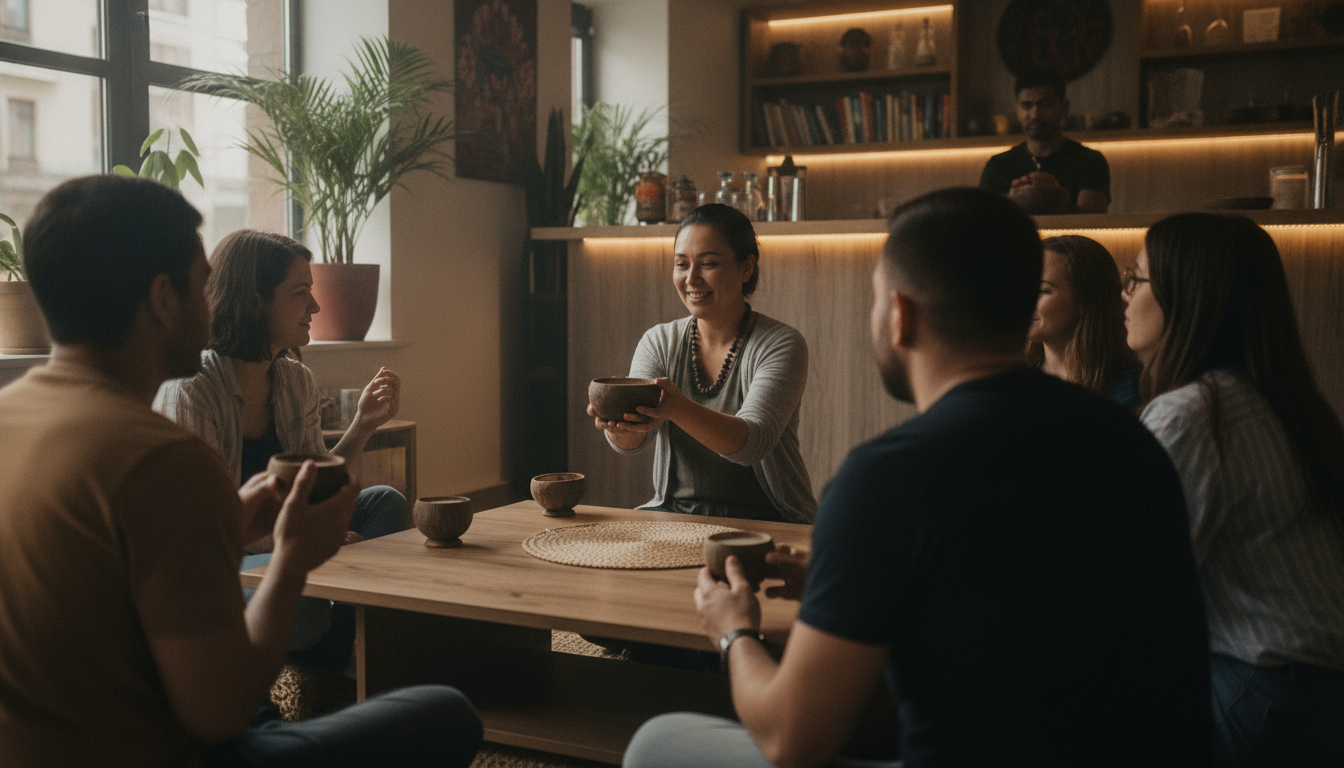
Modern kava bars often employ methods that mirror these traditions, using specialized strainers and ensuring thorough mixing to achieve optimal extraction. They serve as educational hubs, demonstrating these preparation methods and explaining their significance. For those setting up a home kava bar, embracing these traditional tools and techniques is highly recommended. Using a genuine tanoa and bilo, understanding the importance of thorough kneading, and serving in rounds are simple yet powerful ways to honor the living Pacific tradition.
It is important to remember that the preparation of kava is part of the experience itself. The care taken in preparing the beverage reflects the respect for the plant and the tradition it represents. This mindful approach to preparation contributes significantly to the overall wellness experience that kava offers, fostering a connection to its deep cultural roots.
Communal Intention: Building Bridges Through Kava
The third and perhaps most profound aspect of kava culture is communal intention. Kava is inherently a social beverage, meant to be shared. The act of gathering, preparing, and consuming kava together fosters a unique sense of community and connection. This communal intention is what truly distinguishes kava from many other beverages and is a key driver of its growing popularity in wellness circles.
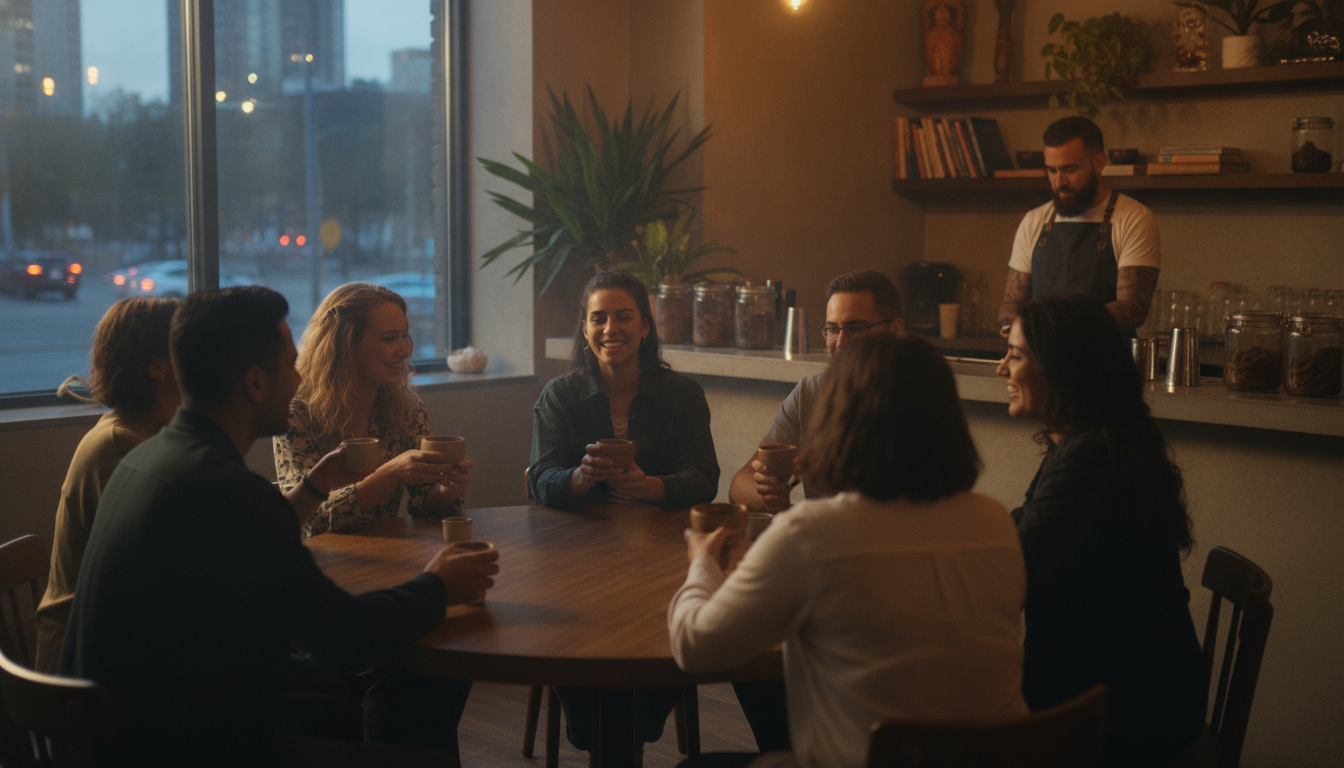
Modern kava bars excel at cultivating this communal atmosphere. They are designed as social venues specializing in serving kava beverages, offering a relaxed and communal environment modeled after traditional nakamals. These spaces provide an alternative to conventional socializing, promoting holistic wellness approaches by encouraging interaction and shared experience without the presence of alcohol. The absence of alcohol in kava-focused environments is a deliberate choice that aligns with kava's traditional use as a non-intoxicating social lubricant.
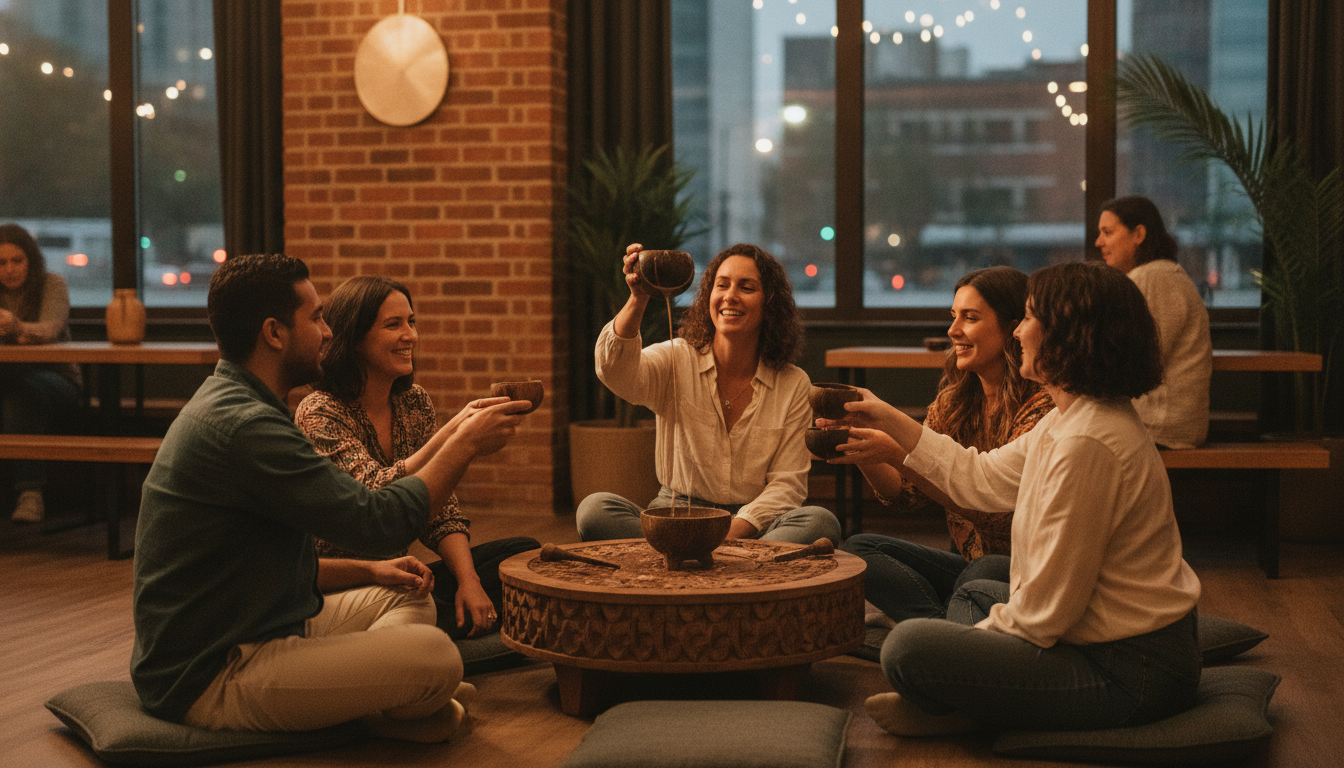
In a kava bar, patrons often sit together, engaging in conversation, and sharing shells of kava. This shared ritual creates an environment where individuals can connect, unwind, and build relationships. It's a space where people can be present with one another, fostering a sense of belonging that is increasingly valued in today's fast-paced world. This emphasis on community and shared experience is a direct continuation of kava's role in Pacific Island societies, where it has long been a catalyst for social cohesion and intergenerational bonding.
For those establishing a home kava bar, replicating this communal intention is key. Simple customs like serving kava in rounds, encouraging conversation, and creating a relaxed atmosphere can transform a personal space into a mini-nakamal. The rule of no alcohol in the room when kava is being consumed is another important custom that travels well, maintaining the integrity of the kava experience. By embracing these practices, individuals can tap into the profound social and wellness benefits that kava offers, making it more than just a drink, but a pathway to connection and well-being.
Kava and Wellness: A Holistic Approach
The rise of kava bars and the increasing interest in kava for wellness are not merely trends; they represent a deeper societal shift towards natural remedies and alternative social spaces. Kava offers a unique proposition: a natural beverage that promotes relaxation, social connection, and a sense of calm, all within a framework of rich cultural tradition.
The wellness benefits of kava are deeply intertwined with its cultural context. When consumed with respect for its origins and prepared with care, kava can contribute to a holistic sense of well-being. It provides an opportunity to slow down, engage in meaningful conversation, and experience a gentle shift in perspective. This is particularly appealing in a world where stress and disconnection are prevalent.
As kava culture continues to evolve, the commitment to its Pacific roots remains paramount. By appreciating the quality of noble kava, understanding the significance of traditional preparation, and embracing the power of communal intention, both kava bars and individual enthusiasts can ensure that kava continues to serve as a cultural compass, guiding us towards wellness and connection in the modern world. The ongoing dialogue between ancient practices and contemporary needs ensures that kava's legacy of efficacy and safety, coupled with its profound social benefits, will continue to enrich lives for generations to come.