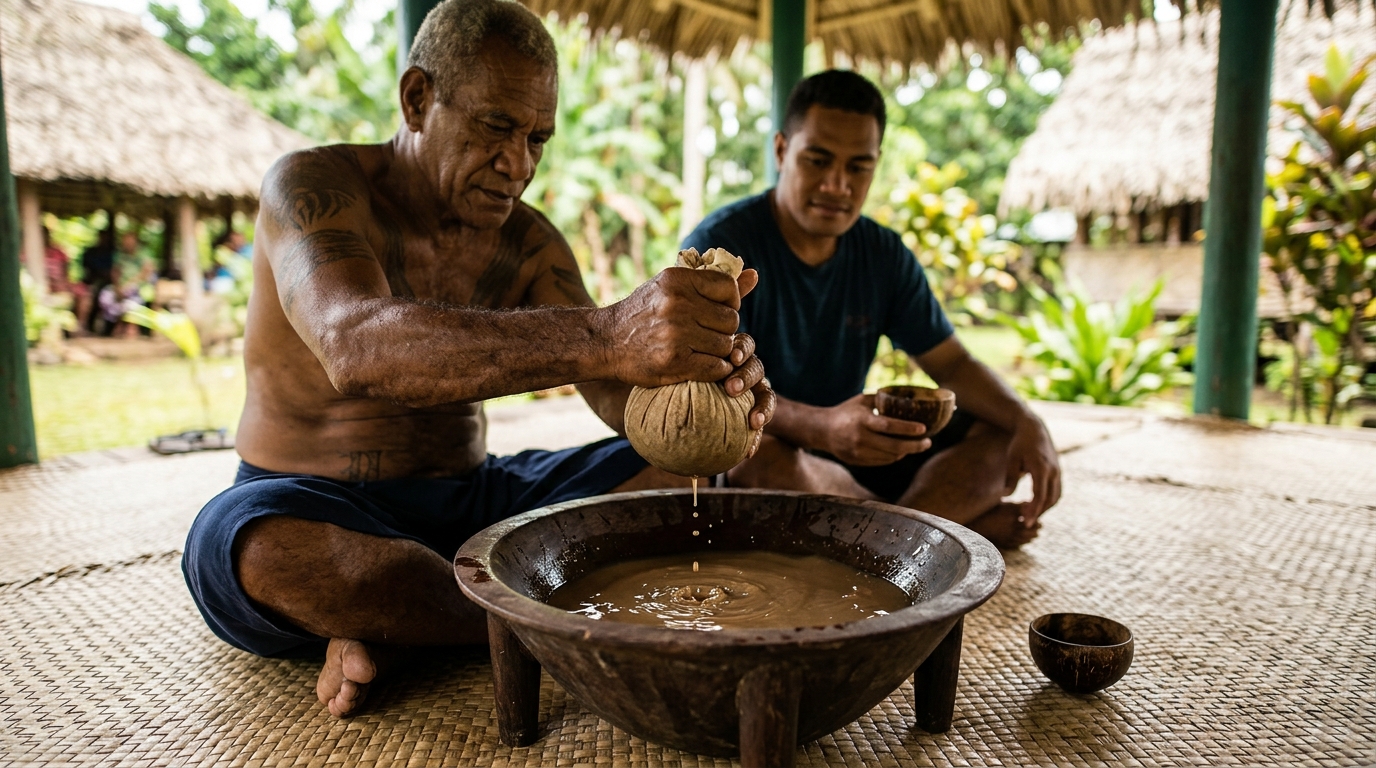
The Roots of Kava: A Pacific Legacy
Kava, or Piper methysticum, holds a profound place in the cultural fabric of Pacific Island nations. Its journey across the vast expanse of the Pacific is a testament to ancient migration routes and the enduring significance of this plant. Vanuatu, recognized as a leading kava-producing nation, has been central to the dissemination of kava culture. Historical connections, such as the Kahiki-Tahiti link, illustrate how kava traveled, adapting to new environments while consistently maintaining its core role in communal life.
For centuries, kava has been more than just a beverage; it has been a unifying element in communal rituals, fostering bonds and encouraging reflection. This deep-rooted tradition is built upon three fundamental principles: the use of quality plant material, proper extraction methods, and a shared communal intention. These pillars have sustained kava's cultural importance through generations, and they continue to inform its practice today, even as kava culture expands globally.
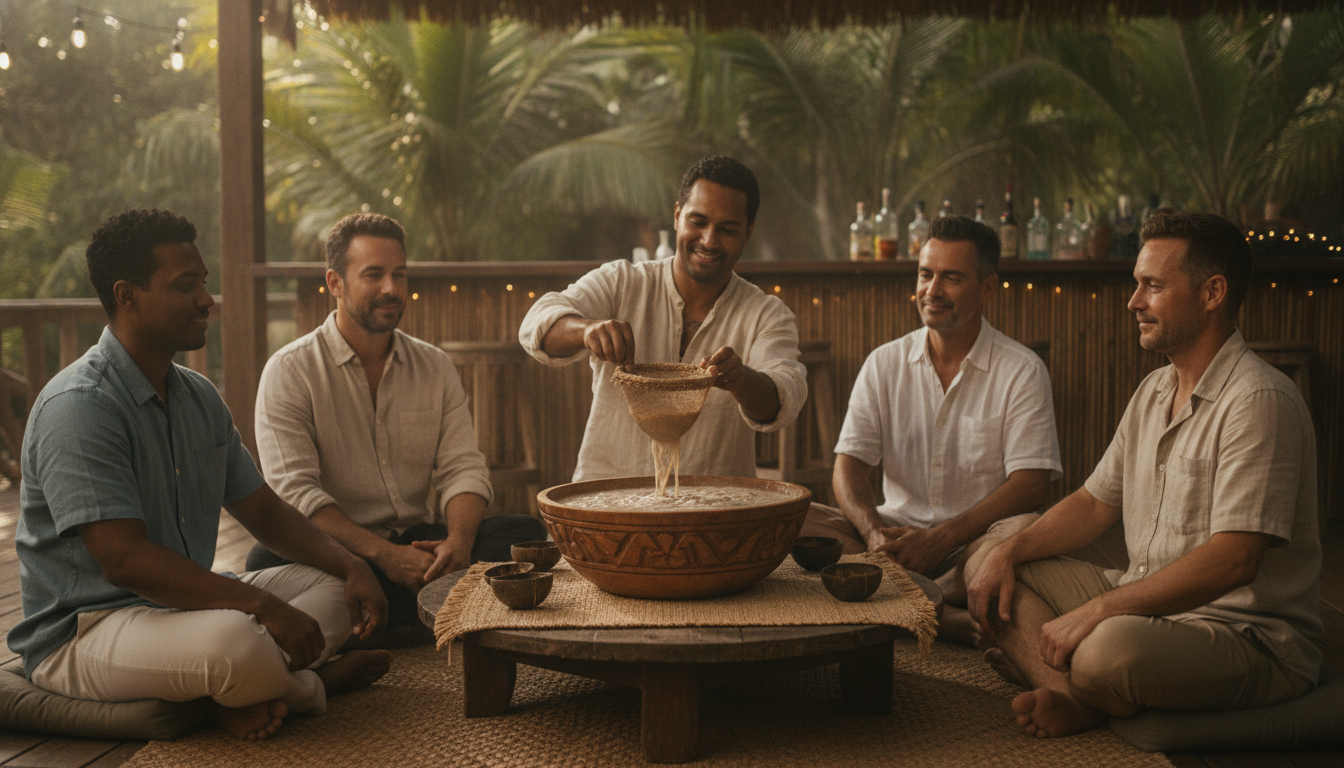
The traditional kava-drinking house, known as the nakamal in Vanuatu and other Pacific Islands, serves as the spiritual and social blueprint for many modern kava bars in the United States. These contemporary establishments often draw inspiration from the nakamal's atmosphere, aiming to create spaces that encourage connection and respect for kava's heritage. Whether in a bustling urban center or a quiet suburban lounge, the essence of Pacific tradition remains a guiding force.
Noble Kava: The Standard of Quality and Safety
In the world of kava, the term “noble” signifies a crucial distinction. Noble kava varieties are those traditionally cultivated and consumed in the Pacific Islands, recognized for their desirable effects and minimal risk when prepared appropriately. Organizations like the World Health Organization (WHO) have reviewed evidence, concluding that noble variety preparations pose minimal risk when used correctly. This dual legacy of efficacy and safety is a cornerstone of kava's appeal, both in traditional contexts and in its modern application as a wellness ingredient.
For consumers seeking authentic and high-quality kava, identifying noble cultivars is paramount. Reputable kava companies typically emphasize their use of noble varieties, such as Borogu or Borongoru, and provide details about their sourcing from established farms. Further assurance can come from third-party testing or membership in recognized industry organizations like the Kava Society, which help to ensure product reliability and adherence to quality standards. This transparency is vital for maintaining consumer trust and upholding the integrity of kava culture.
The distinction of noble kava is particularly important for those who appreciate the drink's traditional roots. While many individuals seek kava for its unique social atmosphere, a growing number, including those with Pacific Island heritage or experience in Polynesian communities, specifically look for establishments that prioritize noble kava and prepare it with cultural respect. These discerning consumers understand that “noble” is not merely a marketing term but a commitment to authenticity and quality, reflecting the deep respect for the plant and its traditions.
Traditional Preparation: The Art of the Kava Shell
The preparation of kava is an art form deeply intertwined with its cultural significance. Traditional methods emphasize careful attention to detail, ensuring that the final beverage honors the plant and its intended purpose. The process typically involves using quality plant material, often the root of the kava plant, which is then processed to extract its active compounds. This extraction is not just a technical step; it is imbued with communal intention, transforming the act of preparation into a shared ritual.
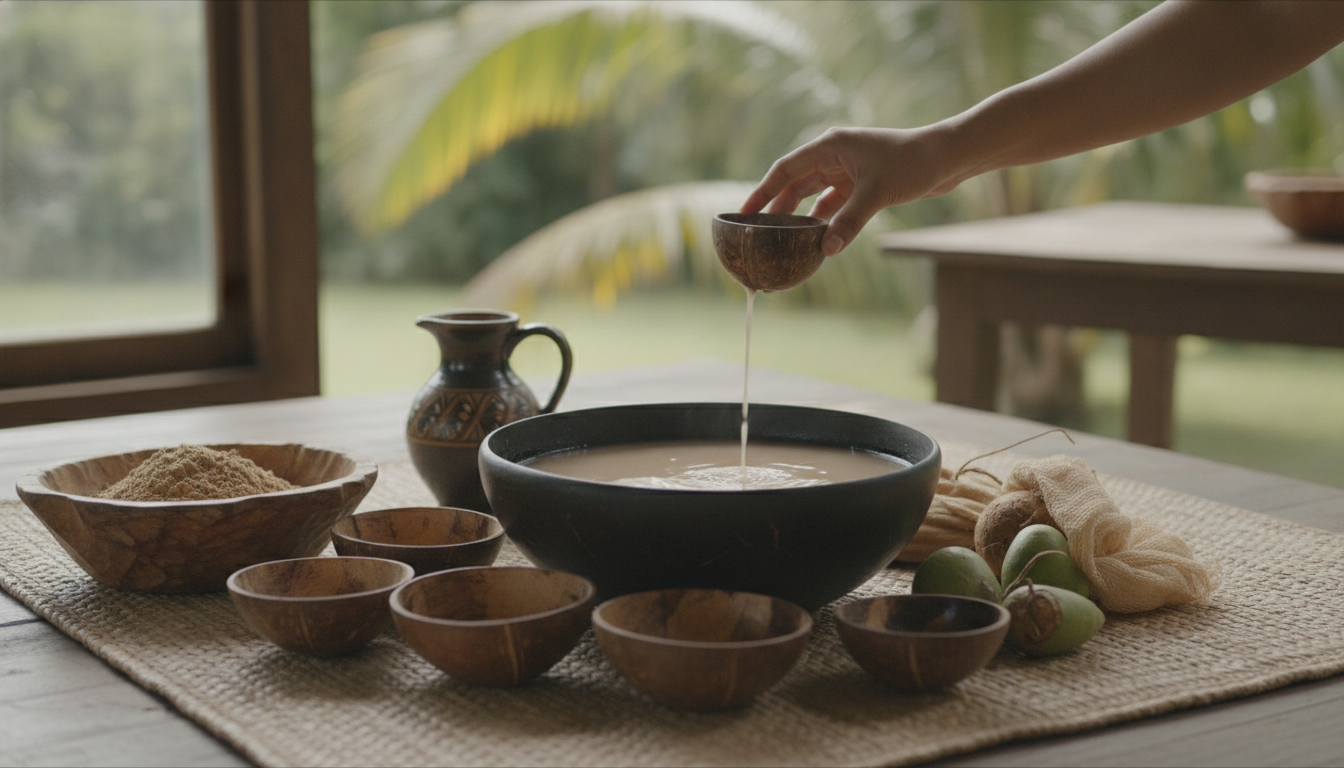
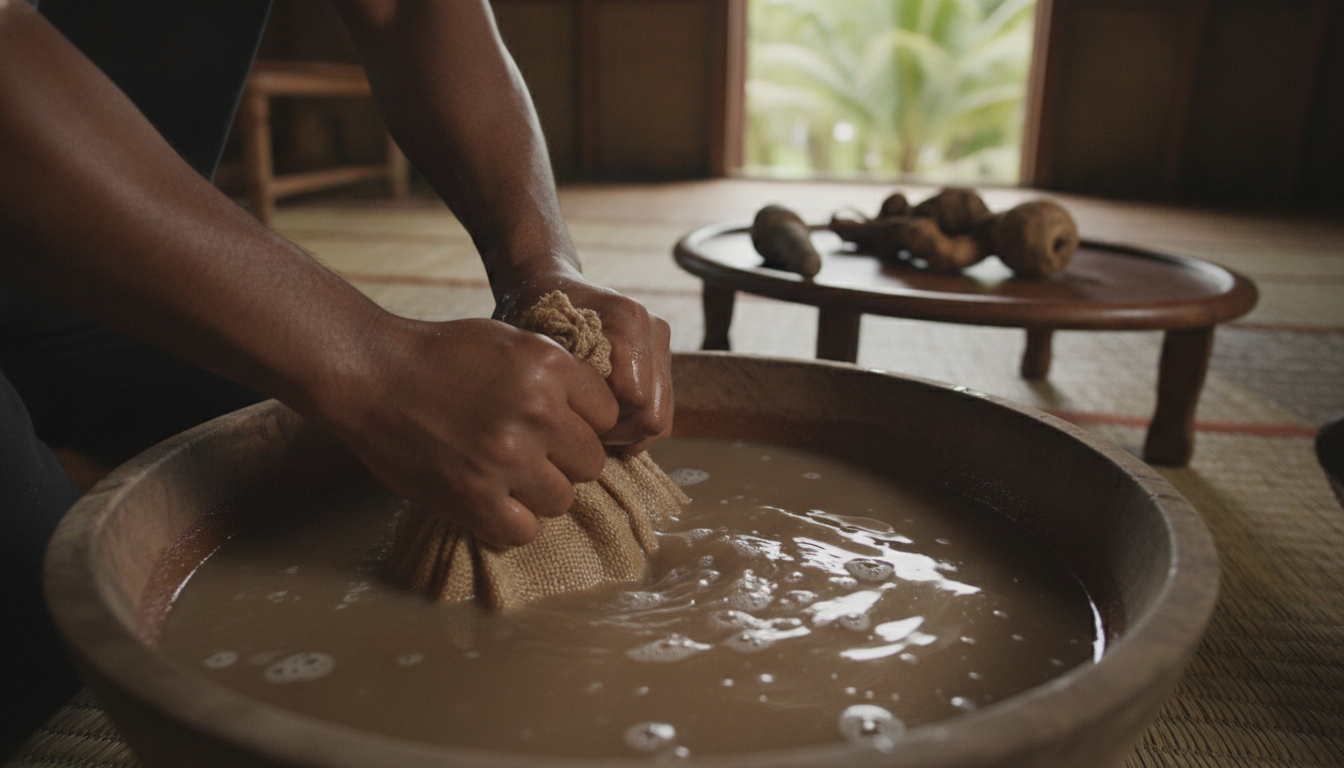
In traditional settings, kava is often prepared by hand-kneading dried or fresh kava root in a porous cloth or strainer bag, submerged in water. This method allows for the gentle release of kavalactones, the active compounds responsible for kava's effects, into the water. The resulting liquid, a cloudy, earthy beverage, is then served in a communal shell, often a half coconut shell, and passed among participants. This shared experience reinforces social bonds and encourages a sense of unity.
Modern kava bars strive to replicate this traditional approach as much as possible, recognizing that proper extraction is key to both the quality and cultural authenticity of the drink. While some modern establishments may use mechanical mixers for efficiency, many still prioritize methods that closely mirror traditional hand-kneading, aiming to recover the “quality plant material, proper extraction, and communal intention” that define the Pacific Island relationship with kava. This dedication ensures that even in contemporary settings, the spirit of traditional kava preparation endures, offering drinkers an experience that is both authentic and respectful of its origins.
Kava in the Modern Wellness Landscape
Today, kava stands at the intersection of ancient cultural ceremony and emerging wellness trends. Its ability to foster relaxation and social connection, without the intoxicating effects of alcohol, makes it an attractive option for those seeking alternative social beverages and natural wellness solutions. The growing number of kava bars across the United States, including verified spots like Kai Po Polynesian Restaurant & Kava Lounge and Bonfiyah & Co in Salt Lake City, as of August 2026, reflects this increasing interest.
These modern kava establishments offer a unique social environment that differs significantly from traditional bars. Patrons often seek a “different” kind of experience – one that emphasizes calm, conversation, and community. The atmosphere in these bars often reflects Polynesian aesthetics and cultural values, providing a space where individuals can unwind and connect in a meaningful way. This focus on community and well-being aligns perfectly with the broader wellness movement, which increasingly values natural remedies and mindful living.
As kava continues to gain popularity, its role in wellness extends beyond social settings. Some companies, like Kamello, are exploring kava as a foundational ingredient in wellness products, pairing it with other botanicals like kanna. This innovative approach highlights kava's versatility and its potential to contribute to various aspects of well-being, from relaxation to mental clarity. The enduring legacy of kava, rooted in Pacific tradition and now embraced by modern wellness, ensures its continued relevance as a powerful plant for connection and calm.
Understanding kava's journey from ceremonial drink to modern wellness staple enriches the experience of every shell. It connects contemporary drinkers to a rich cultural heritage, emphasizing the importance of quality, respect, and community in every sip. As kava culture continues to evolve, its core values remain steadfast, offering a unique path to relaxation and connection in an increasingly fast-paced world. For those seeking a deeper understanding, exploring resources on Pacific kava traditions and noble kava varieties can provide valuable insights.