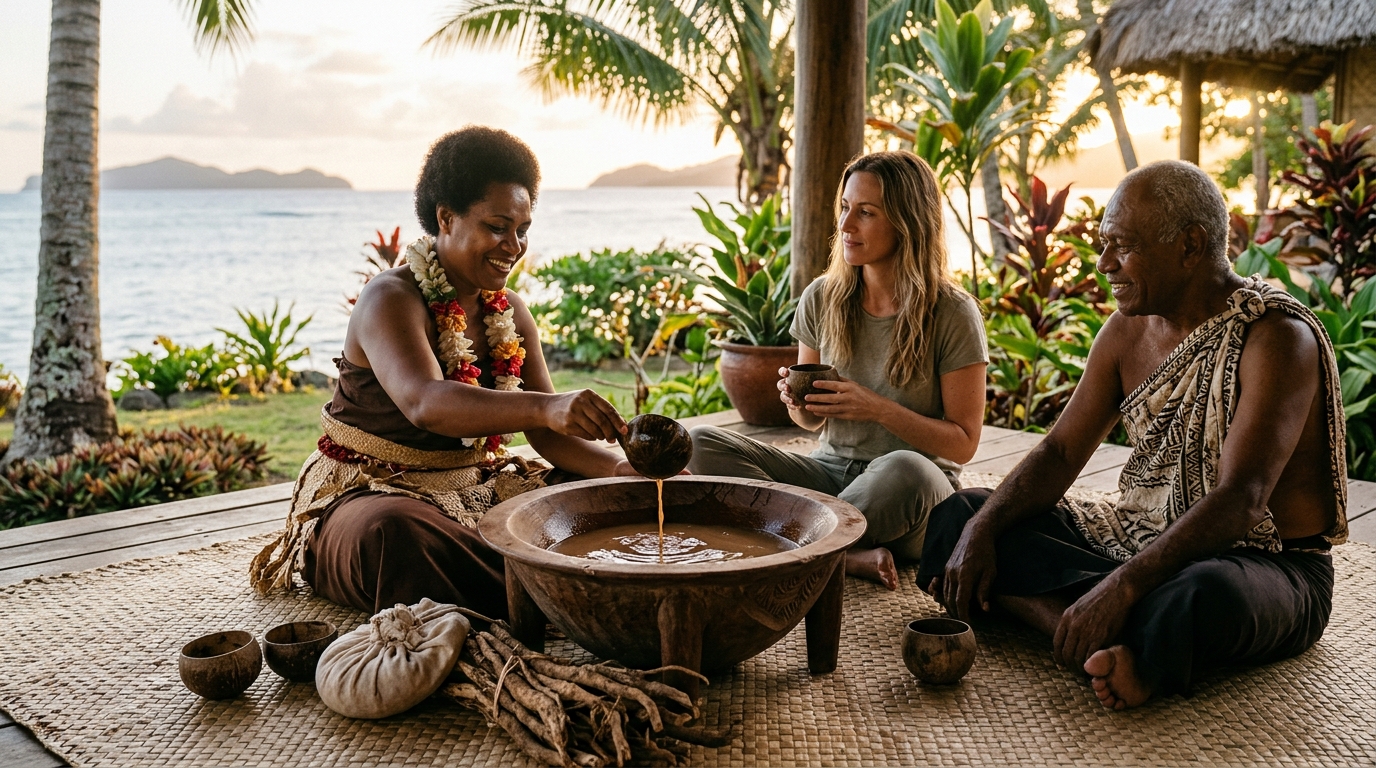
The Deep Roots of Kava in Pacific Culture
Kava, a beverage derived from the root of the Piper methysticum plant, holds a profound and enduring place in the cultures of the Pacific Islands. Its history is not merely one of consumption but of intricate social ritual, community building, and spiritual significance. The journey of kava across the Pacific is a testament to ancient migration routes, with nations like Vanuatu playing a pivotal role in its spread. Historical connections, such as the Kahiki-Tahiti link, illustrate how kava traveled, evolving in its local expressions while consistently retaining its core cultural importance. This rich heritage forms the bedrock of modern kava culture, influencing everything from the design of contemporary kava bars to the emphasis on traditional preparation methods.
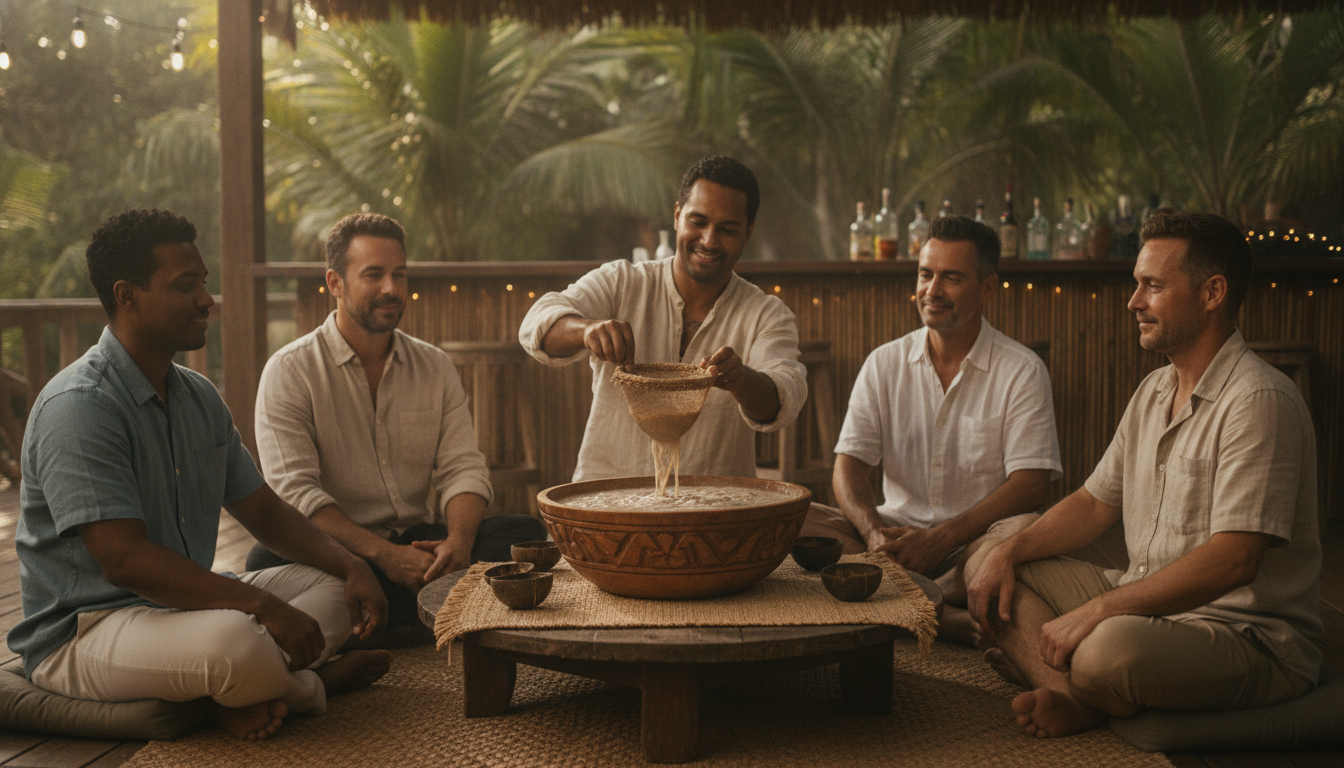
For centuries, kava has been integral to ceremonies, social gatherings, and daily life in the Pacific. It is more than just a drink; it is a medium for connection, reflection, and the reinforcement of community bonds. The traditional kava-drinking house, known as the nakamal in Vanuatu and other islands, serves as a powerful inspiration for today's kava establishments in the United States and beyond. These spaces aim to replicate, in a modern context, the sense of peace, camaraderie, and respectful interaction that defines the traditional kava experience. Understanding these deep roots is essential for anyone seeking to appreciate the full scope of kava's enduring legacy.
The Art of Traditional Kava Preparation
The Pacific Island relationship with kava is fundamentally built upon three critical pillars: quality plant material, proper extraction, and communal intention. These principles are not just historical footnotes; they are living practices that continue to guide the preparation and consumption of kava today. Modern kava culture, particularly in authentic kava bars, is increasingly focused on recovering and honoring these traditional methods, recognizing their importance for both the efficacy of the drink and the integrity of the experience.
Quality Plant Material: The Foundation of Noble Kava
The journey to a superior kava experience begins with the plant itself. The term "noble kava" is not merely a marketing phrase; it refers to specific varieties of the kava plant that have been cultivated for generations for their desirable effects and safety profile. A review by the World Health Organization concluded that preparations made from noble varieties pose minimal risk when used appropriately, underscoring their importance. For those seeking an authentic experience, ensuring that noble kava is the standard, rather than just a word on a menu, is crucial. This commitment to quality plant material is a direct echo of Pacific traditions, where careful selection of kava roots was paramount.
Proper Extraction: Honoring the Method
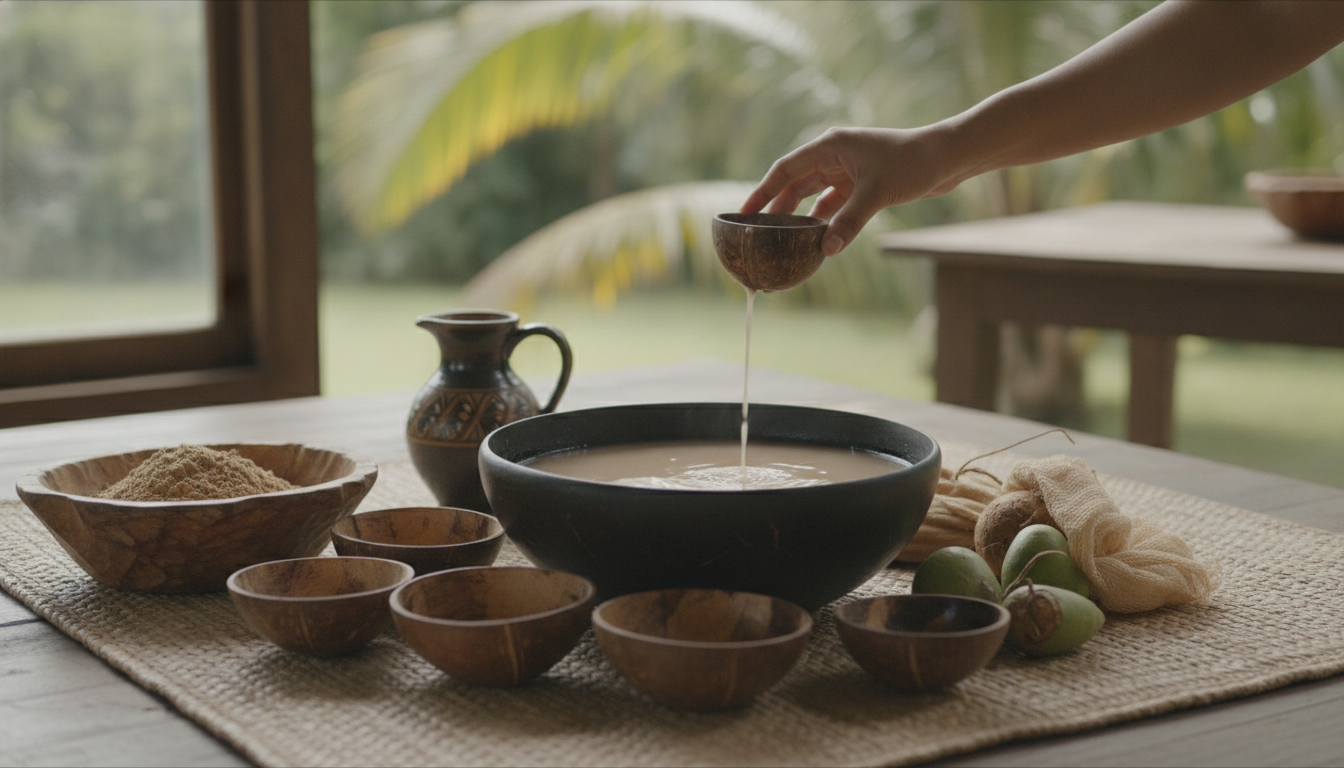
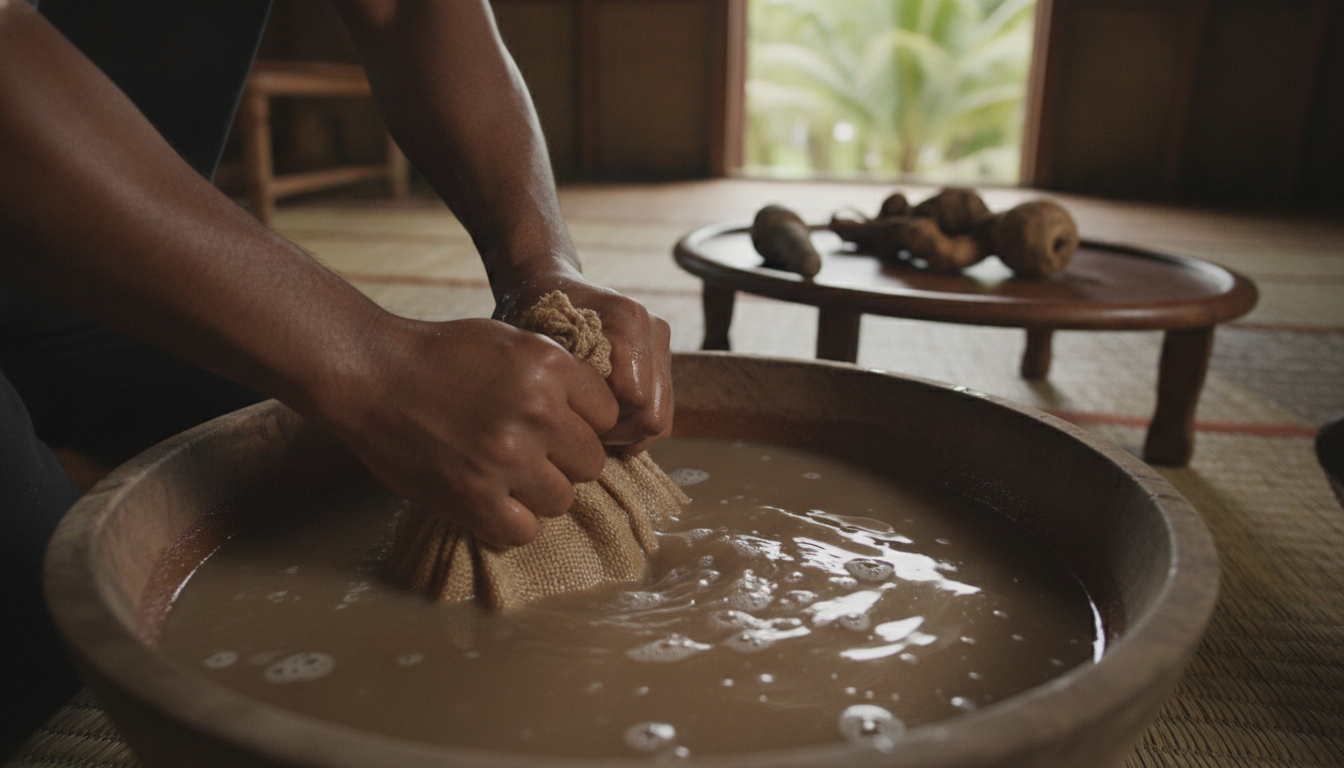
Once quality kava root is sourced, proper extraction is key. Traditional kava preparation involves a meticulous process, often referred to as "ceremonial technique." This typically involves kneading finely ground kava root in water, often within a porous cloth or strainer bag, to extract the active compounds known as kavalactones. The goal is to achieve a consistent mouthfeel and potency that respects Pacific preparation norms. This hands-on method ensures that the kava is prepared to its optimal strength and texture, delivering the full spectrum of its traditional effects. Many modern kava bars prioritize these techniques, aiming to provide an experience that is both authentic and effective.
Communal Intention: More Than Just a Drink
Beyond the physical preparation, the communal intention surrounding kava consumption is equally vital. In traditional Pacific settings, kava is often shared in a structured, respectful manner, fostering a sense of unity and shared experience. This aspect of "communal intention" is what truly elevates kava from a simple beverage to a cultural ritual. Modern kava bars strive to recreate this atmosphere, offering spaces where individuals can gather, connect, and engage in meaningful interaction, much like the traditional nakamal. This focus on community and shared experience is a significant draw for many patrons, distinguishing kava bars from conventional establishments.
Kava Bars: Modern Expressions of Ancient Traditions
The rise of kava bars in places like the United States represents a fascinating intersection of ancient tradition and contemporary wellness. These establishments draw direct inspiration from the Pacific Island nakamal, aiming to provide a "third place" - a social environment distinct from home or work - where people can relax and connect. For many, a kava bar offers an experience that feels profoundly different from a regular bar, emphasizing calm, conversation, and a sense of belonging.
In cities across the U.S., kava bars are becoming community hubs. For example, in Salt Lake City, as of August 2026, verified operators like Kai Po Polynesian Restaurant & Kava Lounge and Bonfiyah & Co. exemplify this trend, offering spaces where patrons can experience kava in a setting that pays homage to its origins. These venues often attract a diverse clientele, including individuals with Pacific Island heritage seeking a taste of home, and newcomers curious about kava's unique properties and cultural significance.
A key differentiator for reputable kava bars is their commitment to authenticity. This means not only serving noble kava but also preparing it with respect for traditional methods. Patrons often seek places where the drink is prepared correctly, the atmosphere respects the roots of the tradition, and the quality of the kava is consistently high. This dedication to ceremonial technique and a consistent mouthfeel ensures that the experience aligns with Pacific preparation norms, offering a genuine taste of kava culture.
Kava and Wellness: A Natural Connection
The enduring appeal of kava in the modern wellness landscape is deeply intertwined with its traditional uses. For centuries, kava has been valued for its ability to promote relaxation and ease tension, qualities that resonate strongly in today's fast-paced world. The "dual legacy of efficacy and safety" associated with noble kava varieties, as highlighted by scientific reviews, makes it an attractive option for those seeking natural approaches to well-being.
The communal aspect of kava consumption also plays a significant role in its wellness benefits. Sharing kava in a relaxed, social setting can foster a sense of connection and reduce feelings of isolation, contributing to overall mental and emotional health. This aligns perfectly with the growing understanding that wellness encompasses not just physical health but also social and emotional well-being.
As kava continues to gain popularity, its role in wellness is expanding. From providing a non-alcoholic alternative for social gatherings to offering a natural way to unwind, kava is increasingly recognized for its potential to support a balanced lifestyle. By honoring its Pacific traditions of quality plant material, proper extraction, and communal intention, modern kava culture ensures that this ancient plant continues to offer durable practical value for contemporary wellness seekers.