The Enduring Spirit of Kava: Bridging Ancient Rituals and Modern Wellness
Kava, a beverage derived from the root of the Piper methysticum plant, holds a profound place in the cultural fabric of Pacific Island nations. For centuries, it has been more than just a drink; it has been a cornerstone of social interaction, ceremonial practice, and communal bonding. Today, as interest in holistic wellness and alternative social spaces grows, kava is experiencing a renaissance, finding new appreciation in modern kava bars and among individuals seeking a connection to its rich heritage. This journey from ancient ceremony to contemporary wellness reflects kava's enduring appeal and its capacity to adapt while retaining its fundamental essence.
The heart of kava's tradition lies in three core elements: the quality of the plant material, the meticulousness of its preparation, and the communal intention behind its consumption. These principles, deeply embedded in Pacific Island practices, are increasingly being embraced by modern kava culture, ensuring that the spirit of kava continues to thrive.
The Deep Roots of Pacific Kava Traditions
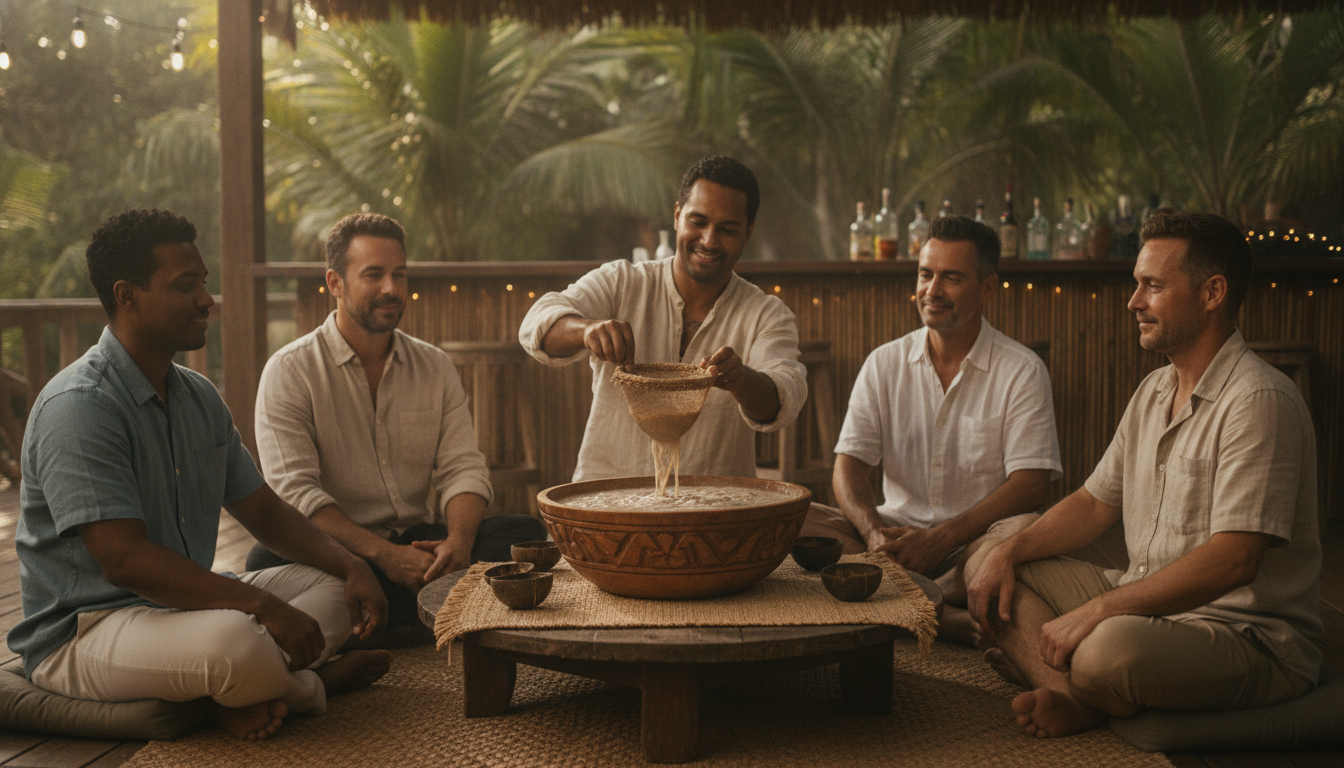
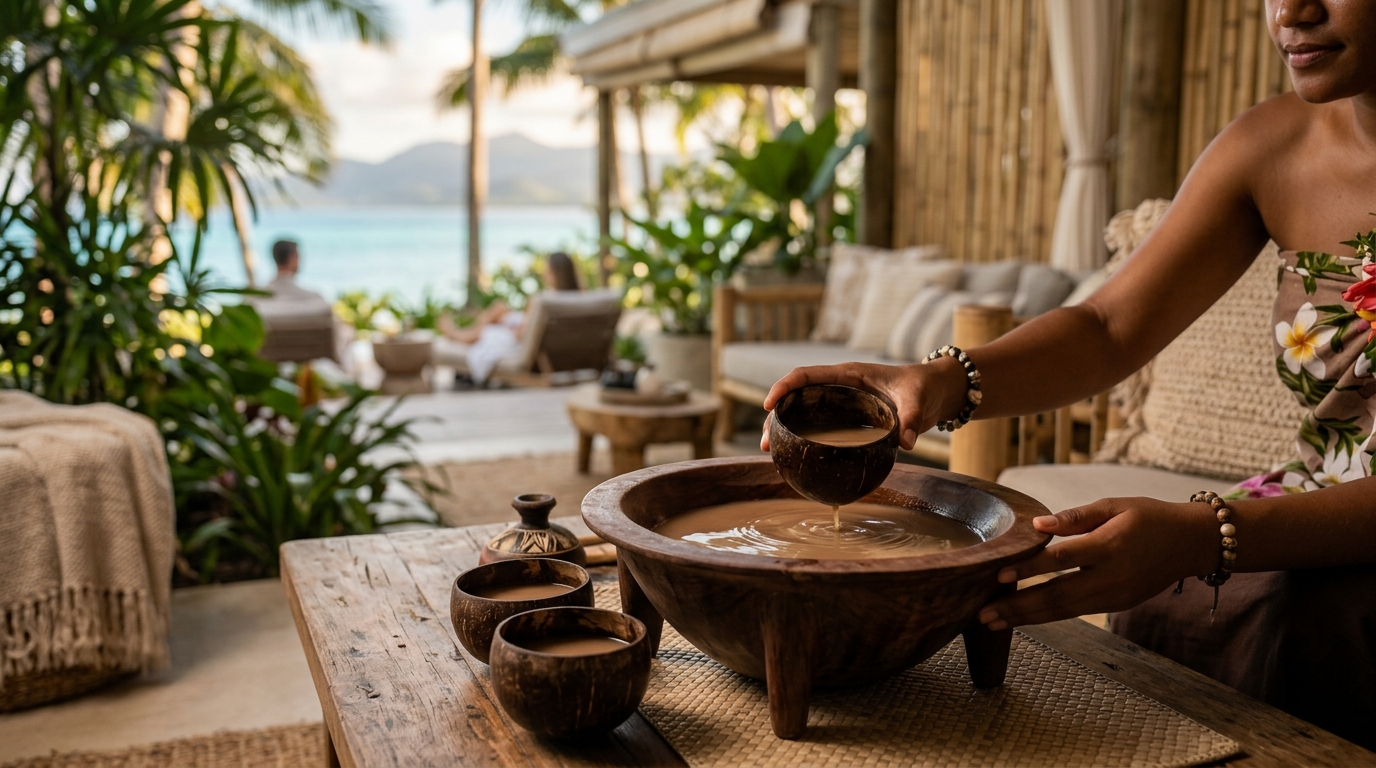
In the Pacific Islands, kava ceremonies are integral to community life, serving as a means to solidify bonds, encourage reflection, and honor cultural heritage. These rituals are often held in spaces known as nakamals, which are traditional gathering places designed to foster a sense of unity and shared experience. The atmosphere within a nakamal is one of respect, tranquility, and camaraderie, where individuals come together to partake in a shared ritual that transcends the ordinary.
The significance of kava in these traditions extends beyond its immediate effects. It embodies a philosophy of connection, mindfulness, and respect for both the plant and the community. This deep cultural reverence is a testament to kava's role as a unifying beverage, a tool for fostering social cohesion and preserving ancestral knowledge. As modern society grapples with the pressures of modernization, the preservation of these traditional practices becomes even more vital, and kava bars play a crucial role in this endeavor.
The Importance of Noble Kava
Central to traditional kava culture is the exclusive use of noble kava varieties. These cultivars are distinguished by their specific chemical profiles, which are associated with minimal risk when consumed appropriately. Reputable kava companies and bars prioritize the sourcing of authentic noble kava, often highlighting the specific cultivars used, such as Borogu or Borongoru, and detailing their origins from well-established farms. This commitment to quality ensures that the kava consumed is consistent with traditional standards and offers the desired experience.
Confirming the nobility of a kava product often involves looking for transparency in sourcing and cultivar identification. Membership in organizations like the Kava Society or the presence of third-party testing can also serve as indicators of a reliable and high-quality product. This dedication to noble varieties is not merely about efficacy and safety; it is also a critical aspect of preserving traditional culture and ensuring that the kava experience remains authentic.
Traditional Kava Preparation: An Art Form
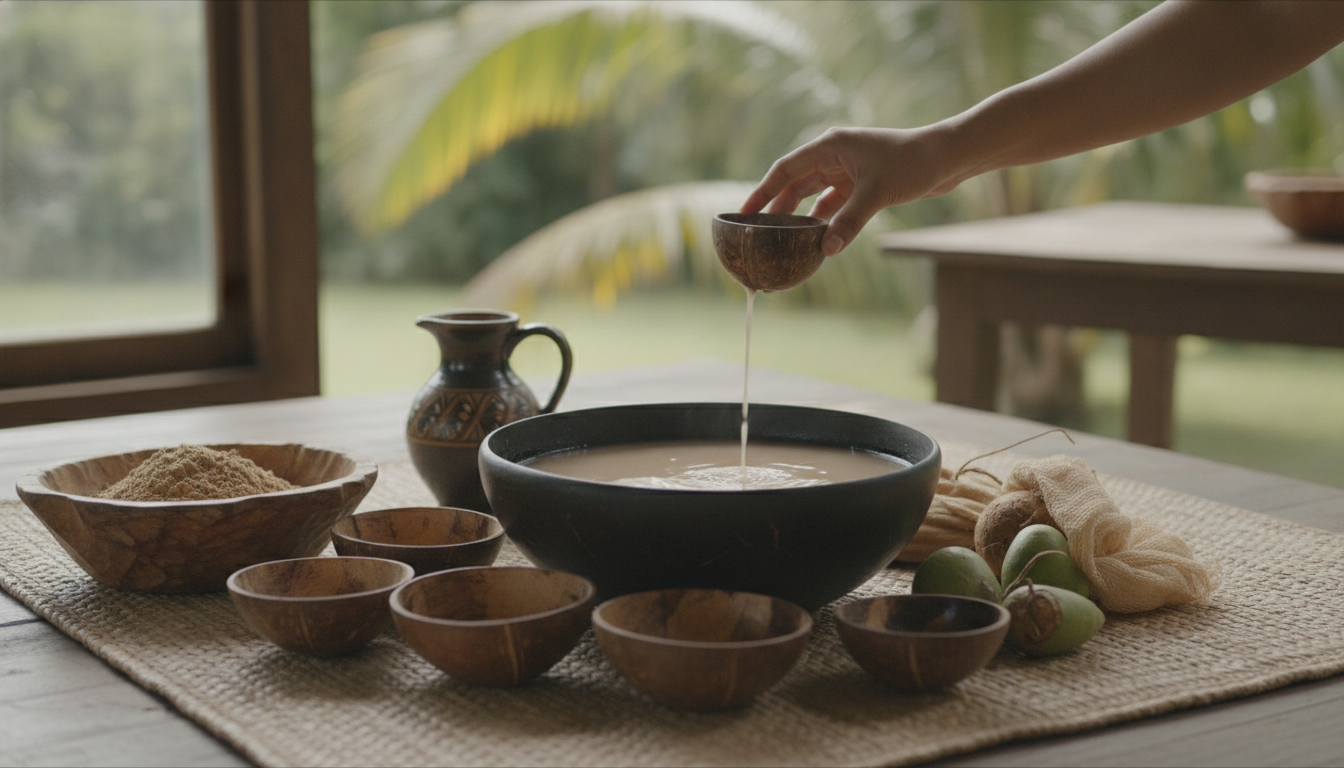
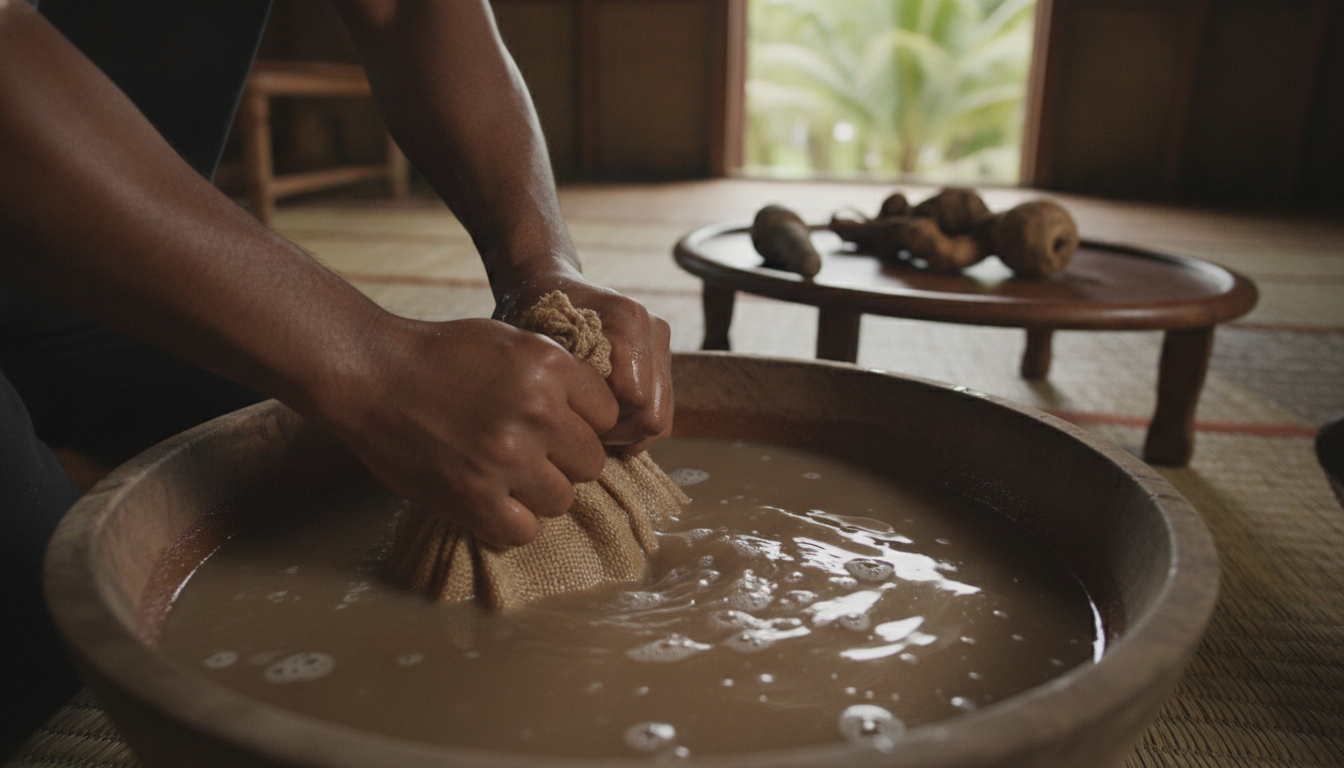
The preparation of kava is an art form, a ritual in itself that is as significant as the drinking of the beverage. Traditionally, kava roots are pounded or ground into a fine powder, then mixed with water and kneaded within a porous cloth or strainer. This process extracts the kavalactones, the active compounds responsible for kava's effects, into the water, creating a cloudy, earthy-tasting drink.
This method of extraction is not merely mechanical; it is imbued with intention and respect. The rhythmic kneading, the careful straining, and the communal sharing of the prepared kava all contribute to the ceremonial atmosphere. Modern kava culture is increasingly recognizing the importance of these traditional preparation methods, understanding that they are fundamental to the overall kava experience. By adhering to these practices, kava bars and enthusiasts help to maintain the integrity of the tradition and honor the cultural heritage from which kava originates.
Kava Bars: Modern Nakamals and Cultural Ambassadors
In contemporary society, kava bars have emerged as vital spaces that bridge the gap between ancient practices and modern social settings. These establishments serve as cultural ambassadors, introducing newcomers to the world of kava while educating them about proper kava etiquette, traditional preparation methods, and the ceremonial significance that elevates kava beyond a mere beverage. By fostering an environment reminiscent of the nakamal, kava bars provide an alternative social venue focused on holistic wellness and communal connection.
A kava bar is more than just a place to drink kava; it is a community hub where individuals can gather in a relaxed, communal atmosphere. These spaces offer an alternative to traditional alcohol-centric venues, providing an environment where conversation, reflection, and social bonding are encouraged. The emphasis on a relaxed and welcoming ambiance helps to recreate the sense of unity and shared experience that is central to Pacific Island kava traditions.
Preserving Cultural Knowledge
One of the most significant contributions of modern kava bars is their role in preserving important cultural knowledge. As traditional Pacific Island communities face the pressures of modernization, there is a risk that some aspects of kava culture might be lost. Kava bars actively work to counteract this by educating patrons about the history, protocols, and cultural significance of kava. This educational aspect ensures that the rich heritage of kava is not only remembered but also actively practiced and understood by a new generation of enthusiasts.
Furthermore, the commitment of reputable kava bars to sourcing authentic noble kava varieties directly supports the communities that cultivate these plants. This economic link helps to sustain traditional farming practices and provides a tangible benefit to the regions where kava has been grown for centuries. In this way, kava bars contribute to the economic and cultural well-being of Pacific Island communities, reinforcing the interconnectedness of the global kava movement.
Kava and Wellness: A Holistic Approach
The growing interest in kava within the wellness community is rooted in its dual legacy of efficacy and safety, particularly when noble varieties are used appropriately. Kava stands at the crossroads of ancient cultural ceremony and modern wellness trends, offering a unique approach to relaxation and social engagement. For many, kava provides an opportunity to unwind, de-stress, and connect with others in a mindful and intentional way.
The communal aspect of kava consumption, whether in a traditional ceremony or a modern kava bar, contributes significantly to its wellness benefits. Sharing kava in a group setting fosters a sense of belonging and reduces feelings of isolation, which are crucial components of mental and emotional well-being. The act of slowing down, engaging in conversation, and participating in a shared ritual can be deeply restorative in an increasingly fast-paced world.
As kava continues to gain popularity, it is essential to remember its origins and the traditions that have shaped its use for millennia. By appreciating its deep cultural roots, understanding the importance of noble varieties, and respecting the art of traditional preparation, we can ensure that kava's journey from Pacific ceremony to modern wellness continues to be one of cultural respect, community building, and holistic well-being. The modern kava bar, in its role as a contemporary nakamal, is a testament to kava's enduring power to unite, soothe, and connect people across cultures and generations.