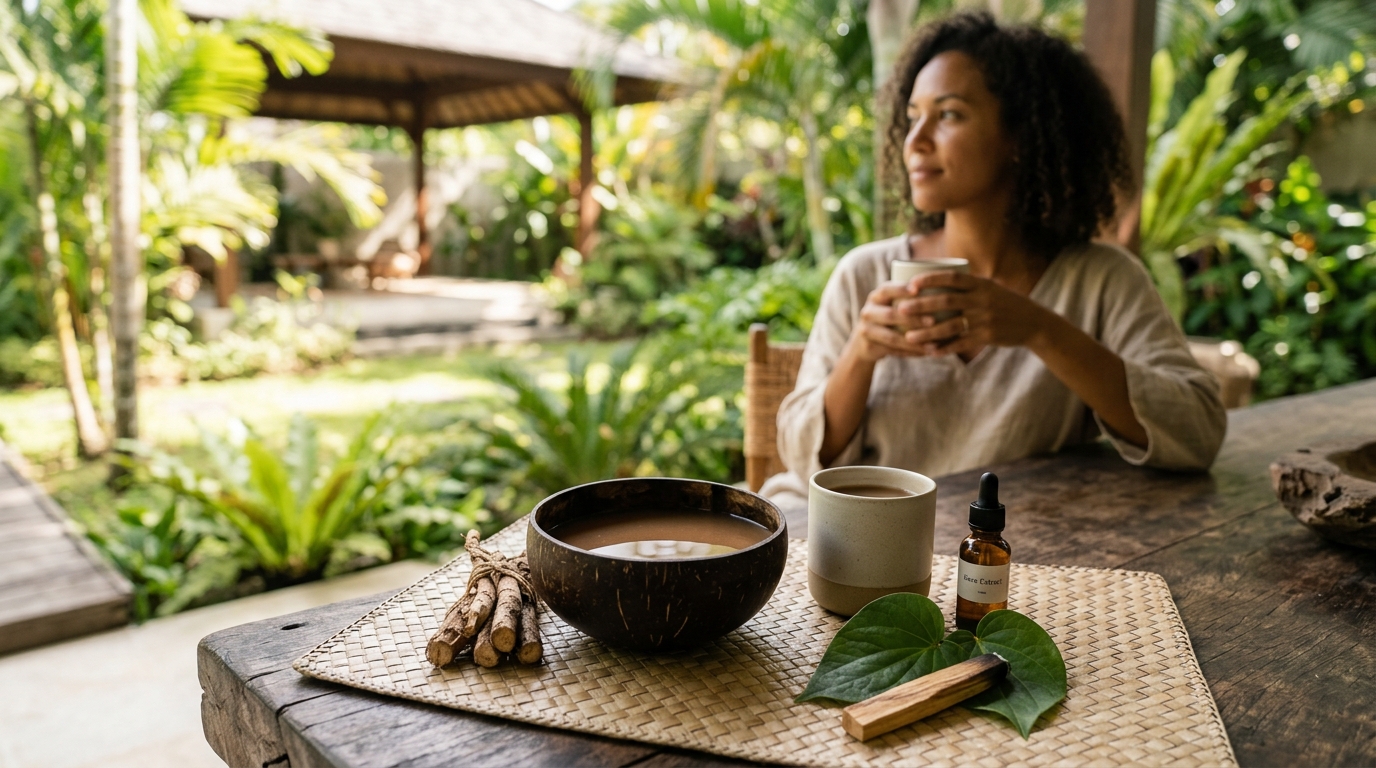
Kava's Journey: From Pacific Rituals to Modern Wellness Spaces
Kava, a plant deeply embedded in the cultural fabric of the Pacific Islands, has transitioned from ancient ceremonial practices to a significant element in contemporary wellness trends. Its narrative is one of tradition, community, and an increasing appreciation for its unique properties. This article delves into kava's historical importance, its traditional preparation, the critical role of noble varieties, and how modern kava bars are upholding its communal essence.
Kava's Pacific Roots and Cultural Diffusion
The origins of kava are intrinsically linked to the Pacific Islands, with nations like Vanuatu recognized as a primary kava-producing region. Historical migration patterns, such as the Kahiki-Tahiti connection, illustrate how kava spread across the vast Pacific. As it traveled, kava's function evolved, adapting to diverse island cultures while consistently retaining its fundamental significance as a unifying beverage.
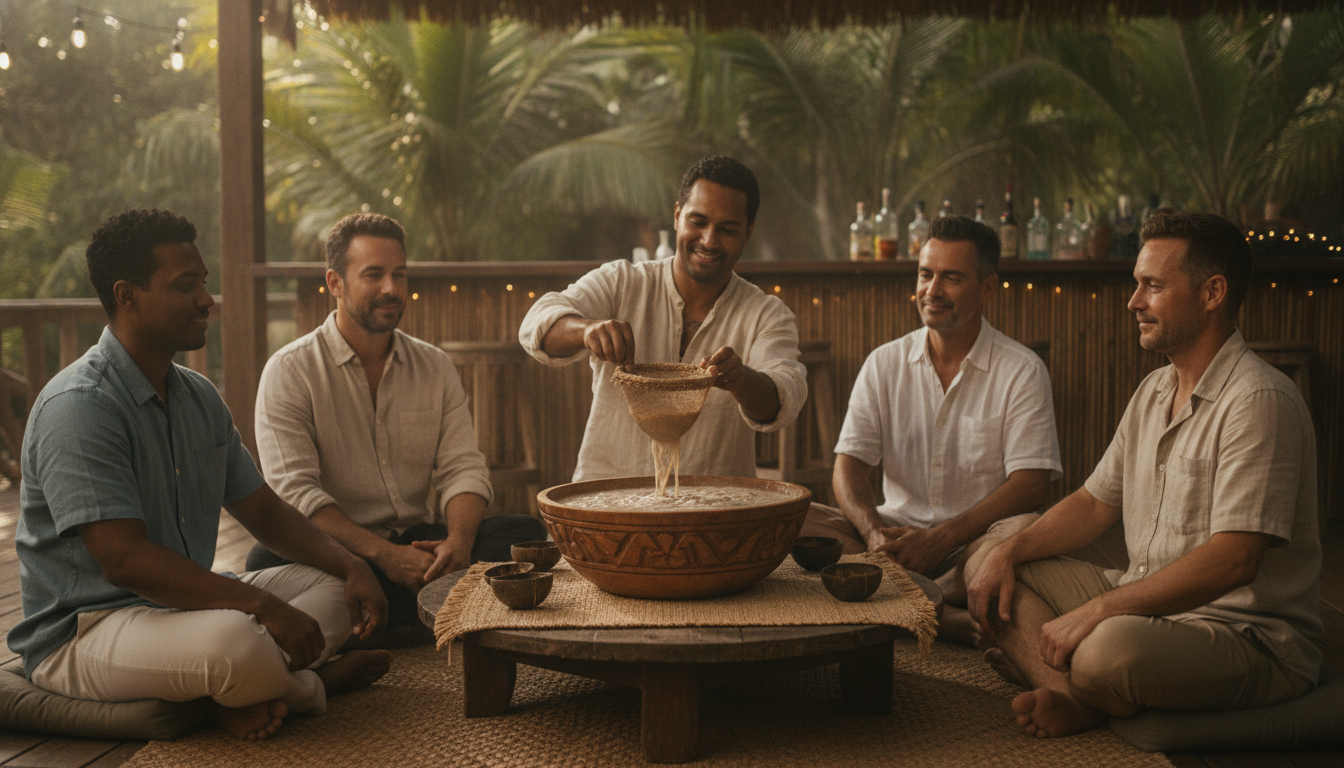
In its traditional context, kava transcends being merely a drink; it is a central component of communal rituals. These ceremonies, frequently conducted in a nakamal - the traditional kava-drinking house found throughout Vanuatu and other Pacific Islands - serve to strengthen social bonds and encourage introspection. The act of sharing kava in these settings cultivates a sense of unity and shared experience, a practice that continues to inspire contemporary kava establishments.
The relationship between Pacific Islanders and kava is founded upon three essential pillars: quality plant material, effective extraction methods, and communal intention. These elements are vital for comprehending kava's traditional value and are progressively being acknowledged and integrated within modern kava culture.
The Significance of Noble Kava Varieties
When discussing kava, the term 'noble' holds paramount importance. Noble kava refers to specific cultivars that have been historically cultivated for ceremonial and social use due to their desirable effects and minimal risk when prepared appropriately. A review by the World Health Organization (WHO) concluded that noble variety preparations pose minimal risk when used correctly.
Distinguishing noble kava from other varieties is crucial for both safety and the quality of the experience. Reputable kava companies typically highlight their use of noble cultivars, such as Borogu and Borongoru, and provide detailed information about their sourcing from established farms. Further assurance can come from third-party testing or affiliation with organizations like the Kava Society, which signify a commitment to quality and authenticity.
The focus on noble kava underscores a dedication to respecting the plant's traditional use and ensuring a positive experience for consumers. This emphasis on quality plant material is one of the foundational aspects of the Pacific Island relationship with kava.
Traditional Preparation: Honoring the Ritual
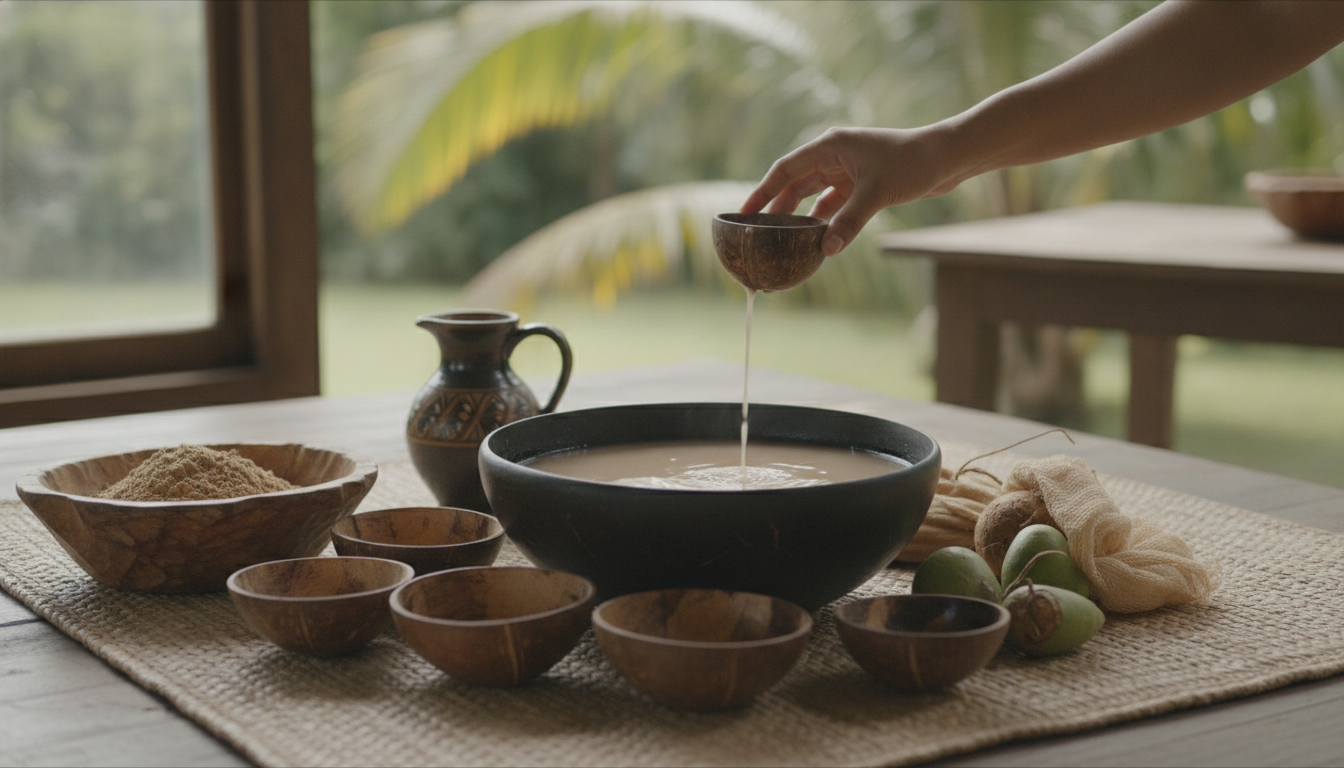
The preparation of kava is as significant as the plant itself, embodying a fusion of ceremony, method, and cultural respect. Traditional preparation techniques are designed to efficiently extract the active compounds while preserving the integrity of the beverage. This process typically involves:
- Quality Plant Material: Beginning with dried kava root, ideally from noble varieties.
- Grinding or Pounding: The root is traditionally ground or pounded into a fine powder.
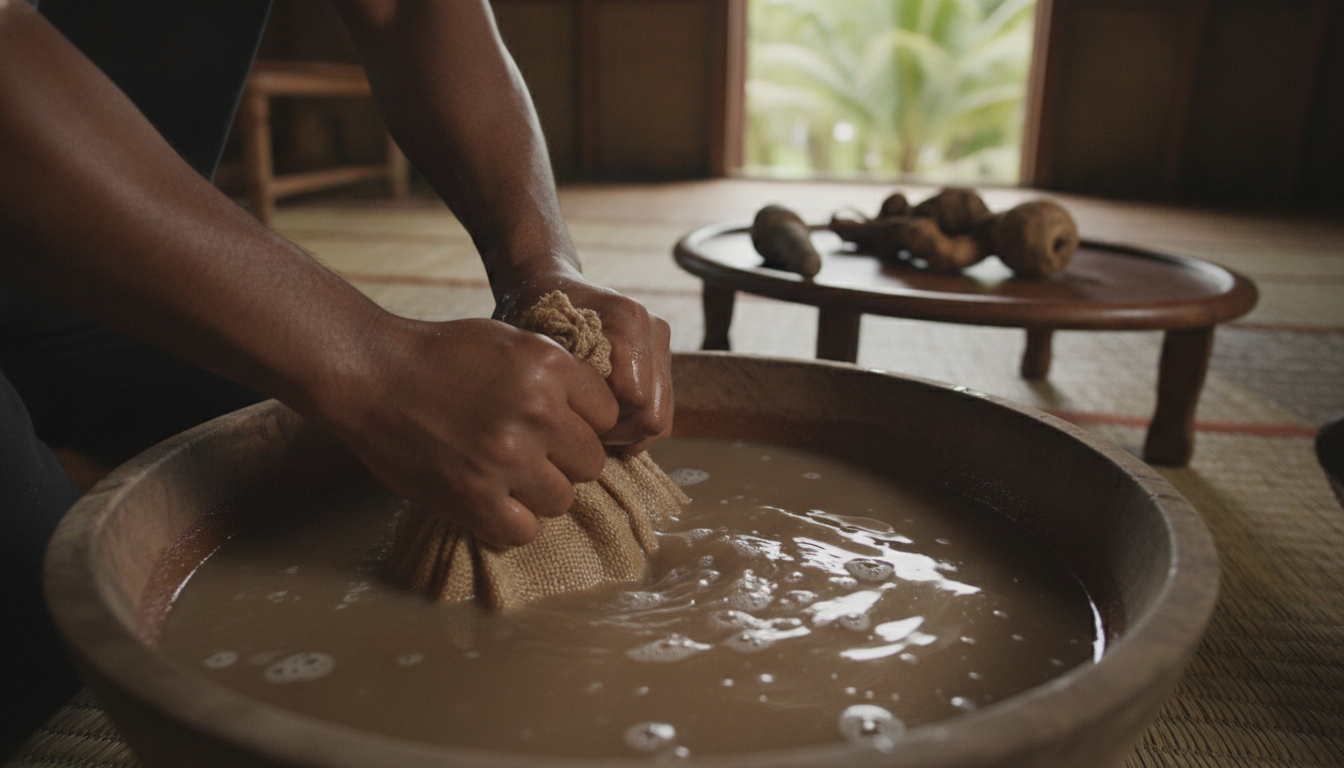
- Kneading and Extraction: The powdered kava is then placed into a porous bag, often made of cloth, and kneaded in water. This process extracts the kavalactones, the active compounds responsible for kava's effects.
- Straining: The mixture is carefully strained to remove any root fibers, resulting in a smooth, earthy beverage.
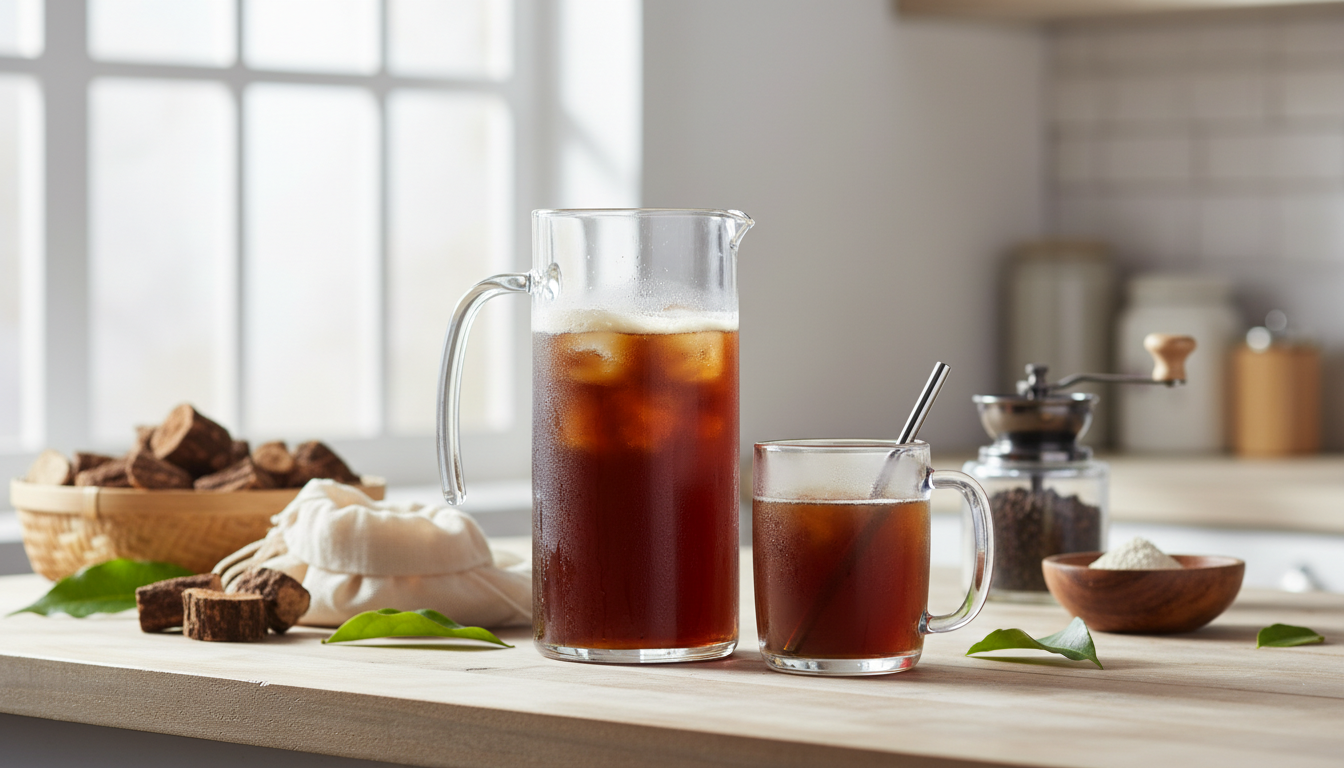
Modern kava bars and enthusiasts often prioritize ceremonial technique and aim for a consistent mouthfeel that respects these Pacific preparation norms. While contemporary methods might introduce innovations, the core principles of proper extraction remain vital. The objective is to create a beverage that honors its roots while being accessible to a broader audience.
The communal intention behind kava consumption is also deeply intertwined with its preparation. The act of preparing kava together, or sharing a freshly prepared shell, reinforces the social bonds that are central to kava culture. This shared experience transforms the simple act of drinking into a meaningful ritual.
Kava Bars: Modern Nakamals and Community Hubs
In the United States and other Western countries, modern kava bars draw direct inspiration from the traditional nakamal. These establishments serve as contemporary community spaces, offering a non-alcoholic alternative for social gatherings and relaxation. They aim to recreate the communal atmosphere of Pacific Island kava houses, providing a 'third place' where people can connect and unwind.
The emergence of kava bars reflects a growing interest in natural wellness alternatives and a desire for authentic social experiences. For instance, in Salt Lake City, as of August 2026, there are verified kava operators like Kai Po Polynesian Restaurant & Kava Lounge and Bonfiyah & Co., demonstrating the plant's expanding presence.
These modern kava bars frequently emphasize:
- Authenticity: Sourcing noble kava and adhering to traditional preparation methods.
- Community: Fostering a welcoming environment for social interaction and shared experiences.
- Education: Informing patrons about kava's origins, benefits, and cultural significance.
The communal aspect is particularly important. Just as in traditional Pacific ceremonies, sharing kava in a modern bar setting encourages conversation, reflection, and the formation of new connections. This makes kava bars more than just places to drink; they are centers for cultural exchange and community building.
Kava and Wellness: A Bridge Between Worlds
Kava stands at the intersection of ancient cultural ceremony and modern wellness trends. For centuries, its role in communal rituals has been to unify and encourage reflection. Today, its properties are being explored within the broader context of natural wellness, with companies like Kamello incorporating noble kava as a foundational ingredient, pairing it with other botanicals.
The dual legacy of efficacy and safety, particularly with noble varieties, makes kava an appealing option for those seeking natural ways to relax and de-stress. As interest in holistic health grows, kava offers a unique pathway to well-being that is steeped in tradition and supported by a growing body of understanding.
The journey of kava, from the ancient ceremonies of the Pacific to the vibrant kava bars of today, is a testament to its enduring power and cultural significance. By understanding and respecting its origins, preparation, and the importance of noble varieties, we can truly appreciate kava as a bridge between worlds - a plant that continues to foster community and promote wellness across generations.