Kava's Ancient Origins and Cultural Significance
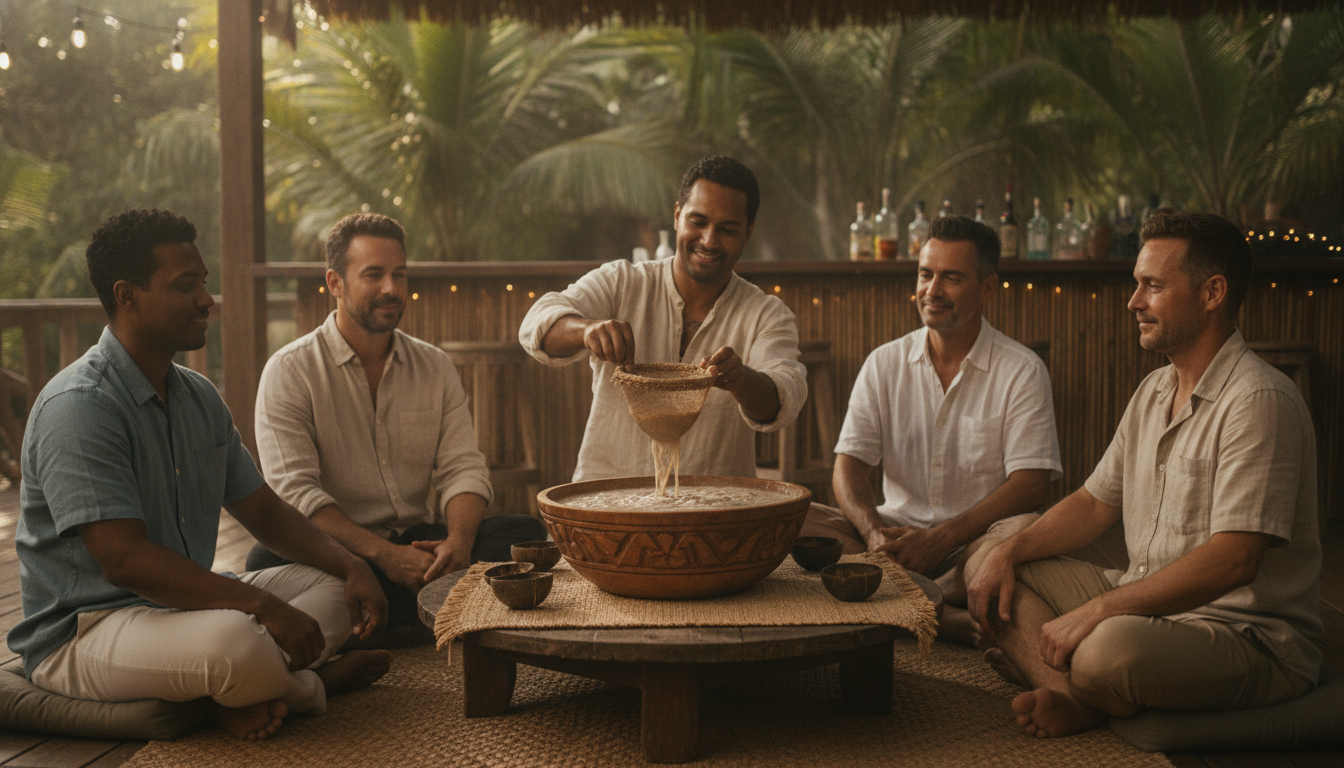
Kava, derived from the root of the Piper methysticum plant, possesses a rich history deeply embedded in the cultures of the Pacific Islands. More than just a drink, kava has historically served as a cornerstone of social and ceremonial life, fostering community bonds and encouraging introspection. Its spread across the Pacific is a testament to ancient maritime migrations, with Vanuatu, a leading kava-producing nation, playing a pivotal role in its cultural dissemination. Historical connections, such as the Kahiki-Tahiti link, illustrate how kava traditions evolved while maintaining their core essence across diverse island nations.
For centuries, Pacific Islanders have honored kava as a beverage that unifies and calms. It is traditionally shared in communal rituals designed to solidify relationships and promote harmony. This long-standing reputation for both effectiveness and safety, particularly when noble varieties are used, has increasingly positioned kava as a foundation for wellness, bridging ancient wisdom with contemporary health interests.
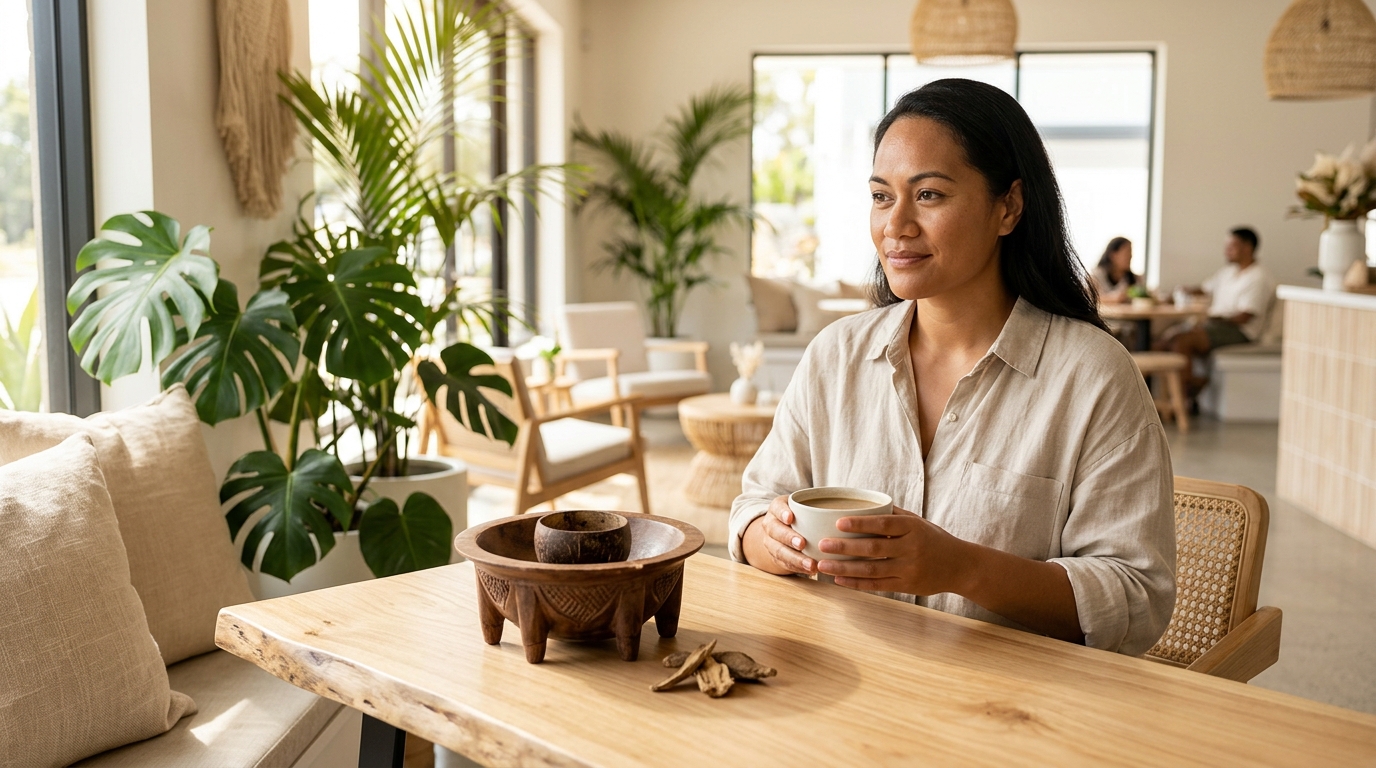
In the modern era, kava bars in places like the United States draw direct inspiration from the nakamal, the traditional kava-drinking houses found throughout Vanuatu and other Pacific Islands. These establishments aim to cultivate an atmosphere that respects the deep cultural roots of kava, offering a distinctive social experience that contrasts with conventional bars.
Understanding Noble Kava: A Mark of Quality
The term “noble” is fundamental to understanding kava quality and safety. Noble kava refers specifically to cultivars of the kava plant that have been traditionally selected for ceremonial and social consumption due to their desirable properties and favorable safety profile. Research, including a review by the World Health Organization, has indicated that preparations made from noble varieties present minimal risk when consumed appropriately. This distinction is vital for both traditional users and modern consumers seeking an authentic and safe experience.
For individuals seeking a genuine kava experience, verifying that a product is “noble” is a primary concern. Reputable suppliers typically emphasize their use of noble cultivars, such as Borogu or Borongoru, and provide transparent details about their sourcing from established farms. Indicators of a reliable product can include third-party testing or affiliation with recognized organizations like the Kava Society. This commitment to quality ensures that consumers receive a product consistent with traditional standards of safety and efficacy.
The emphasis on noble kava extends beyond mere marketing; it reflects a profound respect for the plant’s heritage and the well-being of its consumers. It underscores the centuries of accumulated knowledge from Pacific Islanders regarding the most suitable varieties for consumption.
Traditional Preparation: Crafting the Kava Experience
The Pacific Island approach to kava is founded on three essential elements: quality plant material, meticulous extraction, and shared intention. Contemporary kava culture is increasingly recognizing and integrating these components, understanding their crucial role in an authentic kava experience.
Quality Plant Material
As previously noted, the use of noble kava varieties is paramount. These cultivars are chosen not only for their desired effects but also for their historical significance and safety. Sourcing from regions with a rich history of kava cultivation, such as Vanuatu, helps guarantee the authenticity and quality of the raw material.
Proper Extraction Techniques
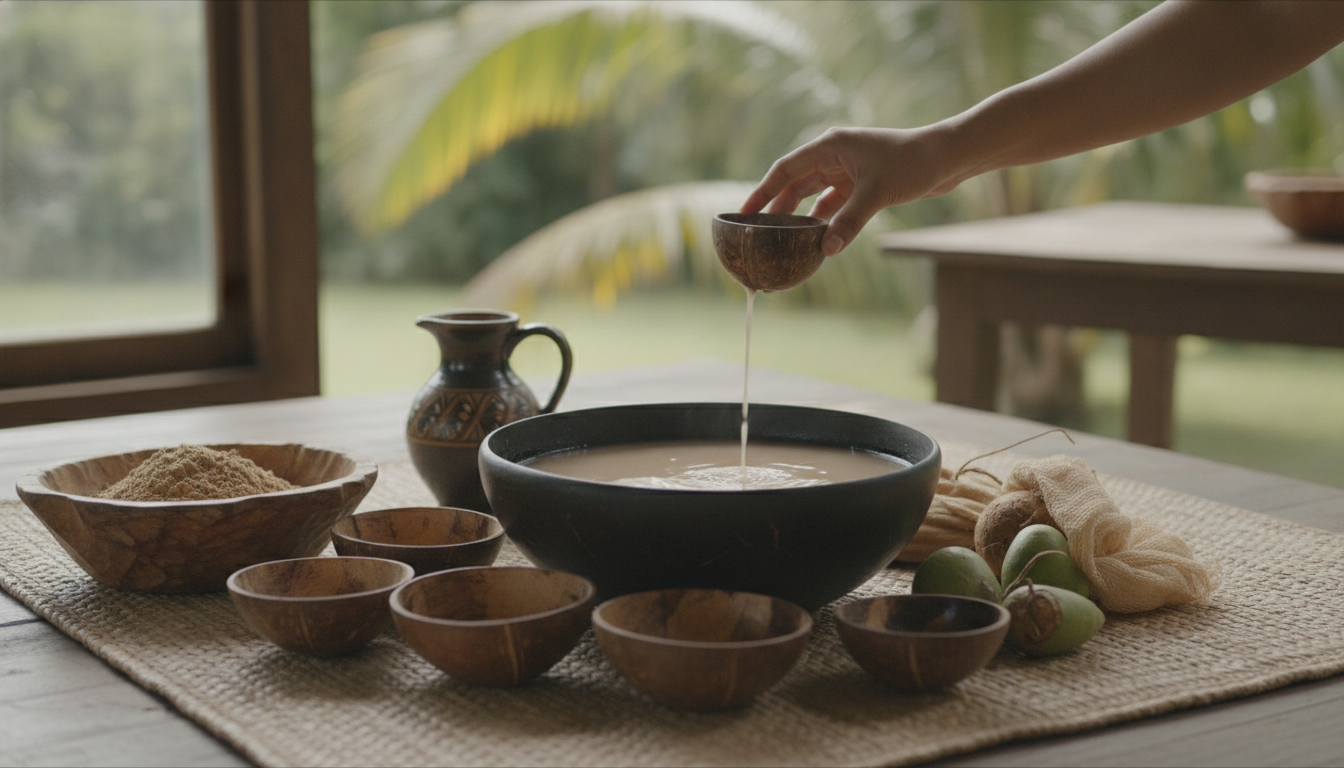
Traditional kava preparation involves a precise process designed to efficiently extract kavalactones, the plant’s active compounds. Key steps include:
- Root Preparation: Dried kava root is first ground into a fine powder or pounded into a pulp.
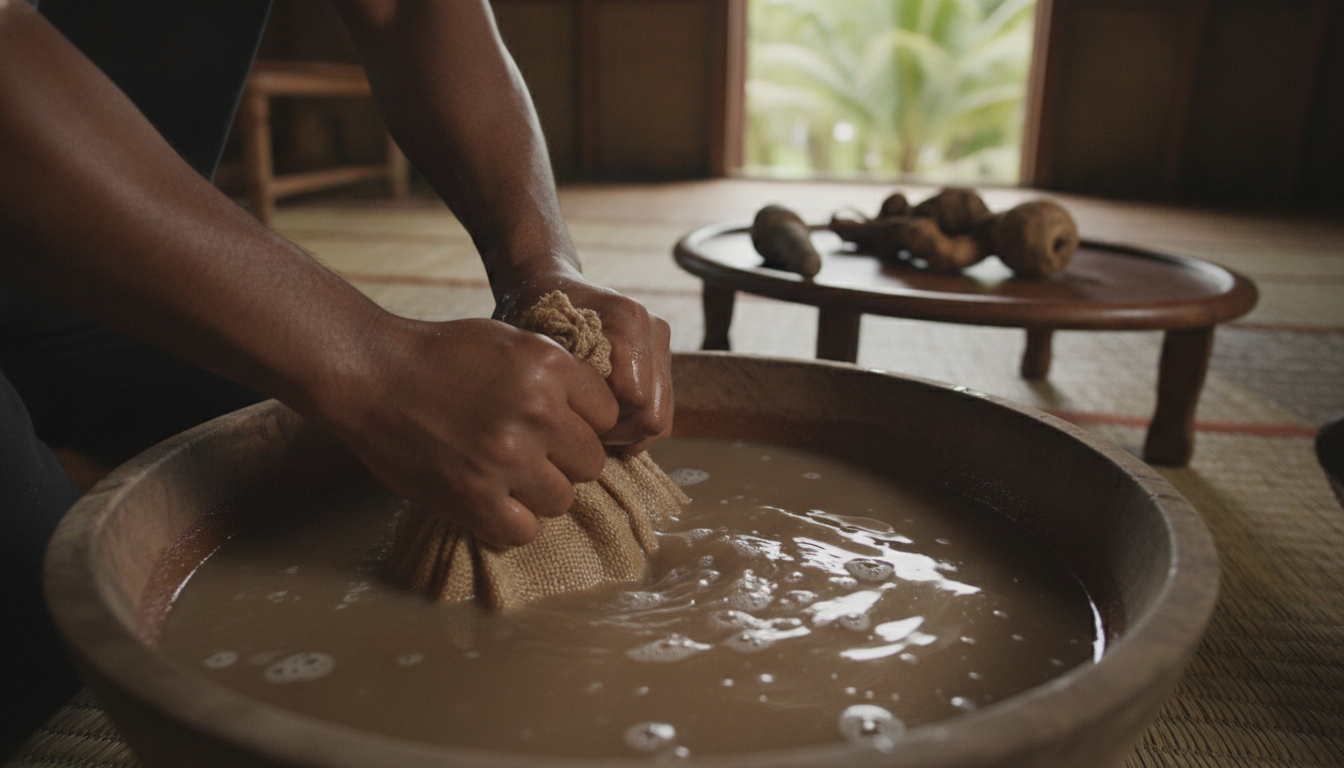
- Mixing Medium: The prepared kava material is then placed into a porous cloth or strainer bag.
- Hydration and Agitation: Cold water is added, and the kava is kneaded and squeezed repeatedly. This physical action facilitates the release of kavalactones into the water, producing a characteristic milky, earthy beverage.
- Filtration: The liquid is then strained to remove any fibrous plant matter, yielding the final kava drink.
This method ensures optimal potency and a smooth texture, honoring the time-honored techniques passed down through generations. While modern kava bars may utilize mechanical mixers, the fundamental principle of effective extraction remains consistent, aiming to replicate the quality achieved through traditional hand-kneading.
Communal Intention
Beyond the physical preparation, the communal intention surrounding kava consumption is equally significant. Kava is inherently a social drink, intended to be shared in a respectful and contemplative setting. This aspect is what many modern kava bars strive to cultivate, offering an environment distinct from typical bars – a place where the atmosphere honors its cultural origins and fosters genuine connection among patrons.
Kava in Modern Wellness: A Bridge to Connection
Today, kava stands at the intersection of ancient cultural practices and modern wellness trends. Its capacity to induce relaxation and a sense of well-being without alcohol has made it an appealing choice for those seeking alternative social and health-conscious experiences. The proliferation of kava bars across the United States, including verified establishments like Kai Po Polynesian Restaurant & Kava Lounge in Salt Lake City, underscores this growing interest.
For many, particularly individuals with Pacific Island heritage or those familiar with Polynesian communities, the search for a kava bar is driven by a desire for authenticity: a place where the drink is prepared correctly, the ambiance respects its roots, and noble kava is the established standard. This demand encourages the industry to uphold greater authenticity and adhere to traditional practices.
The “wellness” dimension of kava extends beyond simple relaxation. It encompasses the creation of spaces for community building, personal reflection, and mindful consumption. In a world often characterized by rapid change and digital isolation, kava offers a tangible link to ancient practices that prioritize human interaction and a more deliberate pace of life. As kava continues to grow in popularity, its enduring role as a unifying beverage, grounded in quality plant material, proper extraction, and communal intention, remains its most compelling attribute.
By understanding and respecting the Pacific traditions that underpin kava, consumers and kava bar operators can collectively ensure that this ancient beverage continues to fulfill its purpose as a bridge between cultures, a catalyst for community, and a pathway to holistic well-being.