The Roots of Kava: A Pacific Legacy
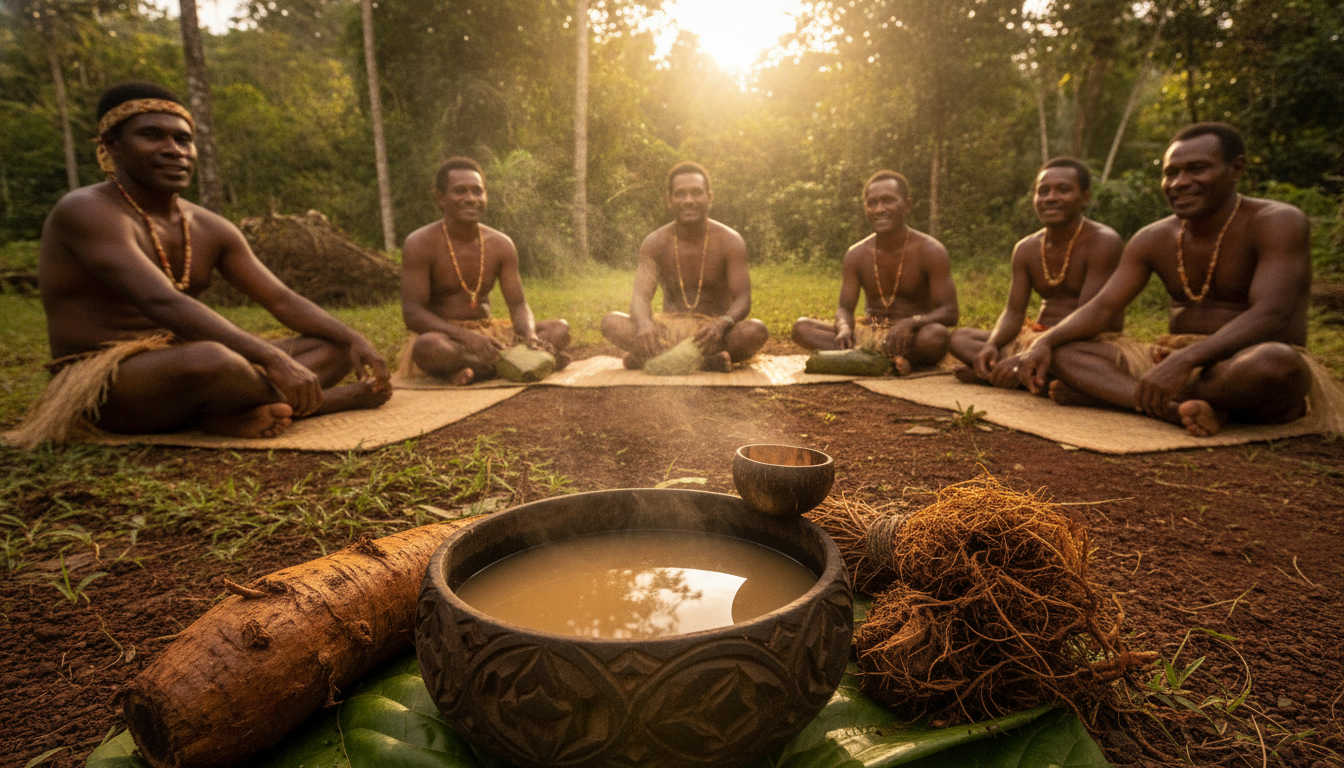
Kava, derived from the root of the Piper methysticum plant, holds a profound place in the cultural fabric of Pacific Island communities. For centuries, it has been more than just a beverage; it has been a cornerstone of social ritual, communal bonding, and spiritual practice. The tradition surrounding kava is built upon three fundamental principles: the use of quality plant material, meticulous extraction methods, and a shared communal intention. These elements combine to create an experience that transcends mere consumption, fostering an environment of reflection, connection, and well-being.
In its traditional context, kava ceremonies are intricate affairs, rich with protocol and cultural significance. These ceremonies are not merely about drinking kava; they are about reinforcing social structures, resolving disputes, welcoming guests, and marking important life events. The preparation itself is a ritual, often involving the careful pounding or grinding of kava roots, followed by straining with water to produce the earthy, distinctive beverage. This process, passed down through generations, ensures that the kava retains its potency and that the spirit of the tradition is honored.
The plant material itself is crucial. Pacific Islanders have long understood the importance of using noble kava varieties. These cultivars are recognized for their desirable chemical profiles, offering the traditional kava experience with minimal risk when prepared appropriately. The distinction between noble and non-noble kava is vital, as it speaks to both the historical integrity of the plant's use and its safety profile. Reputable kava suppliers and bars today prioritize sourcing authentic noble kava, often highlighting specific cultivars like Borogu or Borongoru and detailing their origins from established farms. This commitment to quality plant material is a direct continuation of ancient practices, ensuring that modern consumers can experience kava as it was intended.
Kava Bars: Modern Nakamals and Cultural Ambassadors
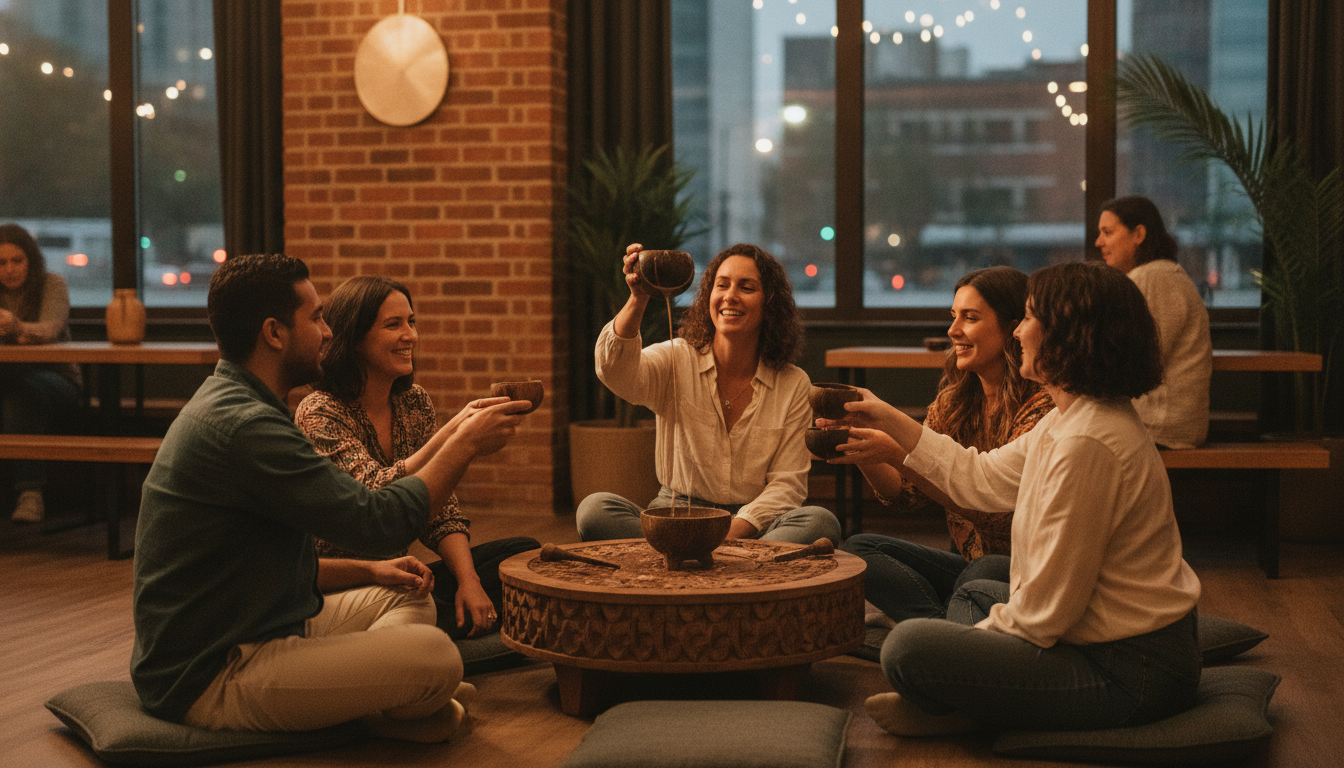
In the contemporary world, kava bars have emerged as vital spaces that bridge the gap between these ancient practices and modern social settings. These establishments are more than just places to consume a beverage; they are designed to foster an environment reminiscent of the traditional nakamal, the communal gathering place in Pacific Island cultures where kava is traditionally shared. By creating a relaxed, communal atmosphere, kava bars offer an alternative to conventional socializing, emphasizing holistic wellness and mindful interaction.
Modern kava bars play a crucial role as cultural ambassadors. They educate newcomers about proper kava etiquette, traditional preparation methods, and the ceremonial significance that elevates kava beyond a simple drink. This educational aspect is essential for preserving important cultural knowledge that might otherwise be lost amidst the pressures of modernization. Through their dedication to authentic practices and noble kava varieties, these establishments help maintain a tangible link to the plant's deep cultural roots.
The experience within a kava bar is intentionally designed to encourage connection. Patrons often gather in comfortable settings, engaging in conversation and sharing the kava experience in a way that mirrors the communal rituals of the Pacific. This emphasis on shared intention and social interaction reflects the core principles of traditional kava use, where the act of drinking kava together strengthens bonds and promotes a sense of unity. For many, kava bars provide a much-needed space for alternative socializing, offering a calm and introspective environment distinct from alcohol-centric venues.
The Art of Kava Preparation: Honoring Tradition
Proper kava preparation is an art form, deeply rooted in tradition and essential for unlocking the plant's full potential. The traditional method involves several key steps, each contributing to the quality and efficacy of the final beverage.
- Sourcing Noble Kava: The first and most critical step is to begin with high-quality, noble kava root. As mentioned, noble varieties are preferred for their balanced effects and historical safety profile. Consumers should look for reputable companies that clearly state their sourcing and often provide third-party testing information or membership in organizations like the Kava Society as indicators of reliability.
- Grinding or Pounding: Traditionally, dried kava roots are pounded or ground into a fine powder. This process breaks down the root material, making it easier to extract the active compounds, known as kavalactones.
- Kneading and Straining: The kava powder is then placed into a porous cloth, often a kava straining bag, and submerged in water. The mixture is kneaded vigorously for several minutes. This kneading action is crucial, as it mechanically extracts the kavalactones into the water. The water should ideally be cool or room temperature, as hot water can degrade the kavalactones and alter the kava's effects.
- Serving: Once adequately kneaded, the liquid is strained to remove the fibrous root material, leaving behind a murky, earthy-smelling beverage. It is traditionally served in a half coconut shell, known as an ipu or bilo, and consumed relatively quickly.
While modern kava bars may employ more efficient methods, the underlying principles of proper extraction and respect for the plant remain paramount. The goal is always to produce a kava drink that honors the traditional methods while providing a consistent and enjoyable experience for patrons. This dedication to preparation ensures that the wellness benefits associated with kava are fully realized.
Kava and Wellness: A Holistic Approach
Kava stands at the crossroads of ancient cultural ceremony and modern wellness trends. For centuries, Pacific Islanders have revered it as a unifying beverage, sharing shells in communal rituals that solidify bonds and encourage reflection. This dual legacy of efficacy and safety, particularly with noble varieties, is what draws many to kava as a foundation for holistic wellness.
The wellness aspect of kava extends beyond its individual effects. It encompasses the entire experience: the communal intention, the mindful preparation, and the relaxed atmosphere it fosters. In a world increasingly seeking alternatives to alcohol and other stimulants, kava offers a unique path to unwind, socialize, and connect with others in a calm and centered manner. The minimal risk associated with appropriately used noble kava preparations, as concluded by reviews of evidence, further supports its role in a holistic wellness regimen.
For those exploring kava, understanding its deep cultural roots is key to appreciating its full value. It's not just about the beverage itself, but about the traditions, the community, and the intention behind its use. Whether experienced in a traditional Pacific Island ceremony or a modern kava bar, kava offers a powerful connection to a rich heritage and a pathway to contemporary well-being. As the world continues to embrace natural and holistic approaches to health, kava's enduring appeal as a bridge between ancient wisdom and modern wellness is set to grow.
The journey with kava is one of discovery - discovery of a plant with profound cultural significance, discovery of new ways to socialize and relax, and ultimately, discovery of a deeper connection to oneself and one's community. By embracing the principles of quality plant material, proper extraction, and communal intention, both traditional practitioners and modern kava enthusiasts can continue to honor and benefit from this remarkable Pacific tradition.