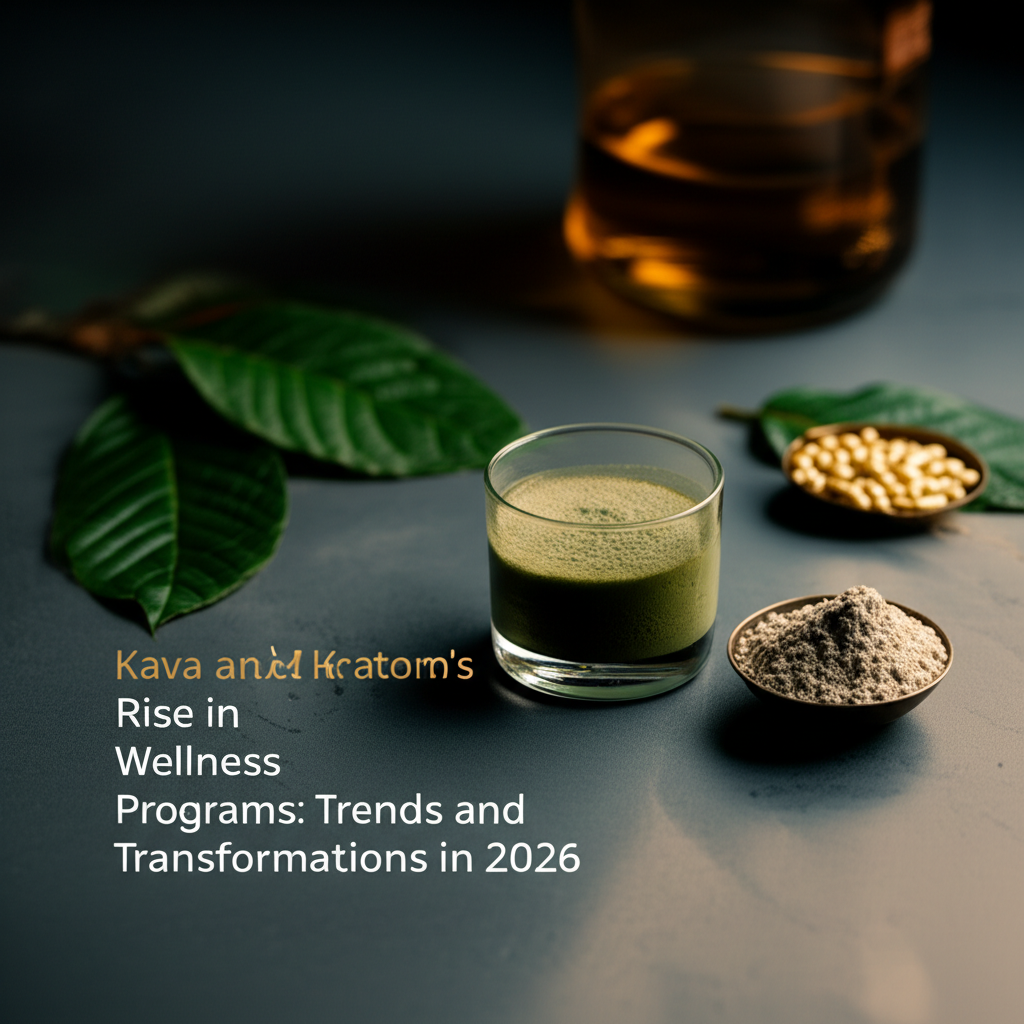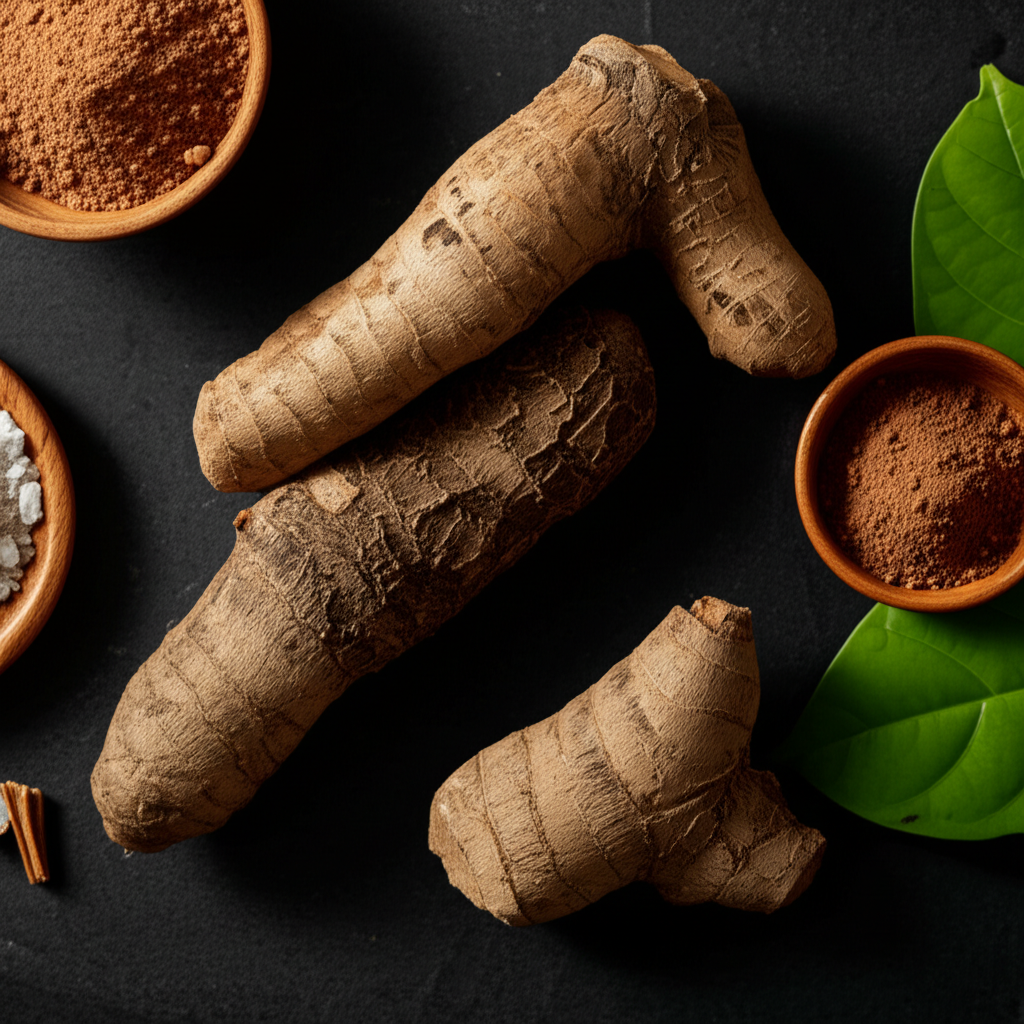
In the fast-paced world of 2026, where environmental consciousness and health awareness go hand in hand, kava has emerged as a beacon of sustainable wellness. Originating from the South Pacific islands, this ancient root has evolved into a modern elixir, blending traditional practices with eco-friendly innovations to promote relaxation and well-being without harming the planet. As we dive into the latest trends, we'll explore how kava is not just a drink, but a movement towards greener living, supported by new studies, bar expansions, and parallels in the kratom industry.
The Roots of Kava: A Sustainable Heritage
Kava, derived from the Piper methysticum plant, has been a staple in Pacific Island cultures for centuries, used in social and ceremonial contexts. What makes kava particularly noteworthy in 2026 is its commitment to sustainability. Farmers in Fiji, Vanuatu, and Tonga are now employing regenerative agriculture techniques, such as crop rotation and organic farming, to preserve soil health and biodiversity. This shift is crucial as climate change threatens traditional growing regions, and new certifications ensure that kava products meet stringent eco-standards.
According to recent reports from environmental organizations, kava production has reduced its carbon footprint by 30% over the past five years through these practices. Consumers are increasingly drawn to brands that prioritize fair trade and ethical sourcing, making kava a poster child for eco-friendly herbal products. This resurgence isn't just about the plant itself; it's about fostering communities and ecosystems that can thrive alongside modern demands.
New Horizons: Kava Bar Openings and Community Impact
2026 has seen a wave of new kava bar openings, transforming urban landscapes into hubs of relaxation and sustainability. In cities like Los Angeles, Berlin, and Sydney, innovative venues are popping up, offering not only kava-based drinks but also educational sessions on environmental conservation. For instance, the recently launched 'Green Wave Kava Bar' in California sources its ingredients exclusively from certified sustainable farms, and profits go towards reforestation projects in the Pacific.
These bars are more than just places to unwind; they're community centers promoting eco-friendly lifestyles. Visitors can participate in workshops on making homemade kava infusions with reusable materials, reducing waste from single-use packaging. This trend highlights how kava bars are integrating local sustainability initiatives, such as zero-waste policies and partnerships with green energy providers, to appeal to the environmentally conscious consumer.
- Key features of new kava bars include organic sourcing and biodegradable serving ware.
- They often host events focused on mental health and eco-wellness, blending pleasure with purpose.
- Expansion into new markets, like Asia and Europe, is driven by demand for natural alternatives to alcohol.
Unlocking Kava's Benefits: Insights from Recent Studies
Scientific research in 2026 has shed new light on kava's health benefits, particularly its role in stress reduction and cognitive enhancement, all while maintaining an eco-friendly profile. A landmark study published in the Journal of Herbal Medicine earlier this year analyzed over 500 participants and found that regular kava consumption can lower anxiety levels by up to 40% without the side effects associated with synthetic medications. This is attributed to kava's active compounds, kavalactones, which promote relaxation through natural GABA receptor interactions.
Moreover, emerging research is exploring kava's potential in supporting immune health and sustainable living practices. One study from the University of Hawaii linked kava intake with improved sleep quality, which in turn reduces the need for energy-intensive sleep aids. These findings are timely, as global wellness trends emphasize products that are both effective and environmentally responsible, positioning kava as a key player in the natural remedies market.
- Studies indicate kava's anti-inflammatory properties could aid in managing chronic conditions sustainably.
- Long-term benefits include enhanced focus and mood stability, making it ideal for high-stress professions.
- Researchers are now investigating how kava can be part of broader eco-wellness strategies, like reducing pharmaceutical waste.
The Kratom Industry: A Parallel Path to Sustainability
While kava takes center stage, the kratom industry is following a similar trajectory towards eco-friendly practices. Kratom, derived from the Mitragyna speciosa tree in Southeast Asia, has gained popularity for its pain-relieving and energy-boosting effects. In 2026, industry leaders are adopting sustainable harvesting methods, such as selective leaf picking, to prevent deforestation and support biodiversity in regions like Indonesia and Thailand.
This evolution is driven by consumer demand for transparency and ethical sourcing, with certifications like Fair Trade Kratom becoming standard. The parallels between kava and kratom highlight a broader shift in the herbal sector, where sustainability is no longer optional but essential. As regulations tighten globally, companies are innovating with biodegradable packaging and carbon-neutral shipping, ensuring that these natural products contribute positively to the environment.
- Kratom farms are implementing agroforestry, integrating trees to maintain ecosystem balance.
- New partnerships between kratom producers and environmental NGOs are funding conservation efforts.
- The industry's growth is fostering economic opportunities for local communities, promoting social sustainability.
Future Trends: Kava's Role in a Greener Tomorrow
Looking ahead, kava is poised to influence future wellness trends by integrating technology and sustainability. Innovations like app-based kava delivery services that track carbon emissions are making it easier for consumers to choose eco-friendly options. By February 2026, projections suggest that the global kava market will grow by 25%, driven by demand for products that align with United Nations Sustainable Development Goals.
As we embrace these changes, it's essential to consider the challenges, such as overharvesting and the need for more comprehensive regulations. Educating consumers about responsible consumption will be key to ensuring kava's long-term viability. Ultimately, kava represents a harmonious blend of tradition and innovation, offering a path to wellness that respects our planet.
In conclusion, the sustainable journey of kava in 2026 is a testament to how natural remedies can evolve to meet modern needs. From farm to cup, this herbal wonder is not just about personal health but about collective responsibility for the environment.