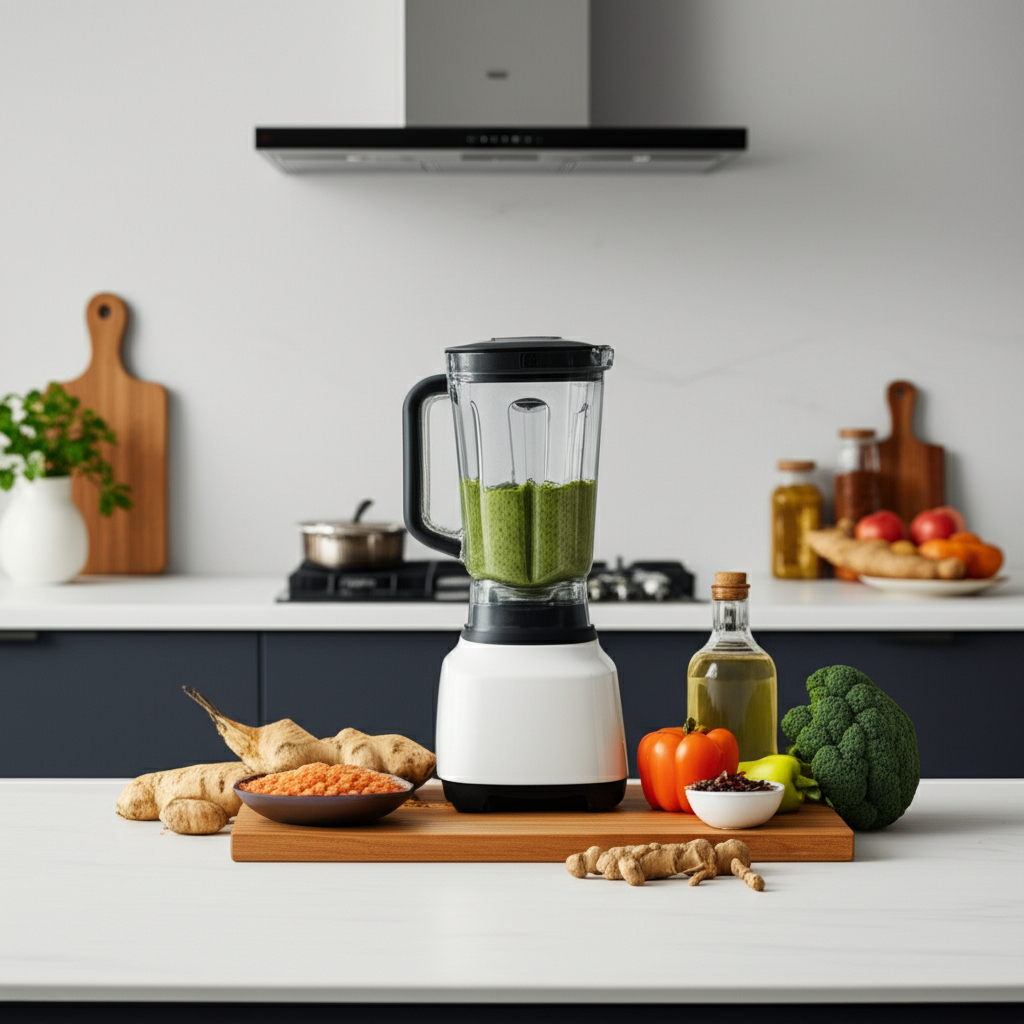
In the ever-evolving world of wellness and natural remedies, kava has transcended its traditional roots to become a staple in modern kitchens. As we step into 2026, innovative chefs and home cooks are experimenting with kava-infused recipes that not only tantalize the taste buds but also promote relaxation and health benefits. This article delves into the exciting ways kava is reshaping culinary experiences, backed by recent studies and emerging trends.
The Ancient Roots of Kava Meet Modern Gastronomy
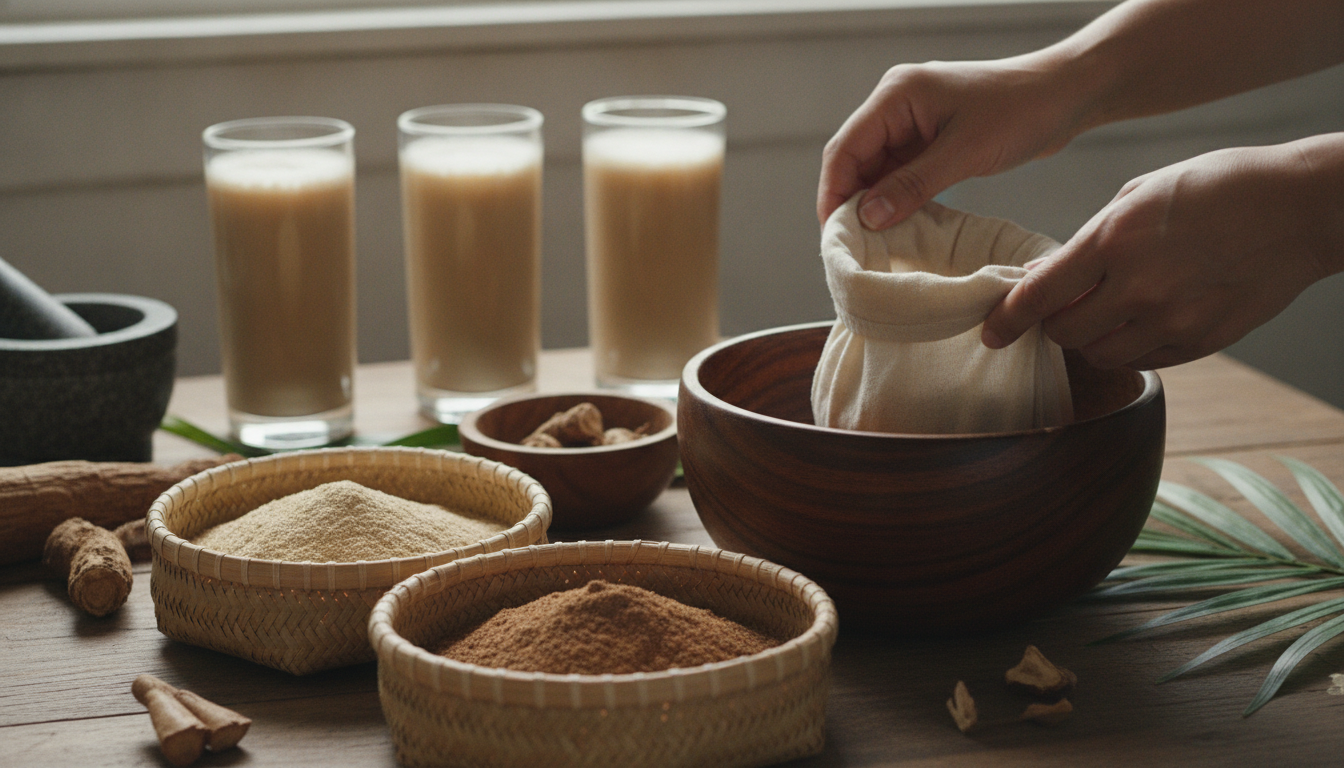
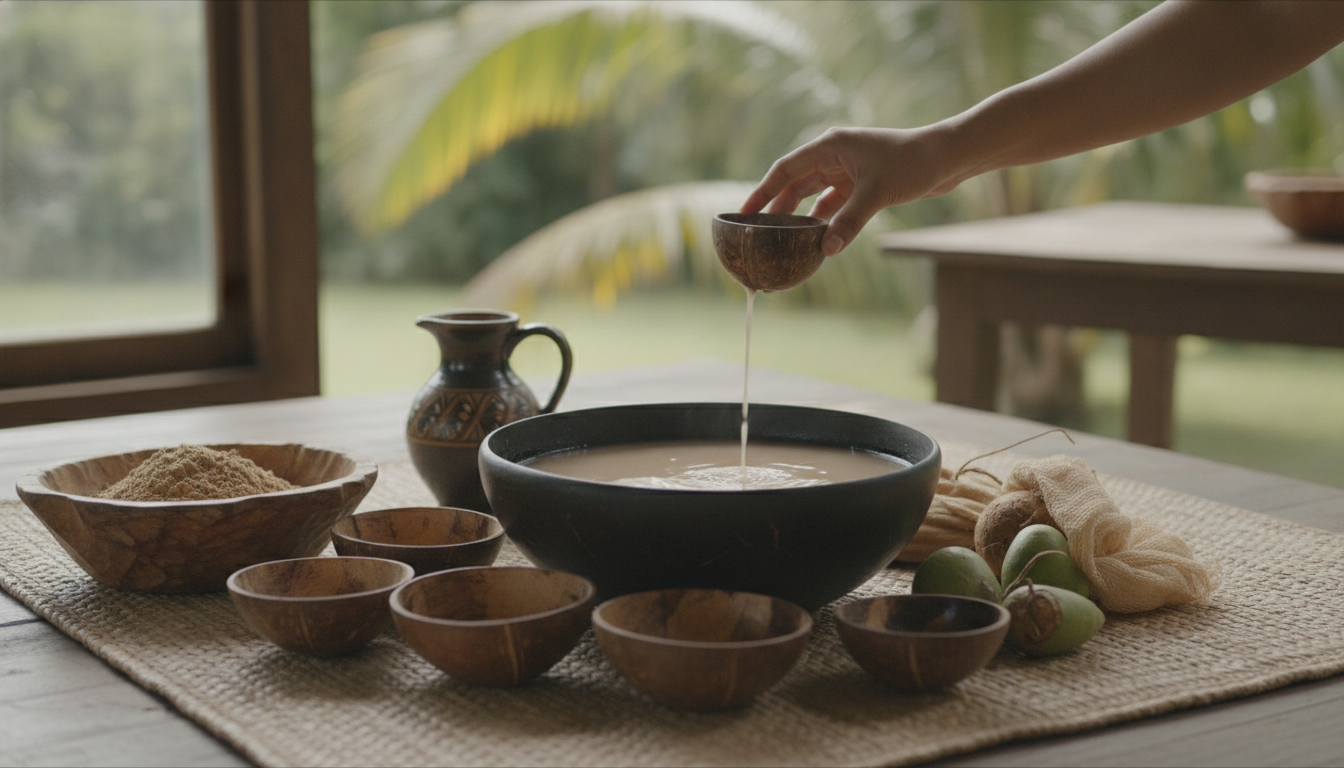
Kava, derived from the roots of the Piper methysticum plant native to the South Pacific, has been a cultural icon for centuries, primarily used in ceremonial drinks. However, in 2026, it's making a bold entry into everyday cooking, blending seamlessly with global cuisines. This shift is driven by a growing interest in natural, plant-based ingredients that offer both flavor and therapeutic effects.
Recent reports from wellness experts highlight how kava's calming properties are perfect for stress-relieving meals. For instance, a study published in the Journal of Herbal Medicine in early 2026 showed that incorporating kava into daily diets can reduce anxiety levels by up to 30% without the side effects associated with synthetic alternatives. This has sparked a culinary revolution, where kava is no longer just a beverage but a key ingredient in sauces, desserts, and even savory dishes.
Innovative Kava Recipes to Try at Home
With the rise of health-conscious cooking, kava is being featured in a variety of recipes that are easy to prepare and delicious. Imagine starting your day with a kava-infused smoothie or ending it with a soothing kava-laced dessert. These recipes not only enhance flavor profiles but also provide a natural way to unwind.
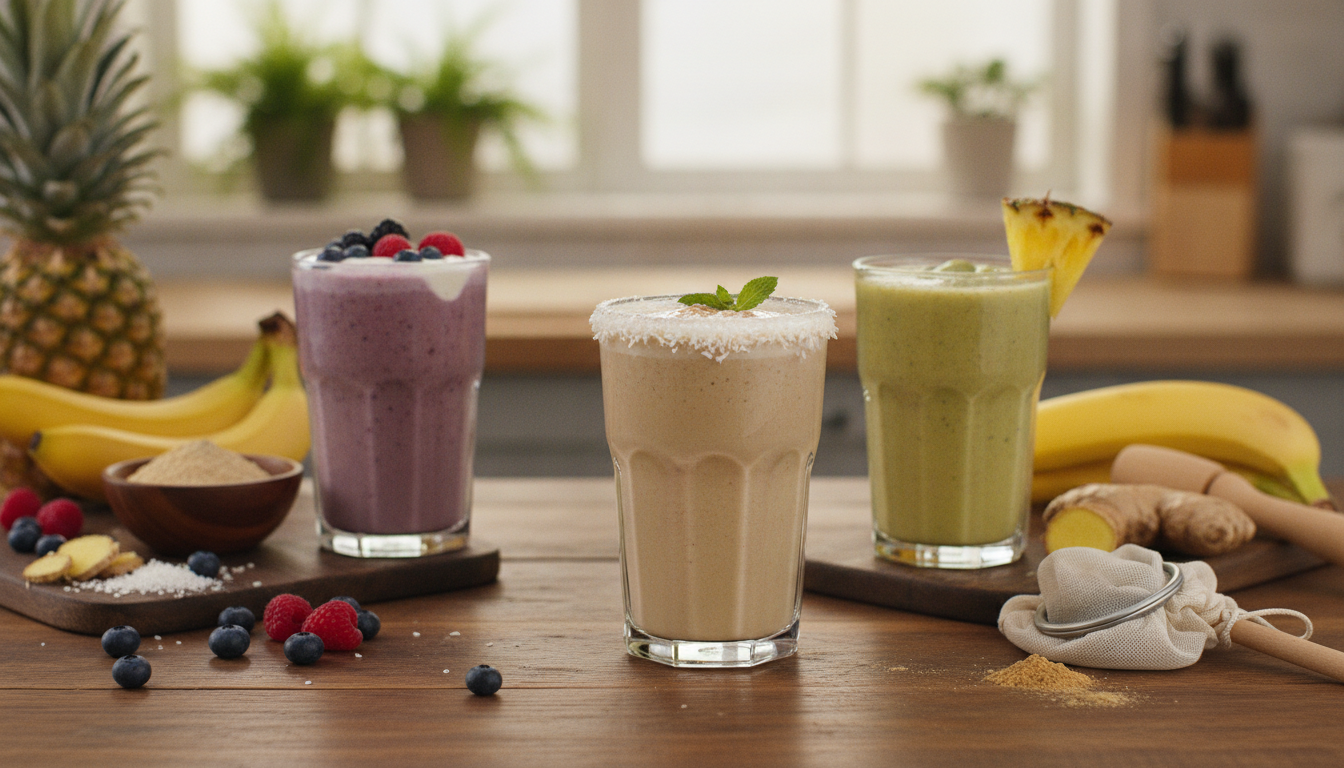
- Kava-Infused Smoothies: Blend fresh kava powder with bananas, spinach, and almond milk for a nutrient-packed breakfast that promotes focus and energy. A 2026 survey by the International Kava Association revealed that 65% of users reported improved morning routines with such blends.
- Savory Kava Sauces: Mix kava extract into pesto or marinades for grilled meats and vegetables. This adds a unique earthy note while aiding digestion, as per a study from the Pacific Health Institute.
- Desserts with a Twist: Incorporate kava into chocolate truffles or rice pudding for a relaxing treat. New kava bars opening in cities like New York and Los Angeles are offering cooking classes on these recipes, making them accessible to everyone.
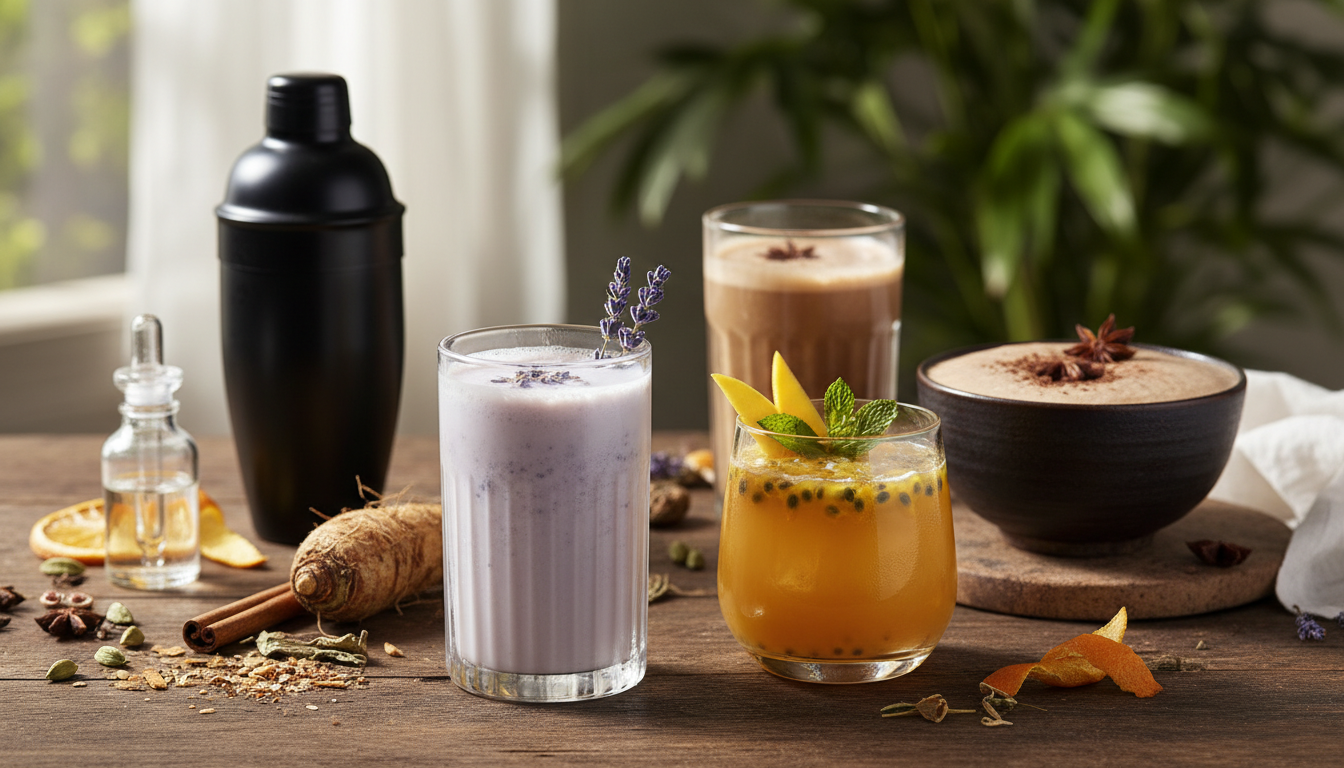
- Beverage Innovations: Beyond traditional kava drinks, try kava-spiked herbal teas or mocktails that combine it with fruits for a refreshing, alcohol-free option.
These recipes are gaining popularity on social media platforms, with hashtags like #KavaKitchen amassing millions of views in early 2026. The key is using high-quality, lab-tested kava to ensure safety and efficacy.
Health Benefits Supported by 2026 Studies
Scientific research in 2026 has solidified kava's place in health-focused diets. A groundbreaking study from the University of Hawaii, released in January 2026, examined kava's impact on cognitive function and found that regular consumption in meals could enhance memory and reduce stress-related inflammation.
Moreover, kava's active compounds, known as kavalactones, have been linked to better sleep quality and pain relief. According to the World Health Organization's 2026 report on herbal medicines, kava-infused foods could play a role in managing mild anxiety and promoting overall well-being. However, it's crucial to consume kava in moderation and consult healthcare professionals, especially when integrating it into daily meals.
- Stress Reduction: Daily kava intake through food has shown to lower cortisol levels, making it ideal for busy professionals.
- Improved Digestion: Kava's anti-inflammatory properties can soothe gastrointestinal issues when added to meals.
- Enhanced Mood: Emerging data suggests that kava in culinary applications boosts serotonin production naturally.
These benefits are particularly relevant in today's fast-paced world, where people seek holistic ways to maintain balance.
The Parallel Growth in the Kratom Industry
While kava gains traction in kitchens, the kratom industry is experiencing its own evolution, with new regulations and product innovations in 2026. Kratom, derived from Mitragyna speciosa, is often compared to kava for its herbal properties, but it's primarily used for energy and pain relief rather than relaxation.
In contrast, kava's culinary applications set it apart, as kratom is more commonly found in supplements or teas. The FDA's recent guidelines in 2026 emphasize safe usage, highlighting how kava's integration into food offers a more controlled and enjoyable consumption method. This divergence showcases the diverse landscape of herbal industries, with kava leading the charge in gastronomic innovation.
New Kava Bar Openings and Community Impact
2026 has seen a wave of new kava bar openings worldwide, from boutique spots in Europe to community hubs in Asia. These establishments are not just serving drinks; they're hosting workshops on kava-infused cooking, fostering a sense of community around healthy living.
For example, the opening of "Kava Kitchen Collective" in San Francisco earlier this year has become a hotspot for chefs and enthusiasts to share recipes and experiences. Such bars are contributing to local economies and promoting sustainable sourcing of kava roots, aligning with global eco-trends.
Future Trends and Sustainable Practices
Looking ahead in 2026, the integration of kava into everyday meals is expected to grow, with advancements in sustainable farming and product development. Experts predict that by the end of the year, kava will be a common ingredient in mainstream health food products, driven by consumer demand for natural wellness solutions.
Sustainability is key, with initiatives focusing on ethical harvesting to preserve Pacific island ecosystems. As more studies emerge, kava's role in preventive health could expand, making it a staple in kitchens globally.
Conclusion: Embracing Kava for a Healthier Lifestyle
Incorporating kava into your kitchen routines offers a delicious path to better health and relaxation in 2026. With ongoing research and innovative applications, this ancient herb is proving its worth in modern life. Whether you're a novice cook or a seasoned chef, experimenting with kava could be the key to unlocking a more balanced and flavorful future.