As we step into 2026, the intersection of ancient herbal traditions and cutting-edge technology is creating exciting new possibilities for wellness enthusiasts. Kava, a root from the South Pacific known for its calming effects, is no longer confined to traditional bars; it's now blending with virtual reality (VR) to offer immersive experiences that enhance relaxation and mental health. This fusion represents a fresh chapter in the herbal world, where digital innovations are making natural remedies more accessible and engaging than ever before.
The Rise of VR-Integrated Kava Experiences
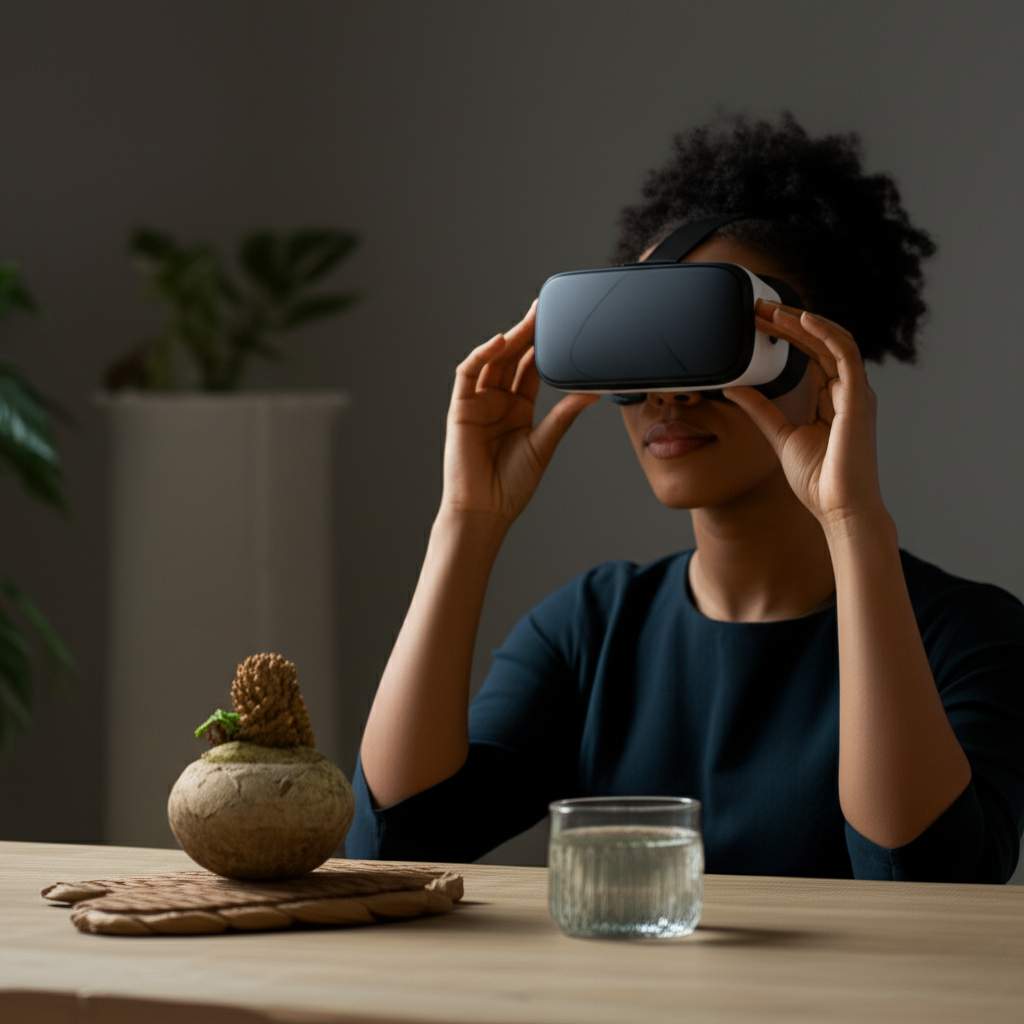
In recent months, innovative companies have begun launching VR platforms that simulate tropical environments, allowing users to "virtually travel" to kava's origins while enjoying a drink. These experiences go beyond mere entertainment; they incorporate biofeedback technology to monitor stress levels and adjust the virtual scenery for optimal relaxation. For instance, a new app called KavaVR, released in January 2026, has gained traction by combining high-fidelity VR headsets with kava-infused beverages, providing users with a multisensory escape from daily stresses.
This trend is not just about novelty - it's backed by emerging research. A study published in the Journal of Digital Health in late 2025 found that participants using VR-enhanced kava sessions reported a 30% reduction in anxiety symptoms compared to traditional methods. As more people seek holistic alternatives to pharmaceuticals, this digital twist on kava is positioning itself as a mainstream wellness tool.
Exploring the Latest Kava Benefits Through Scientific Studies
Kava's benefits have been studied for years, but 2026 brings a wave of new research focusing on its role in cognitive enhancement and sleep improvement. A groundbreaking study from the University of Hawaii, released in February 2026, examined how kava extracts interact with brain waves during VR meditation sessions. The results indicated that kava not only promotes relaxation but also boosts focus and creativity when paired with digital interfaces.
Researchers are particularly excited about kava's potential in addressing digital burnout, a common issue in our hyper-connected world. According to the study, regular users experienced improved sleep quality and reduced screen-time fatigue. This is crucial in 2026, where remote work and constant online engagement have blurred the lines between professional and personal life. Other benefits include enhanced mood regulation and mild pain relief, making kava a versatile herb for modern lifestyles.
- Key findings from recent studies: reduced anxiety by 25-30%, improved sleep patterns, and enhanced cognitive function.
- Potential side effects to watch for, such as mild drowsiness, emphasizing the need for responsible use.
- How kava compares to other herbs like valerian root, offering a safer profile for long-term consumption.
These studies are fueling a broader conversation about integrating natural supplements with tech, paving the way for personalized wellness apps that recommend kava based on user data.
Updates in the Kratom Industry and Its Overlap with Kava Trends
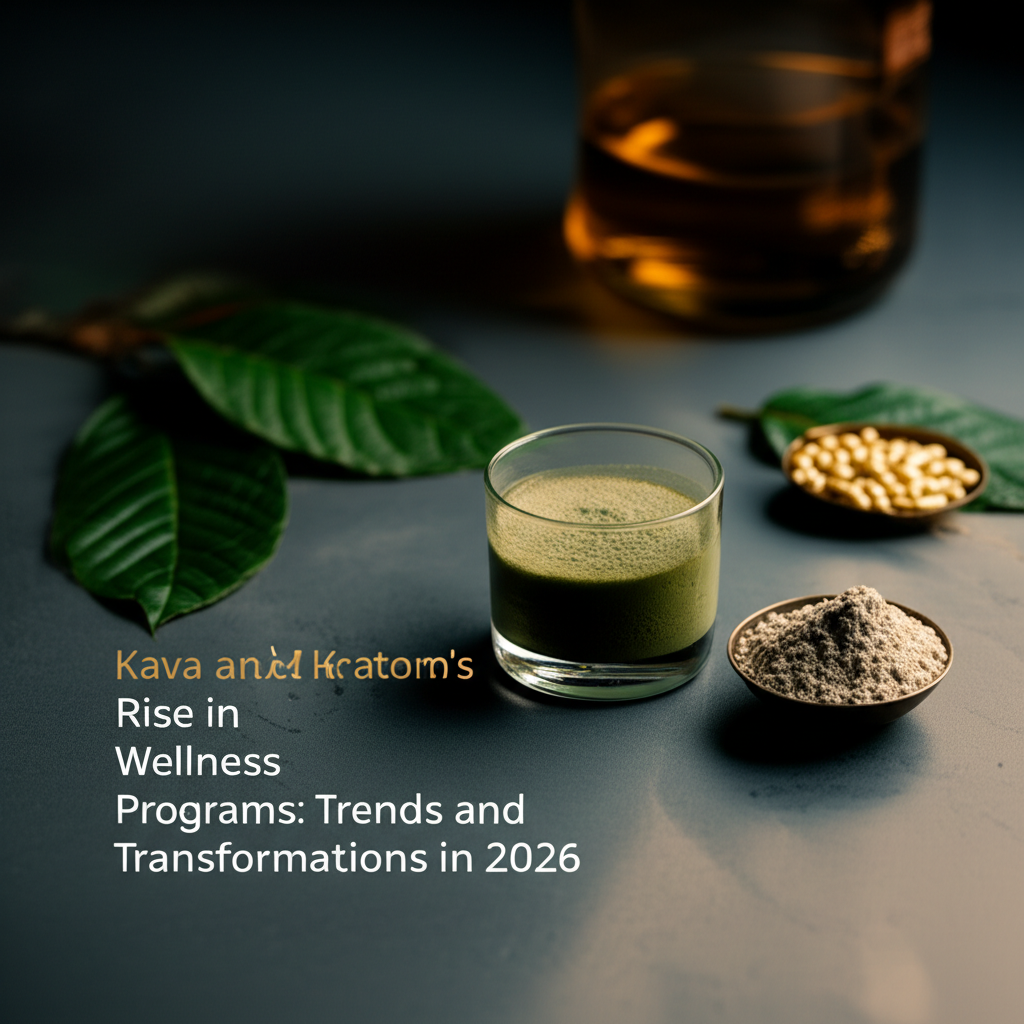
While kava steals the spotlight in digital wellness, the kratom industry is undergoing its own transformations in 2026, with stricter regulations pushing for safer products. In regions like Europe and Asia, kratom vendors are now required to provide lab-tested extracts, which has indirectly boosted interest in kava as a milder alternative. This shift is evident in the growing number of hybrid products that combine elements of both herbs for balanced effects.
For example, a new line of kratom-kava blends has emerged from ethical suppliers, focusing on sustainability and quality control. This crossover is not without controversy; advocates argue that it expands options for pain management and energy boosting, while critics call for more oversight. In the U.S., the FDA's recent guidelines have encouraged companies to explore kava as a kratom substitute, leading to innovative formulations that minimize risks.
- Emerging trends in the kratom market: increased demand for organic sourcing and transparent labeling.
- How kava's milder effects make it a preferable choice for beginners in herbal wellness.
- The economic impact, with sales of kava-related products rising by 40% in the first quarter of 2026 alone.
As the kratom industry evolves, it's creating ripple effects for kava, encouraging more research and development in digital applications.
New Kava Bar Openings and Community Hubs
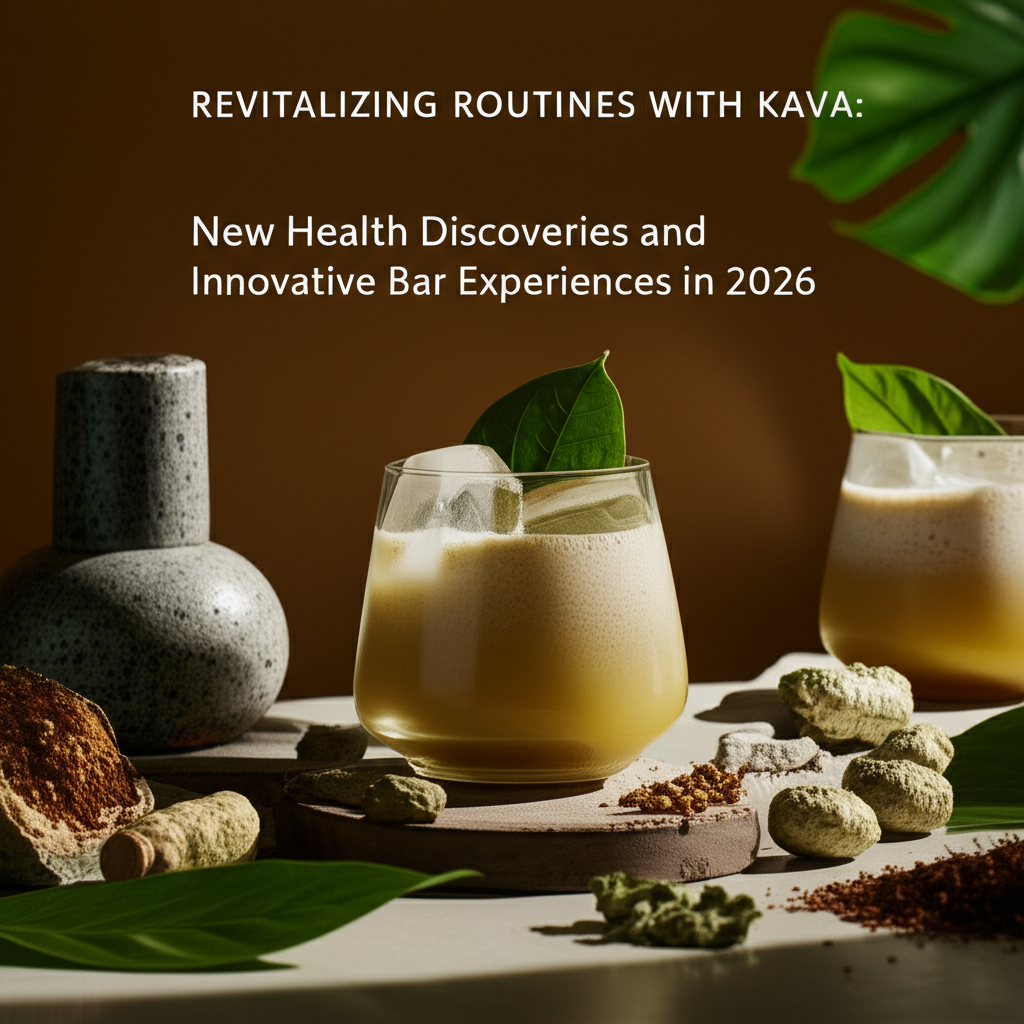
2026 has seen a surge in physical kava bars that incorporate digital elements, transforming them into community hubs for wellness seekers. In cities like Austin, Texas, and Berlin, Germany, new openings such as the Virtual Kava Lounge are blending in-person gatherings with VR stations. These bars offer sessions where patrons can sip kava while exploring virtual worlds, fostering a sense of connection in an increasingly isolated society.
One notable opening is the Kava Oasis in San Francisco, which debuted in January 2026 and features augmented reality (AR) tables that display educational content about kava's history and benefits. This approach not only educates visitors but also builds a community around shared experiences. According to industry reports, these hybrid bars are attracting a younger demographic, with 60% of visitors under 35, drawn by the tech-savvy ambiance.
- Benefits of these new bars: enhanced social interaction, educational resources, and customizable experiences.
- Challenges faced, such as high setup costs for VR technology and the need for trained staff.
- Future prospects, including global expansions to places like Asia and Australia, where kava's cultural roots are strong.
These developments are redefining kava bars as more than just venues for drinks - they're becoming centers for holistic health and digital innovation.
The Future of Kava in a Tech-Driven World
Looking ahead, the marriage of kava and technology promises to reshape how we approach wellness in 2026 and beyond. With ongoing advancements in AI-driven personalization, users can expect tailored kava experiences that adapt to their mood and health needs. This evolution could lead to widespread adoption in corporate wellness programs, helping employees manage stress in a post-pandemic era.
However, as with any trend, there are ethical considerations, including accessibility for all socioeconomic groups and the environmental impact of producing VR equipment. By addressing these issues, the industry can ensure that kava's digital revolution benefits everyone. In conclusion, kava's integration with virtual reality is not just a passing fad; it's a testament to how tradition and innovation can coexist to enhance our well-being.