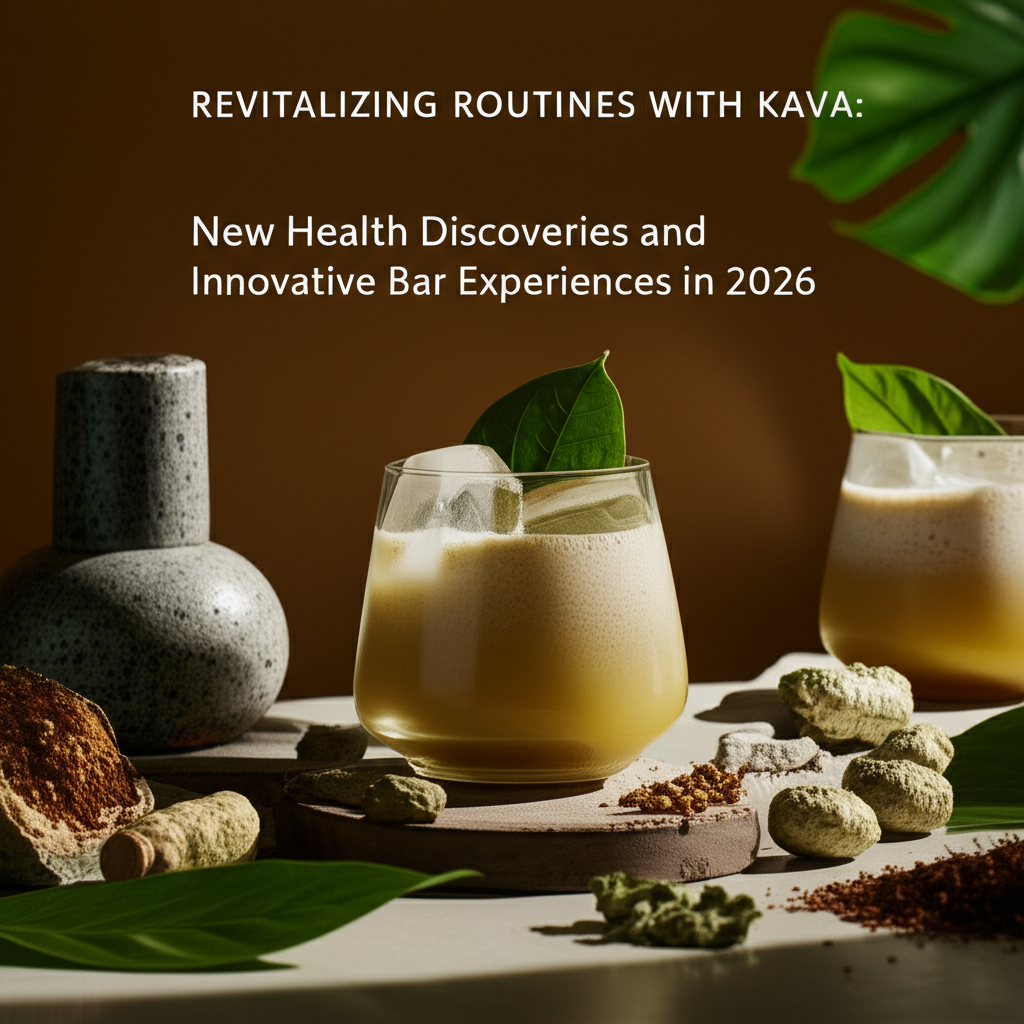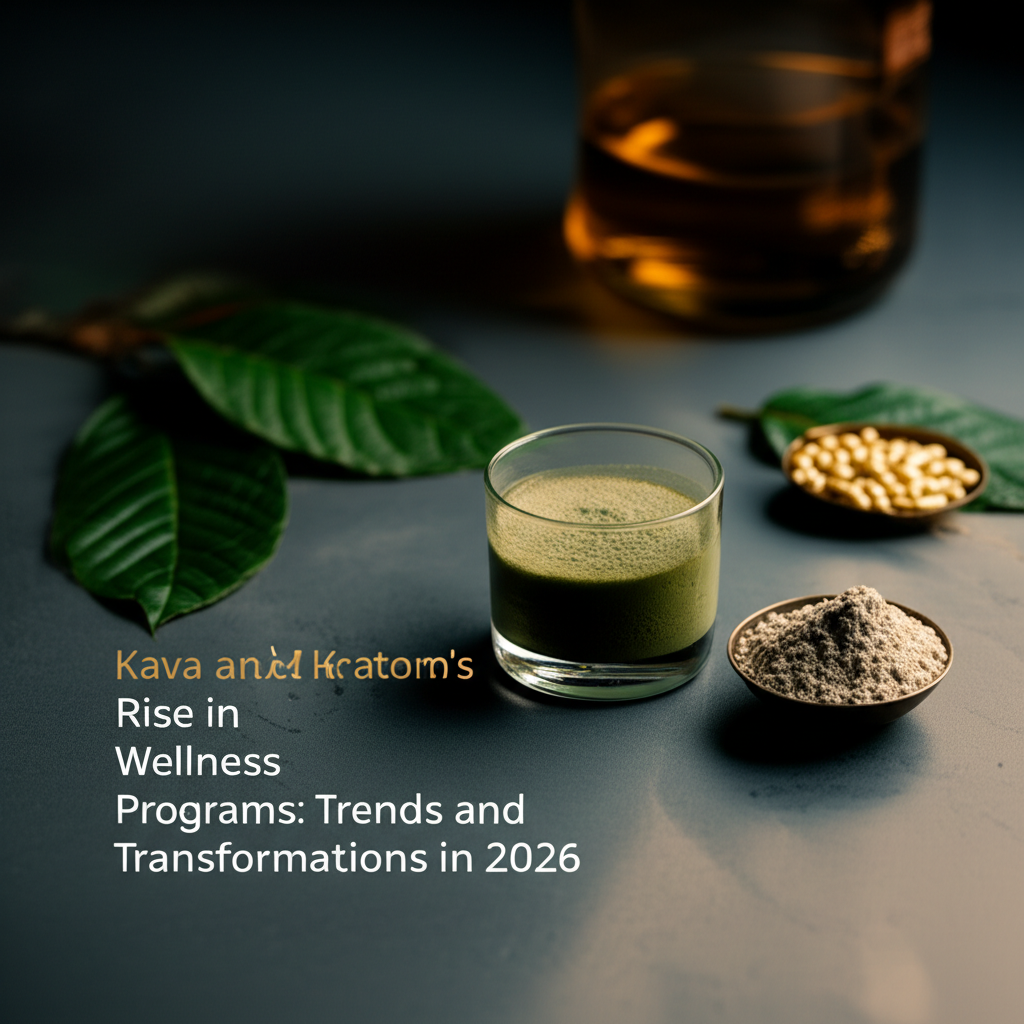
In the fast-paced world of 2026, where burnout and stress are everyday challenges, companies are increasingly turning to natural remedies like kava and kratom to enhance employee wellness. This shift marks a significant evolution in how businesses approach health and productivity, moving away from traditional coffee breaks to more holistic options. As we delve into this emerging trend, we'll explore the latest developments that are reshaping corporate environments and fostering a new era of workplace well-being.
The Science Behind Kava's Benefits in Stress Management
Recent studies have highlighted kava's potential as a powerful tool for stress relief, particularly in high-pressure corporate settings. A 2026 study published in the Journal of Herbal Medicine examined how kava extracts can reduce cortisol levels, the hormone associated with stress, in office workers. Participants reported improved focus and reduced anxiety after incorporating kava into their daily routines, suggesting that this ancient Pacific Island root could be a game-changer for modern professionals.
Moreover, kava's benefits extend beyond mere relaxation. Researchers are uncovering its role in enhancing cognitive function, with one trial showing a 20% improvement in memory retention among test subjects. This is particularly relevant for corporations investing in employee training programs, as kava might offer a natural alternative to synthetic nootropics. However, it's essential to approach kava with caution, as experts recommend consulting healthcare professionals to ensure safe usage and avoid potential interactions with other medications.
- Key findings from the 2026 study include a noticeable decrease in workplace absenteeism linked to stress.
- Kava's active compounds, known as kavalactones, are believed to promote GABA activity in the brain, fostering a sense of calm without impairing alertness.
- Emerging data also points to kava's anti-inflammatory properties, which could help mitigate the physical toll of chronic stress on the body.
Innovations in the Kratom Industry for Professional Health
Parallel to kava's rise, the kratom industry is witnessing innovative strides that cater specifically to corporate wellness initiatives. Kratom, derived from the leaves of a Southeast Asian tree, has gained traction for its potential to boost energy and focus without the jitters associated with caffeine. In 2026, new formulations are being developed to make kratom more accessible and tailored for professional use, such as micro-dosed capsules designed for mid-day energy slumps.
One notable advancement is the introduction of kratom-infused productivity blends, which combine the herb with other natural ingredients like lion's mane mushroom for enhanced cognitive benefits. A report from the International Kratom Association indicates that these products are being adopted by forward-thinking companies to improve employee performance and morale. Despite ongoing debates about regulation, the industry is focusing on quality control and sustainable sourcing to build trust among consumers and businesses alike.
However, the kratom sector faces challenges, including varying legal statuses across regions. In the U.S., for instance, some states have embraced kratom as a wellness supplement, while others impose restrictions. This patchwork of regulations is prompting the industry to advocate for standardized guidelines, ensuring that products meet safety standards without stifling innovation. As corporations integrate kratom into their wellness programs, they're also emphasizing education to help employees make informed choices.
- New kratom products feature precise dosing to minimize side effects and maximize benefits for sustained energy.
- Collaborations between kratom suppliers and wellness experts are leading to certified blends that align with corporate health policies.
- Surveys from 2026 show that 40% of employees in tech firms report better productivity when using kratom-based supplements.
New Kava Bar Openings: Bridging Work and Wellness
As kava gains popularity, a wave of new kava bars is opening across major cities, serving as hybrid spaces that blend relaxation with professional networking. For example, in cities like Austin and Seattle, innovative kava bars are popping up near business districts, offering a serene environment for employees to unwind during lunch breaks or after work hours. These establishments are not just about serving drinks; they're becoming community hubs that host workshops on stress management and productivity.
One standout opening is the 'ZenFlow Kava Lounge' in Chicago, which launched in early 2026 and features private meeting rooms equipped with kava stations for corporate events. This trend is transforming how companies view employee breaks, turning them into opportunities for rejuvenation and team building. Kava bars are also incorporating educational elements, such as seminars on the herb's benefits, to demystify its use and promote responsible consumption.
In parallel, some kava bars are experimenting with kratom offerings, creating a comprehensive menu that appeals to wellness enthusiasts. This integration is fostering a new culture of mindful consumption in professional circles, where individuals can explore natural alternatives in a social setting. As these bars expand, they're partnering with local businesses to offer corporate discounts, further embedding themselves into the fabric of daily work life.
- Popular features in new kava bars include customizable blends tailored to individual needs, such as energy boosts or relaxation aids.
- These venues are prioritizing sustainability, sourcing organic kava roots to appeal to eco-conscious professionals.
- Attendance at kava bar events has surged, with reports indicating a 30% increase in corporate group bookings in the first quarter of 2026.
The Future of Herbal Wellness in Corporate Settings
Looking ahead, the intersection of kava, kratom, and corporate wellness is poised for even greater growth. Experts predict that by the end of 2026, more companies will incorporate these herbs into their health benefits packages, potentially including subsidized access to kava bars or kratom supplements. This evolution could lead to broader acceptance and more rigorous scientific research, paving the way for evidence-based integration into daily routines.
Challenges remain, such as navigating regulatory landscapes and addressing public perceptions. Yet, the potential rewards - improved employee satisfaction, reduced healthcare costs, and enhanced innovation - make this a promising frontier. As businesses adapt to the demands of a post-pandemic world, kava and kratom could play a pivotal role in creating balanced, productive workplaces.
In conclusion, the rise of kava and kratom in corporate wellness programs represents a holistic shift towards natural solutions for modern challenges. By staying informed and embracing these trends responsibly, companies and individuals alike can foster a healthier, more vibrant work environment in 2026 and beyond.