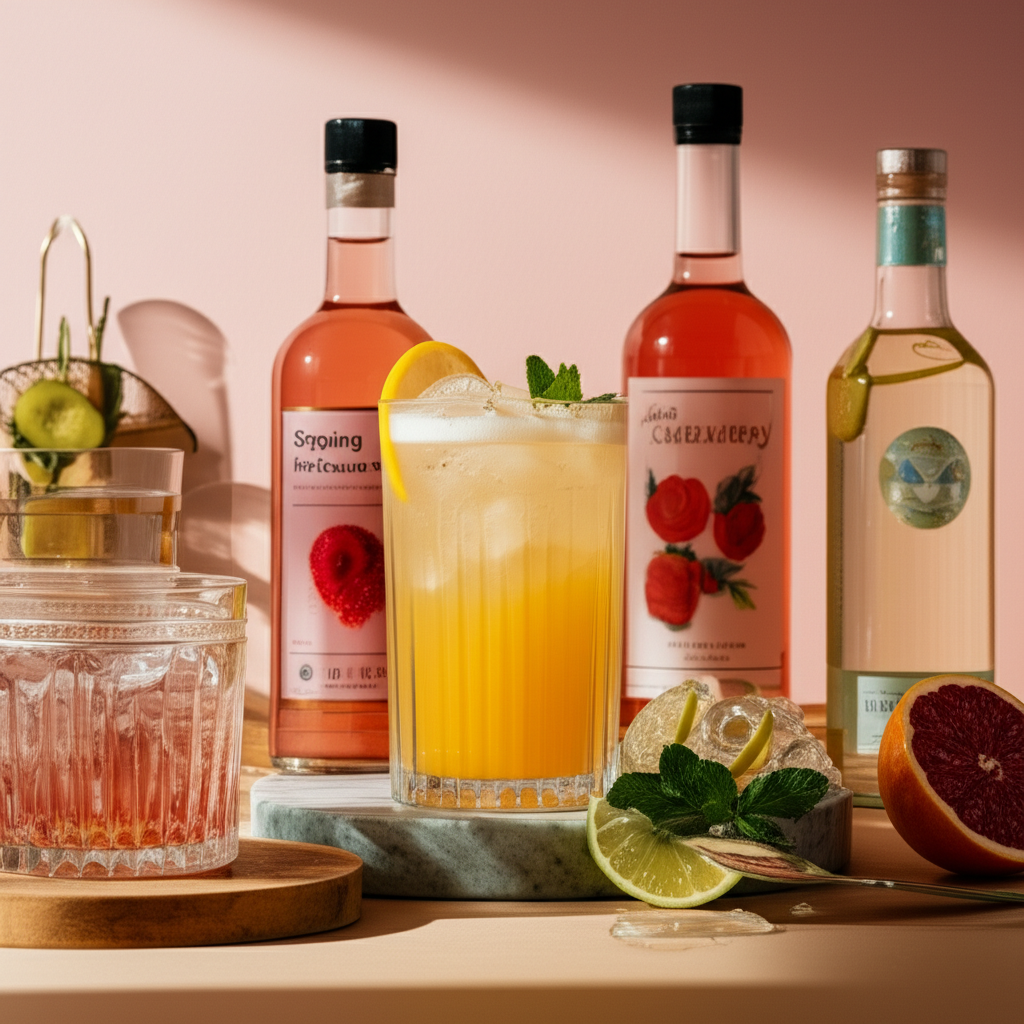
As we step into 2026, the world of beverages is undergoing a transformative shift, with non-alcoholic options taking center stage in social and health-conscious circles. Gone are the days when giving up alcohol meant settling for bland alternatives; today, innovative drinks are redefining relaxation, flavor, and wellness. This article explores the burgeoning trends in non-alcoholic beverages, their rising popularity, and how they're reshaping lifestyles across the globe.
What Are Non-Alcoholic Beverages and Why Are They Trending?
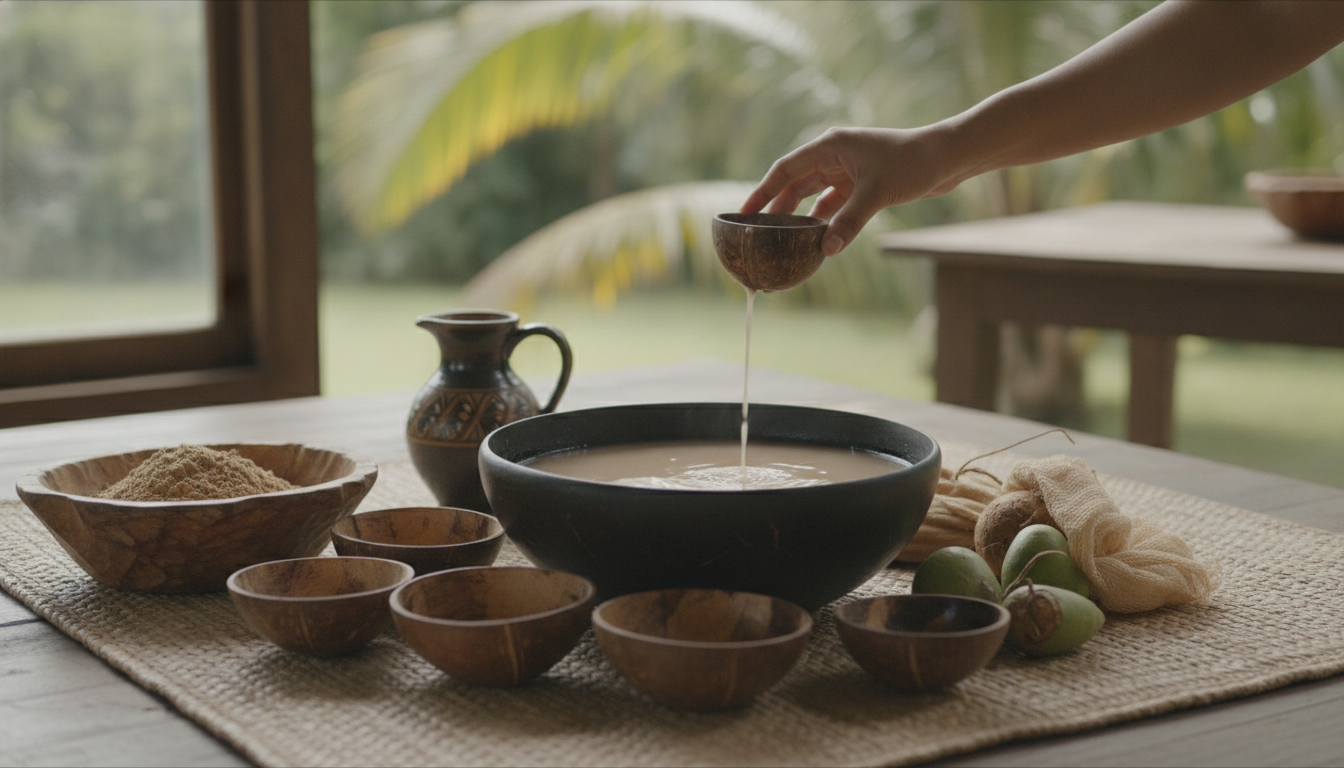
Non-alcoholic beverages encompass a wide range of drinks that mimic the complexity and enjoyment of alcoholic counterparts without the buzz. From sparkling teas and adaptogen-infused sodas to botanical mocktails, these options are designed for those seeking sobriety, better health, or simply a sophisticated alternative for social gatherings. In 2026, factors like increased awareness of alcohol's health risks, a growing sober-curious movement, and advancements in flavor science have propelled these drinks into the mainstream.
According to recent reports, sales of non-alcoholic beverages have surged by 30% in the past year alone, driven by younger demographics prioritizing mental clarity and physical well-being. This trend isn't just about abstaining; it's about embracing mindful consumption that aligns with holistic lifestyles, making non-alcoholic drinks a staple in both casual hangouts and high-end events.
The Health Benefits of Going Non-Alcoholic
One of the primary draws of non-alcoholic beverages is their impressive array of health benefits. Many are fortified with natural ingredients like antioxidants, vitamins, and herbs that support overall wellness. For instance, drinks infused with green tea extracts or ginger can boost metabolism and aid digestion, while those with magnesium-rich botanicals help reduce stress and improve sleep quality.
A 2026 study published in the Journal of Nutrition highlighted how regular consumption of non-alcoholic, plant-based drinks can lower inflammation markers in the body, potentially reducing the risk of chronic diseases. This is particularly appealing in a post-pandemic world where people are more vigilant about their immune systems. Additionally, these beverages often contain lower sugar levels than traditional sodas, making them a smarter choice for weight management and energy stability.
- Improved mental clarity and focus without the hangover effects.
- Enhanced hydration through electrolyte-balanced formulas.
- Support for gut health with probiotic-infused options.
- Antioxidant properties that combat free radicals and promote youthful skin.
Experts recommend incorporating these drinks into daily routines to foster better habits, such as starting the day with a hydrating mocktail or unwinding with a calming herbal infusion in the evening.
Popular Trends Shaping the Non-Alcoholic Scene in 2026
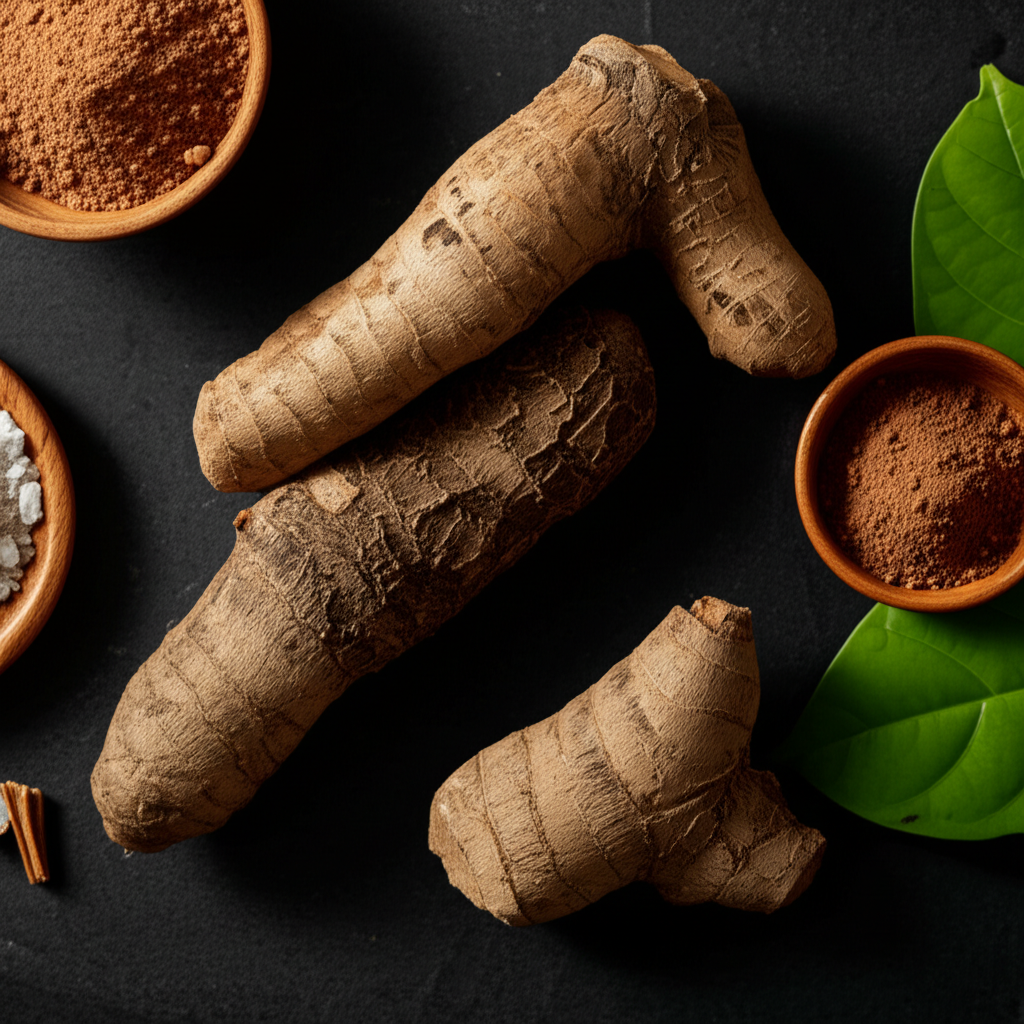
The non-alcoholic beverage industry is evolving rapidly, with innovative trends emerging that cater to diverse tastes and needs. One standout trend is the rise of functional drinks, which combine pleasure with purpose, such as mood-enhancing blends or energy-boosting elixirs. Brands are experimenting with exotic flavors from around the world, like hibiscus-lime spritzers or turmeric-golden milk alternatives, appealing to adventure-seeking consumers.
Another key development is the integration of technology, with apps that allow users to customize their drinks based on personal health data. For example, AI-driven recommendations can suggest recipes that align with dietary restrictions or fitness goals. Social media platforms are abuzz with #SoberSips challenges, where influencers showcase creative non-alcoholic pairings, further fueling the trend's virality.
- Zero-proof cocktails gaining popularity in bars and restaurants worldwide.
- Sustainable packaging and organic ingredients becoming standard for eco-conscious buyers.
- Collaboration between chefs and mixologists to create gourmet non-alcoholic experiences.
- Expansion into new markets, with Asia leading in innovative tea-based non-alcoholic options.
This year, we're seeing a blend of tradition and modernity, where ancient remedies meet cutting-edge science to offer drinks that not only taste great but also deliver tangible health perks.
New Openings and Innovations in the Non-Alcoholic World
2026 has brought a wave of exciting new openings, with non-alcoholic bars and cafes popping up in major cities like New York, London, and Tokyo. These venues are reimagining social spaces by offering immersive experiences centered around mocktail menus, live music, and wellness workshops. For instance, a new chain called "Zen Sips" has launched its first U.S. location, featuring interactive sessions on the benefits of herbal infusions.
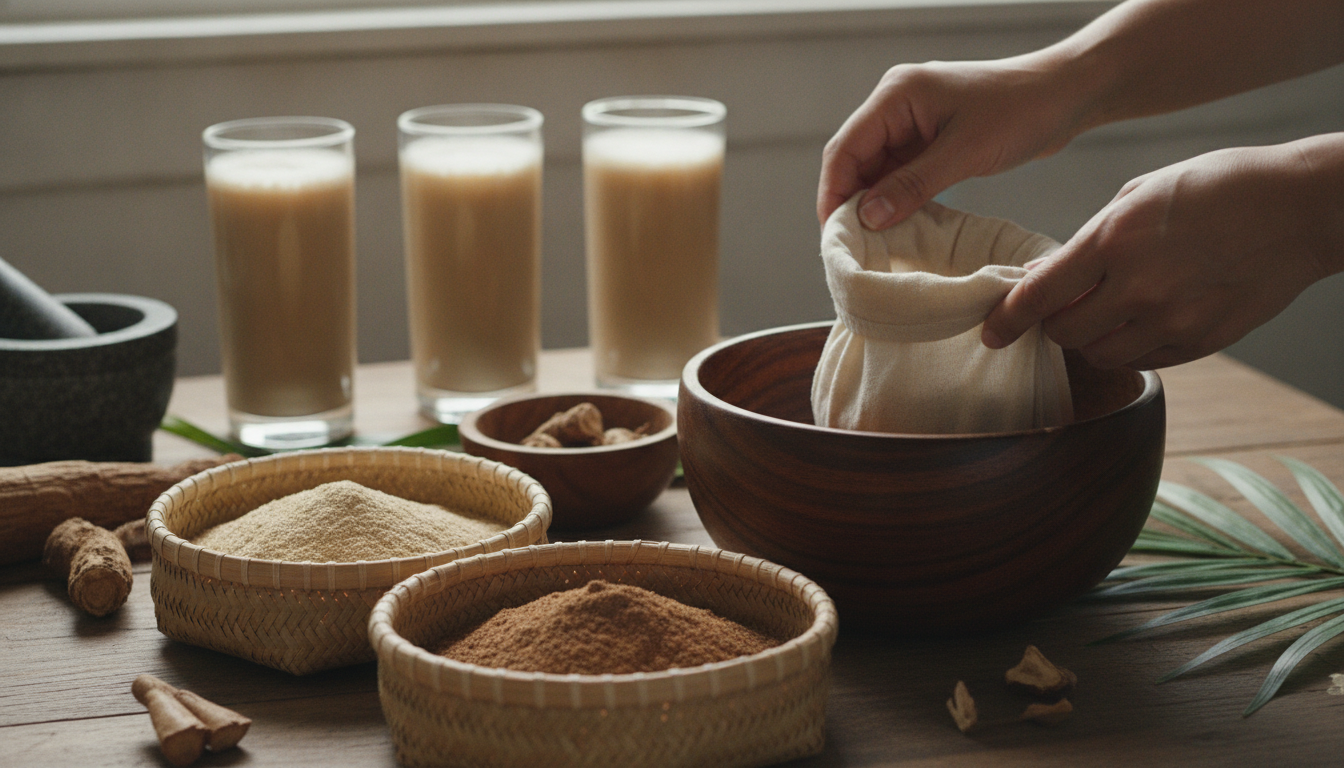
Innovations in production are also noteworthy, with companies investing in fermentation techniques that replicate the complexity of alcoholic drinks without alcohol. This includes the use of natural yeasts and botanical essences to create depth and effervescence. Moreover, partnerships with health experts are ensuring that these products are backed by science, such as clinical trials showing improved cognitive function from certain non-alcoholic formulations.
On the global stage, Europe is at the forefront with regulations promoting non-alcoholic alternatives, leading to a 40% increase in dedicated product lines. In the U.S., startups are securing funding for R&D, focusing on scalable, affordable options for everyday consumers.
How to Incorporate Non-Alcoholic Drinks into Your Daily Life
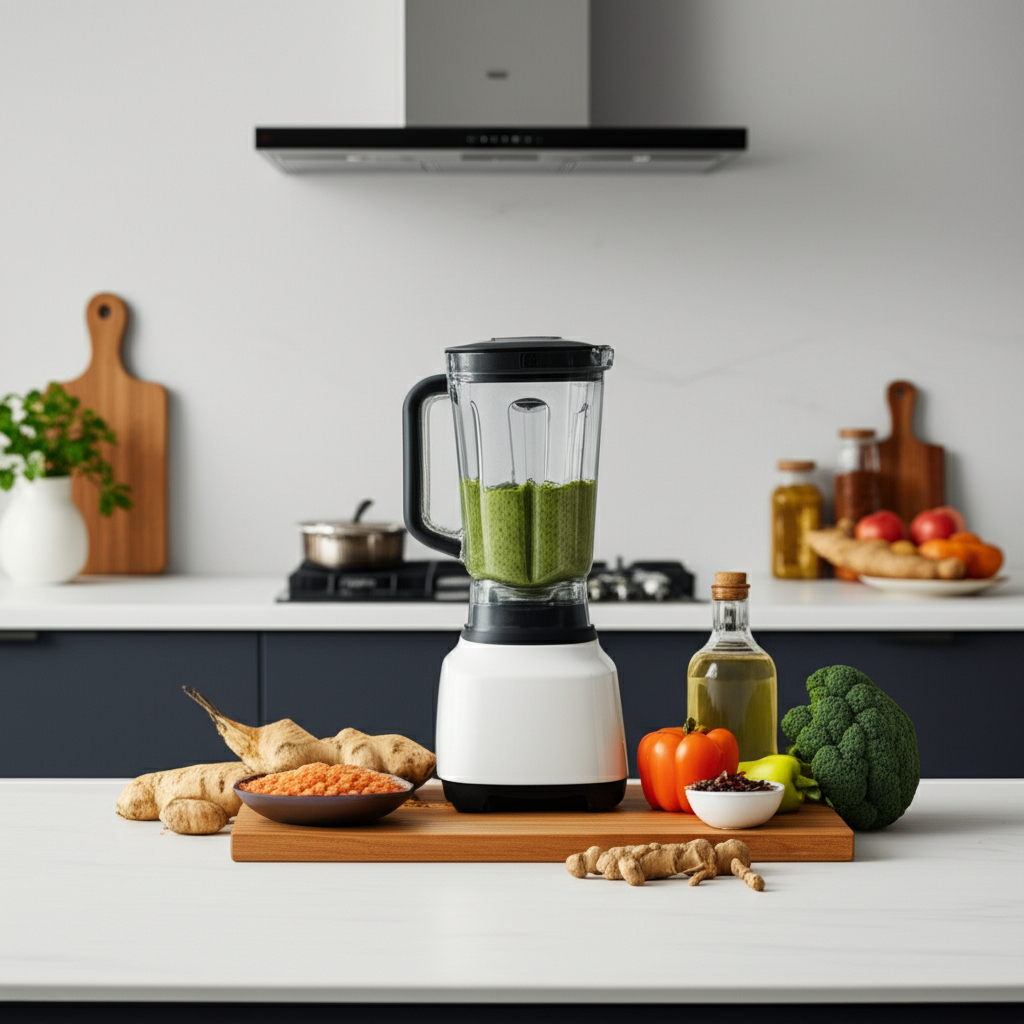
Making the switch to non-alcoholic beverages doesn't have to be daunting; it's about finding what works for you. Start by experimenting with simple recipes at home, like blending fresh fruits with sparkling water for a refreshing twist. Keep a variety of options on hand, such as pre-made mocktails or powdered mixes, to make healthy choices convenient.
For social settings, suggest non-alcoholic alternatives when planning events, or visit one of the new bars to experience the vibe. Track your progress by noting improvements in energy levels or sleep quality, which can motivate long-term adoption. Remember, moderation is key, and these drinks can complement a balanced lifestyle rather than replace it entirely.
- Begin your morning with a revitalizing green tea infusion.
- Use non-alcoholic spirits for evening unwind sessions.
- Participate in community events or classes focused on mindful drinking.
- Consult with a nutritionist to tailor drinks to your specific health needs.
As non-alcoholic beverages continue to evolve, they offer a pathway to a healthier, more enjoyable life. Whether you're fully sober or just cutting back, embracing these trends can enhance your well-being in 2026 and beyond.
Conclusion: A Toast to the Future of Beverages
In summary, the explosion of non-alcoholic drink trends in 2026 represents a cultural shift towards intentional living and health prioritization. With endless options for flavor and function, there's never been a better time to explore this vibrant world. As we raise our glasses to sobriety and wellness, let's celebrate the innovative spirit driving this movement forward.