In an exciting development for kava enthusiasts, kava bars across the United States are rolling out traditional ceremony workshops to deepen cultural appreciation and educate patrons about the roots of this Pacific Island beverage. Meanwhile, the kratom industry is making strides in prioritizing ethical sourcing practices, ensuring sustainability and fairness for farmers in Southeast Asia. These dual trends highlight the evolving landscape of both kava and kratom communities as they balance cultural reverence with modern responsibility.
Kava Bars Embrace Cultural Roots with Ceremony Workshops
Kava, a traditional drink made from the ground roots of the Piper methysticum plant, has long been a cornerstone of social and ceremonial life in Pacific Island cultures, particularly in Fiji, Vanuatu, and Tonga. Historically consumed during rituals to promote relaxation and community bonding, kava's journey to the West has often focused on its calming effects, sometimes overlooking its deep cultural significance. Now, kava bars are stepping up to bridge that gap by offering immersive workshops that teach patrons the art of traditional kava preparation and the meaning behind ancient ceremonies.
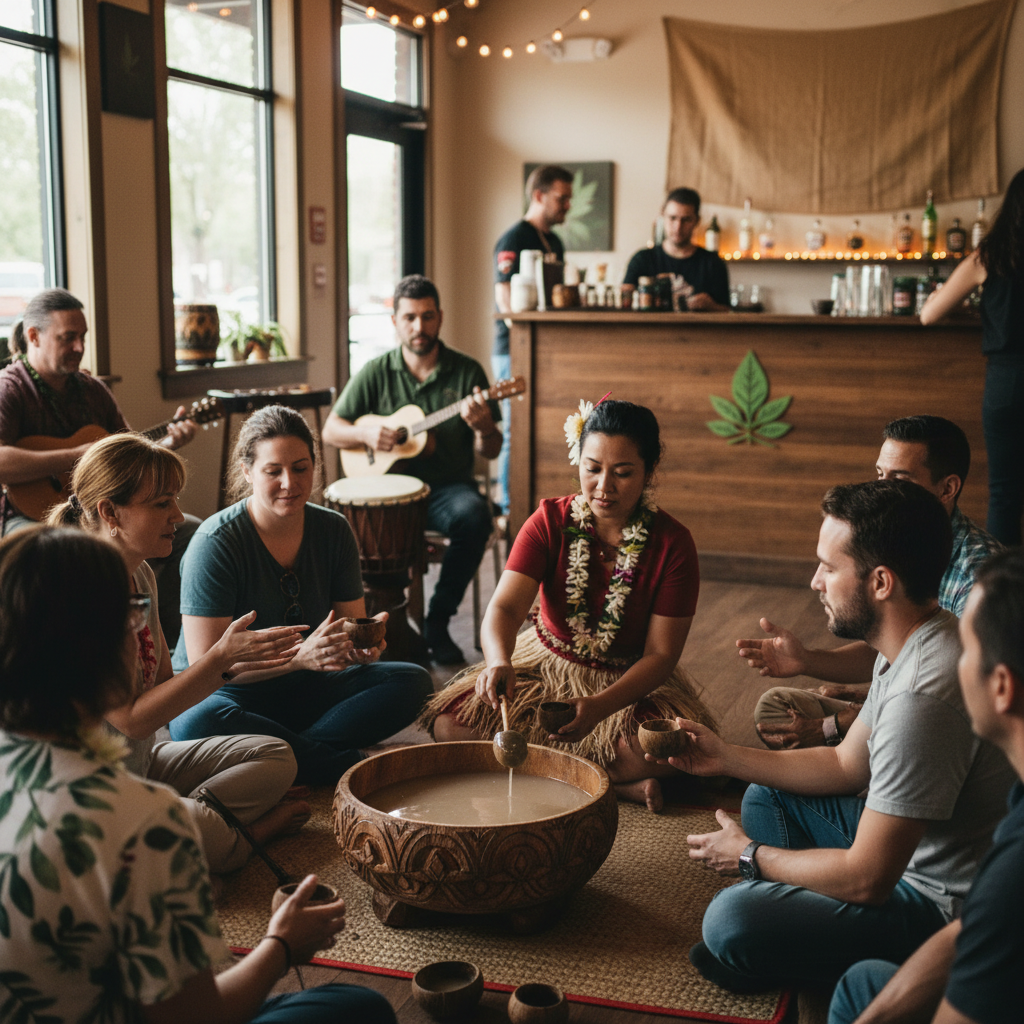
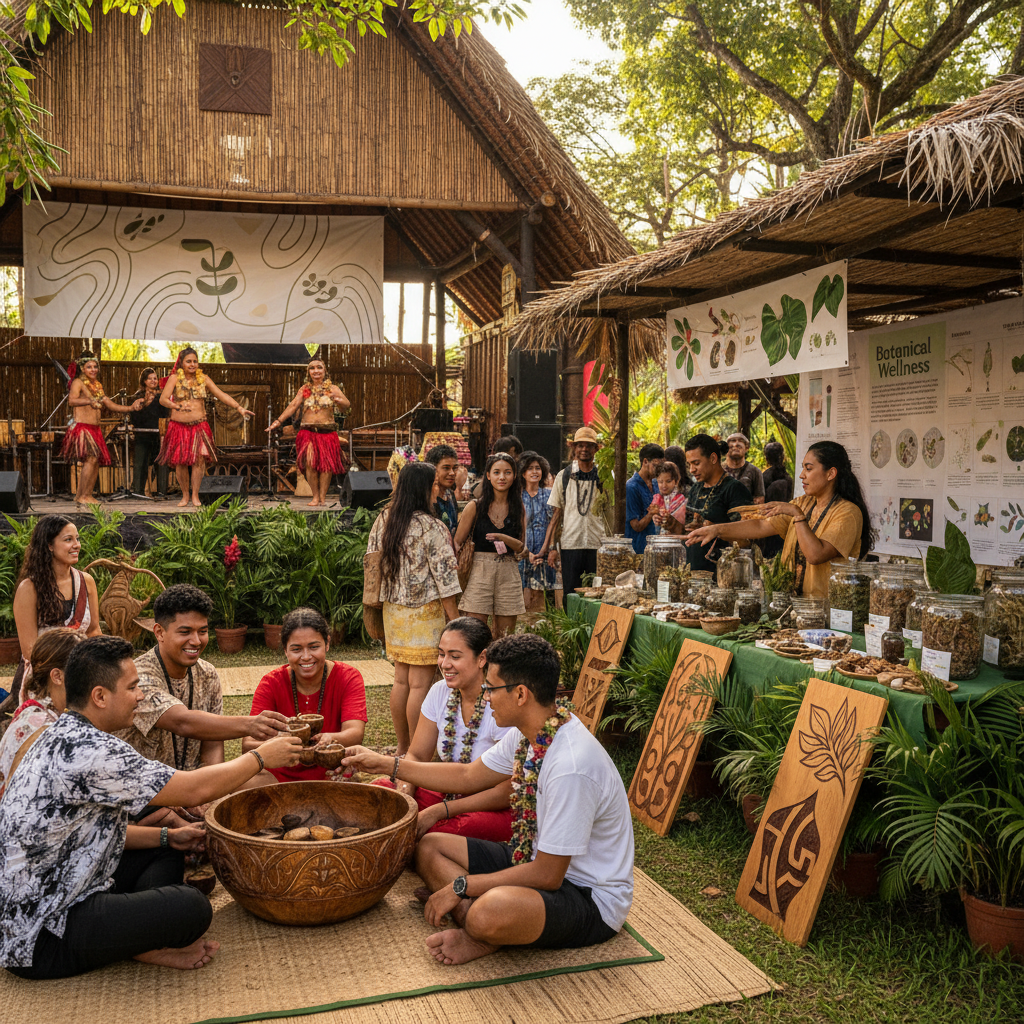
These workshops, which are gaining traction in cities like Portland, San Diego, and Miami, typically include guided sessions on how to prepare kava using a tanoa (a traditional wooden bowl), the proper way to serve and drink kava, and storytelling about its role in Pacific Island history. Participants often sit in a circle on woven mats, mirroring the communal setups of kava ceremonies in Fiji or Tonga, and learn phrases like 'Bula!'—a Fijian greeting often used while sharing kava. Some bars even invite elders or cultural ambassadors from Pacific Island communities to lead these sessions, ensuring authenticity.
'We want our customers to experience kava beyond just a beverage,' says Malia Tui, owner of South Pacific Kava Lounge in Portland. 'These workshops are about respect—respect for the plant, the culture, and the people who’ve shared this gift with the world.' Many attendees report a newfound appreciation for kava, noting that understanding its ceremonial context enhances the relaxing experience.
This initiative also serves as a response to criticism that Western kava bars sometimes commercialize the drink without acknowledging its origins. By integrating education into their offerings, these establishments are fostering a deeper connection between their patrons and the cultural heritage of kava. For those looking to unwind in a mindful way, these workshops offer a unique blend of relaxation and learning, making kava bars not just a place to drink but a space to connect with history.
Kratom Industry Shifts Focus to Ethical Sourcing
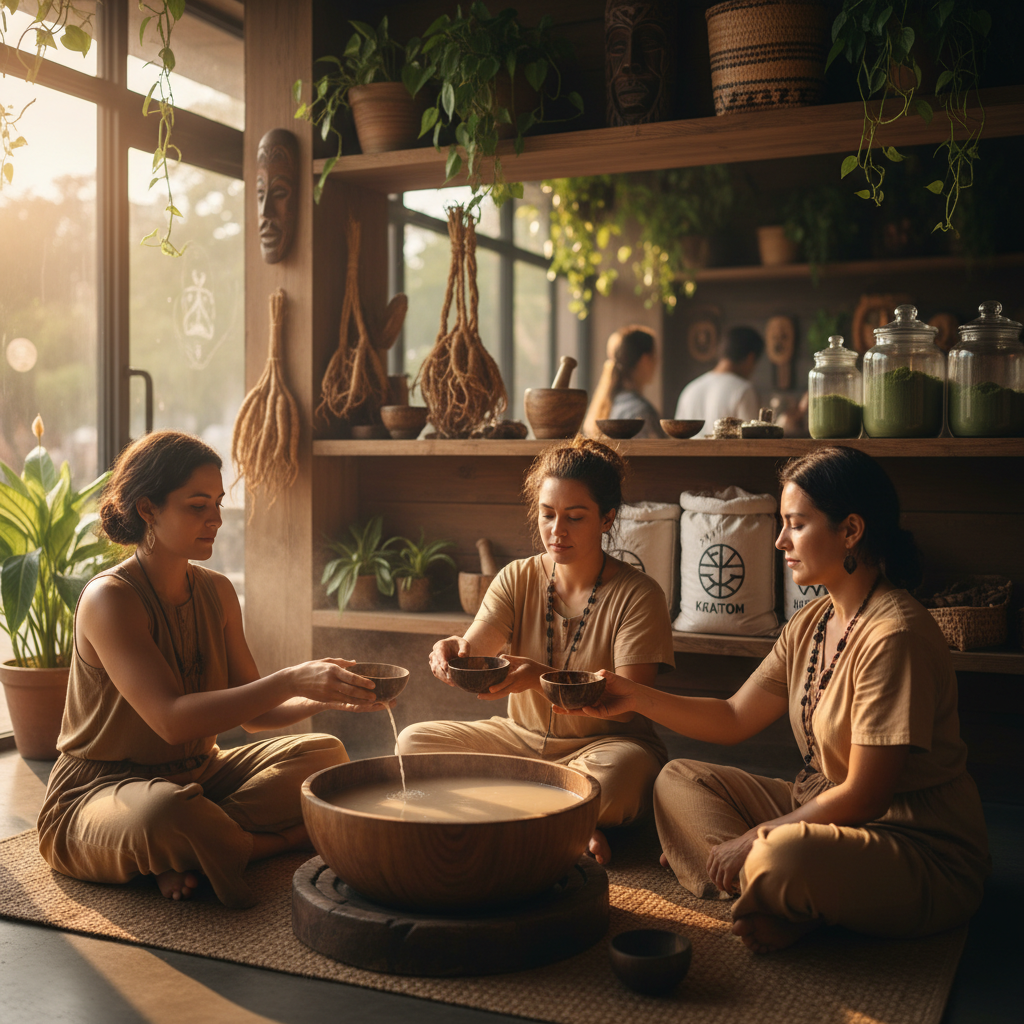
While kava bars are enriching their cultural offerings, the kratom industry is addressing a different but equally important concern: ethical sourcing. Kratom, derived from the leaves of the Mitragyna speciosa tree native to Southeast Asia, has gained popularity in the West for its potential to support energy, focus, and relaxation. However, the rapid growth in demand has raised questions about the sustainability of kratom farming and the welfare of the farmers who cultivate it, primarily in countries like Indonesia and Thailand.
In recent months, several leading kratom vendors and advocacy groups, including the American Kratom Association (AKA), have pushed for stricter guidelines on sourcing. Their goal is to ensure that kratom is harvested responsibly, without depleting natural resources, and that farmers receive fair compensation for their labor. Some companies are now partnering directly with small-scale farmers, cutting out middlemen to provide better wages and support local communities. Others are investing in reforestation projects to counteract the environmental impact of kratom cultivation.
'Ethical sourcing isn’t just a buzzword for us; it’s a necessity,' says Rina Sari, a spokesperson for Green Harmony Kratom, a supplier based in California. 'We’re working to build long-term relationships with farmers in Indonesia, ensuring they can sustain their livelihoods while preserving the land for future generations.' This transparency is also becoming a selling point, as consumers increasingly demand to know where their products come from and how they’re produced.
The push for ethical sourcing comes at a critical time for the kratom industry, which continues to face regulatory scrutiny in the U.S. and abroad. By prioritizing sustainability and fairness, vendors hope to improve the industry’s reputation and demonstrate a commitment to responsible practices. For kratom users, this means greater confidence that the products they purchase align with their values, supporting both people and the planet.
Bridging Culture and Responsibility in the Kava and Kratom Communities
The simultaneous rise of traditional kava ceremony workshops and ethical kratom sourcing reflects a broader trend within these niche communities: a desire to honor origins while adapting to modern demands. Kava bars are not only places to relax but also hubs for cultural education, inviting patrons to engage with the drink on a deeper level. At the same time, the kratom industry’s focus on ethical practices signals a maturing market that values sustainability over mere profit.
For those interested in exploring these trends, many kava bars post their workshop schedules online, and some even offer virtual sessions for those unable to attend in person. Meanwhile, kratom consumers can look for vendors certified by organizations like the AKA or those who provide detailed information about their supply chains. Both industries are proving that mindfulness—whether through cultural appreciation or ethical responsibility—can enhance the experience of these traditional botanicals.
As kava and kratom continue to grow in popularity, initiatives like these ensure that their rise is accompanied by respect for their roots. Whether you’re sipping kava in a ceremonial circle or choosing sustainably sourced kratom, you’re participating in a movement that values heritage and humanity. Stay tuned to see how these industries evolve, as they continue to balance tradition with innovation in exciting ways.