In a vibrant celebration of tradition and community, kava bars across the United States are stepping up their game by hosting cultural festivals that honor the rich heritage of kava. Meanwhile, the kratom industry is making significant strides by investing in community education programs to promote safe and informed use of their products. These dual developments are fostering deeper connections between enthusiasts, businesses, and the cultural roots of these ancient botanicals.
Kava Bars Celebrate Heritage with Cultural Festivals
Kava, a traditional beverage rooted in Pacific Island cultures, has long been a symbol of community and relaxation. As kava bars continue to grow in popularity in urban centers, many are recognizing the importance of preserving and sharing the cultural significance behind the drink. This year, a wave of kava bars from Honolulu to Miami are organizing cultural festivals to educate patrons and celebrate the origins of kava.
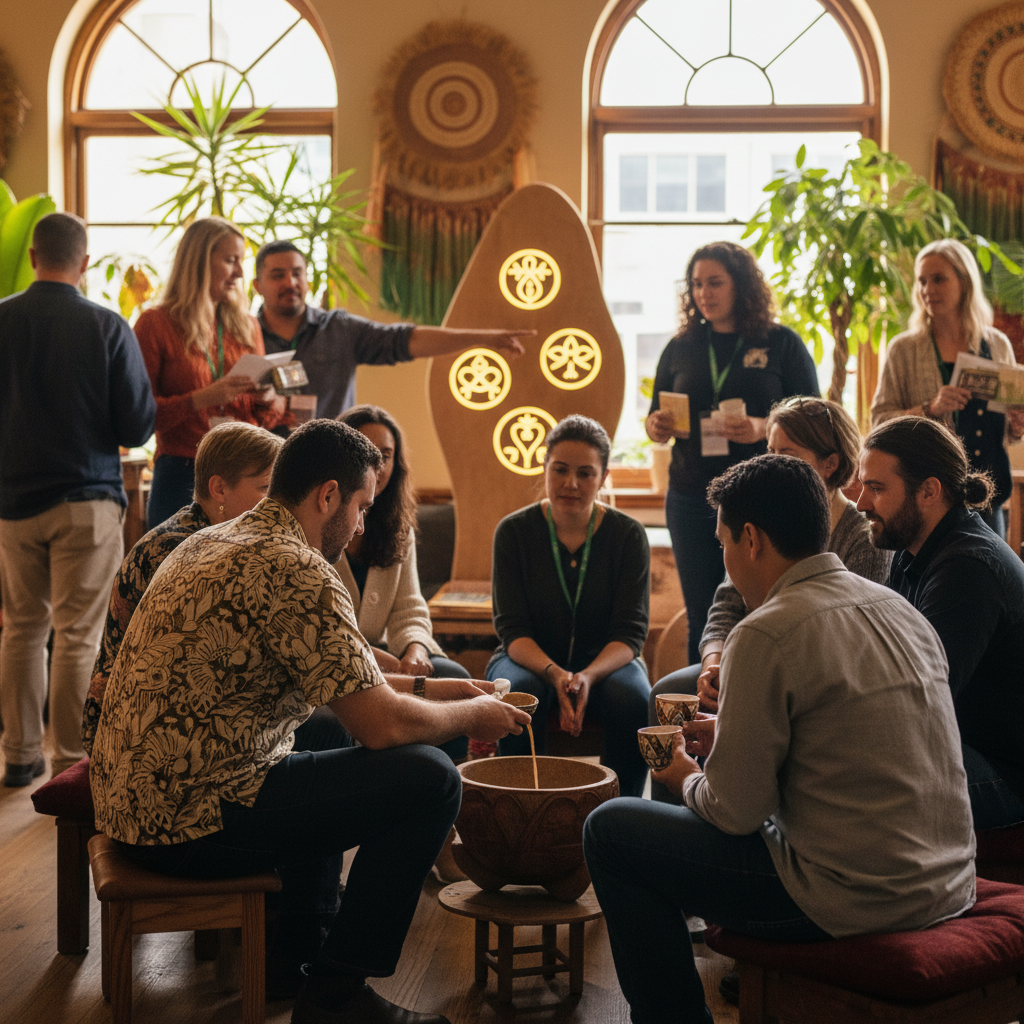
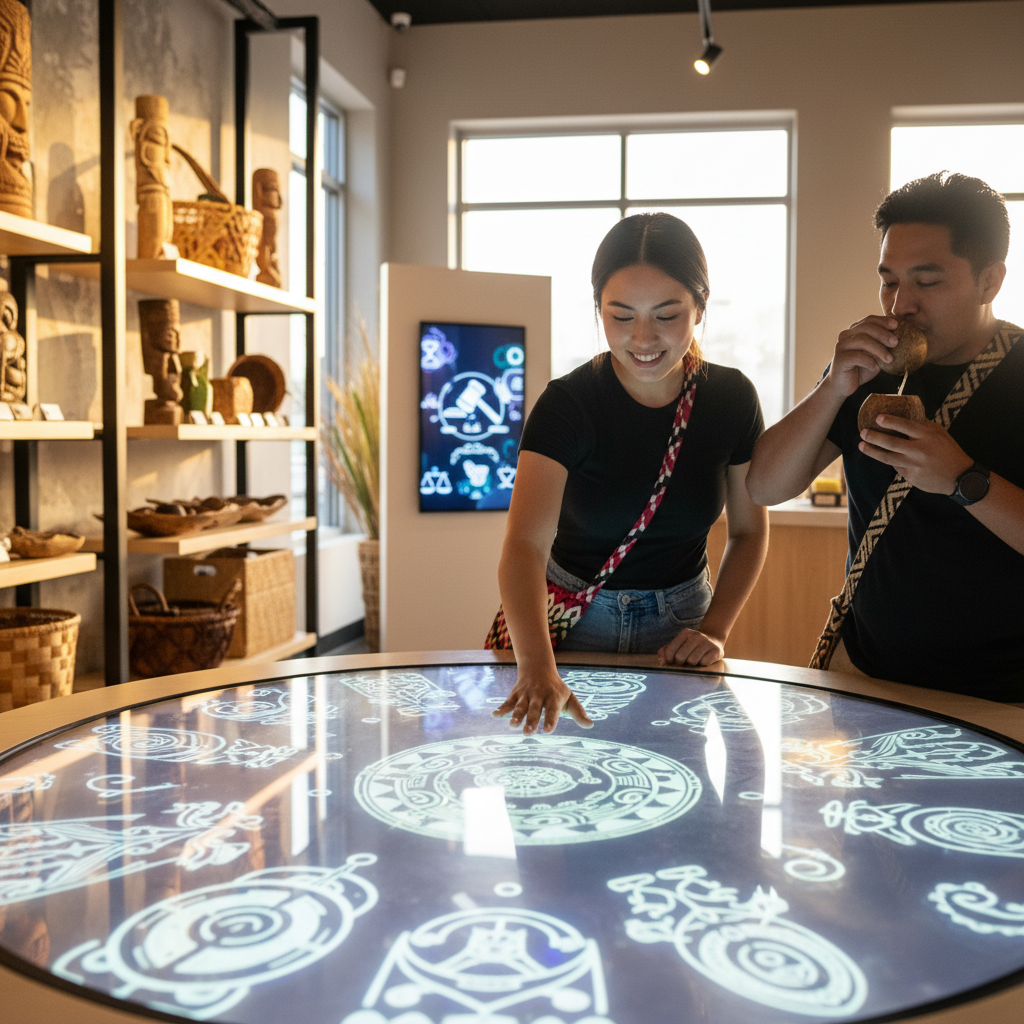
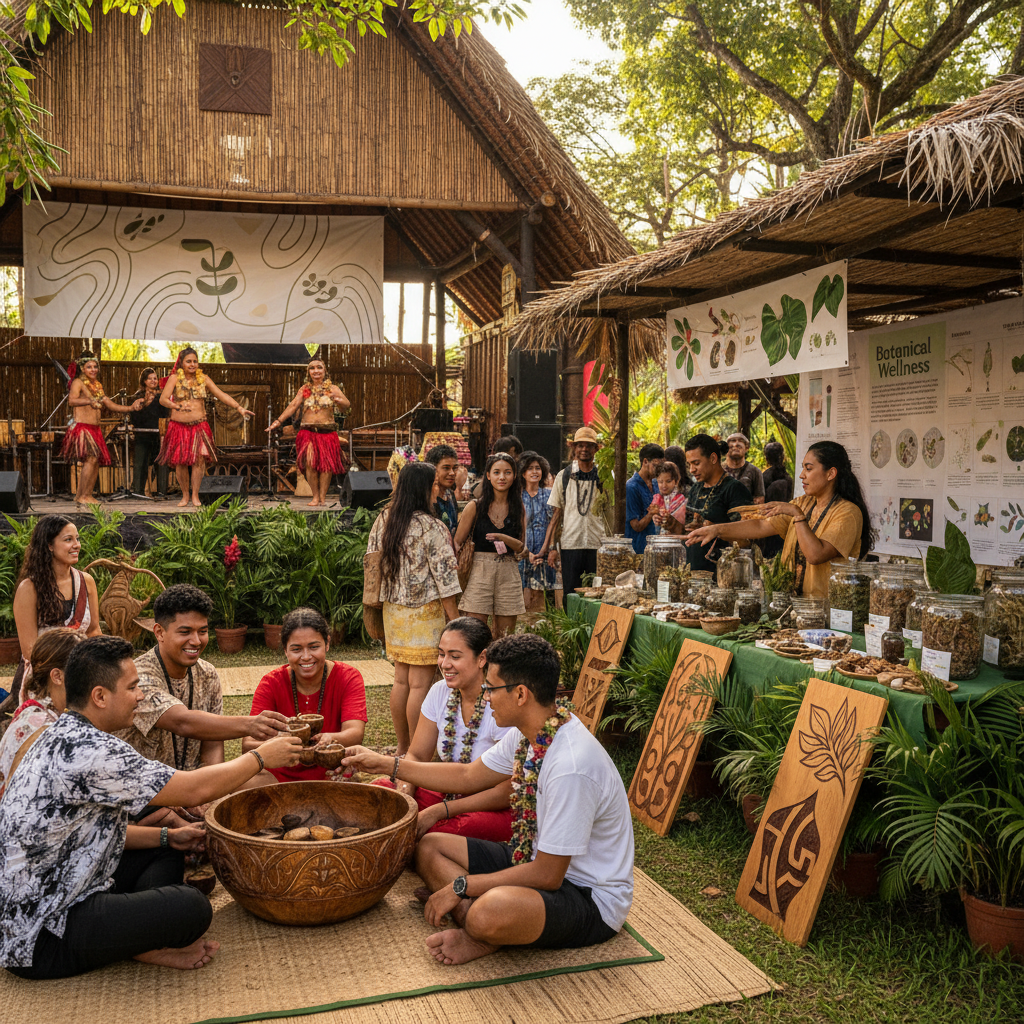
These festivals often feature traditional kava ceremonies led by Pacific Islander elders or cultural ambassadors. Attendees can participate in the preparation of kava, learn about its historical use in resolving conflicts and strengthening communal bonds, and even enjoy authentic Polynesian music and dance performances. For example, a prominent kava bar in San Diego recently hosted a 'Kava Roots Festival,' drawing hundreds of attendees who engaged in storytelling sessions about kava's role in Fijian culture.
Bar owners report that these events not only boost customer engagement but also foster a sense of respect for the traditions behind kava. 'We want our guests to understand that kava is more than just a drink—it's a bridge to centuries-old practices,' said Leilani Moana, owner of a kava bar in Portland. 'Our festival included a workshop on sustainable kava farming, which opened a lot of eyes to the challenges faced by growers in the Pacific.'
Beyond cultural appreciation, these festivals are also proving to be a boon for local economies. They attract tourists, create opportunities for Pacific Islander artisans to sell crafts, and encourage collaboration between kava bars and other local businesses. As this trend gains traction, we can expect more kava bars to host similar events, potentially transforming them into annual traditions that deepen the community's connection to kava culture.
Kratom Industry Steps Up with Community Education Programs
On the other side of the botanical spectrum, the kratom industry is addressing a critical need: consumer education. Kratom, a plant native to Southeast Asia, has garnered a loyal following for its potential to support energy, focus, and relaxation. However, misinformation and regulatory scrutiny have often clouded public perception. In response, leading kratom vendors and advocacy groups are rolling out community education programs aimed at providing accurate, science-backed information.
These initiatives include free online webinars, in-person workshops at local health stores, and partnerships with wellness communities to distribute educational materials. Topics often cover safe dosage guidelines, potential interactions with other substances, and the importance of sourcing kratom from reputable vendors who prioritize lab testing for purity and potency.
One notable program, launched by the American Kratom Association (AKA), focuses on engaging directly with users through town hall-style meetings. 'Our goal is to empower consumers with knowledge,' said an AKA spokesperson. 'We’ve seen a tremendous response from communities eager to learn about kratom’s benefits and how to use it responsibly.' The AKA has also collaborated with kratom producers in Indonesia and Thailand to create videos that showcase sustainable harvesting practices, giving consumers a transparent view of the supply chain.
Additionally, some kratom companies are funding independent research to further validate the plant’s benefits and address safety concerns. By investing in education and transparency, the industry hopes to build trust with both consumers and regulators, paving the way for broader acceptance and potentially influencing future policy decisions.
Bridging Culture and Knowledge for a Stronger Industry
The parallel efforts of kava bars and the kratom industry highlight a shared commitment to community and responsibility. Kava bars are creating immersive experiences that honor tradition, while kratom stakeholders are prioritizing education to ensure safe and informed use. Together, these initiatives are strengthening the bond between these botanicals and their growing audiences.
For kava enthusiasts, cultural festivals offer a chance to connect with the drink on a deeper level, transforming a casual night out into a meaningful cultural exchange. For kratom users, access to reliable information is empowering them to make informed choices, fostering a more responsible user base.
As these trends continue, we can anticipate a ripple effect across the kava and kratom industries. Kava bars may inspire more businesses to integrate cultural storytelling into their branding, while kratom education programs could set a new standard for transparency in the herbal supplement market. Both developments signal a promising future where tradition and innovation coexist, ensuring that kava and kratom remain cherished for generations to come.
Whether you're sipping kava at a local festival or attending a kratom education workshop, one thing is clear: the passion for these botanicals is stronger than ever. Have you experienced a kava cultural event or benefited from kratom education resources? Share your story with us in the comments below!