In the ever-evolving world of herbal relaxation, kava bars and the kratom industry continue to carve out unique spaces for enthusiasts and newcomers alike. This month, a wave of innovation is sweeping through kava bars with the introduction of Cultural Immersion Nights, while the kratom industry ramps up efforts to push for clearer regulations. These developments signal a vibrant future for both sectors as they strive to enhance user experiences and ensure consumer safety.
Kava Bars Embrace Cultural Immersion Nights
Kava bars across the United States are taking their commitment to authenticity to the next level by hosting Cultural Immersion Nights. These events aim to educate patrons about the rich heritage of kava, a traditional beverage rooted in Pacific Island cultures, particularly in Fiji, Vanuatu, and Tonga. The initiative not only offers a deeper understanding of kava's origins but also fosters a sense of community among attendees.
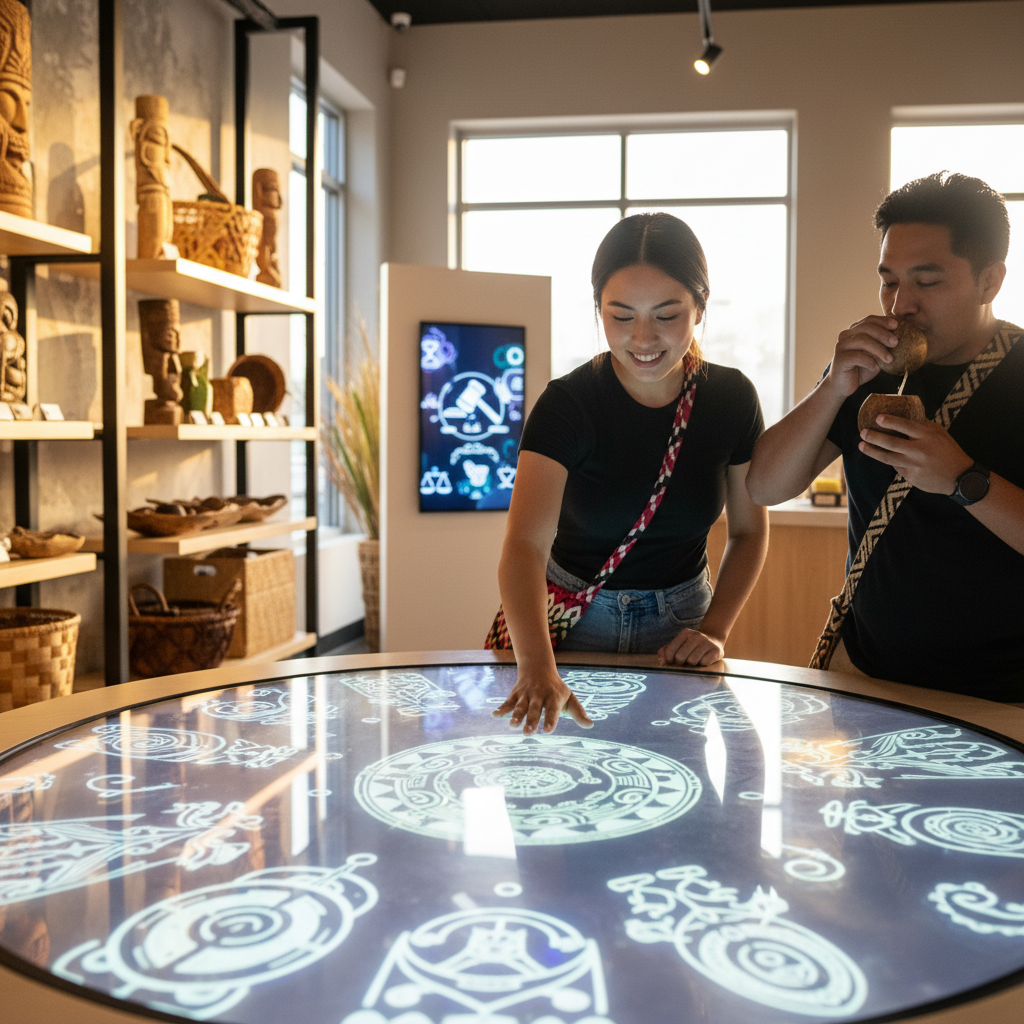
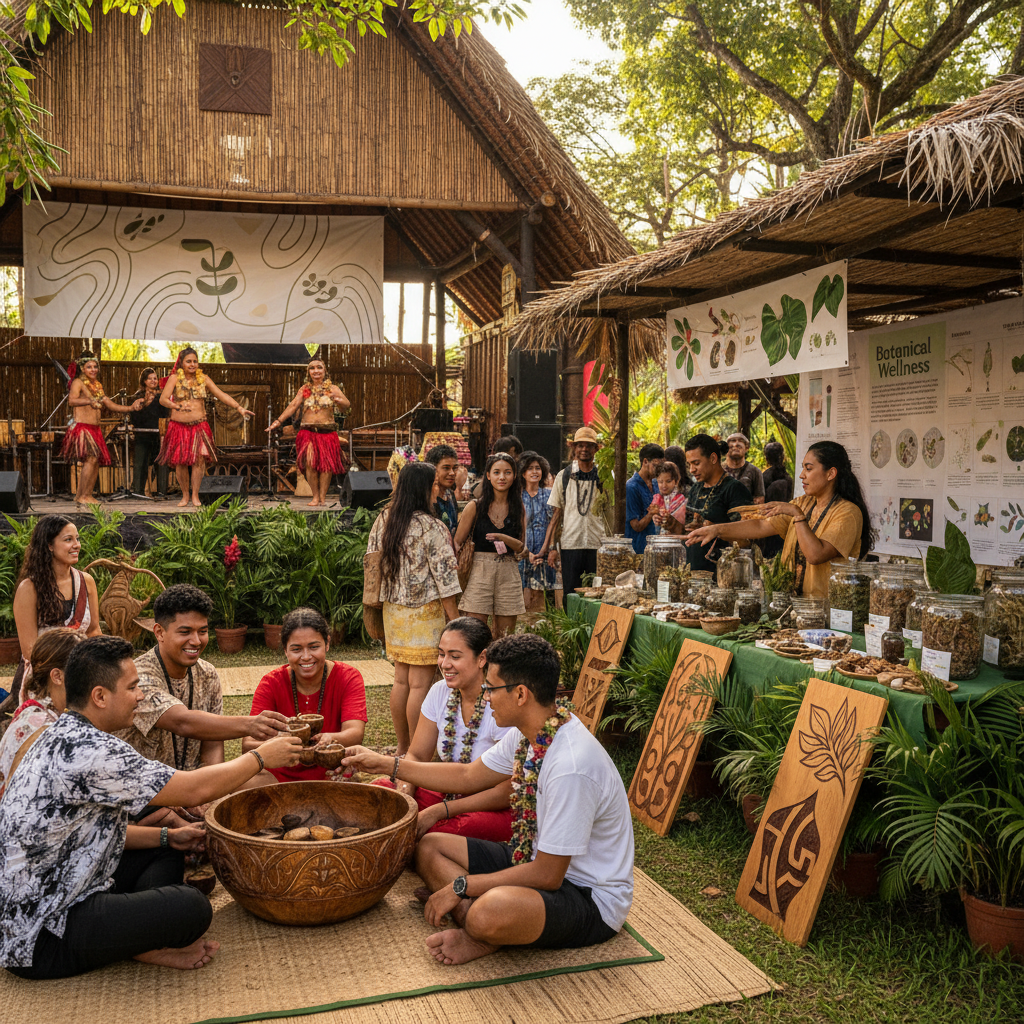
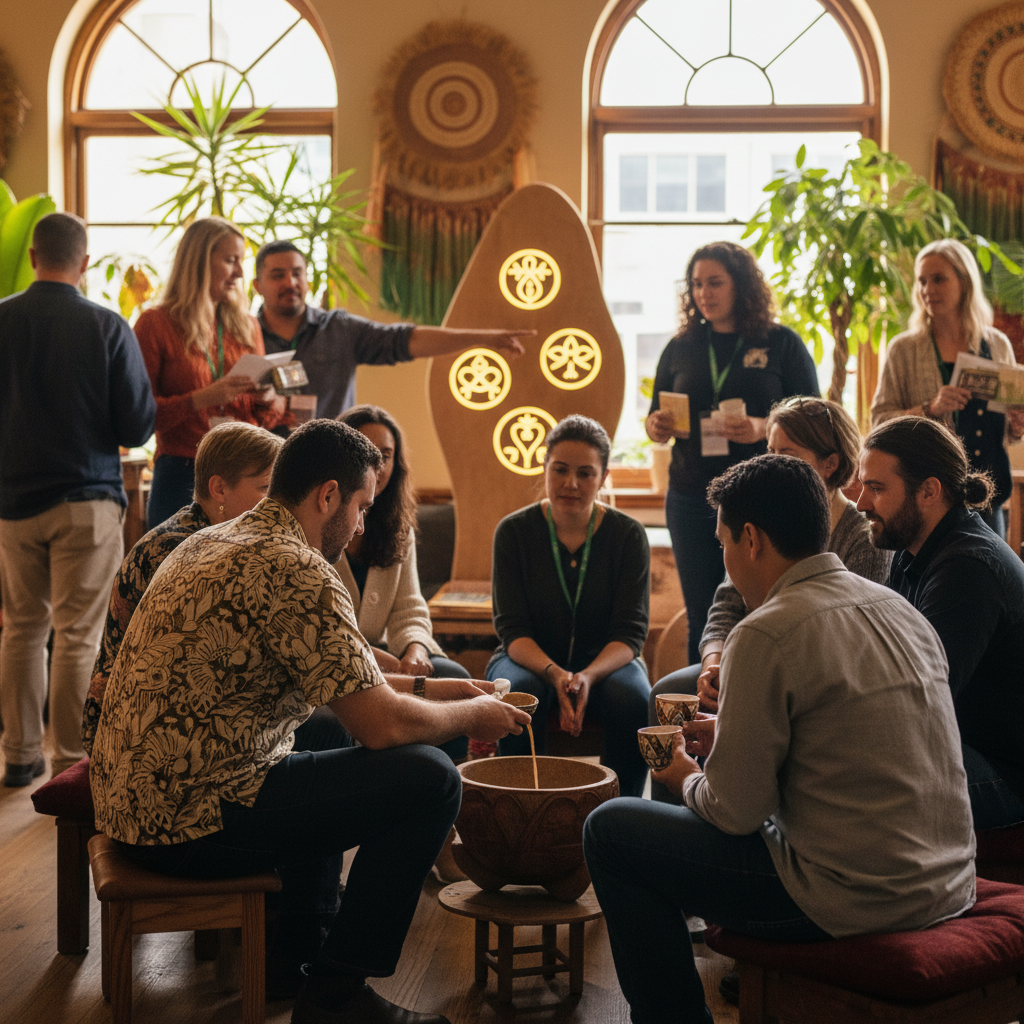
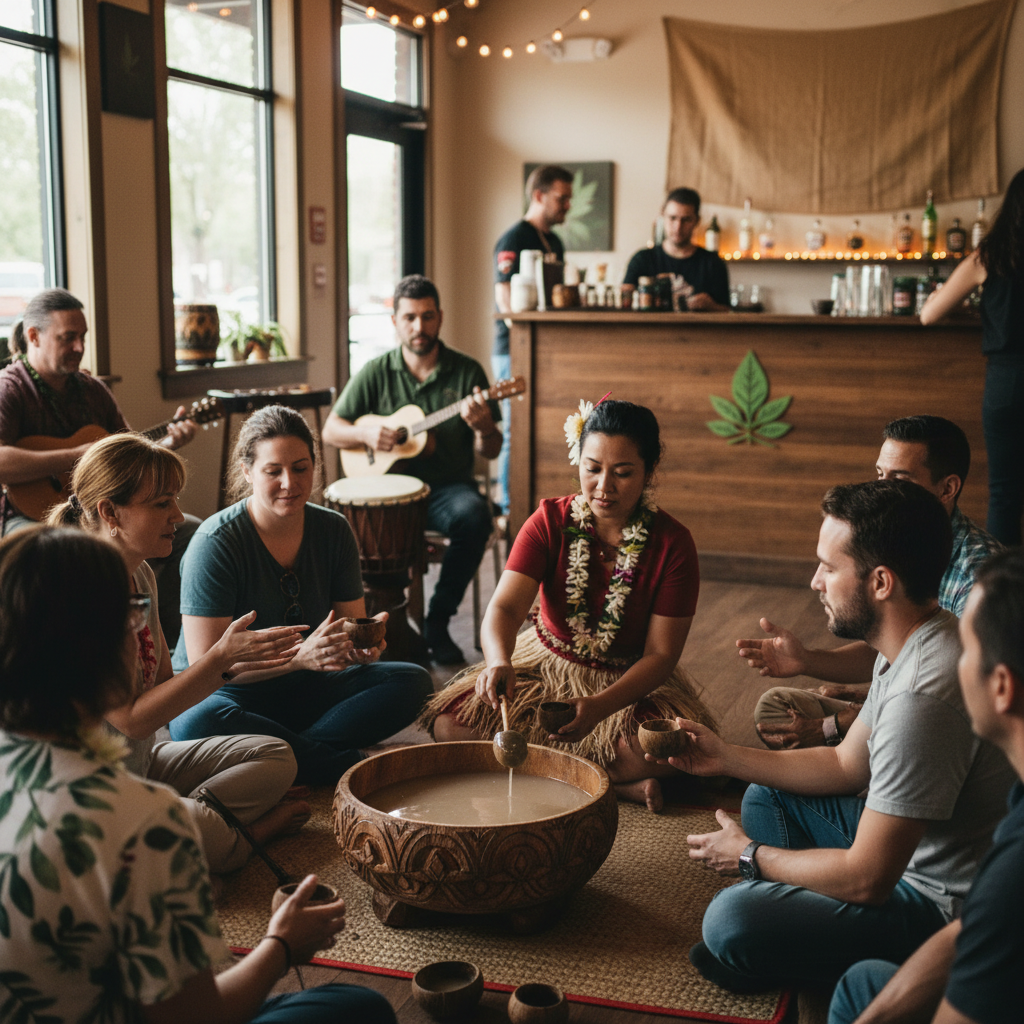
During these special evenings, kava bars transform their spaces into vibrant showcases of Pacific Island traditions. Patrons can expect to participate in storytelling sessions led by cultural ambassadors, learn traditional kava preparation methods, and enjoy authentic music and dance performances. Some bars even invite guest speakers from Pacific Island communities to share personal anecdotes about kava's role in ceremonies and social gatherings.
“We wanted to go beyond just serving kava,” says Malia Tanoa, owner of Pacific Waves Kava Bar in San Diego. “Our Cultural Immersion Nights are about honoring the history and significance of kava. It’s a way to connect our customers with the true spirit of the drink.”
These events have also proven to be a hit among younger demographics, who are increasingly seeking meaningful experiences over traditional nightlife. Bars report a surge in attendance, with many guests returning for multiple sessions to explore different aspects of kava culture. This trend underscores the growing appetite for educational and culturally rich experiences in the kava bar scene.
Kratom Industry Pushes for Regulatory Clarity
Meanwhile, the kratom industry is making headlines with its intensified advocacy for regulatory clarity. Kratom, a tropical plant native to Southeast Asia, has gained popularity in the West for its potential calming and energizing effects. However, the lack of standardized regulations in many regions has led to concerns about product safety, labeling accuracy, and consumer education.
Industry leaders, including the American Kratom Association (AKA), are lobbying for the adoption of the Kratom Consumer Protection Act (KCPA) in more states. The KCPA aims to establish guidelines for manufacturing, labeling, and distribution, ensuring that consumers have access to safe, high-quality kratom products. As of early 2026, several states have already enacted versions of the KCPA, but advocates argue that federal oversight is crucial for consistent standards nationwide.
“Regulatory clarity benefits everyone—consumers, vendors, and regulators,” notes Dr. Elena Carter, a spokesperson for the AKA. “We’re committed to working with lawmakers to create a framework that prioritizes safety without stifling access to this natural product.”
The push for regulation comes amid growing scrutiny of kratom’s effects and potential risks. While many users report benefits like stress relief and improved focus, critics highlight the need for more comprehensive research to fully understand its impact. The industry’s proactive stance on regulation is seen as a step toward legitimizing kratom and addressing public health concerns head-on.
In addition to legislative efforts, kratom vendors are investing in third-party testing and transparent supply chains. These measures aim to build trust with consumers and demonstrate a commitment to quality. As the industry navigates these challenges, the hope is that clear regulations will pave the way for broader acceptance and responsible use.
Bridging Communities Through Kava and Kratom
The parallel developments in kava bars and the kratom industry reflect a shared goal: to create safe, enriching spaces for herbal enthusiasts. Kava bars’ Cultural Immersion Nights are not just about sipping a relaxing drink—they’re about building connections and preserving traditions. Similarly, the kratom industry’s focus on regulation seeks to protect users while fostering a sustainable market.
For those new to these botanicals, these initiatives offer accessible entry points. Attending a Cultural Immersion Night at a local kava bar can demystify the drink’s preparation and cultural significance, while the kratom industry’s push for transparency empowers consumers to make informed choices.
As these sectors grow, collaboration between kava and kratom advocates could further amplify their impact. Some kava bars have already begun offering kratom-infused beverages (where legal), blending the relaxing properties of both herbs. This crossover highlights the potential for synergy, provided that safety and education remain at the forefront.
What’s Next for Kava and Kratom?
Looking ahead, the introduction of Cultural Immersion Nights could inspire other creative programming at kava bars, such as workshops on kava’s health benefits or partnerships with Pacific Island artisans for themed decor and merchandise. Meanwhile, the kratom industry’s regulatory efforts may set a precedent for other herbal products, shaping how natural remedies are perceived and governed.
For now, enthusiasts can celebrate the strides being made in both communities. Whether you’re unwinding at a kava bar’s cultural event or exploring kratom with newfound confidence in its safety standards, there’s never been a better time to engage with these ancient botanicals.
Have you attended a Cultural Immersion Night at a kava bar, or do you have thoughts on kratom regulations? Share your experiences in the comments—we’d love to hear how these developments are resonating with you!