In an exciting development for kava enthusiasts, kava bars across the United States are stepping into the future by incorporating virtual reality (VR) experiences into their offerings. This innovative trend is redefining the way patrons enjoy their kava, while on the other side of the industry, kratom producers are doubling down on research to ensure product quality and safety. Let’s dive into these groundbreaking updates in the world of kava and kratom.
Kava Bars Go High-Tech with Virtual Reality
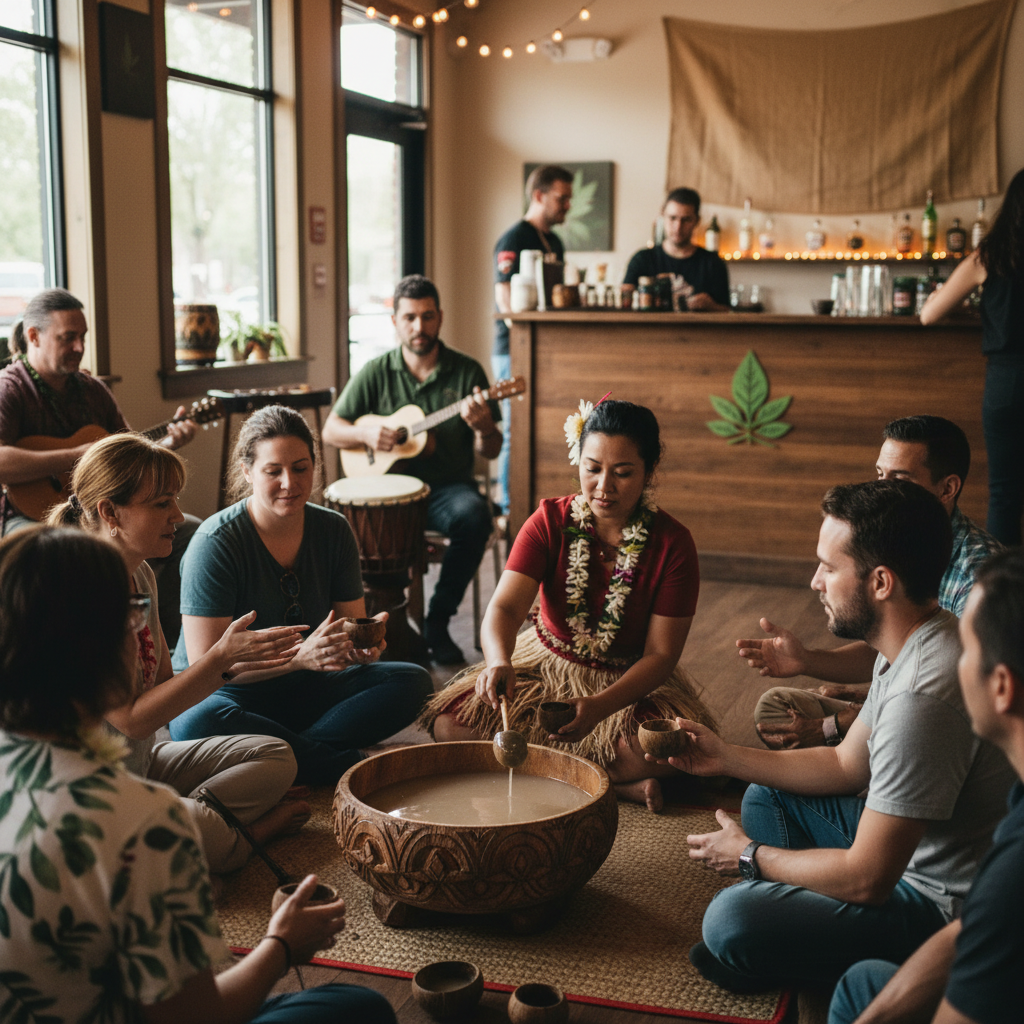
Kava bars have long been a sanctuary for those seeking relaxation and community through the traditional Polynesian drink made from the roots of the kava plant. Known for its calming effects, kava has been a staple in social settings for centuries. Now, forward-thinking kava bar owners are blending tradition with technology by introducing VR experiences that transport patrons to the lush islands of the South Pacific without leaving their seats.
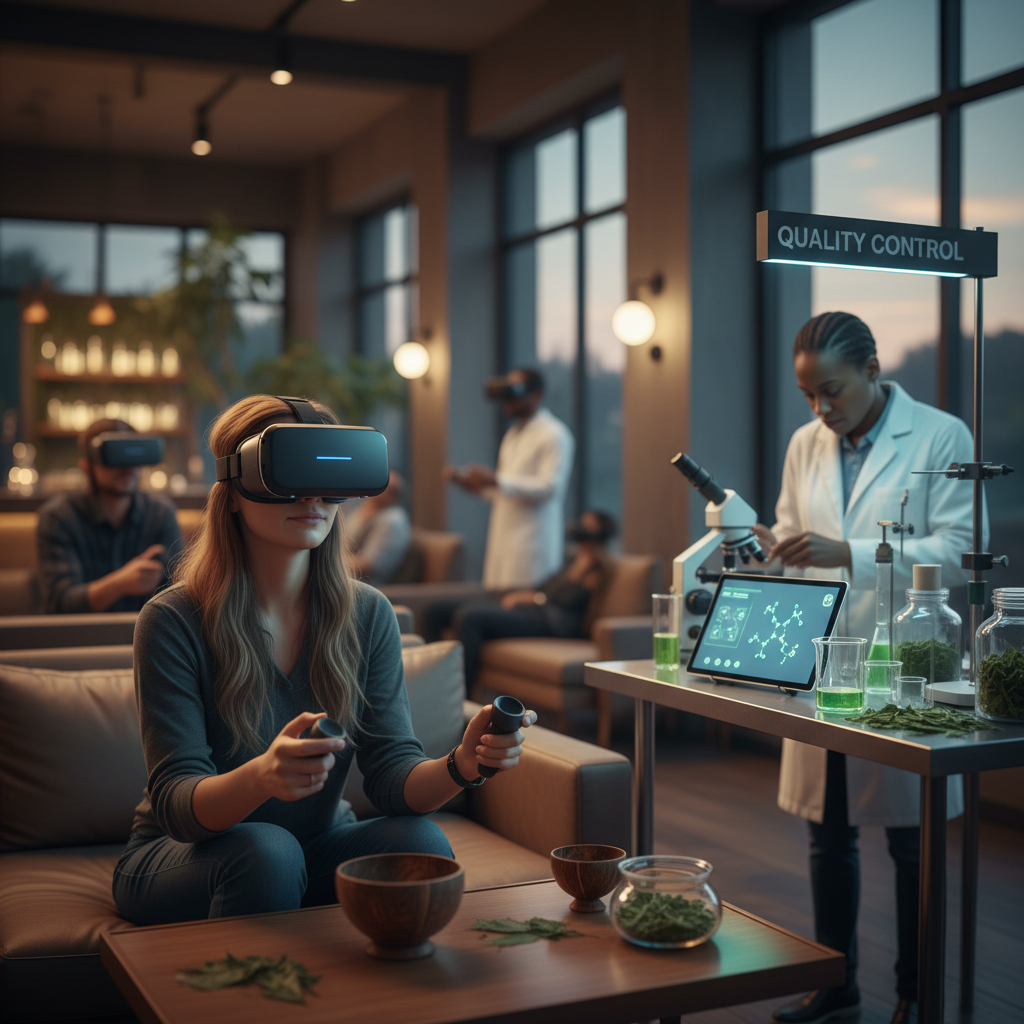
Imagine sipping a shell of kava while virtually exploring the beaches of Fiji or witnessing a traditional kava ceremony in Vanuatu. At places like Pacific Serenity Kava Lounge in California, customers can don VR headsets and immerse themselves in 360-degree cultural experiences. “We wanted to bring the origins of kava to life for our customers,” says owner Leilani Moana. “Many people have never had the chance to visit the Pacific Islands, so this is a way to connect them with the culture behind the drink.”
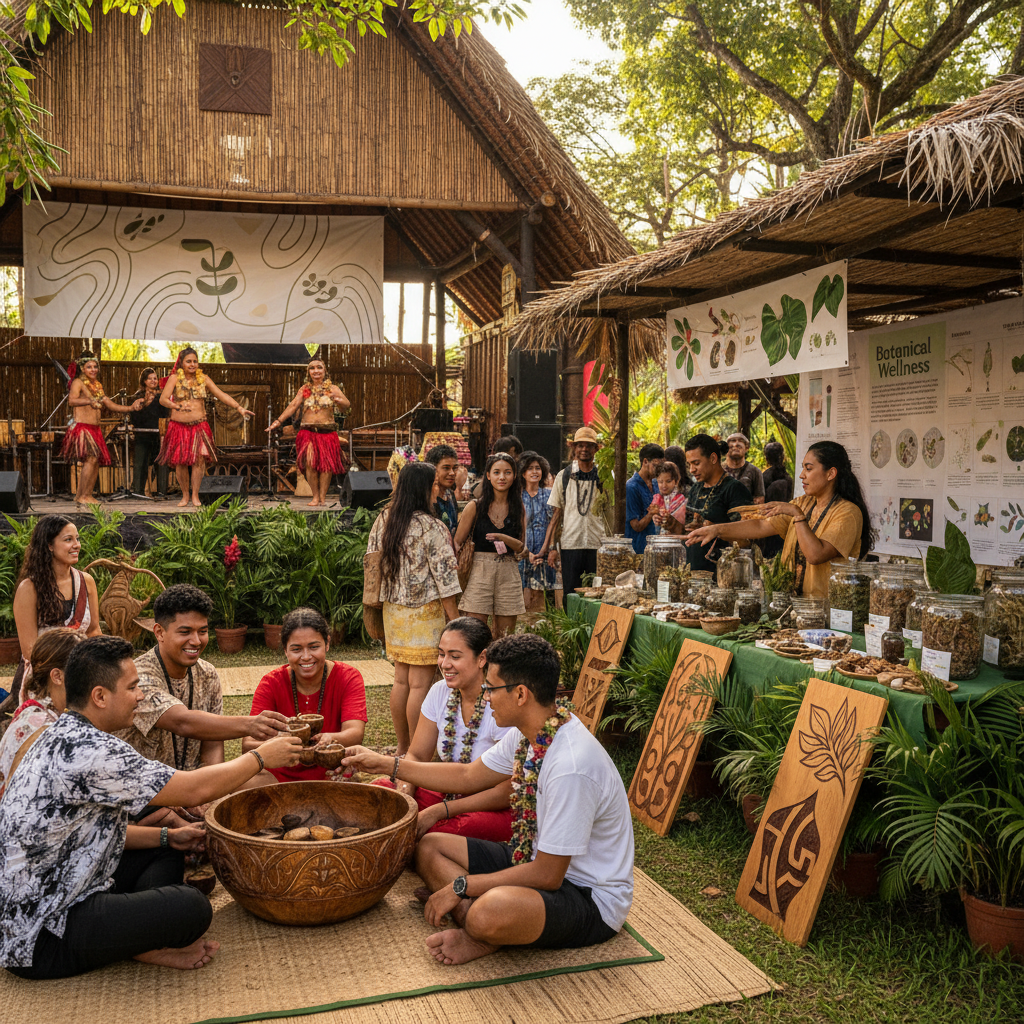
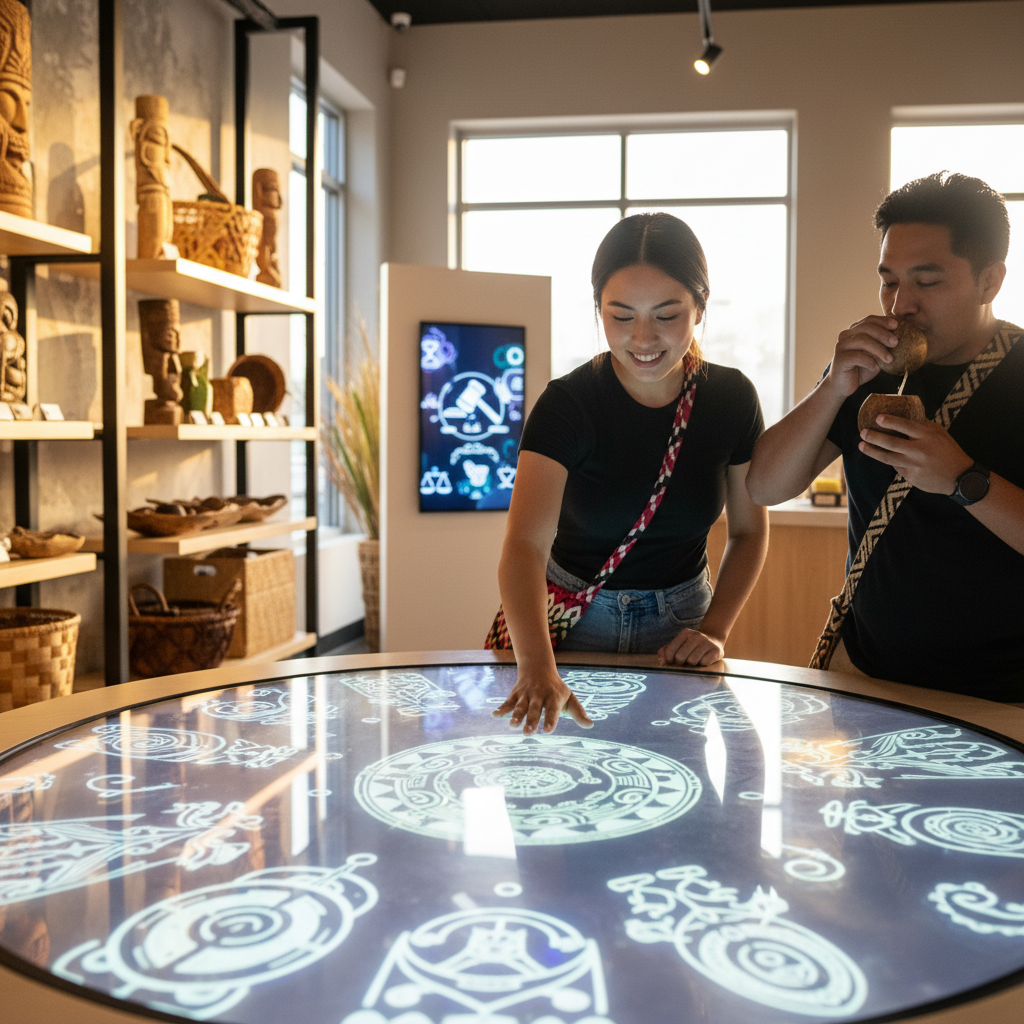
This trend is catching on quickly, with kava bars in cities like Miami, Seattle, and Austin rolling out similar VR setups. Some establishments are even partnering with local Pacific Islander communities to ensure the virtual content is authentic and respectful. Beyond cultural immersion, VR experiences are also being used to enhance relaxation, with guided meditation sessions set in serene tropical landscapes. This fusion of kava’s natural calming properties with cutting-edge tech is creating a unique draw for younger audiences and tech-savvy patrons.
Industry analysts predict that VR could become a game-changer for kava bars, helping them stand out in competitive markets. As more bars adopt this technology, it’s clear that the kava culture is evolving while staying rooted in its heritage. For those curious to try it, check local kava bar listings to see if VR experiences have arrived in your area.
Kratom Industry Pushes Forward with Quality Control Research
While kava bars are embracing innovation, the kratom industry is focusing on a critical issue: ensuring consistent product quality. Kratom, a tropical tree native to Southeast Asia, has gained popularity for its potential to support energy, focus, and relaxation through its alkaloid-rich leaves. However, the industry has faced scrutiny over inconsistent potency and contamination risks in some products. In response, leading kratom vendors and advocacy groups are investing heavily in research to establish stricter quality control standards.
One major initiative comes from the American Kratom Association (AKA), which recently announced a partnership with several universities to study kratom alkaloid profiles and develop standardized testing protocols. “Our goal is to protect consumers by ensuring that every batch of kratom meets a high standard of purity and potency,” explains AKA spokesperson Jenna Harper. The research will also explore best practices for cultivation and processing to minimize contamination risks during production.
In addition, several large kratom suppliers are funding independent lab testing to provide transparency to consumers. Companies like Green Harmony Kratom are now including QR codes on their packaging that link to third-party lab results, showing detailed breakdowns of alkaloid content and confirming the absence of harmful contaminants. This move toward accountability is being praised by kratom users who value safety and reliability in their products.
The push for quality control is also tied to the industry’s broader efforts to gain legitimacy in the eyes of regulators. With kratom’s legal status still in flux in many regions, consistent quality standards could help build trust with policymakers and the public. As research progresses, consumers can expect more reliable kratom products and clearer guidelines for safe use.
Bridging Tradition and Innovation in the Kava and Kratom World
The latest developments in kava bars and the kratom industry highlight a shared commitment to enhancing user experiences while addressing modern challenges. Kava bars are leveraging VR to bring the cultural roots of kava to a global audience, making the drink more accessible and engaging than ever. Meanwhile, kratom stakeholders are tackling safety concerns head-on with scientific research and transparency initiatives, paving the way for a more trusted market.
For enthusiasts of both kava and kratom, these advancements signal an exciting era. Whether you’re unwinding in a VR headset at your local kava bar or scanning a QR code to verify your latest kratom purchase, it’s clear that tradition and innovation are working hand in hand. As these trends unfold, they underscore the resilience and adaptability of the kava and kratom communities.
Have you experienced a VR kava session yet, or do you look for lab-tested kratom products? Share your thoughts in the comments, and stay tuned for more updates on the ever-evolving world of kava and kratom.