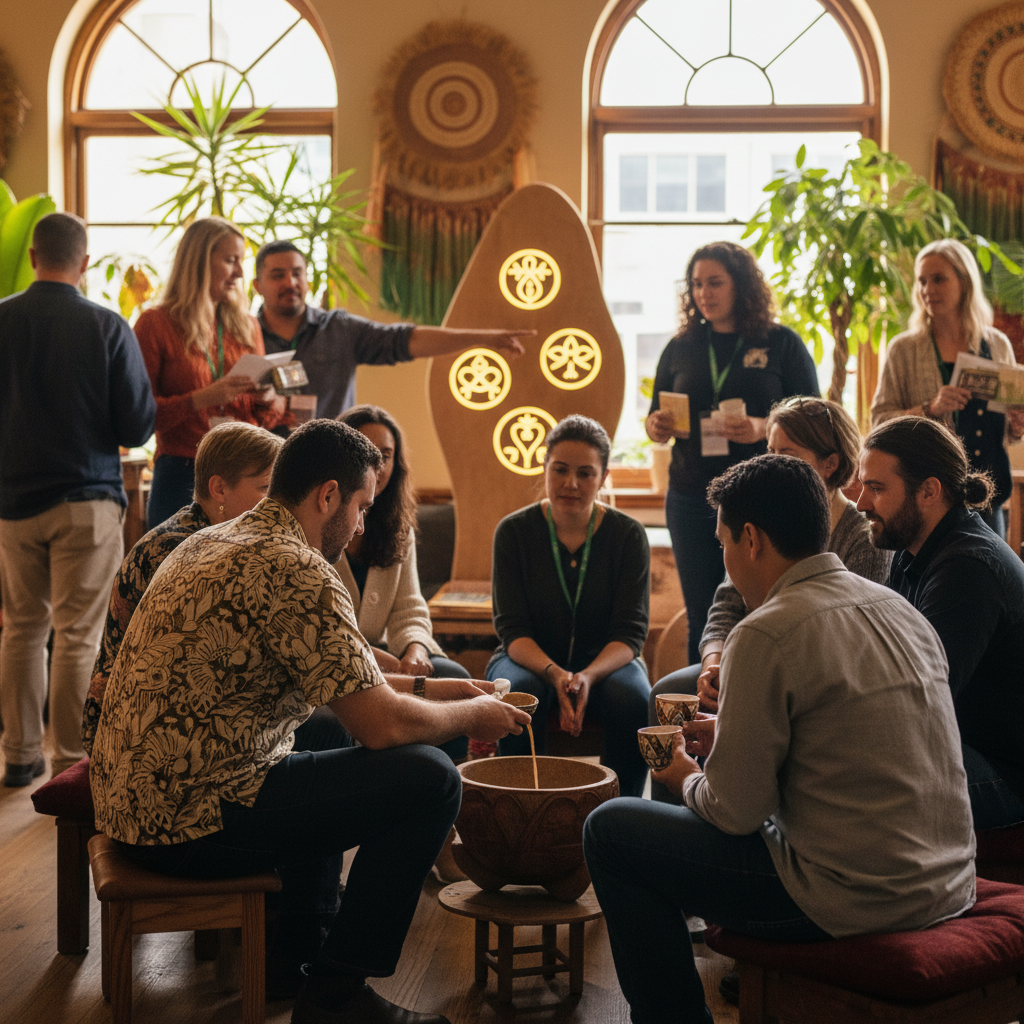
In an exciting development for the kava community, kava bars across the United States and parts of Europe are rolling out cultural exchange events to deepen the public’s understanding of kava’s Pacific Island roots. Meanwhile, the kratom industry is making headlines as advocacy groups and manufacturers unite to push for harmonized global regulations. This dual narrative showcases how both kava and kratom continue to evolve in their cultural and commercial spaces, fostering connection and responsibility. Let’s dive into these stories and explore what they mean for enthusiasts and industry stakeholders alike.
Kava Bars Embrace Cultural Exchange Events
Kava bars, long cherished as social hubs for relaxation and community, are taking their mission a step further by hosting cultural exchange events. These gatherings aim to educate patrons about the traditional practices surrounding kava, a beverage made from the root of the Piper methysticum plant, native to the South Pacific. From Fiji to Vanuatu, kava has been a cornerstone of ceremonial and social life for centuries, and now, kava bars are bringing that heritage to a global audience.
These events often feature guest speakers from Pacific Island communities, traditional music performances, and live demonstrations of kava preparation using authentic methods. For instance, a popular kava bar in San Francisco recently hosted a Fijian kava ceremony, complete with a storytelling session about the drink’s significance in resolving conflicts and strengthening communal bonds. Attendees were invited to participate in the ritual, sipping kava from a shared bowl while learning phrases in Fijian.
“We want people to feel the spirit of kava, not just drink it,” says Malia Tui, owner of a kava bar in Portland, Oregon, who has been organizing monthly cultural nights. “It’s about respect for where kava comes from and understanding its role beyond just a relaxing beverage.” These events are also a response to growing demand from younger audiences who crave authentic, meaningful experiences over mere consumption.
Beyond education, these cultural exchange events are proving to be a boon for kava bars’ visibility and business. Social media posts from attendees often go viral, showcasing the unique ambiance and fostering curiosity among newcomers. Industry observers note that such initiatives could help kava bars differentiate themselves in an increasingly crowded wellness market, cementing their status as cultural ambassadors.
Kratom Industry Advocates for Global Regulation Harmony
On the other side of the herbal spectrum, the kratom industry is grappling with a pressing challenge: the lack of consistent global regulations. Kratom, derived from the leaves of the Mitragyna speciosa tree native to Southeast Asia, has gained a massive following for its potential to support relaxation and focus. However, its legal status varies wildly across countries and even within regions of the same country, creating headaches for manufacturers, vendors, and consumers.
In response, leading kratom advocacy groups, such as the American Kratom Association (AKA), alongside major industry players, are lobbying for harmonized international guidelines. Their goal is to establish science-based standards for quality, safety, and labeling that can be adopted worldwide. At a recent virtual summit, representatives from the kratom supply chain—including growers from Indonesia and Thailand—discussed the need for transparency to combat misinformation and ensure consumer safety.
“We’re at a critical juncture,” says Dr. Elena Hart, a policy advisor for the AKA. “Harmonized regulations would not only protect consumers but also legitimize kratom as a viable botanical product in markets where it’s currently misunderstood or banned.” The push comes as some countries, like Australia and parts of Europe, maintain strict bans on kratom, while others, including certain U.S. states, have varying degrees of legality.
One proposed solution gaining traction is the adoption of Good Manufacturing Practices (GMP) certification for kratom products, similar to standards in the dietary supplement industry. This would ensure that kratom is tested for contaminants and labeled accurately, addressing concerns about adulteration that have plagued the industry. Additionally, advocates are calling for clearer distinctions between kratom as a traditional herb and its use in concentrated extracts, which often carry higher risks.
The road to global regulation harmony is long, but early signs of progress are evident. For example, recent dialogues between U.S. and Southeast Asian stakeholders have sparked hope for bilateral agreements on kratom trade and safety protocols. As these discussions unfold, the kratom community remains optimistic that standardized regulations could pave the way for broader acceptance and sustainable growth.
What This Means for Kava and Kratom Enthusiasts
For fans of kava and kratom, these developments signal a maturing industry that values both cultural integrity and consumer safety. Kava bars’ focus on cultural exchange events offers a unique opportunity to connect with the drink’s origins, fostering a deeper appreciation that goes beyond its calming effects. Whether you’re a regular at your local kava lounge or a curious newcomer, attending one of these events can be a transformative experience.
Meanwhile, the kratom industry’s push for global regulation harmony reflects a commitment to accountability. For consumers, this could mean greater access to high-quality, safe products, regardless of where they live. It also opens the door for more research into kratom’s benefits and risks, potentially shifting public perception in favor of informed use.
Looking Ahead
As kava bars continue to innovate with cultural programming, they’re not just serving drinks—they’re building bridges between communities. At the same time, the kratom industry’s advocacy for standardized regulations could set a precedent for other herbal products facing similar challenges. Together, these efforts highlight the resilience and adaptability of the kava and kratom sectors, ensuring that both remain relevant in a rapidly changing world.
Whether you’re sipping kava at a cultural event or following the latest kratom policy updates, one thing is clear: this is an exciting time to be part of these vibrant communities. Stay tuned for more updates as we continue to cover the evolving landscape of kava and kratom.