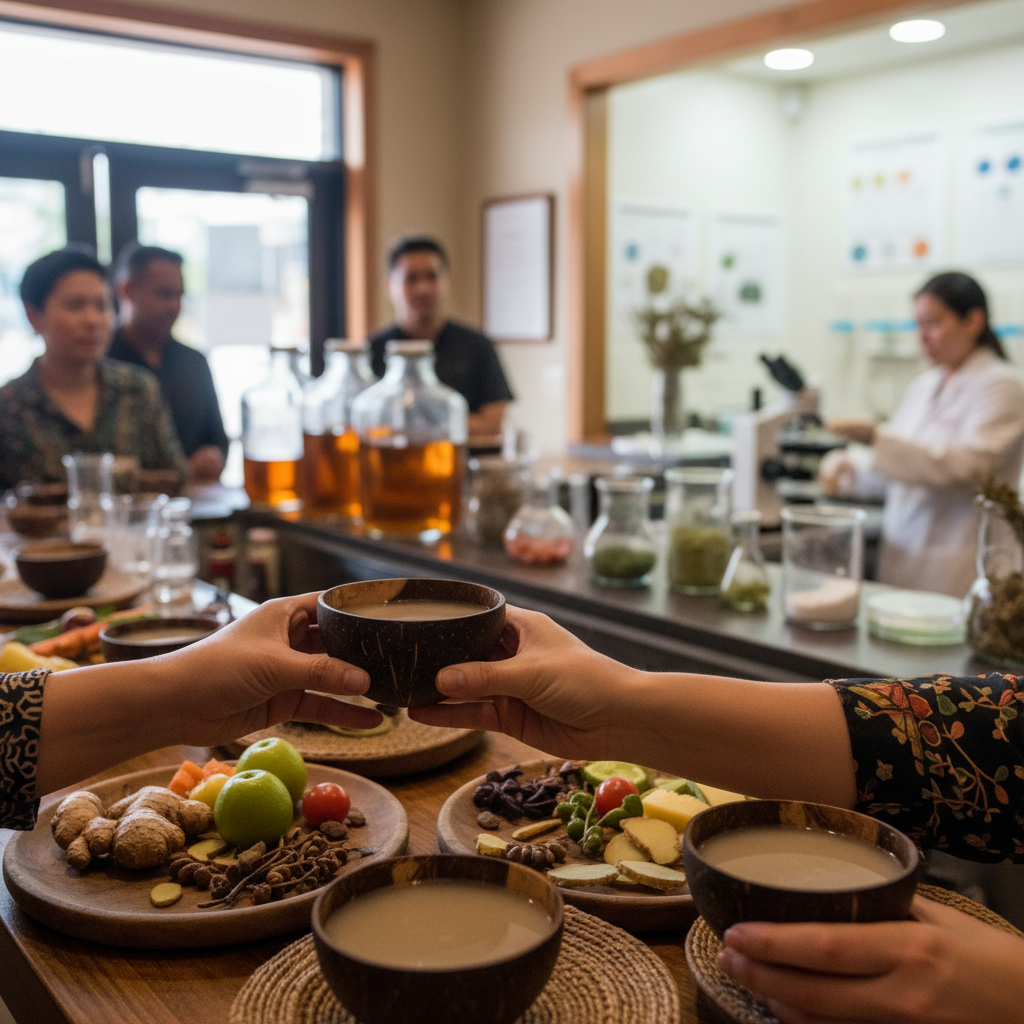
As the kava and kratom communities continue to grow, exciting developments are unfolding in both sectors. Kava bars across the country are diving deeper into the cultural roots of kava by hosting traditional ceremonies, while the kratom industry is buzzing with innovations in extraction techniques that promise to enhance product quality. Let’s explore how these trends are shaping the landscape of these two beloved botanicals.
Kava Bars Bring Tradition to the Forefront
Kava, a plant native to the South Pacific, has long been celebrated for its calming effects and its central role in cultural rituals. In recent years, kava bars in the U.S. have become hubs for relaxation and social connection, offering a unique alternative to traditional nightlife. Now, many of these establishments are taking their commitment to authenticity a step further by incorporating traditional kava ceremonies into their offerings.
From Honolulu to Miami, kava bars are hosting events that mirror the communal practices of Pacific Island cultures. These ceremonies often involve preparing kava in a traditional tanoa (a wooden bowl), chanting, and sharing stories as a group. Attendees are not just sipping kava; they’re immersing themselves in its history and significance. For many, it’s a chance to connect with a centuries-old tradition while enjoying the soothing effects of this natural beverage.
One notable kava bar in San Diego, Kava Haven, recently launched a monthly “Kava Circle” event. “We wanted to honor the roots of kava and educate our customers about its cultural importance,” says owner Malia Kealoha. “It’s not just a drink—it’s a way of bringing people together.” The event has been a hit, drawing both regulars and curious newcomers eager to experience kava in its most authentic form.
These cultural initiatives are also helping kava bars stand out in a competitive market. By offering an experience that goes beyond simply serving a drink, they’re fostering a deeper appreciation for kava and building loyal communities around their spaces. If you’re near a kava bar, check their event calendar—you might just find yourself participating in a ritual that’s been practiced for generations.
Kratom Industry Innovates with Extraction Techniques
Meanwhile, the kratom industry is making waves with advancements in how the plant’s active compounds are extracted. Kratom, a tropical tree from Southeast Asia, is known for its alkaloids, mitragynine and 7-hydroxymitragynine, which are believed to contribute to its effects on mood and energy. Traditionally, kratom leaves are dried and ground into a powder, but new extraction methods are aiming to create more consistent and potent products.
One of the most talked-about developments is the rise of water-based and ethanol-based extraction processes. These methods isolate specific alkaloids, allowing manufacturers to produce concentrated extracts that can be used in smaller doses. This innovation is particularly significant for users who prefer a more precise experience or are looking to avoid the sometimes bitter taste of raw kratom powder.
Industry leaders are optimistic about what this means for the future of kratom. “Better extraction techniques can improve the quality and consistency of kratom products,” notes Dr. Aaron Tan, a researcher specializing in herbal supplements. “This could also help with standardization, which is a key concern for both consumers and regulators.”
However, these advancements aren’t without challenges. Some in the kratom community worry that highly concentrated extracts could lead to misuse if not properly regulated or labeled. Advocates are pushing for clear guidelines to ensure that these new products are safe and accessible to informed users. As the industry navigates these changes, transparency and education remain top priorities.
Kava’s Health Benefits Under the Microscope
Adding to the excitement around kava is a recent wave of studies exploring its potential health benefits. While kava has long been used as a natural relaxant, researchers are now delving into its effects on anxiety, stress, and sleep quality. A study published last month by the Pacific Herbal Research Institute found that kavalactones—the active compounds in kava—may interact with the brain’s GABA receptors in a way that promotes calmness without the sedative side effects of some pharmaceutical options.
This research is particularly promising for those seeking natural alternatives to manage stress. “Kava shows potential as a non-addictive option for relaxation,” says lead researcher Dr. Leilani Moana. “We’re still in the early stages, but the preliminary results are encouraging.”
These findings are also fueling interest in kava bars as wellness destinations. Many patrons report feeling a sense of mental clarity and relaxation after a kava session, and studies like this one provide scientific backing to their experiences. However, researchers caution that more long-term studies are needed to fully understand kava’s effects and optimal usage.
It’s worth noting that kava isn’t without controversy—past concerns about liver toxicity have led to bans in some countries. Modern research suggests that these risks may be tied to improper preparation or contamination rather than the plant itself, but it’s a reminder to source kava from reputable vendors and consume it in moderation.
What’s Next for Kava and Kratom?
The kava and kratom industries are at a fascinating crossroads. Kava bars are becoming cultural ambassadors, offering a window into Pacific traditions while providing a space for relaxation in an increasingly fast-paced world. At the same time, kratom manufacturers are pushing the boundaries of science to refine their products and meet growing demand for quality and consistency.
For enthusiasts of these botanicals, it’s an exciting time to stay engaged. Whether you’re attending a kava ceremony at your local bar or exploring the latest kratom extracts, there’s always something new to discover. As both industries evolve, one thing remains clear: kava and kratom are more than just trends—they’re deeply rooted practices finding fresh relevance in today’s wellness landscape.
Have you experienced a traditional kava ceremony or tried a new kratom product? Share your thoughts in the comments—we’d love to hear how these developments are impacting your journey with these incredible plants.