In the ever-evolving world of natural relaxation remedies, kava and kratom continue to carve out significant spaces in wellness and social circles. This month, exciting developments are unfolding as kava bars introduce innovative cultural immersion events to deepen community engagement, while the kratom industry doubles down on sustainable sourcing practices to ensure long-term viability. Let’s dive into these trends and explore how they’re shaping the landscape for enthusiasts and newcomers alike.
Kava Bars Embrace Cultural Immersion with New Events
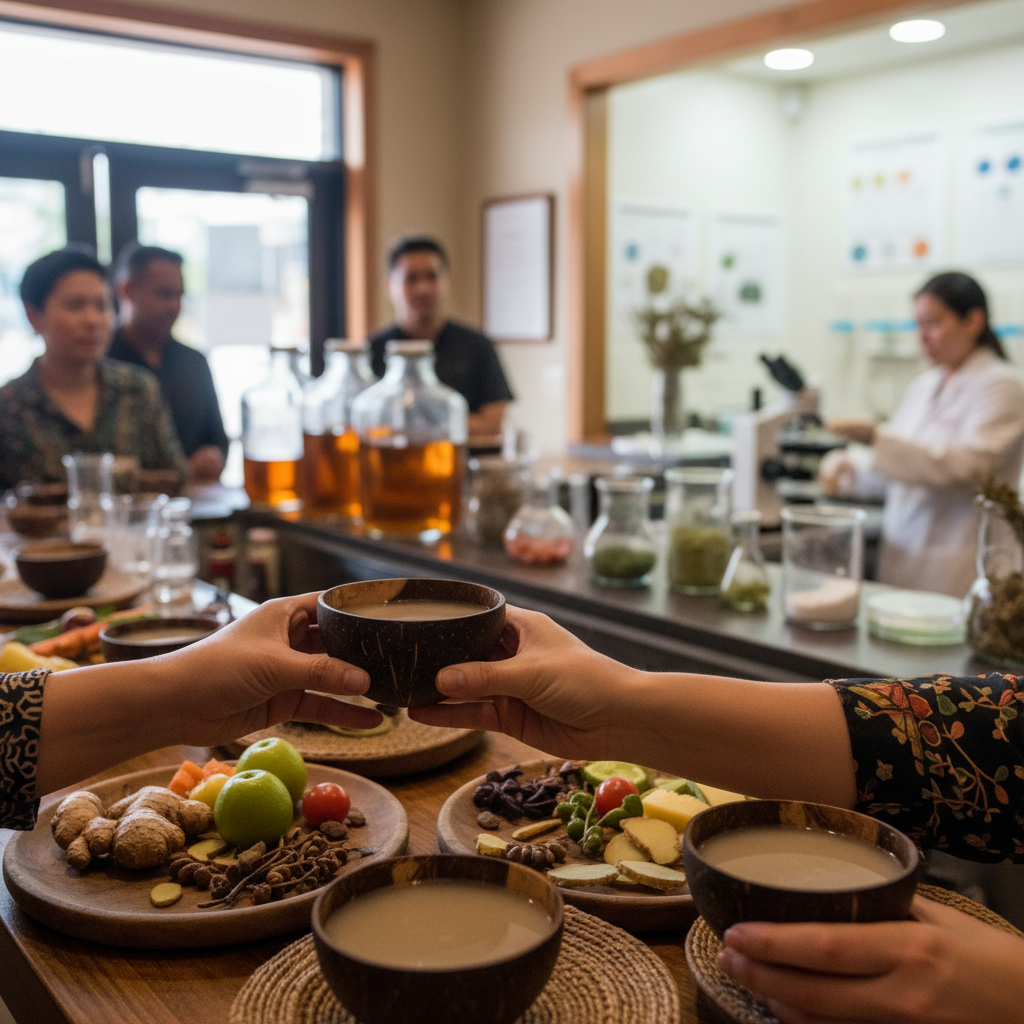
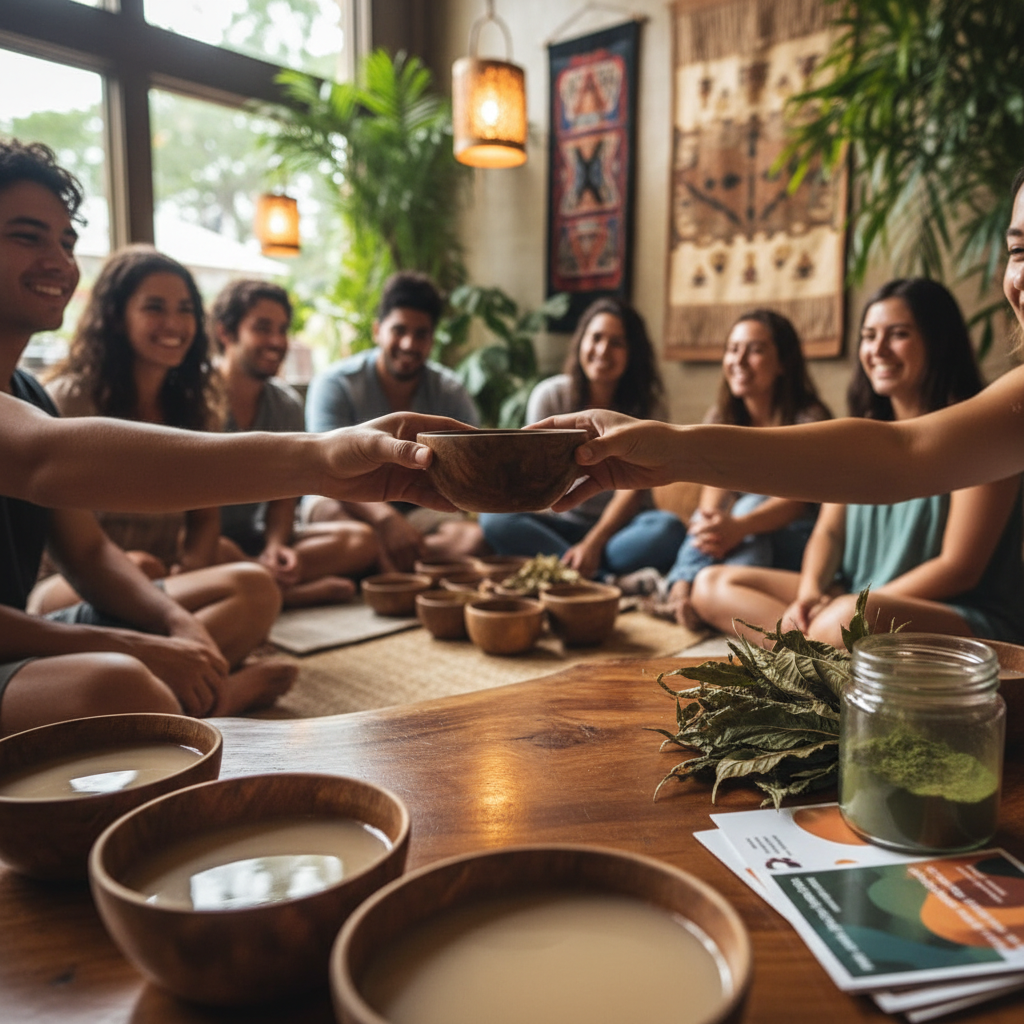
Kava bars have long been cherished as havens for relaxation, where patrons sip on the earthy, calming kava root drink and unwind from the stresses of daily life. Originating from the South Pacific, kava (Piper methysticum) has a rich cultural history tied to communal bonding and ceremonial use. Recognizing this heritage, many kava bars across the United States are now rolling out cultural immersion events to educate patrons and celebrate the roots of this traditional beverage.
From Honolulu to Miami, kava bars are hosting themed nights that feature storytelling sessions about Polynesian traditions, live demonstrations of traditional kava preparation, and even workshops on crafting kava bowls or 'tanoa.' One notable example is Aloha Kava Lounge in San Diego, which recently launched a monthly “Pacific Roots Night.” Attendees participate in guided kava ceremonies led by cultural ambassadors from Fiji and Vanuatu, learning the significance of kava in fostering community and respect. “We want our customers to feel the spirit of kava beyond just the drink,” says owner Leilani Moana. “It’s about connection—both to each other and to the history of this sacred plant.”
These events are not only enriching for patrons but also serve as a powerful marketing tool. Social media buzz around #PacificRootsNight has driven foot traffic to Aloha Kava Lounge by 30% on event nights, according to Moana. Other kava bars are taking note, with places like Kava Konnection in Asheville planning similar cultural showcases featuring live ukulele music and educational talks on kava’s role in Pacific Island societies. This trend underscores a growing desire for authentic experiences in the kava community, bridging the gap between modern relaxation spaces and ancient traditions.
Kratom Industry Shifts Toward Sustainable Sourcing
While kava bars focus on cultural storytelling, the kratom industry is addressing a pressing concern: sustainability. Kratom (Mitragyna speciosa), a tropical tree native to Southeast Asia, has gained immense popularity for its potential to support relaxation, focus, and mild pain relief. However, the rapid rise in demand has put pressure on wild kratom populations, particularly in countries like Indonesia and Thailand, where overharvesting threatens local ecosystems.
In response, leading kratom vendors and advocacy groups are prioritizing sustainable sourcing initiatives. The American Kratom Association (AKA) recently partnered with several Indonesian farmers to develop fair-trade certification programs that ensure ethical harvesting practices. These programs incentivize farmers to cultivate kratom on managed plantations rather than stripping wild trees, preserving biodiversity while maintaining supply. “Sustainability isn’t just a buzzword for us,” says AKA spokesperson Jenna Carter. “It’s about protecting the future of kratom for both consumers and the communities that depend on it economically.”
Additionally, companies like Green Leaf Kratom Co. are investing in reforestation projects in kratom-growing regions. For every pound of kratom sold, they pledge to plant a tree in partnership with local environmental organizations. This initiative not only offsets the ecological impact of kratom production but also builds goodwill among environmentally conscious consumers. As sustainability becomes a key selling point, expect more kratom brands to highlight their green credentials in 2026.
Health Benefits of Kava: What Recent Studies Reveal
Amidst these industry updates, kava’s health benefits remain a hot topic, with new research shedding light on its therapeutic potential. A 2025 study published in the Journal of Ethnopharmacology explored kava’s active compounds, known as kavalactones, and their impact on stress reduction. The study, conducted on a small group of participants with mild anxiety, found that daily kava consumption over four weeks significantly lowered cortisol levels—a key stress hormone—without the sedative side effects often associated with pharmaceutical alternatives.
These findings align with anecdotal reports from kava bar regulars who praise the drink for its calming effects without impairing mental clarity. “I can sip kava after work and still feel sharp enough to handle emails or chat with friends,” shares Mia Torres, a frequent visitor to Kava Haven in Portland. Beyond stress relief, researchers are also investigating kava’s potential to support sleep quality and muscle relaxation, though more extensive clinical trials are needed to confirm these benefits.
However, experts caution that kava isn’t without risks. Prolonged heavy use has been linked to rare cases of liver toxicity, prompting health professionals to recommend moderation and consultation with a doctor, especially for those with pre-existing liver conditions. Kava bars are stepping up by educating patrons on safe consumption guidelines, often posting dosage recommendations and sourcing information to ensure transparency.
Looking Ahead: A Unified Future for Kava and Kratom
As kava bars innovate with cultural immersion events and the kratom industry tackles sustainability, both sectors demonstrate a commitment to growth that respects their origins and environments. For kava enthusiasts, these cultural events offer a deeper appreciation of the drink’s heritage, transforming a night out into a meaningful experience. For kratom users, sustainable sourcing initiatives provide reassurance that their favorite botanical will remain accessible without harming the planet.
Together, these developments signal a maturing industry that balances tradition with modern demands. Whether you’re a longtime fan or curious newcomer, 2026 promises to be an exciting year for kava and kratom. So, why not visit a local kava bar to experience a cultural event firsthand, or research kratom brands that prioritize ethical practices? The world of natural relaxation is evolving, and there’s never been a better time to be part of it.