In the ever-evolving world of natural relaxation and wellness, kava and kratom continue to carve out significant spaces in the cultural and commercial landscapes. This week, we’re diving into exciting developments in the kava bar scene, where live cultural performances are transforming the customer experience, while the kratom industry responds to growing consumer demand for stricter quality standards. These trends highlight the dynamic nature of both industries as they adapt to modern needs while staying rooted in tradition.
Kava Bars Embrace Cultural Roots with Live Performances
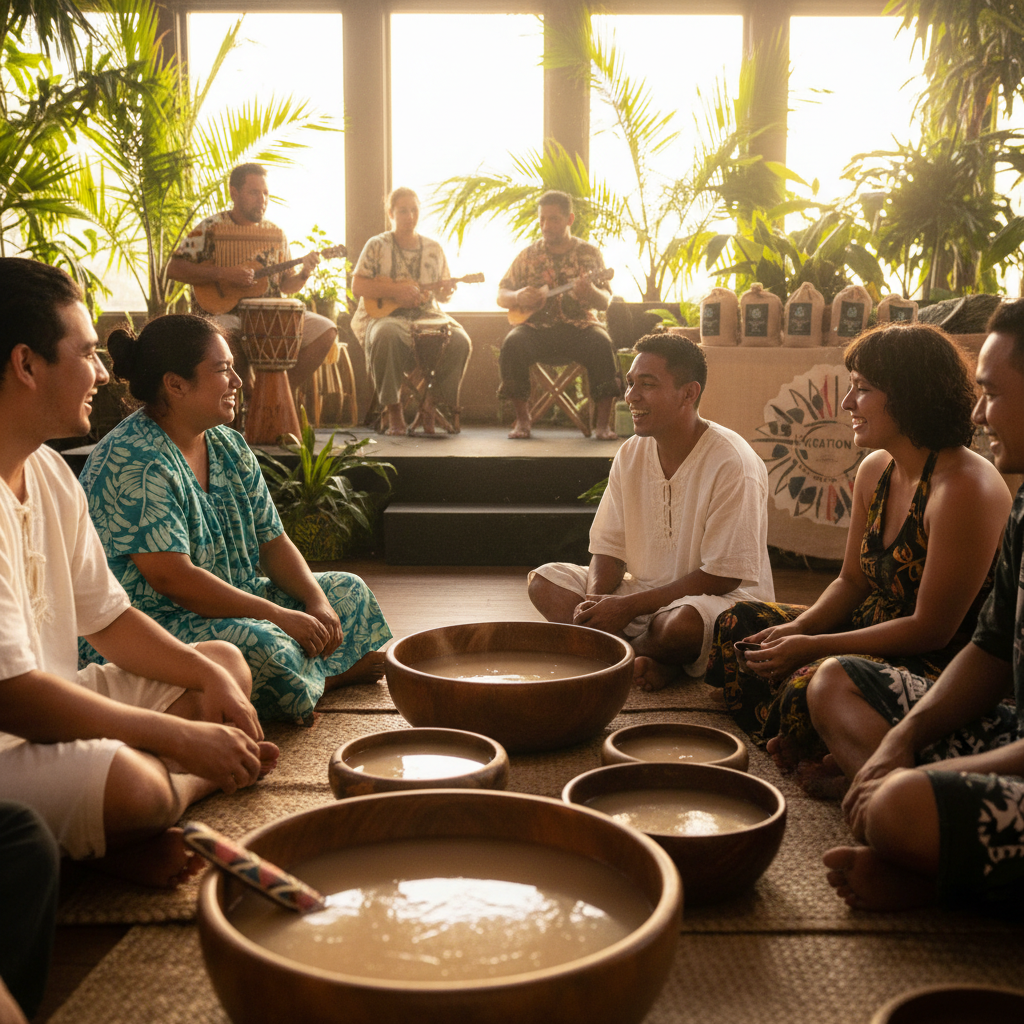
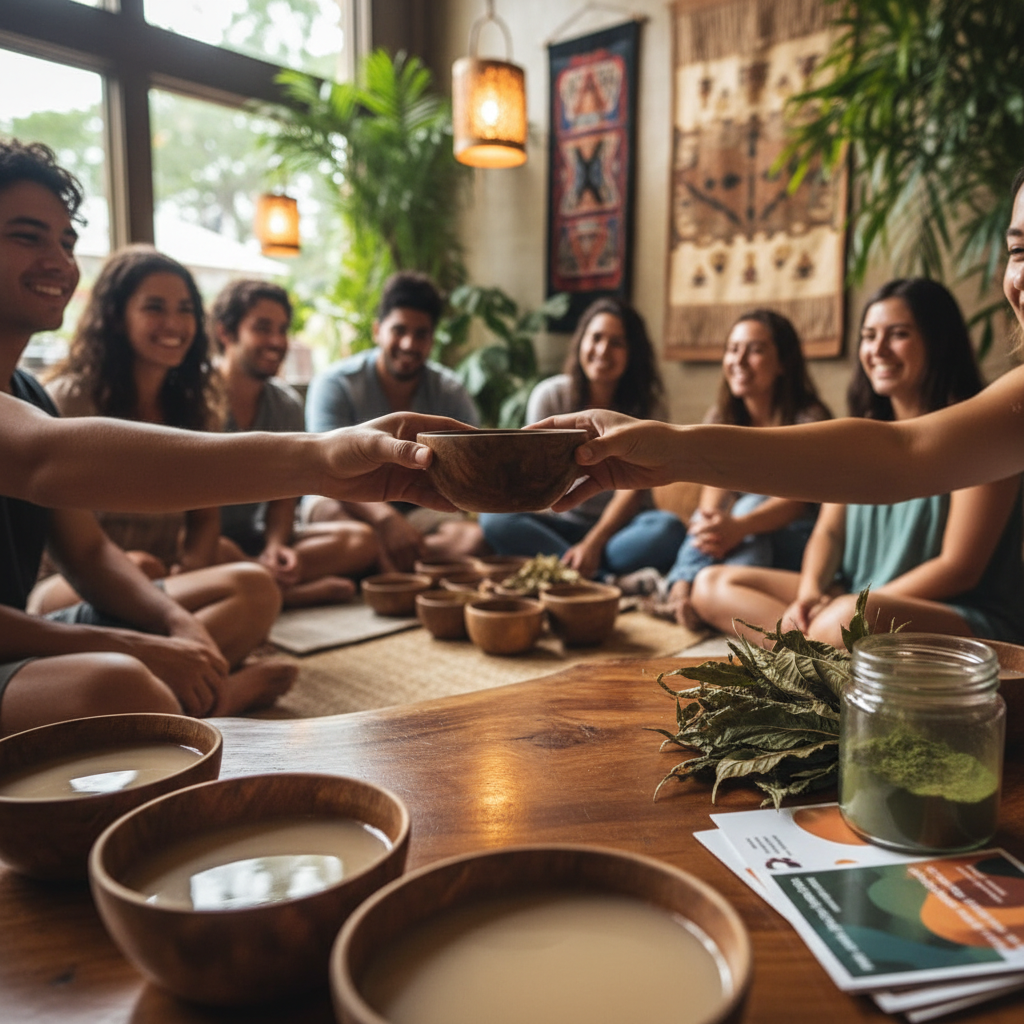
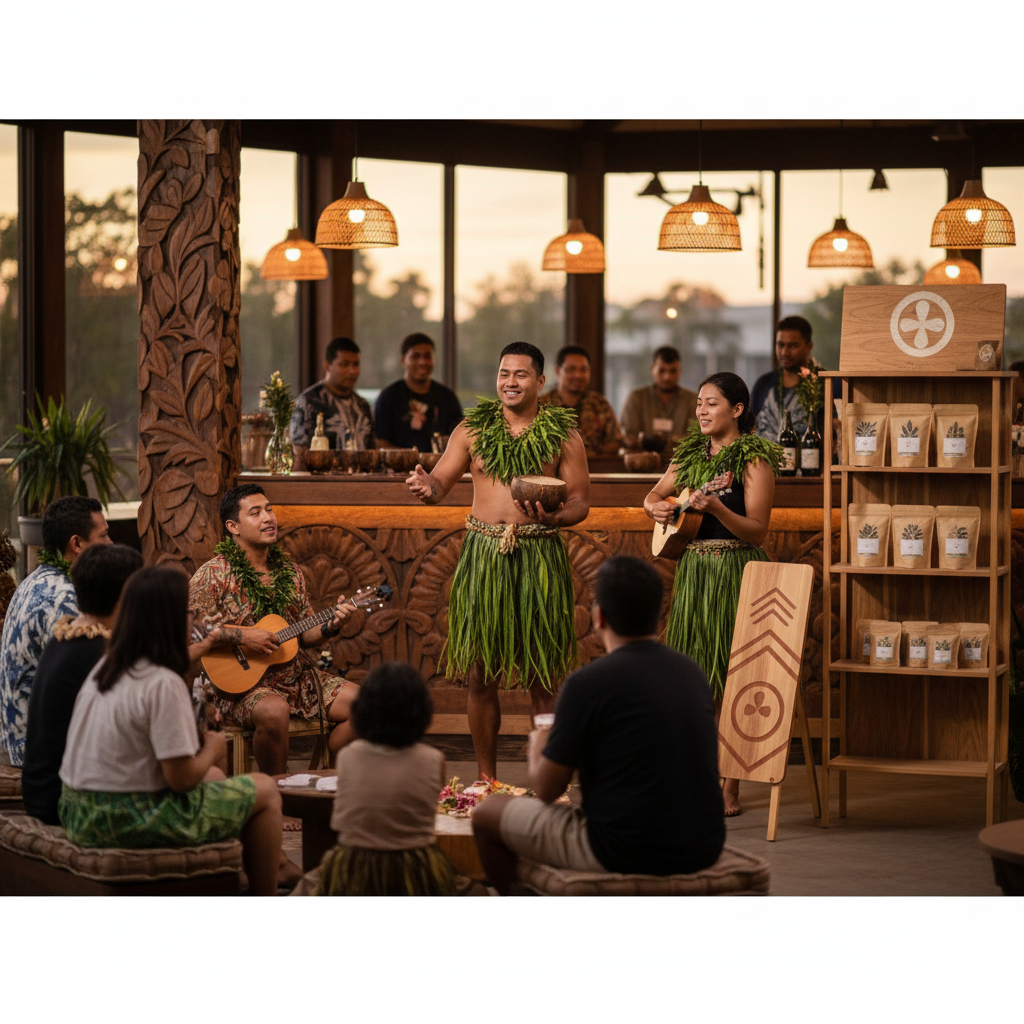
Kava bars, long cherished as communal hubs for relaxation and connection, are taking a bold step forward by integrating live cultural performances into their offerings. Across the United States, from coastal cities like San Diego to urban centers like Austin, kava bars are hosting events that feature traditional Polynesian music, hula dancing, and storytelling sessions. These performances aim to honor the origins of kava, a beverage derived from the root of the Piper methysticum plant, which has been a cornerstone of Pacific Island cultures for centuries.
At places like Island Breeze Kava Lounge in Honolulu, owners are partnering with local artists to create immersive experiences. “Kava isn’t just a drink; it’s a cultural bridge,” says owner Malia Kealoha. “By bringing in live performances, we’re educating our patrons about the history and significance of kava while offering a unique night out.” Customers can sip on freshly prepared kava bowls while enjoying rhythmic drumming or learning about ancient kava ceremonies directly from cultural practitioners.
This trend is also a strategic move for kava bars looking to stand out in a competitive market. With more establishments popping up, creating a distinct identity is crucial. Bars in cities like Miami are even hosting “Kava and Culture” nights, blending modern relaxation with authentic South Pacific vibes. Social media buzz around these events shows patrons are thrilled, often sharing videos of performances with hashtags like #KavaCulture and #RelaxWithRoots. For the industry, this is a win-win: deeper cultural appreciation and increased foot traffic.
Kratom Industry Responds to Demand for Quality Standards
Meanwhile, on the kratom front, the industry is experiencing a pivotal moment as consumers and advocates push for higher quality standards. Kratom, derived from the leaves of the Mitragyna speciosa tree native to Southeast Asia, has gained a loyal following for its potential to support relaxation and focus. However, concerns over product purity and consistency have prompted a wave of action among vendors and industry leaders.
Recent surveys indicate that over 70% of kratom users prioritize lab-tested products, driving companies to adopt third-party testing for alkaloids like mitragynine and 7-hydroxymitragynine. Organizations such as the American Kratom Association (AKA) are spearheading efforts to establish Good Manufacturing Practices (GMP) certification as a norm. “Our goal is to ensure every batch of kratom meets strict safety and quality benchmarks,” notes AKA spokesperson Daniel Rivera. “This builds trust and protects the future of kratom access.”
Smaller vendors are feeling the pressure to comply, with many investing in transparent supply chains. For instance, companies like PureLeaf Kratom now publish detailed lab reports on their websites, showcasing contaminant-free products sourced directly from ethical farmers in Indonesia. This shift is partly fueled by consumer education—online forums and social media groups are abuzz with discussions on how to identify reputable kratom sources. As a result, the industry is seeing a surge in demand for premium, traceable products, even if they come at a higher price point.
New Studies Highlight Kava’s Health Benefits
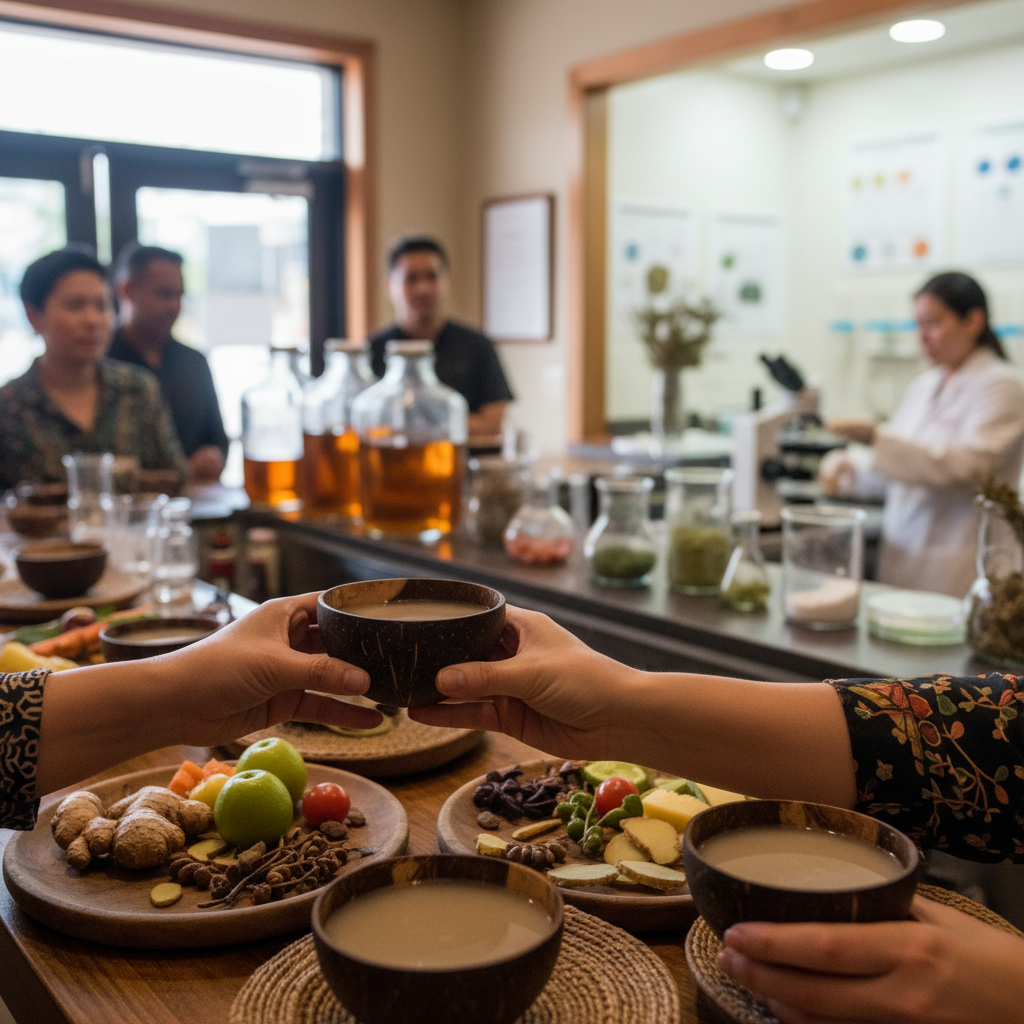
Adding to the momentum in the kava world, recent research continues to shed light on the potential health benefits of this ancient beverage. A study published in the Journal of Ethnopharmacology this month explored kava’s anxiolytic properties, suggesting that compounds called kavalactones may help reduce stress and promote a sense of calm without the sedative effects of pharmaceutical alternatives. Conducted by a team at the University of Melbourne, the study involved a small cohort of participants who reported significant improvements in mood after consuming kava extracts over a four-week period.
While the research is preliminary, it aligns with anecdotal evidence from kava enthusiasts who have long touted its calming effects. “Kava helps me unwind after a long day without clouding my mind,” shares regular kava bar patron Jason Tui in Portland. The study also noted minimal side effects, countering past concerns about liver toxicity when kava is prepared traditionally or sourced responsibly. This is promising news for the industry, as it could encourage wider acceptance and potentially influence regulatory perspectives on kava consumption.
For kava bar owners, such studies are a goldmine for marketing. Many are already promoting “stress-relief nights” with signage that references scientific backing. This not only educates customers but also positions kava as a legitimate wellness option in a crowded market of relaxation aids.
What’s Next for Kava and Kratom?
Both kava and kratom industries are at exciting crossroads. Kava bars are redefining themselves as cultural destinations, blending education with entertainment to enrich the customer experience. This trend could inspire a new wave of kava-focused tourism, especially in areas with strong Pacific Islander communities. Meanwhile, the kratom industry’s push for quality standards is setting a precedent for accountability, which may shape future regulations and consumer expectations.
As these sectors grow, collaboration between kava and kratom advocates could amplify their impact. Joint educational campaigns or shared events at kava bars that also offer kratom products might bridge the gap for curious newcomers. One thing is clear: the commitment to tradition, quality, and community remains at the heart of both movements.
Whether you’re a longtime kava sipper, a kratom enthusiast, or just curious about natural relaxation options, these developments signal a vibrant future. Have you visited a kava bar with live performances, or do you prioritize lab-tested kratom? Share your thoughts in the comments below, and stay tuned for more updates on this fascinating industry!