Kava Bars: A New Frontier in Wellness and Relaxation
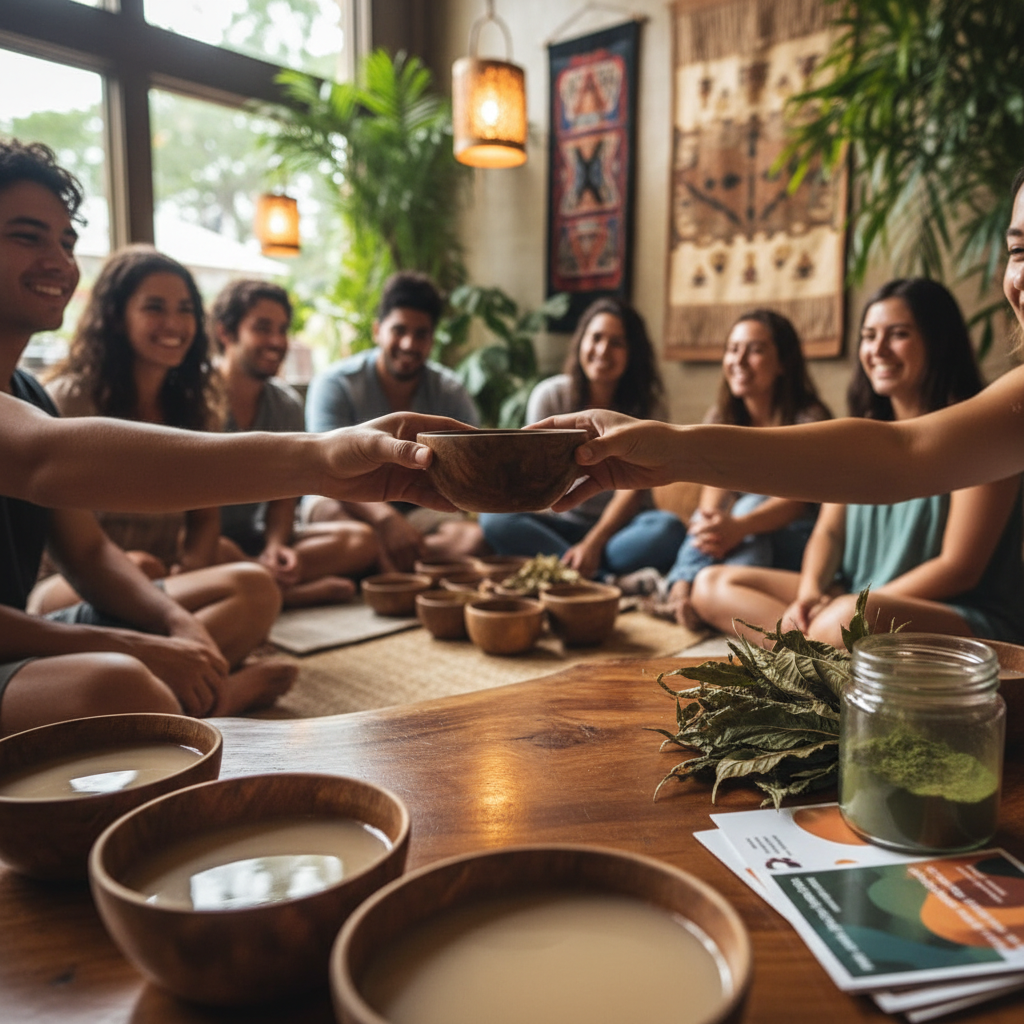
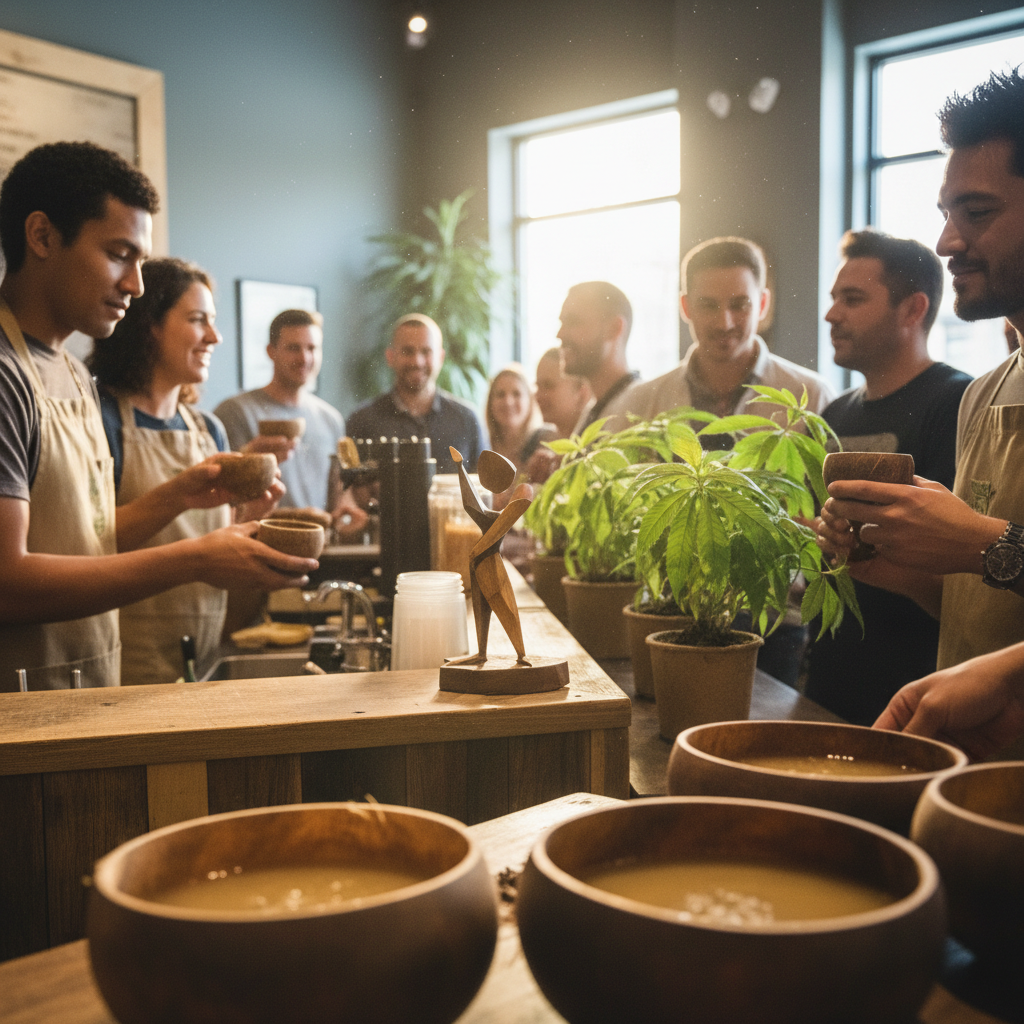
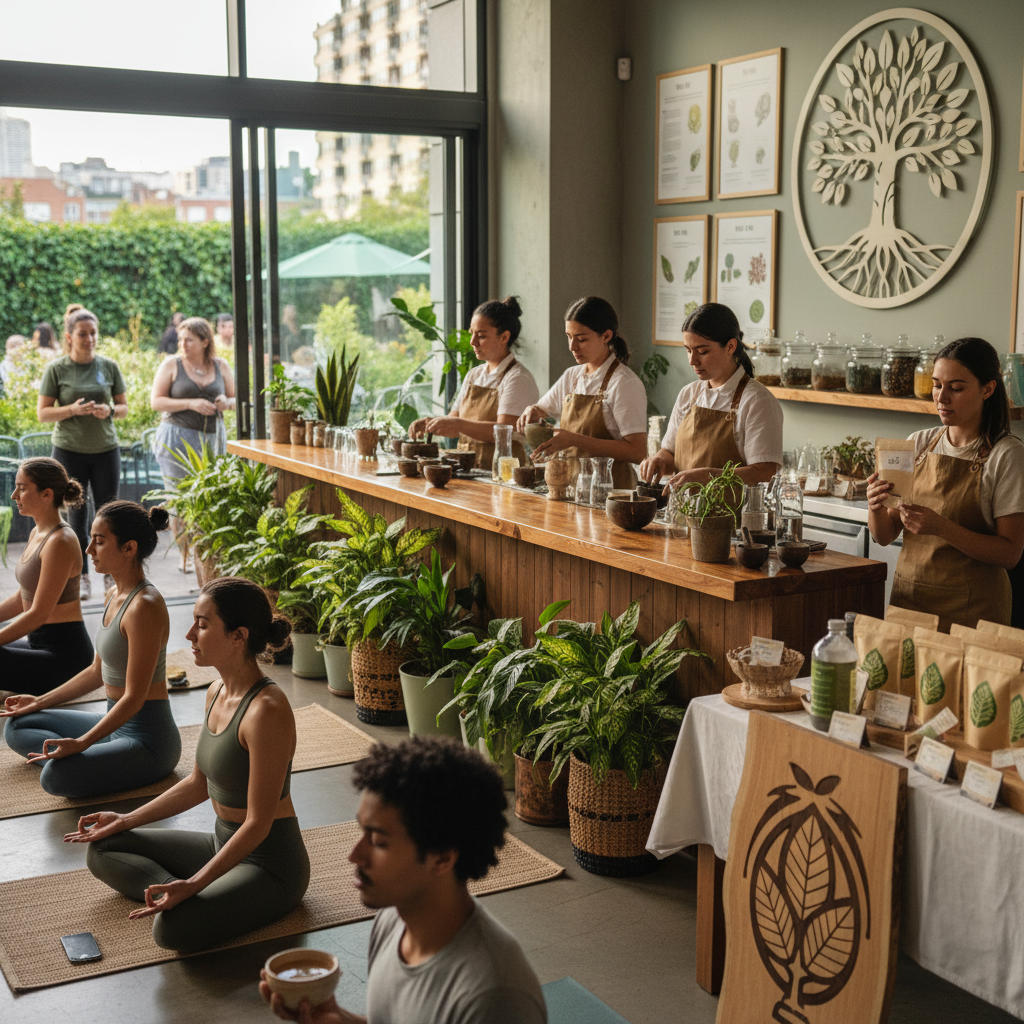
In recent years, kava bars have emerged as unique social hubs across the United States, offering a serene escape from the hustle and bustle of daily life. Known for serving traditional kava drinks, these establishments are now taking relaxation to the next level by introducing innovative wellness programs. From guided meditation sessions to kava-infused yoga classes, kava bars are blending ancient Pacific Island traditions with modern self-care practices, creating a holistic experience for their patrons.
Kava, a root native to the South Pacific, has been used for centuries in cultural ceremonies for its calming effects. When prepared as a drink, kava is known to promote relaxation without impairing mental clarity, making it an ideal centerpiece for wellness-focused events. At places like 'Kava Calm' in San Diego, owners are hosting weekly 'Kava & Mindfulness' nights where guests sip on kava while participating in stress-relief workshops. 'We want to create a space where people can unwind and reconnect with themselves,' says owner Maya Thompson. 'Kava’s natural properties enhance these experiences, fostering a sense of peace and community.'
These wellness programs are also attracting a diverse crowd, from curious newcomers to seasoned kava enthusiasts. Some kava bars are even partnering with local health practitioners to offer educational talks on the benefits of kava, covering topics like its potential to ease anxiety and improve sleep quality. As this trend grows, kava bars are positioning themselves not just as places to socialize, but as sanctuaries for mental and emotional well-being.
Kava’s Health Benefits: What the Latest Research Says
While kava bars are innovating on the cultural front, scientific interest in kava’s health benefits continues to grow. Recent studies have explored kava’s potential as a natural remedy for stress and mild anxiety, reinforcing what Pacific Islanders have known for generations. A 2025 meta-analysis published in a leading herbal medicine journal found that kava extracts, when consumed responsibly, may help reduce symptoms of anxiety with fewer side effects than some pharmaceutical alternatives.
The active compounds in kava, known as kavalactones, are believed to interact with the brain’s GABA receptors, promoting a calming effect without sedation. Researchers caution, however, that moderation is key, as excessive consumption or low-quality kava products can pose risks to liver health. This underscores the importance of sourcing kava from reputable suppliers—a practice that many kava bars are prioritizing to ensure safety and authenticity for their customers.
For those exploring kava as a wellness tool, experts recommend starting with small doses and consulting with healthcare providers, especially if taking other medications. As research progresses, kava’s reputation as a natural relaxant is becoming more widely accepted, further fueling the popularity of kava bars and at-home kava consumption.
Kratom Industry Faces Challenges with Public Perception
While kava enjoys a relatively positive spotlight, the kratom industry is grappling with a different set of challenges. Kratom, a tropical plant from Southeast Asia, has gained a loyal following for its reported effects on energy, focus, and pain relief. However, misinformation and regulatory uncertainty continue to cast a shadow over the industry, making consumer education a top priority for advocates and vendors alike.
One of the biggest hurdles for the kratom industry is combating myths about its safety and legality. Despite being legal in many U.S. states, kratom faces bans in others due to concerns over potential dependency and inconsistent product quality. Industry leaders are pushing back by funding independent research and working with organizations like the American Kratom Association to establish standardized testing protocols. 'Our goal is to ensure that consumers have access to safe, pure kratom products while dispelling unfounded fears,' says industry spokesperson Daniel Rivera.
In addition, kratom vendors are investing in transparency by providing detailed lab reports and educating customers on proper dosing. Online forums and community events at kava bars—where kratom is sometimes discussed alongside kava—are becoming vital platforms for sharing accurate information. As the industry matures, these efforts could help reshape public perception and pave the way for broader acceptance.
The Intersection of Kava and Kratom Culture
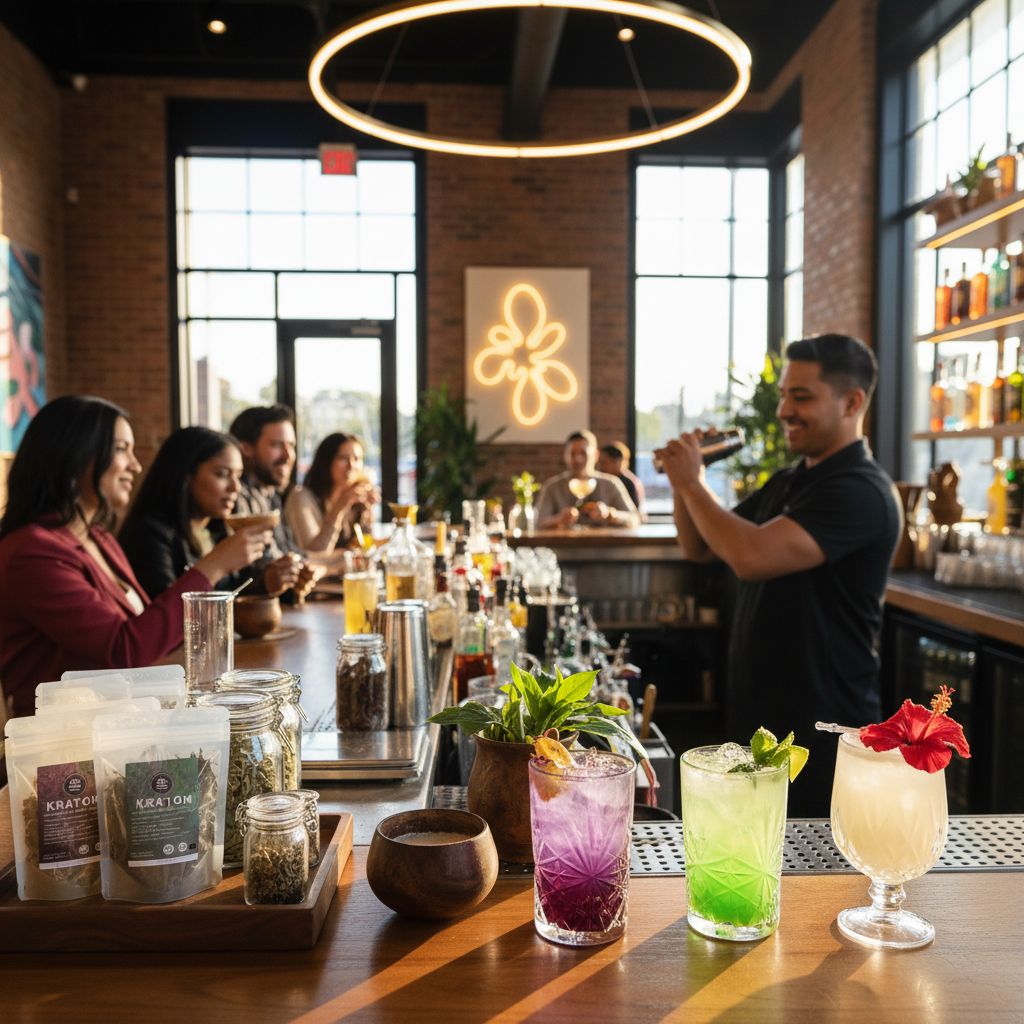
Interestingly, kava bars are often a meeting point for enthusiasts of both kava and kratom, as the two plants share a similar appeal among those seeking natural alternatives to mainstream stimulants or relaxants. While kava is celebrated for its calming properties, kratom offers a spectrum of effects depending on the strain and dosage, ranging from energizing to soothing. Some kava bars have started hosting discussion nights where patrons can learn about both plants, fostering a deeper understanding of their cultural and practical uses.
However, not all kava bars choose to embrace kratom due to its controversial status. Those that do often emphasize education over sales, ensuring that customers understand the differences between the two plants and their respective risks and benefits. This intersection of kava and kratom culture highlights a growing interest in plant-based wellness, even as the industries navigate distinct challenges.
Looking Ahead: Growth and Responsibility in the Kava and Kratom Industries
As kava bars continue to innovate with wellness programs, they’re setting a new standard for what social spaces can offer. Meanwhile, the kratom industry’s focus on education and quality control signals a commitment to responsible growth. Both sectors face the common goal of balancing cultural heritage with modern demand, ensuring that their products remain safe and accessible to informed consumers.
For anyone curious about kava or kratom, visiting a local kava bar or researching reputable vendors is a great starting point. Whether you’re sipping a shell of kava during a mindfulness session or exploring kratom’s effects through trusted sources, these plants offer a unique glimpse into ancient traditions adapted for today’s world. As research and community efforts expand, the future looks promising for both kava and kratom enthusiasts.