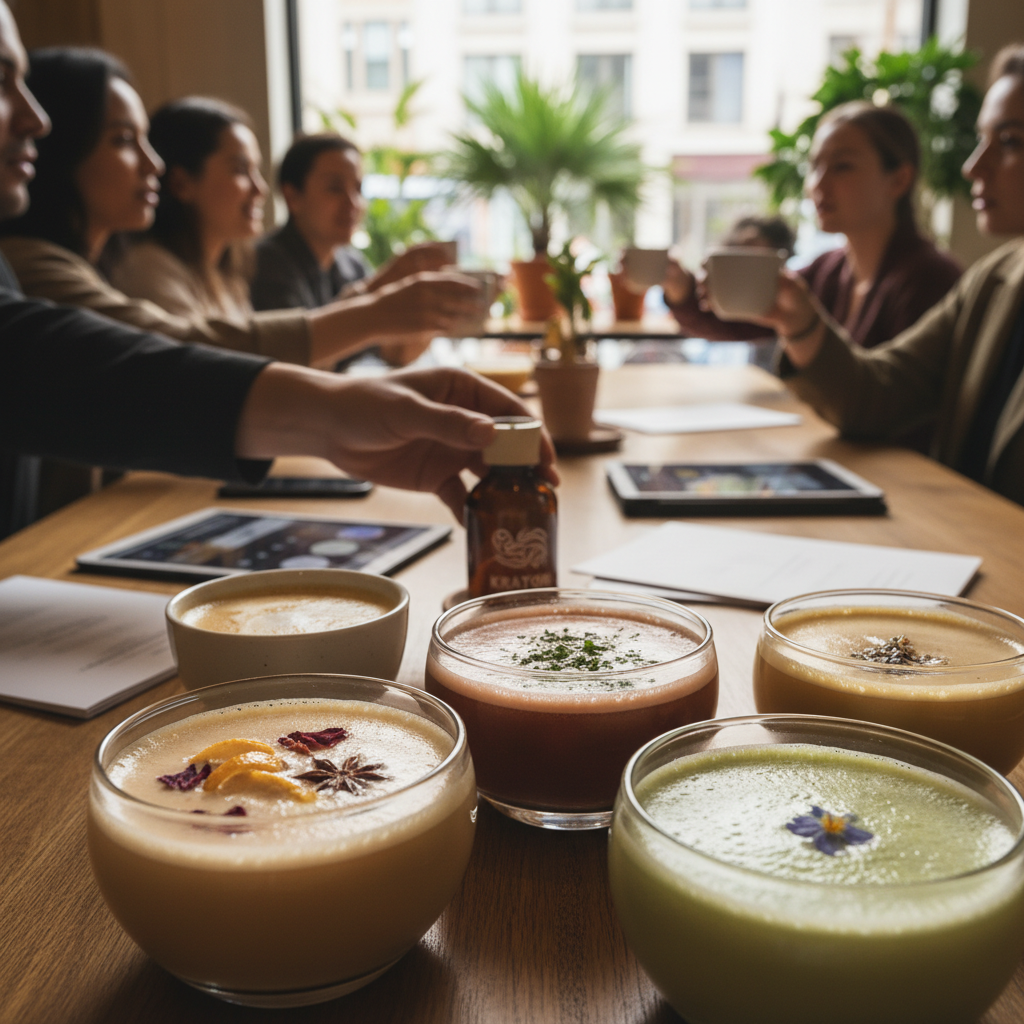
In the ever-evolving world of natural relaxation and wellness, kava bars and the kratom industry continue to adapt to meet the needs of their growing communities. This spring, kava bars across the United States are rolling out innovative seasonal blends, while the kratom industry focuses on enhancing consumer education to promote safe and informed usage. Let’s dive into the latest updates from these two dynamic sectors of the herbal wellness space.
Kava Bars Embrace Spring with Seasonal Blends
As the weather warms and flowers bloom, kava bars are seizing the opportunity to refresh their menus with seasonal kava blends that capture the essence of spring. Known for their calming properties, kava drinks are traditionally made from the root of the kava plant (Piper methysticum), a staple in Pacific Island cultures for centuries. Today, kava bars are modernizing this ancient beverage by infusing it with seasonal flavors and creative twists.
Popular kava bars in cities like Miami, San Diego, and Portland have introduced limited-time offerings such as hibiscus-infused kava, citrus-mint kava coolers, and even coconut-lime kava spritzers. These new blends not only enhance the earthy taste of traditional kava but also appeal to a broader audience looking for refreshing, non-alcoholic alternatives during social gatherings.
“We wanted to celebrate the vibrancy of spring while staying true to the relaxing roots of kava,” says Mia Torres, owner of Serenity Kava Lounge in Miami. “Our hibiscus kava blend has been a huge hit—customers love the floral notes combined with the mellow, grounding effects of kava.”
These seasonal menus are also accompanied by events like kava-tasting nights and workshops on kava preparation, fostering a deeper connection between patrons and the cultural heritage of kava. This trend highlights how kava bars are becoming more than just places to unwind—they’re evolving into cultural hubs where education and community intersect.
Kratom Industry Prioritizes Consumer Education
While kava bars innovate on the social front, the kratom industry is making significant strides in addressing consumer education, a critical issue as the herb gains mainstream attention. Kratom, derived from the leaves of the Mitragyna speciosa tree native to Southeast Asia, is often used for its potential to support energy, focus, or relaxation, depending on the strain and dosage. However, with its rising popularity comes the need for clear, accurate information to ensure safe use.
Recent initiatives by kratom advocacy groups and vendors focus on transparency and education. Organizations like the American Kratom Association (AKA) are spearheading campaigns to provide resources on proper dosing, strain differences, and potential interactions. They’ve also launched digital platforms and webinars to address common misconceptions about kratom and highlight best practices for consumers.
“Education is the cornerstone of responsible kratom use,” says Daniel Harper, a spokesperson for the AKA. “We’re working with vendors to ensure that every product is clearly labeled with alkaloid content and usage guidelines. Our goal is to empower users to make informed decisions.”
Additionally, several kratom companies have started including QR codes on their packaging, linking to detailed lab reports and educational content. This move not only builds trust with consumers but also sets a higher standard for accountability in an industry that often faces scrutiny over quality control.
The Intersection of Kava and Kratom Communities
Though kava and kratom serve different purposes—kava for relaxation and social bonding, kratom for a range of effects including energy and pain support—their communities often overlap. Many kava bars now offer kratom as part of their menus, creating spaces where enthusiasts of both herbs can explore their benefits under one roof. This synergy has led to a growing interest in how these botanicals can complement each other in holistic wellness routines.
For instance, some kava bar patrons in Austin have reported enjoying a small serving of kratom in the morning for focus, then unwinding with a kava shell in the evening. Bar owners are taking note, with some even hosting “Kava & Kratom 101” sessions to educate customers on the unique properties of each herb.
However, both industries emphasize the importance of moderation and knowledge. As kava bars experiment with new recipes and kratom vendors push for better education, the shared goal is clear: to create safe, welcoming environments where natural remedies can be enjoyed responsibly.
Looking Ahead: Innovation and Responsibility
As we move further into 2026, the kava and kratom industries show no signs of slowing down. Kava bars are likely to continue their trend of seasonal experimentation, potentially incorporating local ingredients and collaborating with mixologists to craft even more unique beverages. Meanwhile, the kratom industry’s focus on education could pave the way for broader acceptance and possibly influence future regulatory frameworks.
One thing is certain—these two sectors are united by a passion for natural wellness and cultural heritage. Whether you’re sipping a floral kava blend at a local bar or researching the right kratom strain for your needs, the emphasis on community, safety, and innovation is transforming how we approach herbal relaxation.
Have you tried any of the new seasonal kava blends at your local bar? Or perhaps you’ve benefited from the kratom industry’s educational resources? Share your thoughts and experiences in the comments—we’d love to hear how these ancient herbs are impacting your modern life.