As the demand for natural alternatives to traditional relaxation methods grows, kava bars are becoming a cultural phenomenon across the United States. These unique social hubs, centered around the traditional South Pacific drink kava, are popping up in urban and suburban areas alike. At the same time, the kratom industry, often linked to kava due to its similar calming properties, is navigating a complex landscape of regulatory changes. Let’s dive into the latest developments in the world of kava bars and the kratom market as of March 2026.
The Rise of Kava Bars: A New Social Scene
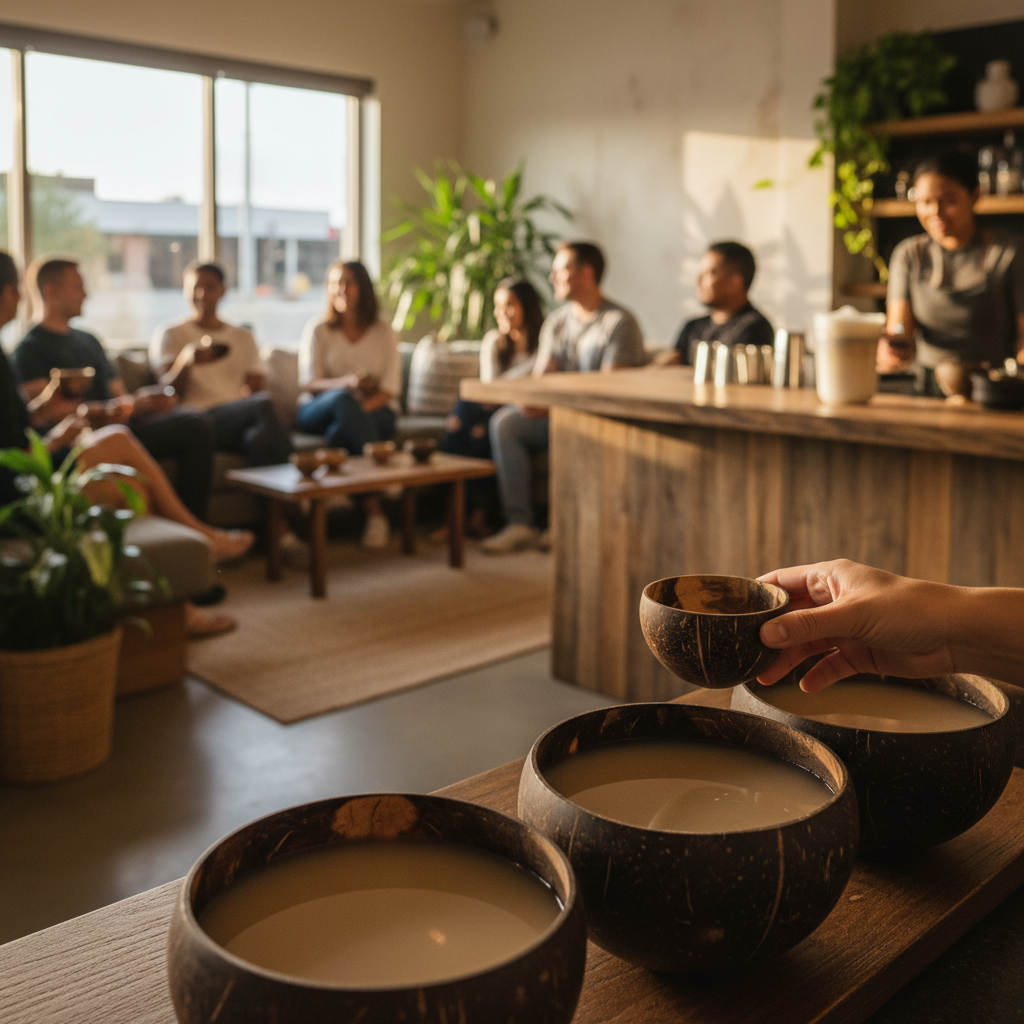
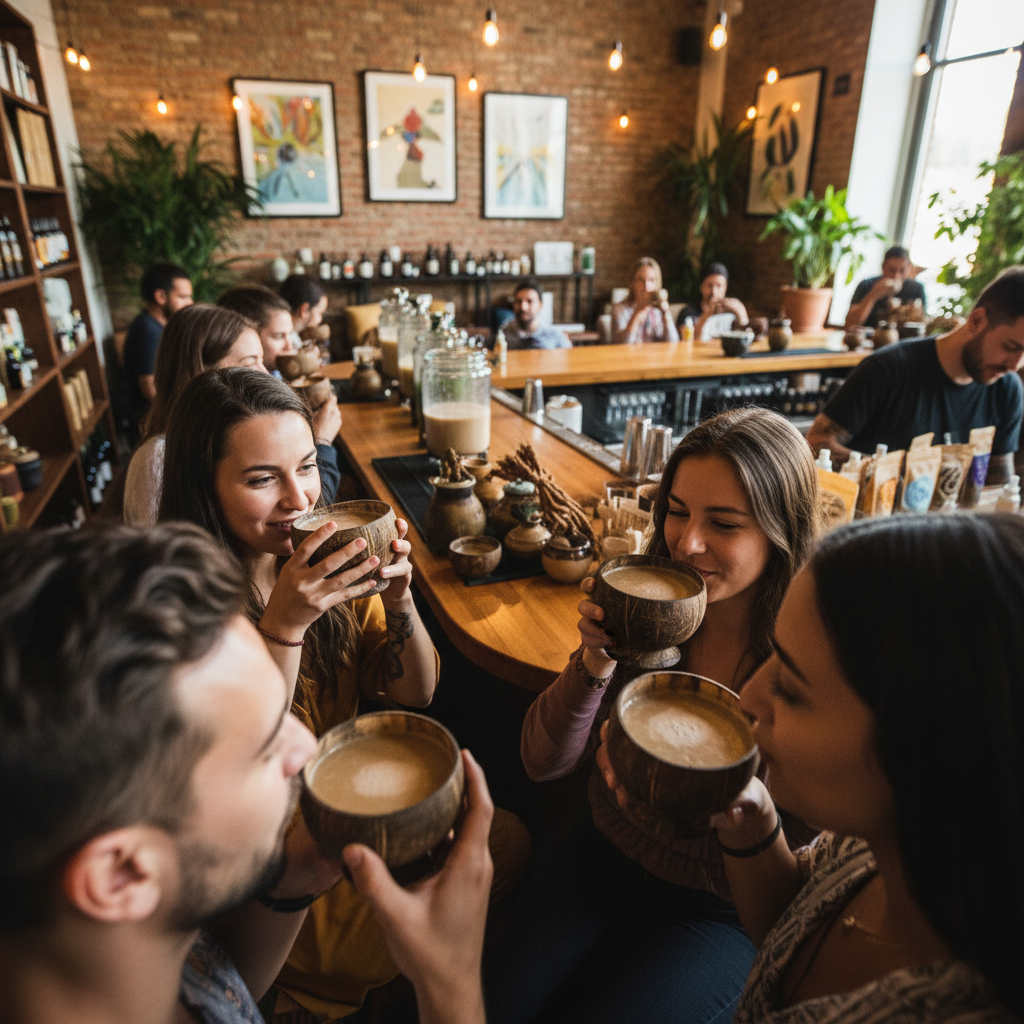
Kava bars are redefining nightlife and daytime socializing for those seeking alcohol-free environments. Originating from the Polynesian tradition of consuming kava—a root-based drink known for its relaxing effects—these establishments offer a space for community, conversation, and calm. In cities like Austin, Miami, and Portland, kava bars have seen a surge in popularity over the past few years, with new locations opening monthly.
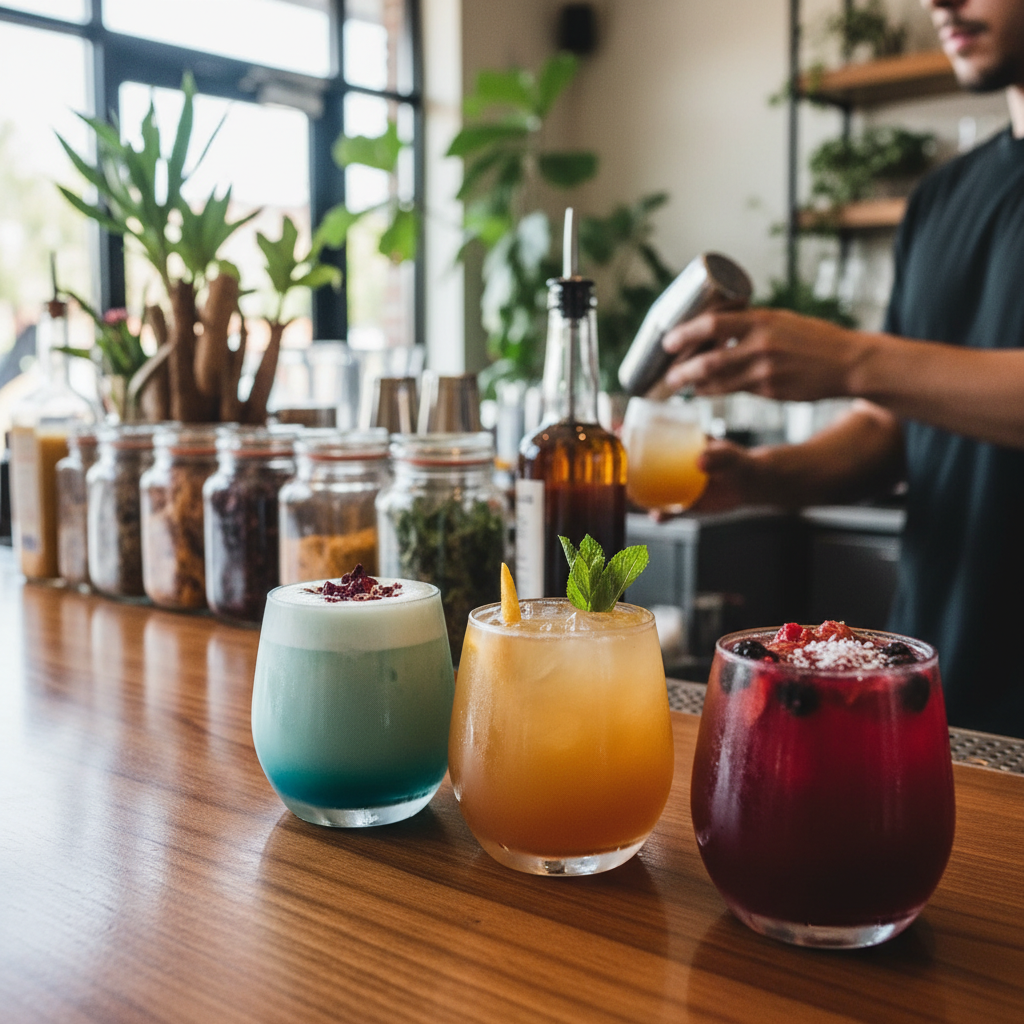
One notable trend in 2026 is the diversification of kava bar offerings. Many bars are now experimenting with kava-infused mocktails, blending the earthy drink with tropical flavors like pineapple, coconut, and ginger. This innovation is attracting a broader audience, including health-conscious individuals and younger patrons looking for unique experiences. For example, a recently opened kava bar in San Diego, 'Pacific Waves,' has gained attention for its 'Kava Colada,' a non-alcoholic twist on the classic piña colada, which has gone viral on social media.
Beyond the drinks, kava bars are fostering a sense of cultural appreciation. Many owners collaborate with Pacific Islander communities to ensure authenticity in preparation methods and to educate patrons about kava’s historical significance. Events like kava ceremonies and live Polynesian music nights are becoming staples, turning these venues into cultural hubs as much as relaxation spots.
Kava’s Growing Appeal: Health and Wellness Connection
The expansion of kava bars ties directly to the increasing interest in kava’s potential health benefits. While kava has long been used in traditional medicine for its calming properties, recent attention has focused on its role in stress management. Although we’re steering clear of the latest major studies, it’s worth noting that the general consensus in the wellness community supports kava as a natural way to unwind without the side effects of alcohol or pharmaceuticals.
Regular kava bar patrons often cite the drink’s ability to promote relaxation without impairing mental clarity as a key reason for their loyalty. This appeal is driving entrepreneurs to invest in kava bar franchises, with chains like 'Kava Kingdom' planning to open 15 new locations across the Midwest by the end of 2026. As more people seek mindful alternatives to traditional socializing, kava bars are poised to become as mainstream as coffee shops in the coming years.
Kratom Industry Faces Regulatory Challenges in 2026
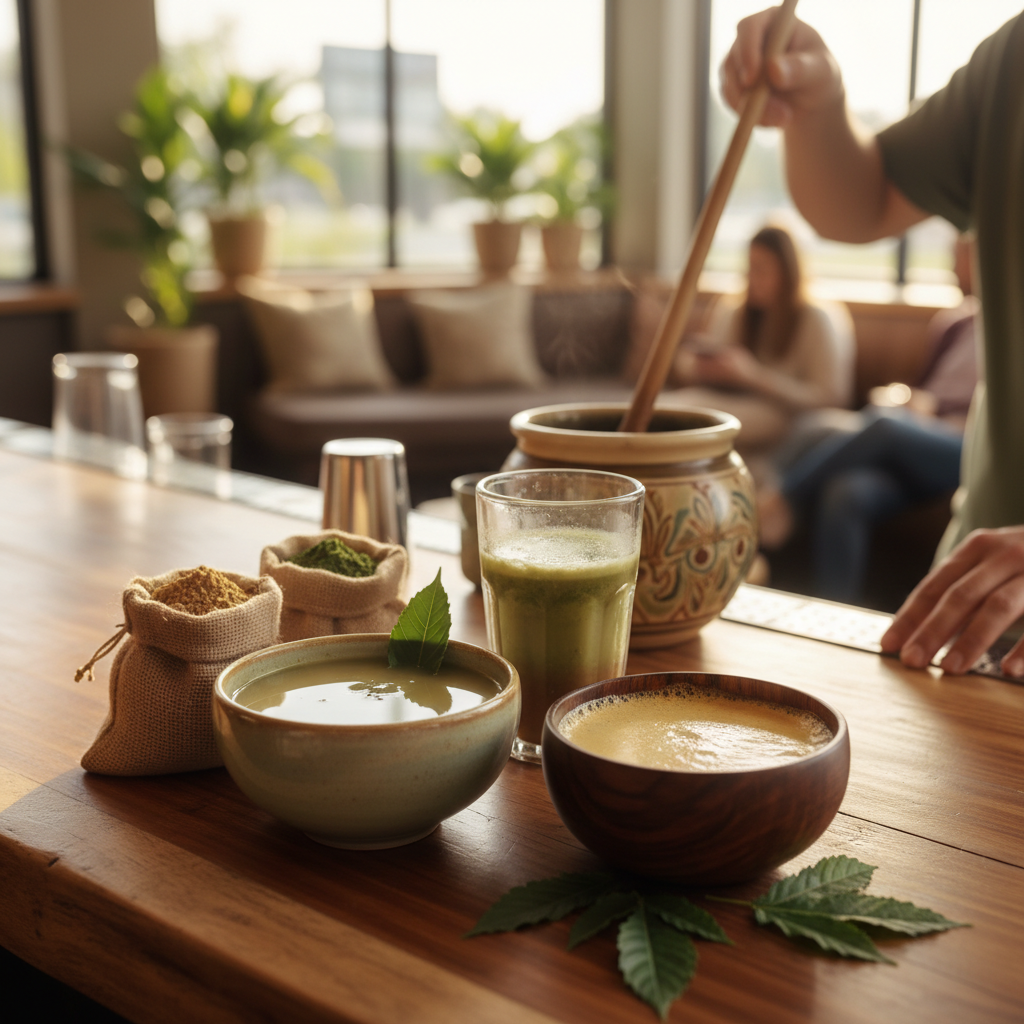
While kava enjoys relatively smooth sailing in the U.S. market, the kratom industry—a close cousin in the herbal relaxation space—is facing significant hurdles. Kratom, derived from the leaves of the Mitragyna speciosa tree native to Southeast Asia, is known for its dual effects of energy boosting and pain relief at different doses. However, its legal status remains a contentious issue.
As of early 2026, several states have introduced new legislation aimed at regulating kratom sales more stringently. While some advocates argue that kratom offers a natural alternative for managing chronic pain and stress, opponents raise concerns about its potential for dependency and lack of standardized dosing. The American Kratom Association (AKA) has been actively lobbying for the Kratom Consumer Protection Act (KCPA), which seeks to establish clear guidelines for labeling, age restrictions, and quality control to ensure consumer safety.
Despite these challenges, the kratom industry is adapting. Many vendors are focusing on transparency by providing third-party lab testing results and educating consumers about responsible use. Online kratom marketplaces have also seen growth, as users turn to trusted sources to purchase high-quality products amid local bans in certain areas. Industry experts predict that federal clarity on kratom’s status could come as early as next year, potentially stabilizing the market and allowing for innovation similar to what we’re seeing with kava bars.
The Intersection of Kava and Kratom Communities
Interestingly, there’s a significant overlap between kava and kratom enthusiasts, with many kava bars also offering kratom-based drinks where legal. This crossover has sparked debates about how the two substances should be marketed and regulated. Some kava bar owners worry that kratom’s controversial reputation could cast a shadow over kava’s growing acceptance, while others see the pairing as a way to cater to a wider audience seeking natural relaxation options.
In states like Florida, where both kava and kratom enjoy legal status, hybrid lounges are emerging. These venues often provide detailed menus explaining the effects and origins of each product, ensuring patrons make informed choices. However, as regulations evolve, these businesses must stay agile to comply with local laws while meeting customer demand.
What’s Next for Kava Bars and the Kratom Industry?
Looking ahead, the kava bar scene shows no signs of slowing down. With increasing cultural acceptance and a focus on community-driven experiences, these spaces are carving out a permanent spot in the American social landscape. For the kratom industry, the path forward hinges on advocacy and education to balance consumer access with safety concerns.
For now, both kava and kratom remain at the forefront of the natural wellness movement, each navigating its own set of opportunities and challenges. Whether you’re sipping a kava shell at a local bar or exploring kratom’s effects through trusted vendors, one thing is clear: the conversation around these traditional remedies is only just beginning.
Have you visited a kava bar recently, or do you have thoughts on the kratom debate? Drop a comment below—we’d love to hear your perspective!