As the popularity of kava bars continues to rise across the United States, these unique social hubs are becoming more than just places to enjoy a relaxing drink—they’re fostering tight-knit communities centered around wellness and cultural tradition. Meanwhile, the kratom industry faces ongoing supply chain hurdles that could impact availability for consumers. Let’s dive into the latest developments in the kava and kratom world and explore what’s on the horizon for these two herbal powerhouses.
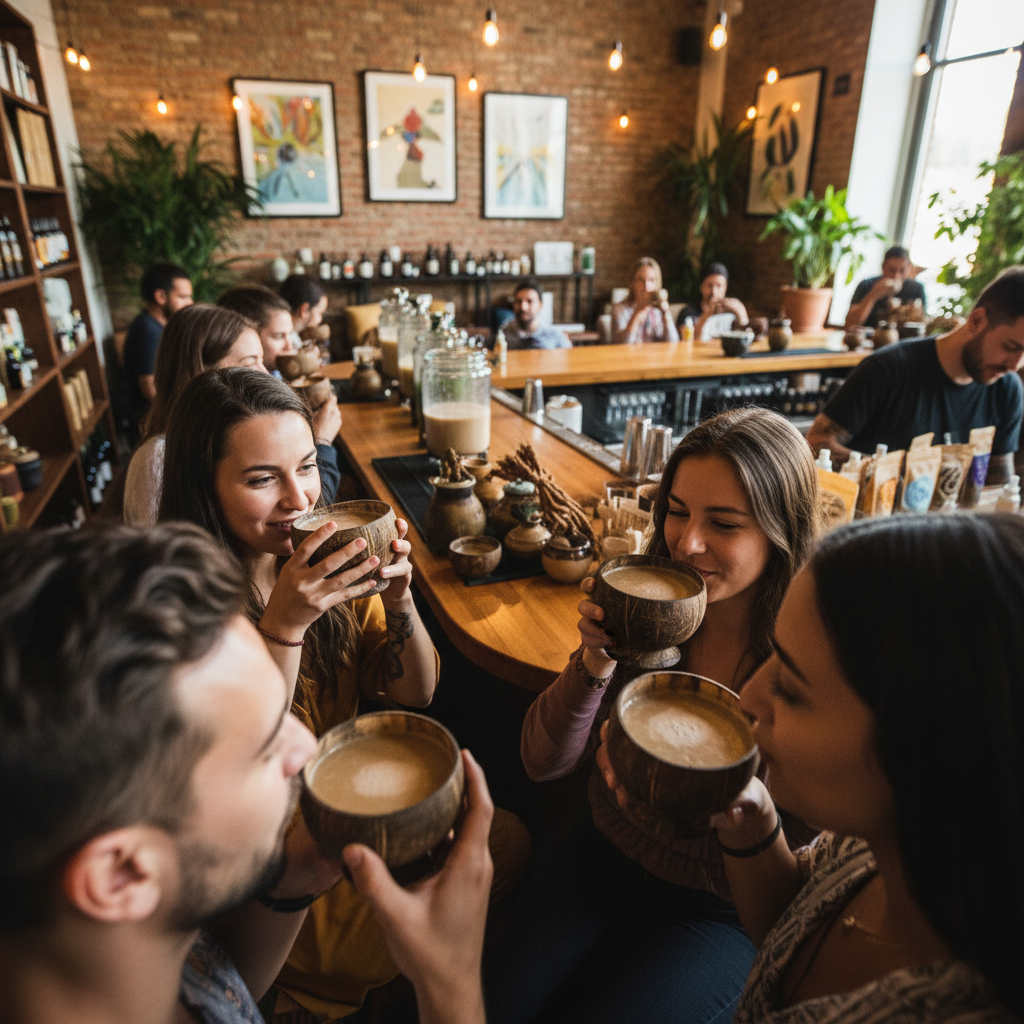
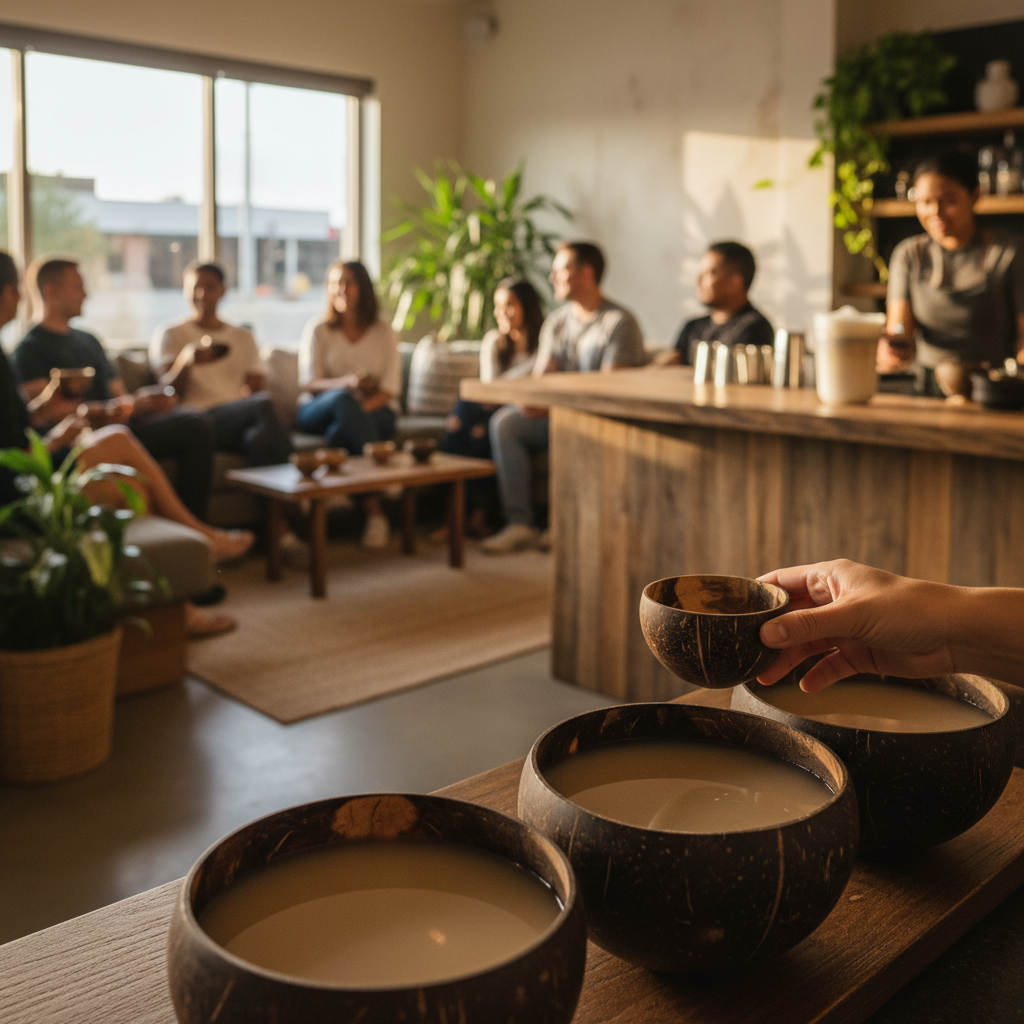
Kava Bars: Building Community One Shell at a Time
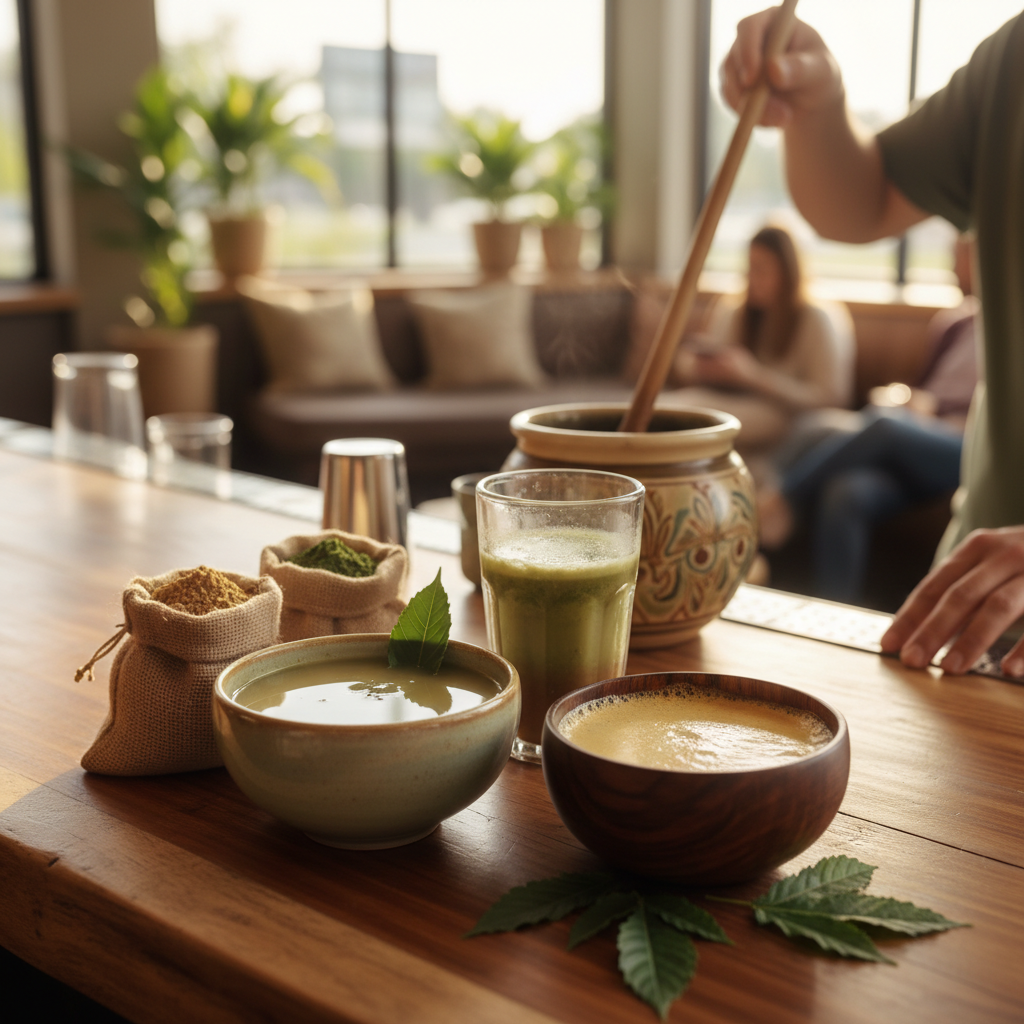
Kava bars have evolved from niche establishments into cultural cornerstones in many cities, offering a welcoming space for people to unwind without the effects of alcohol. Originating from the South Pacific, kava—a root-based drink known for its calming properties—has found a new home in urban and suburban settings. These bars are not just about sipping a muddy, earthy beverage; they’re about connection.
In places like Portland, Oregon, and Austin, Texas, kava bars are hosting events such as open mic nights, meditation sessions, and even kava-tasting workshops to educate newcomers about the drink’s history and preparation. Owners report that patrons often return not just for the kava but for the sense of belonging. “Our bar isn’t just a business; it’s a family,” says Maya Johnson, owner of Pacific Calm Kava Lounge in Portland. “People come here after a stressful day to share stories and relax together. Kava is the bridge that brings us all closer.”
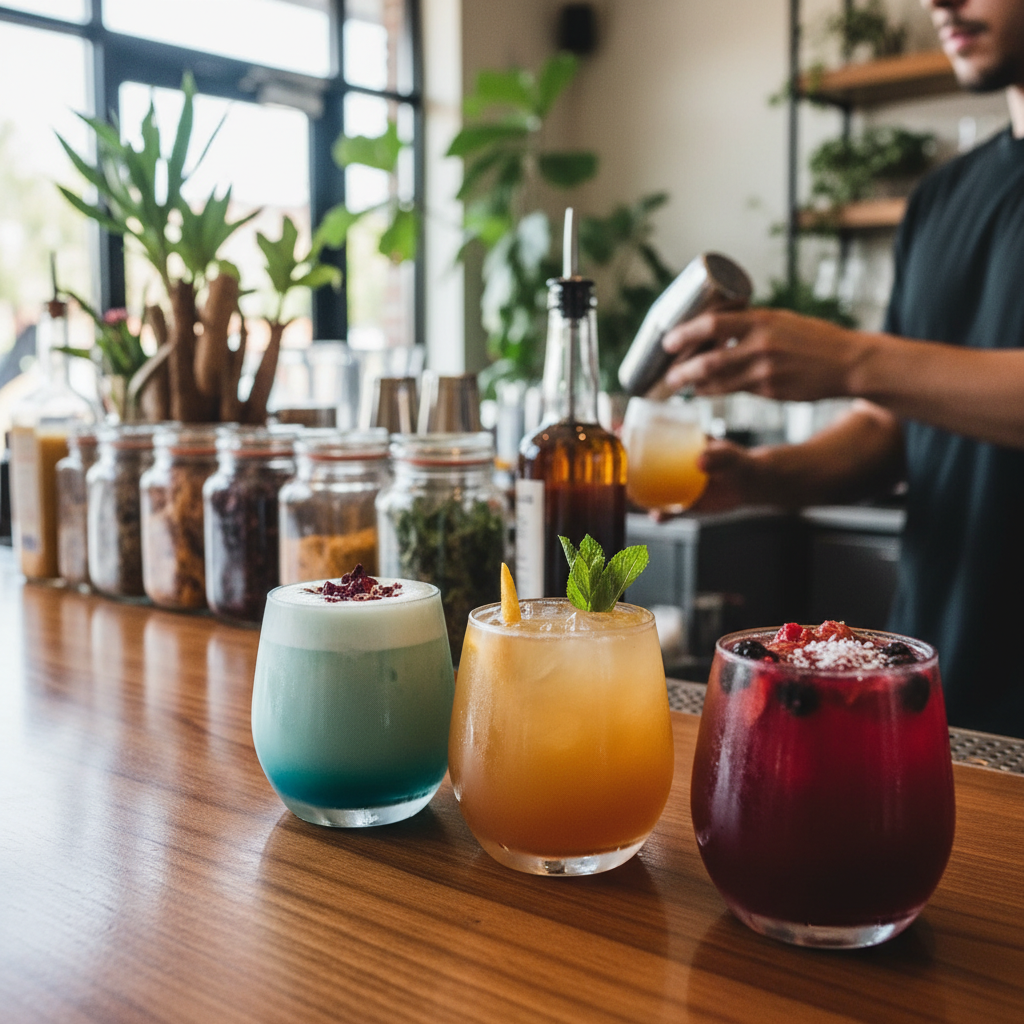
These community-driven spaces are also innovating to appeal to a broader audience. Some kava bars now offer flavored kava blends—think coconut or mango infusions—to make the drink more palatable for first-timers. Others are pairing kava with live music or cultural storytelling nights to highlight the drink’s Polynesian roots. This blend of tradition and modernity is helping kava bars carve out a unique niche in the beverage industry, distinct from coffee shops or traditional bars.
However, the rise of kava bars isn’t without challenges. Sourcing high-quality kava remains a hurdle due to limited cultivation regions and strict import regulations in some areas. Despite this, bar owners remain optimistic, with many forming direct partnerships with Pacific Island farmers to ensure authenticity and sustainability. As kava’s cultural significance continues to resonate with new audiences, these bars are poised to become even more integral to local social scenes.
Kratom Industry Faces Supply Chain Strains
While kava bars thrive on community engagement, the kratom industry is grappling with significant supply chain disruptions that could affect product availability. Kratom, a Southeast Asian herb known for its stimulating and pain-relieving effects, has seen a surge in demand over the past decade. However, recent challenges in Indonesia—where much of the world’s kratom is grown—have created bottlenecks for vendors and consumers alike.
Weather-related issues, including heavy monsoons and flooding, have damaged kratom harvests in key growing regions. Additionally, labor shortages and export restrictions have slowed the flow of kratom to international markets. “We’ve had to delay shipments multiple times this year,” says Daniel Carter, a kratom distributor based in Florida. “It’s frustrating because demand is higher than ever, but we can’t get the product to our customers fast enough.”
These supply issues are compounded by ongoing debates over kratom’s legal status in various countries and U.S. states. While some regions have embraced kratom as a natural alternative for pain management and energy, others remain skeptical, citing concerns over potential misuse. This regulatory uncertainty has made it difficult for vendors to plan long-term, as they navigate a patchwork of laws that vary widely by location.
Despite these hurdles, the kratom industry is adapting. Some companies are investing in domestic storage solutions to build up reserves during times of plenty, while others are exploring alternative sourcing regions in Southeast Asia. Consumer advocacy groups are also stepping up, pushing for standardized regulations to stabilize the market. For now, kratom users may notice price increases or limited stock at their favorite retailers, but industry insiders believe these challenges are temporary as solutions take shape.
The Bigger Picture: Kava and Kratom’s Shared Future
Both kava and kratom occupy a unique space in the herbal wellness market, often appealing to overlapping audiences seeking natural alternatives to pharmaceuticals or alcohol. Kava’s calming effects pair well with the social atmosphere of kava bars, while kratom’s versatility—used for energy, focus, or relaxation—makes it a staple for many individuals managing daily stress or chronic pain.
Interestingly, some kava bars have begun experimenting with kratom-infused drinks, though this trend remains controversial due to differing regulations and consumer perceptions. In states where both substances are legal, these hybrid offerings are gaining traction among curious patrons. However, bar owners emphasize the importance of education, ensuring customers understand the distinct effects and proper dosages of each herb.
Looking ahead, the kava and kratom industries face a shared need for greater public awareness and research. While anecdotal evidence supports the benefits of both herbs, scientific studies remain limited, especially for kava’s long-term effects on stress reduction and kratom’s potential as a pain reliever. Advocacy groups are calling for more funding to explore these areas, hoping to legitimize both substances in the eyes of regulators and skeptics.
Why This Matters for You
Whether you’re a regular at your local kava bar or a kratom enthusiast, these developments highlight the dynamic nature of this niche industry. Kava bars offer a unique opportunity to connect with others while experiencing a piece of Pacific Island culture, and their growth signals a shift toward alcohol-free socializing. Meanwhile, kratom’s supply challenges serve as a reminder to stock up or explore trusted vendors who prioritize transparency and quality.
As both industries evolve, staying informed is key. Support local kava bars by attending events or trying a shell with friends, and keep an eye on kratom news to understand how supply issues might affect your access. Together, kava and kratom continue to shape a wellness movement that prioritizes natural remedies and community—one sip or scoop at a time.