As the kava and kratom communities continue to grow, exciting developments are unfolding in both the social and industrial spheres of these unique botanicals. Kava bars across the country are finding creative ways to draw in new crowds, while the kratom industry is stepping up efforts to educate consumers about safe and responsible use. This dual evolution reflects the dynamic nature of these industries and their commitment to fostering positive experiences and informed choices.
Kava Bars Turn Up the Volume with Live Music Nights
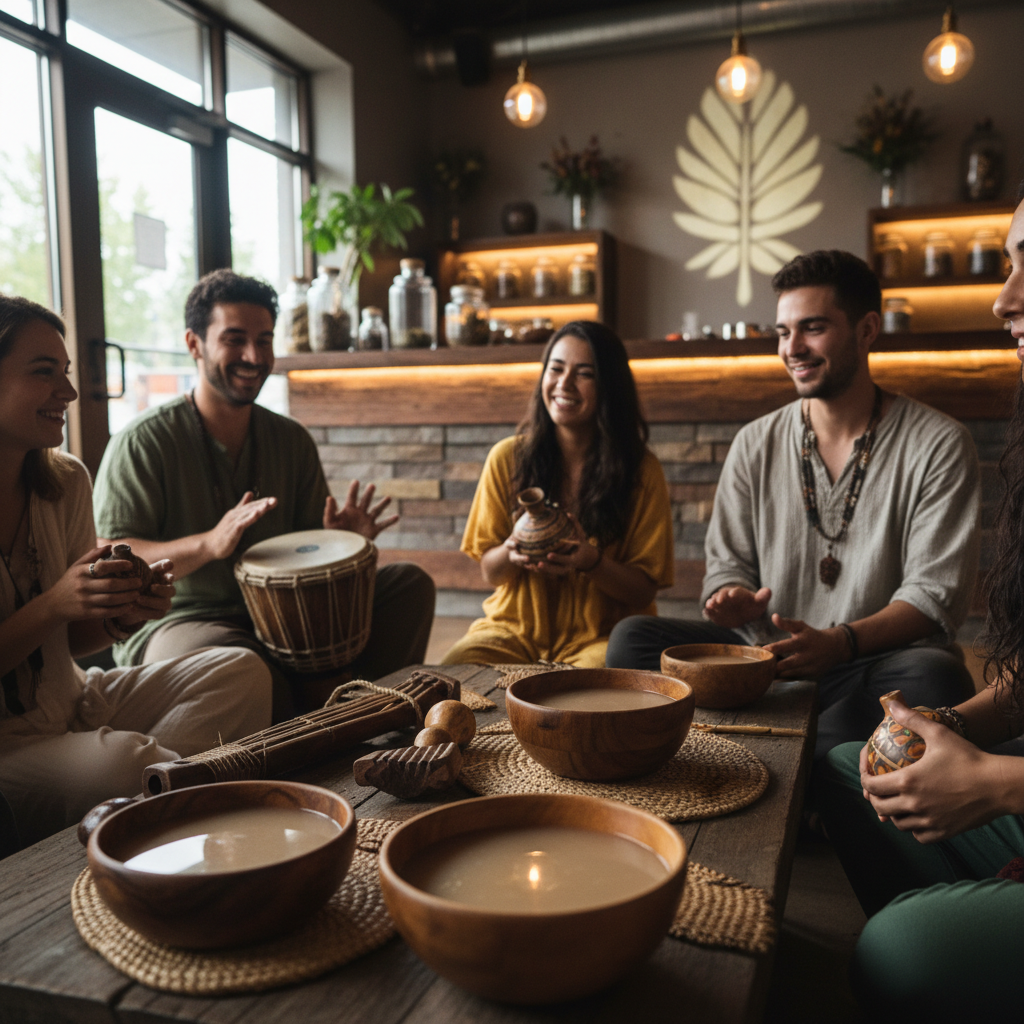
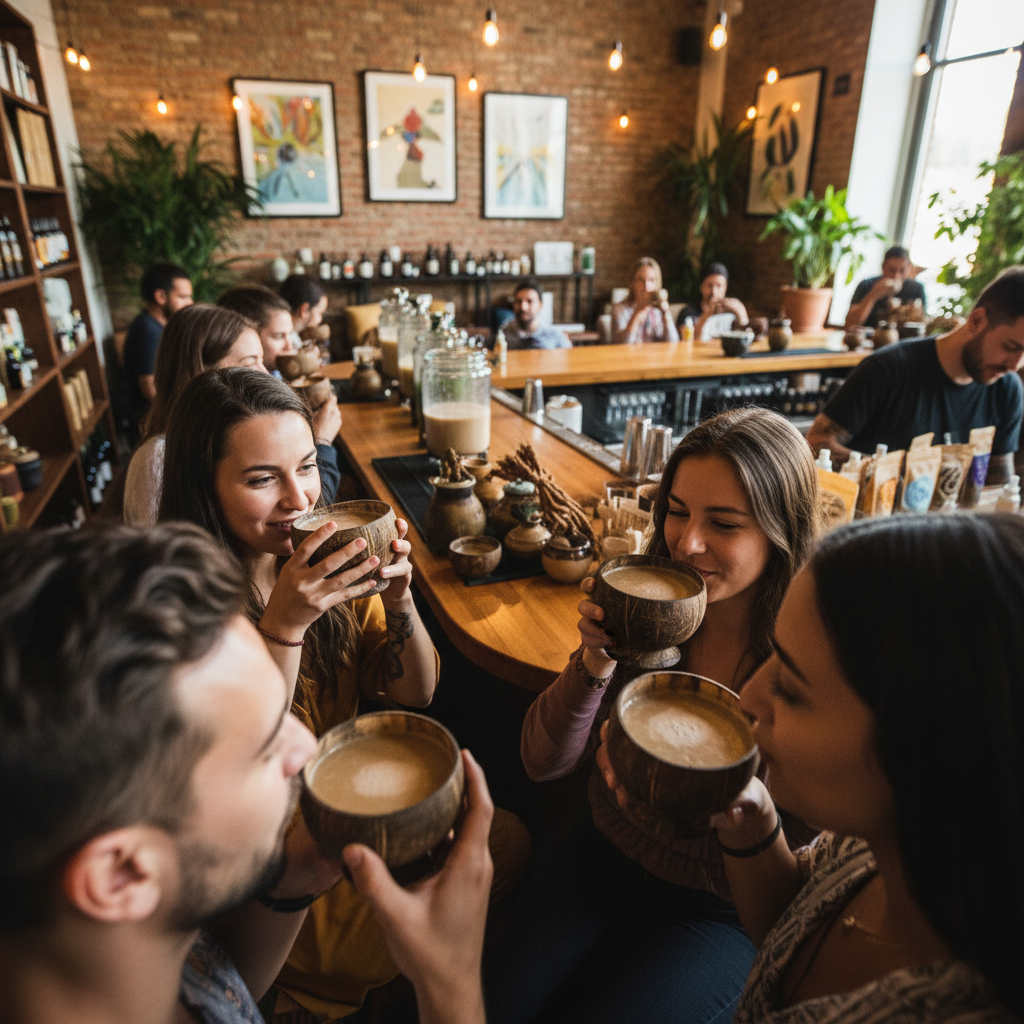
Kava bars have long been cherished as relaxing havens where patrons can unwind with a shell of kava, a traditional Pacific Island beverage known for its calming effects. But in an effort to expand their appeal and build stronger community ties, many kava bars are now introducing live music nights. From acoustic sets to local bands, these events are transforming kava bars into vibrant cultural hubs.
In cities like Miami, San Diego, and Portland, kava bar owners are reporting a surge in attendance on nights featuring live performances. “We’ve always been about creating a chill vibe, but adding live music has brought a whole new energy,” says Maya Thompson, owner of Pacific Roots Kava Lounge in Miami. “People come for the kava but stay for the music and the sense of connection.”
These events often highlight local talent, giving musicians a platform to showcase their work while introducing new customers to the world of kava. Some bars are even incorporating traditional Polynesian music to honor kava’s cultural roots, blending education with entertainment. This trend not only boosts business but also deepens the appreciation of kava culture among diverse audiences.
Beyond the social benefits, live music nights are proving to be a smart business move. Owners note that these events encourage patrons to linger longer, often trying different kava varieties or kava-based mocktails. As kava bars continue to innovate, they’re carving out a unique niche in the nightlife scene—one that prioritizes relaxation over the high-energy atmosphere of traditional bars.
Kratom Industry Focuses on Consumer Education Amid Rising Popularity
While kava bars are enhancing their cultural offerings, the kratom industry is tackling a different kind of challenge: ensuring that consumers have access to accurate information. Kratom, a Southeast Asian herb often used for its energizing or relaxing properties, has seen a dramatic rise in demand over the past decade. However, with this growth comes the responsibility to address misconceptions and promote safe usage.
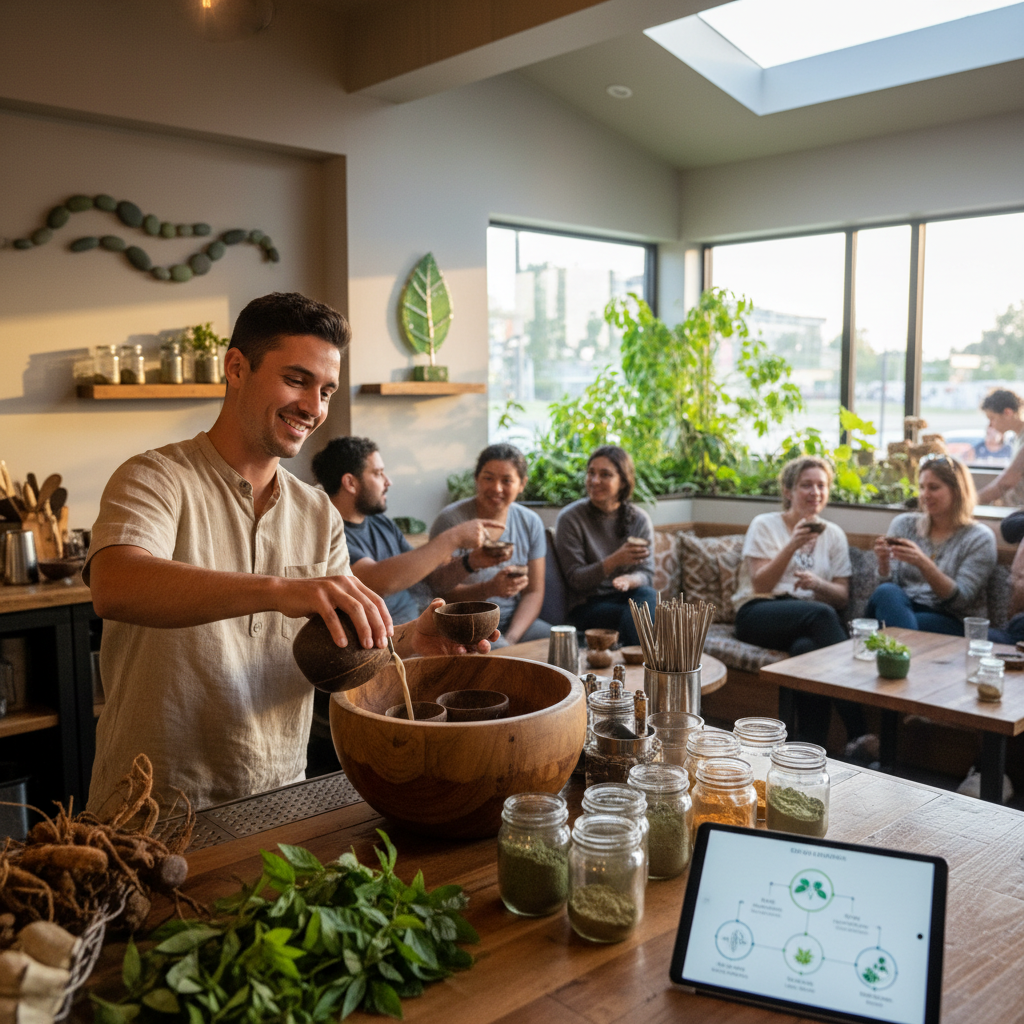
Industry leaders, including advocacy groups like the American Kratom Association (AKA), are ramping up efforts to provide resources for both new and seasoned users. Recent initiatives include online webinars, detailed guides on strain differences, and partnerships with vendors to ensure transparent labeling. “Education is key to sustaining the kratom community,” says Daniel Rivera, a spokesperson for the AKA. “We want people to understand what they’re consuming, how to dose responsibly, and where to source high-quality products.”
One major focus is combating misinformation about kratom’s effects and potential risks. By collaborating with researchers and independent labs, the industry is working to provide evidence-based insights into kratom’s alkaloid profiles and best practices for use. Some vendors are even including QR codes on packaging that link to educational content, empowering consumers to make informed decisions.
This push for transparency couldn’t come at a better time. As kratom continues to gain traction in wellness circles, ensuring consumer safety and trust is paramount. The industry’s proactive stance not only helps protect users but also strengthens its credibility in the face of ongoing regulatory discussions.
The Intersection of Kava and Kratom Communities
Interestingly, the kava and kratom worlds often overlap, with many enthusiasts appreciating both botanicals for their distinct yet complementary effects. Some kava bars have started offering kratom teas or powders alongside their traditional kava menus, catering to a crossover audience. This blending of offerings provides a unique opportunity for education, as bar staff often take the time to explain the differences between the two and guide patrons toward mindful consumption.
At places like Harmony Kava & Kratom Lounge in Austin, the staff is trained to discuss the cultural significance of kava while also addressing common questions about kratom. “We see ourselves as educators as much as we are a bar,” says owner Jordan Lee. “Our goal is to create a safe space where people can explore these natural options without judgment or confusion.”
This intersection also highlights the shared values of both communities: a respect for tradition, a desire for natural alternatives, and a commitment to community-building. Whether it’s through a lively music night at a kava bar or a detailed kratom guide provided by a vendor, these industries are working hand-in-hand to elevate the conversation around herbal wellness.
Looking Ahead: A Bright Future for Kava and Kratom
As kava bars continue to innovate with events like live music nights, they’re not just selling a drink—they’re selling an experience rooted in culture and connection. Meanwhile, the kratom industry’s focus on consumer education demonstrates a maturing market that prioritizes safety and sustainability. Together, these efforts signal a promising future for both kava and kratom, as they carve out their places in modern wellness and social spaces.
For enthusiasts and newcomers alike, there’s never been a better time to dive into the world of kava and kratom. Whether you’re sipping a shell of kava while enjoying a live performance or researching the right kratom strain for your needs, these botanicals offer a unique blend of tradition and innovation. Keep an eye on your local kava bar for upcoming events, and stay tuned to industry updates for the latest in kratom education and advocacy.