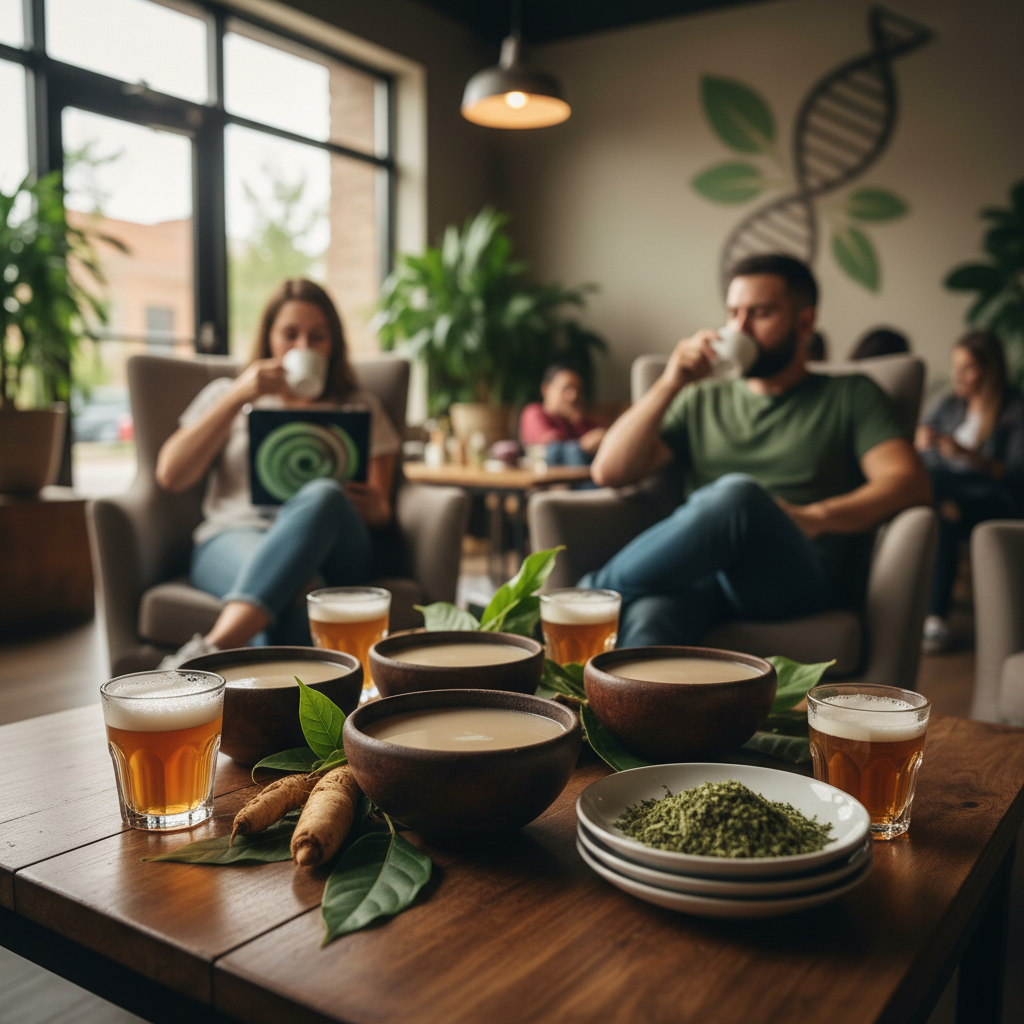
Introduction: A New Era for Kava Bars and Kratom Standards
As the kava and kratom communities continue to grow, exciting developments are emerging in both the social and industrial spheres. Kava bars across the country are stepping up their game with innovative interactive tasting events designed to educate and engage patrons. Meanwhile, the kratom industry is making significant strides in quality testing protocols to ensure consumer safety and product reliability. In this article, we dive into these two compelling trends reshaping the landscape of kava culture and kratom commerce as of March 2026.
Kava Bars Reinvent the Social Experience with Interactive Tasting Events
Kava bars have long been cherished as relaxing havens where people can unwind with a shell of this traditional Polynesian drink known for its calming effects. However, in a bid to attract new customers and deepen community ties, many kava bars are now hosting interactive tasting events. These gatherings are more than just sipping sessions; they are educational experiences that highlight the rich history, cultural significance, and diverse varieties of kava.
From Honolulu to Miami, kava bars are curating events where patrons can sample different strains of kava, each with unique flavors and effects. Attendees learn about the origins of each variety, often directly from farmers or cultural ambassadors via virtual meet-and-greets. Some bars even offer workshops on preparing kava traditionally, complete with hands-on demonstrations using authentic tools like the tanoa bowl. These events not only enhance the customer experience but also foster a deeper appreciation for kava’s cultural roots.
One standout example is Aloha Kava Lounge in San Diego, which recently launched a monthly “Kava Journey” event. Participants explore a curated selection of kava from Fiji, Vanuatu, and Tonga, guided by a kava expert who explains the nuances of each strain. Feedback from attendees has been overwhelmingly positive, with many expressing a newfound respect for the drink’s heritage. This trend of interactive tasting events is expected to spread, as kava bars aim to position themselves as cultural hubs rather than just beverage spots.
Kratom Industry Pushes Forward with Advanced Quality Testing Protocols
On the industrial side, the kratom industry is undergoing a significant transformation in 2026 with a renewed focus on quality assurance. Kratom, a Southeast Asian herb known for its stimulating and relaxing properties, has faced scrutiny over inconsistent product quality and safety concerns in the past. However, industry leaders are now prioritizing rigorous testing protocols to build consumer trust and ensure a safer marketplace.
Recent advancements include the adoption of third-party lab testing for alkaloid content, heavy metals, and microbial contaminants. Major kratom vendors are partnering with accredited laboratories to provide transparent Certificates of Analysis (COAs) for every batch. This move not only helps in identifying substandard products but also sets a benchmark for smaller vendors to follow. The American Kratom Association (AKA) has been instrumental in advocating for these standards, pushing for Good Manufacturing Practices (GMP) certification across the board.
Additionally, some companies are investing in cutting-edge technology like High-Performance Liquid Chromatography (HPLC) to precisely measure active compounds such as mitragynine and 7-hydroxymitragynine. This ensures that consumers receive consistent potency and can make informed decisions based on accurate labeling. As one industry spokesperson noted, “Our goal is to elevate kratom from a niche supplement to a trusted wellness product. Quality testing is the cornerstone of that mission.”
These efforts are already showing results, with consumer confidence on the rise. Retailers report that products accompanied by detailed lab reports are outselling untested alternatives, signaling a shift toward transparency in the kratom market. As regulatory discussions continue, these proactive steps by the industry could pave the way for broader acceptance and clearer guidelines.
The Intersection of Kava Culture and Kratom Innovation
While kava bars focus on community engagement through tasting events, and the kratom industry hones in on product safety, there’s a fascinating overlap between the two. Many kava bars are beginning to stock kratom products, often in the form of teas or capsules, catering to customers interested in both botanicals. This crossover provides an opportunity for education on safe usage and the distinct benefits of each substance, further enriched by the interactive settings of kava bars.
Moreover, the emphasis on quality in the kratom sector could inspire similar initiatives in kava sourcing and preparation. As kava gains popularity, ensuring that only high-quality, noble kava strains are served in bars will be crucial to maintaining its reputation as a safe and beneficial drink. The synergy between these industries highlights a shared commitment to consumer well-being and cultural integrity.
Conclusion: A Bright Future for Kava and Kratom Enthusiasts
The kava and kratom landscapes are evolving in exciting ways this year. Interactive tasting events at kava bars are bringing people closer to the cultural essence of kava, transforming these venues into vibrant centers of learning and relaxation. Simultaneously, the kratom industry’s dedication to advanced quality testing protocols is setting a new standard for safety and transparency, promising a more reliable experience for users.
Whether you’re a longtime kava enthusiast, a curious newcomer, or a kratom consumer seeking trusted products, these developments signal a thriving future for both communities. As kava bars innovate and the kratom industry refines its practices, 2026 is shaping up to be a landmark year for these beloved botanicals. Stay tuned for more updates on how these trends continue to unfold!