Introduction: A New Era for Kava Bars and Kratom Regulations
In the ever-evolving world of natural relaxation and wellness, kava bars are stepping up with groundbreaking concepts to redefine social experiences, while the kratom industry navigates significant regulatory changes. As of March 2026, both sectors are witnessing dynamic shifts that promise to shape the future of these traditional botanicals. This article dives into the latest trends in kava bar culture and the critical updates in kratom legislation, offering insights for enthusiasts and industry stakeholders alike.
Kava Bars: Pioneering Social Wellness Hubs
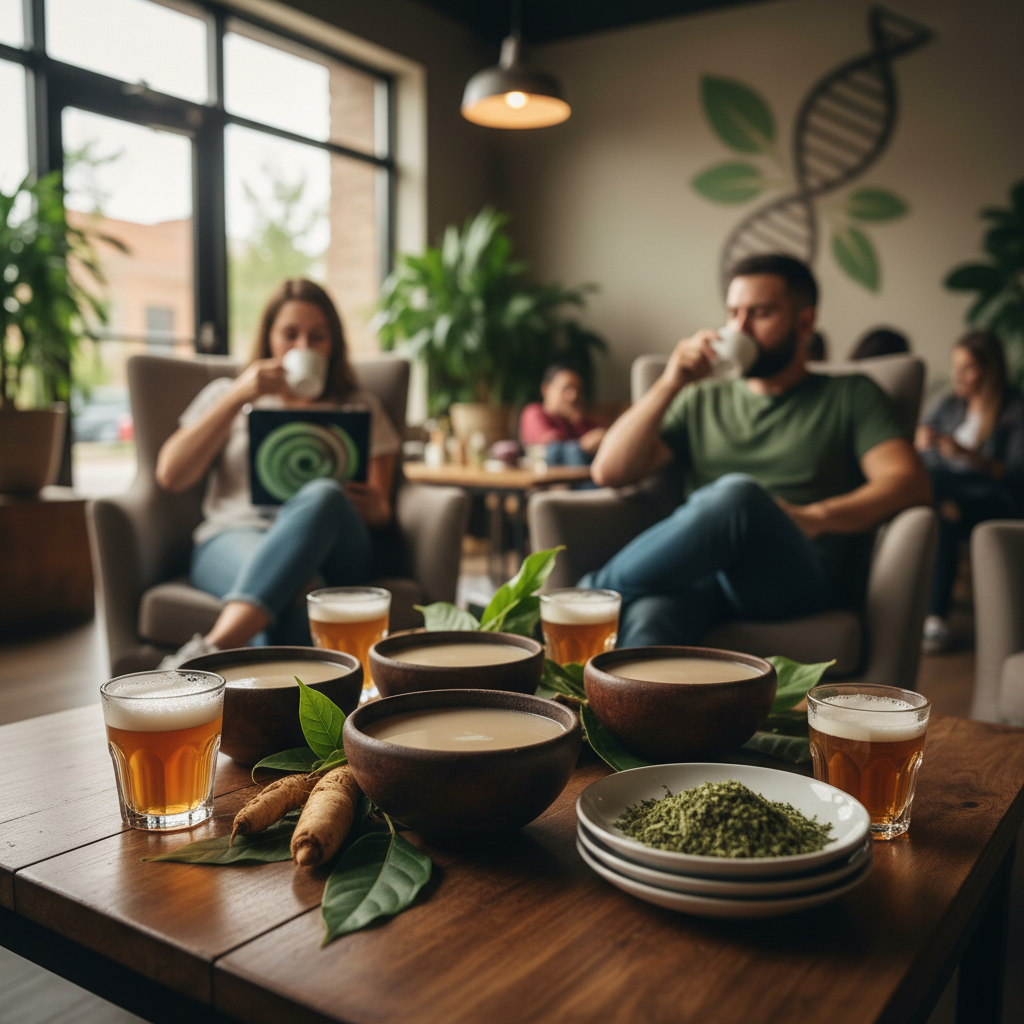
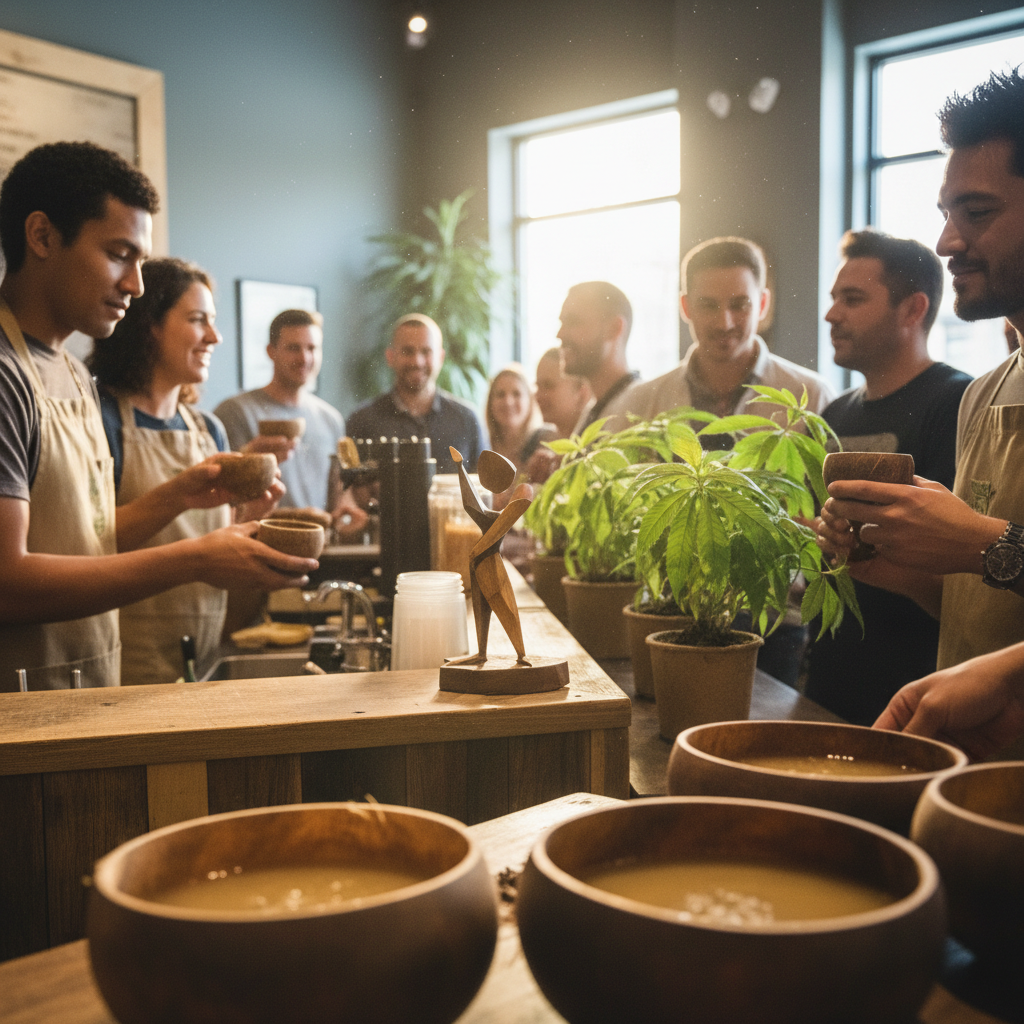
Kava bars have long been cherished as tranquil retreats where patrons can unwind with a shell of kava, a traditional Pacific Island beverage known for its calming effects. However, a new wave of innovation is transforming these venues into multifaceted social wellness hubs. Across the United States, kava bars are introducing themed events, educational workshops, and community-driven initiatives to foster deeper connections among patrons.
For instance, in cities like Portland and Miami, kava bars are rolling out 'Kava & Culture' nights, where guests not only sip on kava but also learn about its Polynesian roots through storytelling and live music. These events aim to preserve the cultural significance of kava while making the experience more engaging for younger audiences. Additionally, some kava bars are partnering with local yoga studios to offer guided meditation sessions paired with kava consumption, promoting a holistic approach to relaxation.
These innovations are not just about enhancing the customer experience; they’re also a strategic move to position kava bars as essential community spaces. With mental health and stress management becoming top priorities for many, kava bars are carving out a unique niche as safe, alcohol-free environments for socializing and self-care. Industry experts predict that this trend will continue to grow, with more kava bars incorporating wellness-focused amenities like herbal tea lounges and mindfulness corners in the coming years.
Kratom Industry: Navigating Regulatory Challenges with Resilience
While kava bars are thriving with creative expansions, the kratom industry is facing a different kind of evolution—one driven by regulatory scrutiny. Kratom, a Southeast Asian herb often used for its stimulating and pain-relieving properties, has been under the microscope of policymakers for years. As of early 2026, several states and federal agencies are reevaluating their stance on kratom, creating both challenges and opportunities for businesses in this sector.
Recent legislative proposals in states like California and Texas aim to establish stricter guidelines for kratom sales, including mandatory lab testing for purity and standardized labeling requirements. While some industry advocates argue that these regulations could help legitimize kratom and ensure consumer safety, others worry about the potential for increased costs and restricted access. Small-scale vendors, in particular, are feeling the pressure to comply with these evolving standards.
Despite these hurdles, the kratom industry is demonstrating remarkable adaptability. Many companies are proactively investing in third-party testing and transparent sourcing practices to build consumer trust. Additionally, trade organizations like the American Kratom Association are ramping up advocacy efforts, pushing for science-based policies that balance safety with accessibility. These efforts are crucial as the industry seeks to distance itself from past controversies and highlight kratom’s potential benefits for pain management and mood support.
Bridging Kava and Kratom: Shared Goals in a Niche Market
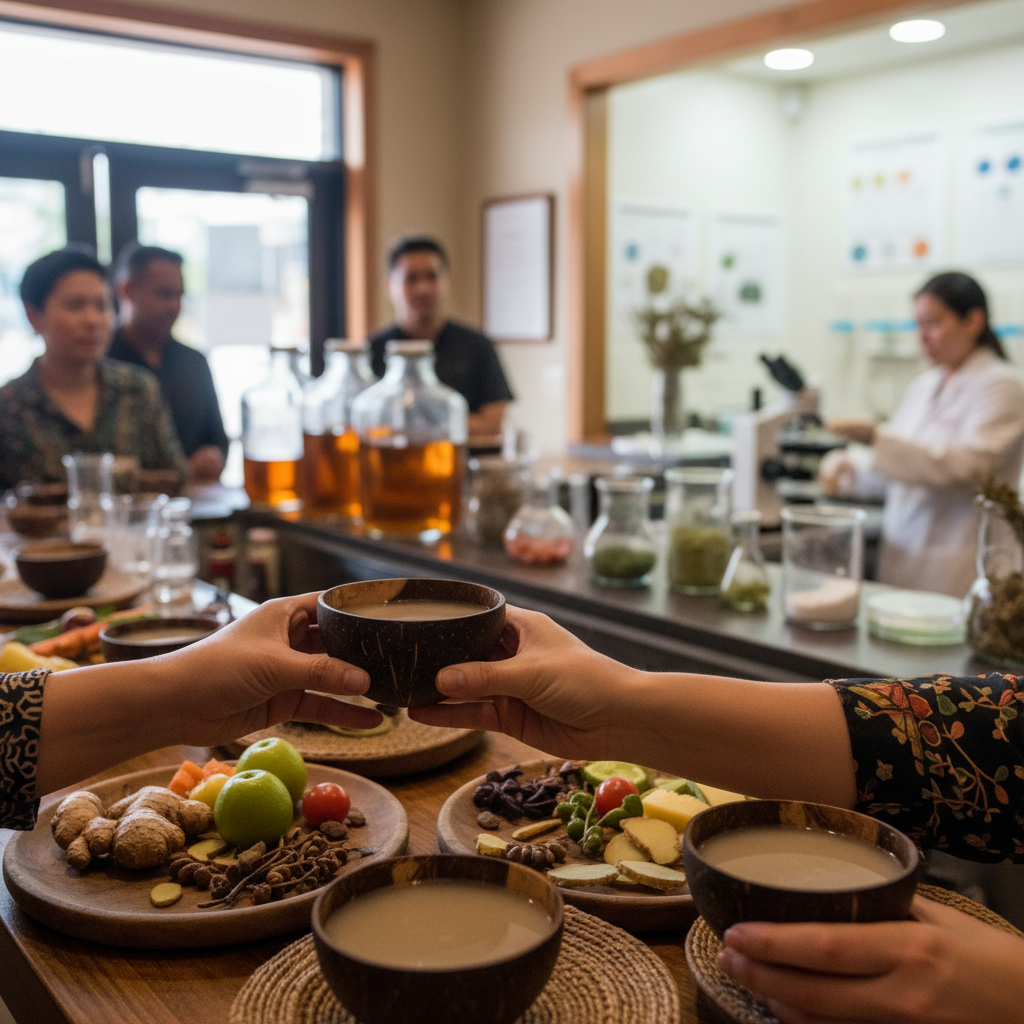
Though kava and kratom cater to slightly different audiences—kava for relaxation and kratom for energy or pain relief—both industries share a common goal: educating the public about the responsible use of natural botanicals. Kava bars often serve as gateways for newcomers to learn about these substances in a controlled, social setting. Some establishments have even begun offering kratom-infused drinks alongside traditional kava shells, though this practice remains limited due to differing legal statuses across states.
Education is a key focus for both sectors. Kava bar owners frequently host informational sessions to explain the origins, effects, and safe consumption of kava, while kratom vendors are increasingly providing detailed guides on dosage and strain selection. This emphasis on transparency is vital for dispelling myths and ensuring that these botanicals are used responsibly, especially as their popularity continues to rise.
The Future of Kava Bars and Kratom: What Lies Ahead?
Looking ahead, the trajectory for kava bars and the kratom industry appears promising, albeit with distinct challenges. For kava bars, the focus will likely remain on innovation and cultural preservation. We can expect to see more hybrid spaces that blend kava consumption with other wellness activities, further solidifying their role as community hubs. There’s also potential for kava to gain traction in mainstream markets, as health-conscious consumers seek alcohol alternatives.
For the kratom industry, the next few years will be defined by how well it adapts to regulatory frameworks. If advocacy groups succeed in promoting evidence-based policies, kratom could see wider acceptance and integration into holistic wellness practices. However, the industry must also address ongoing concerns about quality control and misinformation to maintain credibility.
Conclusion: A Thriving Niche with Room to Grow
As of March 2026, kava bars are redefining relaxation with innovative social spaces, while the kratom industry tackles regulatory challenges head-on. Both sectors are at a pivotal moment, balancing tradition with modern demands to meet the needs of a growing audience. Whether you’re a longtime kava enthusiast or curious about kratom’s potential, staying informed about these developments is key to navigating this dynamic landscape. Keep an eye on local kava bars for upcoming events, and follow kratom advocacy updates to understand how regulations might impact access in your area. Together, kava and kratom continue to offer natural paths to wellness in an increasingly stressful world.