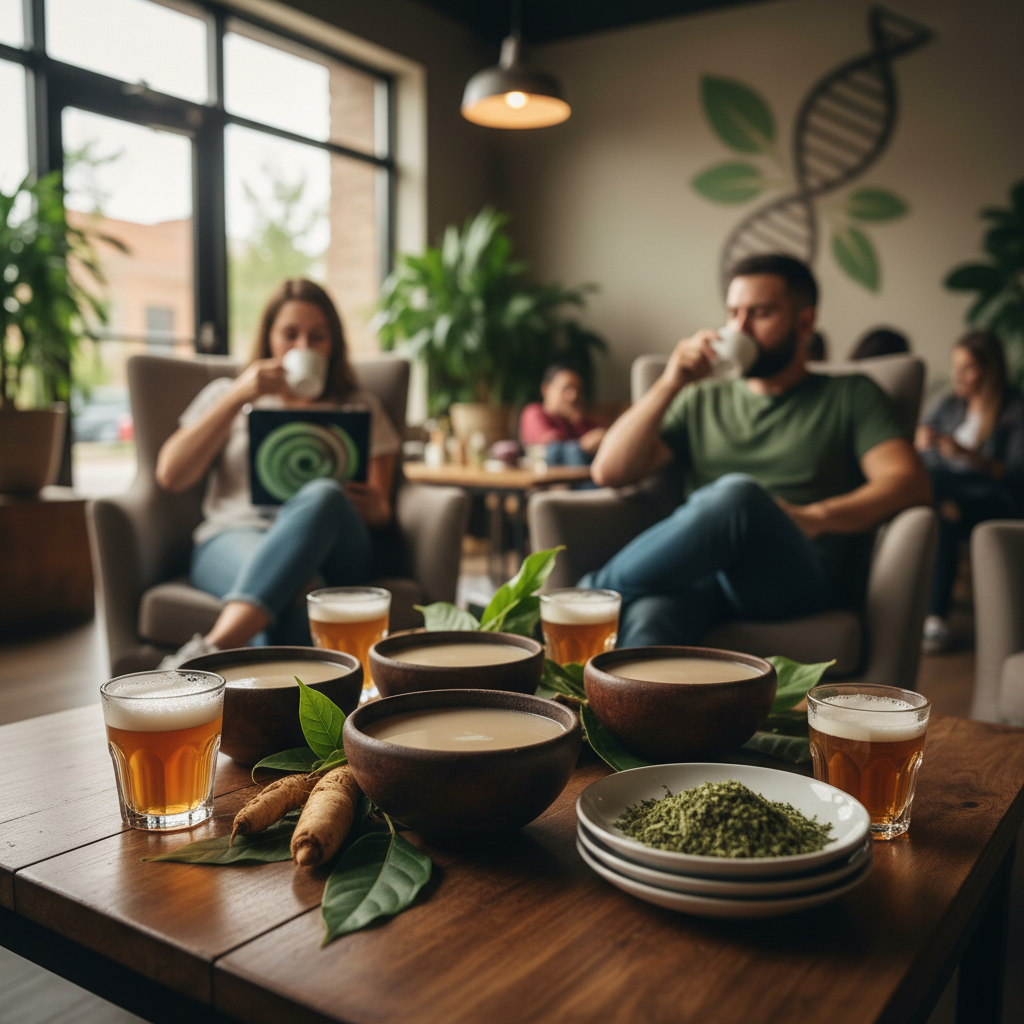
As the popularity of natural relaxation aids continues to grow, kava bars across the country are stepping up their game with innovative new menus designed to enhance the calming experience. Simultaneously, the kratom industry is buzzing with fresh research that underscores its potential benefits. This dual evolution in the kava and kratom sectors is reshaping how enthusiasts and newcomers alike engage with these traditional botanicals. Let’s dive into the latest developments in kava bars and the kratom industry as of March 2026.
Kava Bars Roll Out Innovative Relaxation Menus
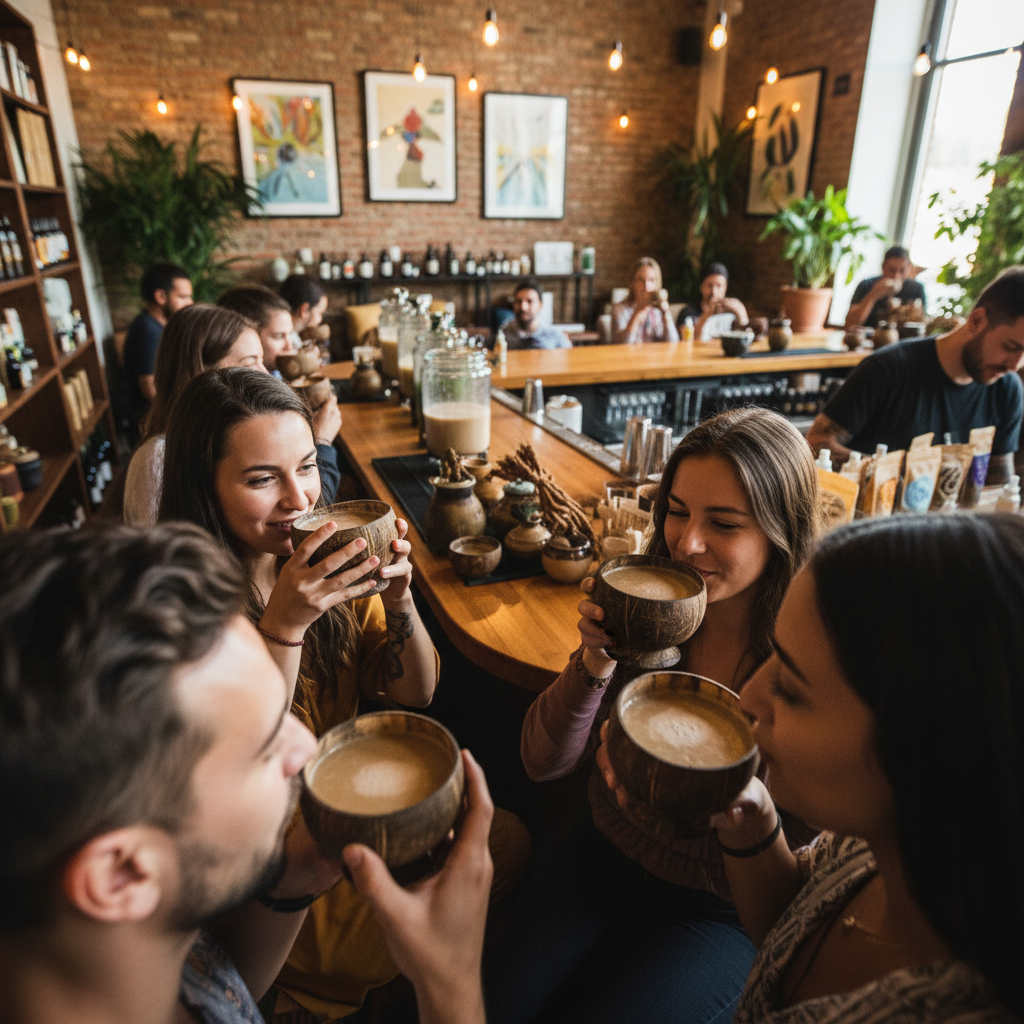
Kava bars, long celebrated as communal hubs for relaxation and cultural connection, are now introducing specialized “relaxation menus” to cater to a wider audience. These menus go beyond the traditional kava shell, offering curated blends of kava strains, complementary herbal infusions, and even mocktail-style kava drinks that mimic the aesthetic of modern cocktails without the alcohol. Establishments in cities like Miami, San Diego, and Portland are leading the charge, with bar owners reporting a surge in interest from wellness-focused patrons.
One notable trend is the incorporation of kava varietals sourced directly from Pacific Island growers. For instance, a popular kava bar in Austin recently debuted a menu featuring Noble kava from Vanuatu, known for its smooth, balanced effects, alongside heavier, more sedative strains from Fiji. “We’re seeing customers who want to customize their relaxation experience,” says Lila Moana, owner of Kava Haven in Austin. “Some come in after a stressful workday looking for a quick unwind, while others want a deeper, meditative experience. Our new menu lets them choose.”
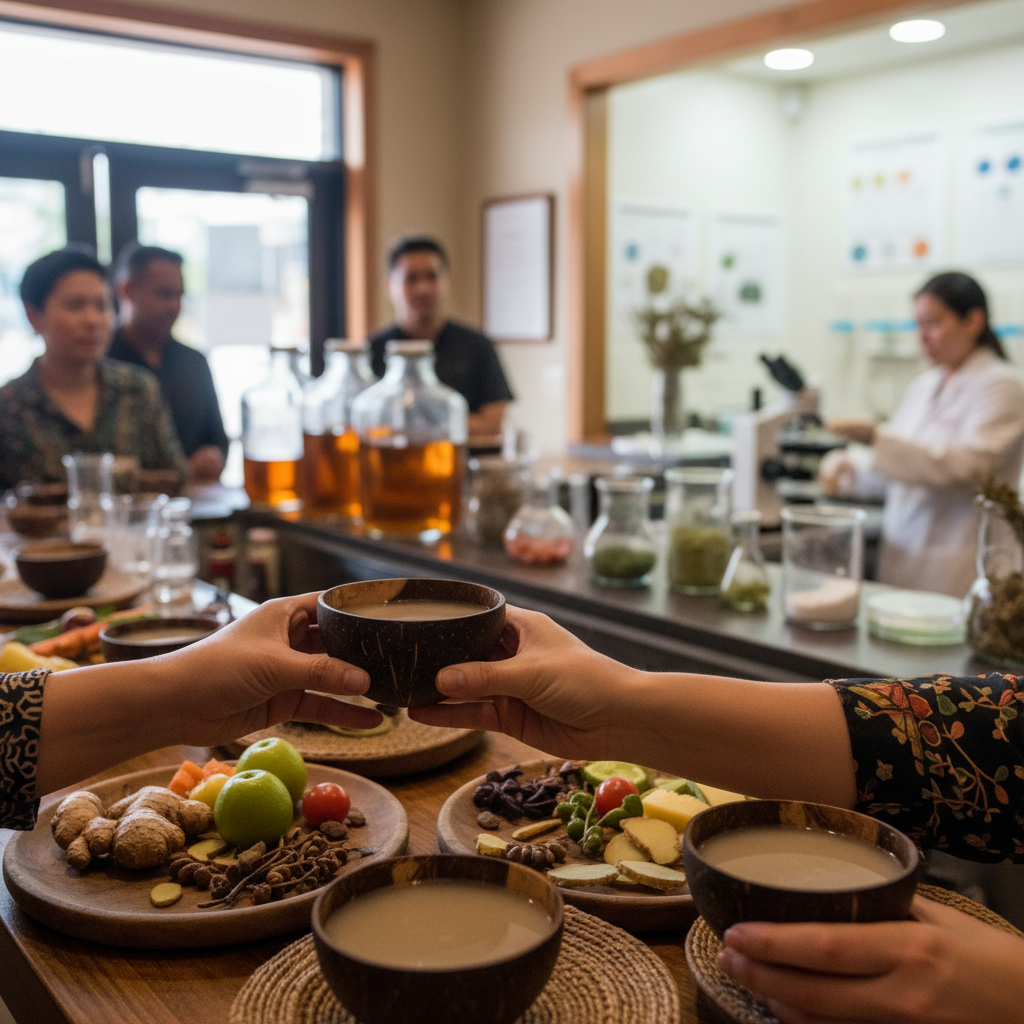
In addition to strain-specific offerings, many kava bars are experimenting with add-ins like coconut milk, honey, and even adaptogenic herbs to enhance flavor and effects. These innovations are not just about taste—they’re about creating a holistic vibe that aligns with the cultural roots of kava as a ceremonial drink. Kava bars are also hosting educational sessions to teach patrons about the origins of kava, its traditional preparation in a tanoa bowl, and the importance of sustainable sourcing. This focus on authenticity is resonating with younger audiences who value transparency and cultural respect.
Kratom Industry Shines with New Research Insights
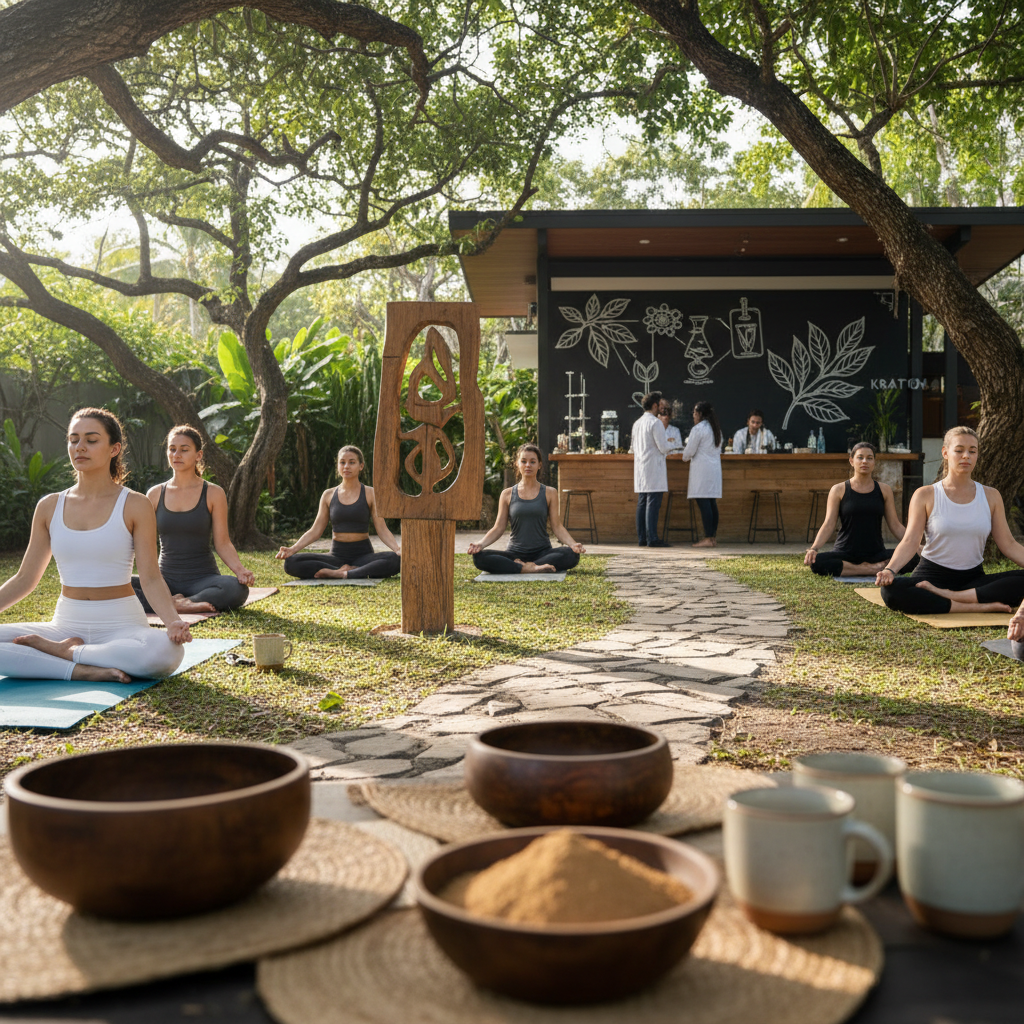
While kava bars are redefining social relaxation, the kratom industry is making waves with emerging research that could further legitimize its place in the wellness world. Kratom, derived from the leaves of the Mitragyna speciosa tree native to Southeast Asia, has long been used traditionally for energy, focus, and pain relief. However, its benefits and safety profile remain a topic of debate. Recent studies, shared at a 2026 industry conference in Bangkok, are shedding light on kratom’s active compounds—mitragynine and 7-hydroxymitragynine—and their potential therapeutic applications.
One promising study from a leading Southeast Asian university explored kratom’s alkaloid interactions with opioid receptors, suggesting that certain strains may offer a natural alternative for managing discomfort without the dependency risks associated with synthetic options. While the research is still in early stages, it has sparked optimism among kratom vendors and advocates who hope for clearer regulatory guidelines. “This data could be a game-changer,” notes Arjun Patel, a spokesperson for the American Kratom Association. “We’ve always known kratom has potential, but having peer-reviewed studies to back it up helps us push for informed policies.”
Alongside research, the kratom industry is focusing on quality control. With demand rising, some suppliers are adopting third-party lab testing to ensure purity and potency, addressing past concerns about contamination. Online kratom retailers are also providing detailed strain guides—think Red Maeng Da for relaxation or Green Bali for balance—to help consumers make informed choices. These efforts reflect a maturing industry eager to build trust and credibility.
Bridging Kava and Kratom: A Shared Cultural Mission
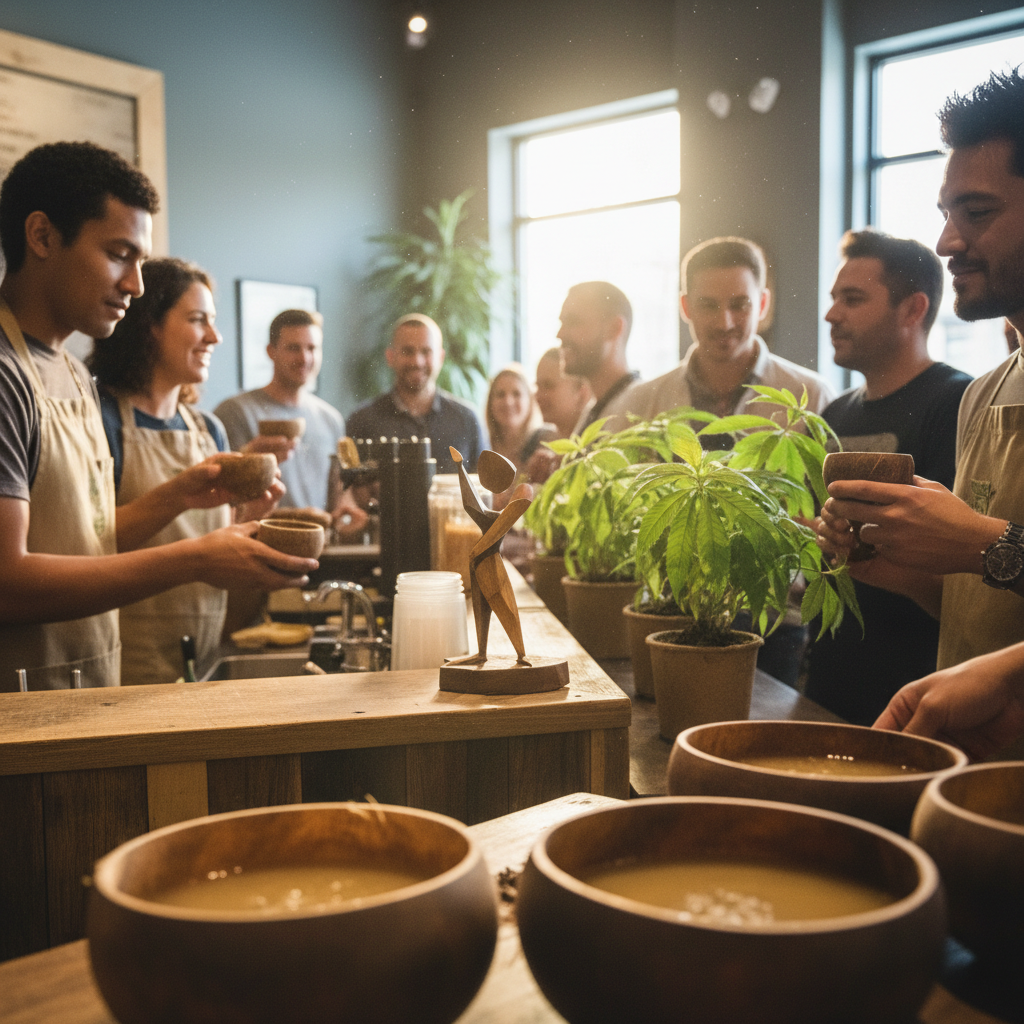
Though kava and kratom hail from different regions—kava from the Pacific Islands and kratom from Southeast Asia—they share a common thread: both are deeply rooted in cultural traditions of community and well-being. Kava bars often double as spaces where patrons discuss natural alternatives like kratom, creating a crossover dialogue. Some bars have even begun offering kratom teas or powders alongside kava, though this practice varies by state due to differing regulations.
This synergy is also evident in how both industries approach education. Just as kava bars teach about sustainable farming in Vanuatu, kratom vendors are increasingly vocal about supporting ethical harvesting in countries like Indonesia. Both sectors face similar challenges—navigating legal gray areas, combating misinformation, and balancing commercialization with cultural integrity. As of 2026, advocacy groups for both kava and kratom are collaborating on initiatives to promote responsible use and protect access for consumers.
Why This Matters for Enthusiasts
For fans of kava and kratom, these developments signal an exciting era. Kava bars are no longer just places to sip a shell; they’re evolving into wellness destinations where relaxation is personalized and culturally rich. Meanwhile, kratom’s growing body of research offers hope for broader acceptance and understanding of its benefits, potentially easing the stigma that has long surrounded it.
If you’re curious to explore, start by visiting a local kava bar to sample their new menus—many offer first-timer discounts or guided tastings. For kratom, look for reputable vendors who prioritize transparency with lab results and customer reviews. As always, moderation and education are key when engaging with these powerful botanicals.
The kava and kratom industries are at a pivotal moment in 2026, blending tradition with innovation. Whether you’re drawn to the communal spirit of a kava bar or intrigued by kratom’s emerging science, there’s never been a better time to dive into this vibrant world of natural relaxation.