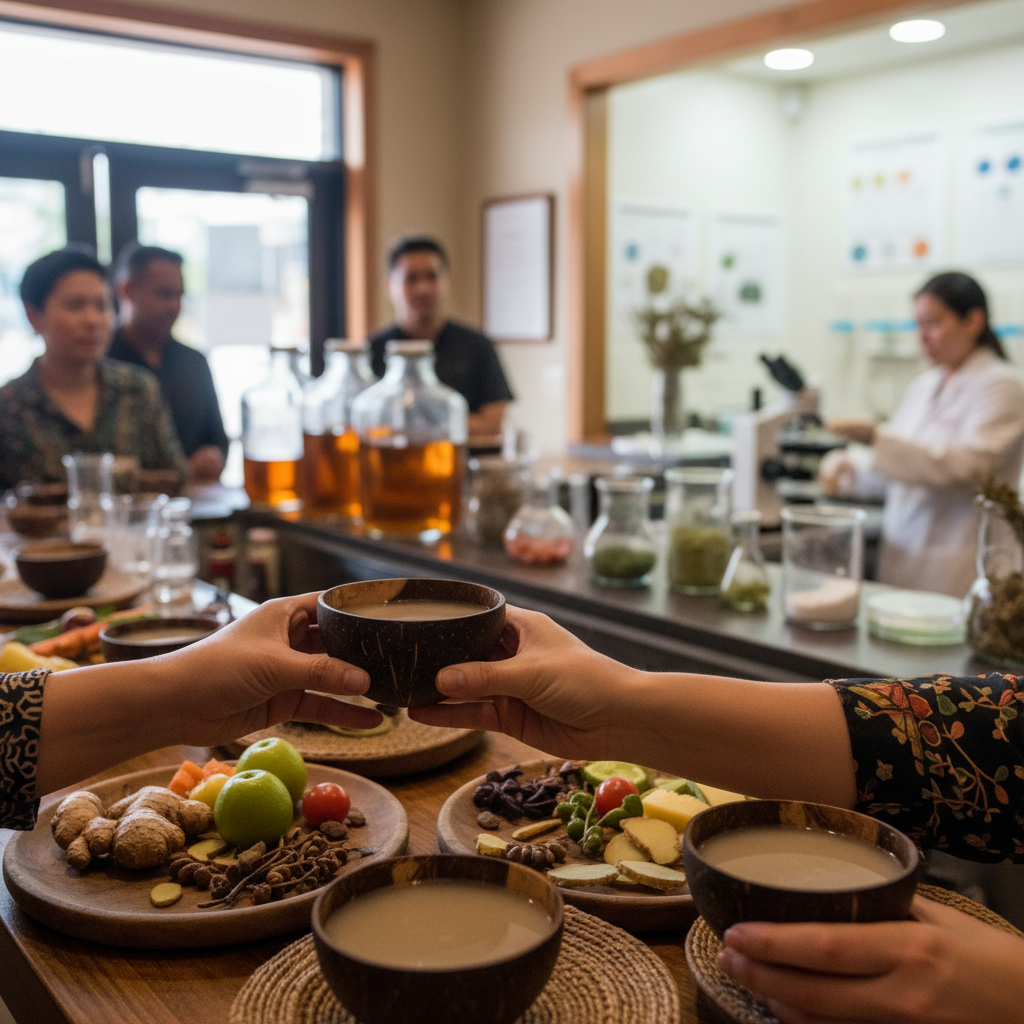
As the popularity of kava and kratom continues to grow across the United States and beyond, exciting developments are unfolding in both the kava bar scene and the broader kratom industry. Kava bars are stepping up their game by introducing innovative community-focused events, while the kratom sector is making strides toward regulatory clarity to ensure consumer safety and product quality. This dual momentum signals a bright future for enthusiasts of these traditional botanicals.
Kava Bars: Building Community Through Unique Events
Kava bars, often seen as modern-day gathering spots for relaxation and socialization, are evolving beyond just serving kava drinks. In cities like Austin, Portland, and Miami, kava bars are rolling out creative events designed to foster a deeper sense of community among patrons. From kava-tasting workshops to cultural storytelling nights, these venues are embracing their roots in Pacific Island traditions while catering to modern audiences.
One standout trend is the rise of 'Kava and Culture' nights, where bar owners invite local Pacific Islander community members to share stories, songs, and dances that highlight the historical significance of kava. At Shell & Chill in San Diego, for instance, a monthly event features live ukulele performances paired with guided kava ceremonies. “We want our customers to feel the true spirit of kava—it’s not just a drink; it’s a connection to history and to each other,” says owner Malia Kekoa.
Other kava bars are hosting wellness-focused events, such as guided meditation sessions paired with kava consumption. These events emphasize kava’s well-documented benefits, including its ability to reduce stress and promote relaxation without the intoxicating effects of alcohol. Bars like Kava Konnection in Asheville are even partnering with yoga instructors to offer 'Kava Flow' classes, blending mindfulness practices with the calming effects of kava.
These community events aren’t just about enhancing the customer experience—they’re also a smart business move. With competition heating up in the kava bar industry, unique offerings help establishments stand out and build loyal customer bases. As more people seek alcohol-free social spaces, kava bars are positioning themselves as the go-to spots for meaningful connection and relaxation.
Kratom Industry: A Push for Regulation and Transparency
While kava bars are innovating on the cultural front, the kratom industry is tackling a different kind of challenge: regulatory uncertainty. Kratom, a Southeast Asian plant known for its potential pain-relieving and mood-enhancing properties, has faced scrutiny from regulators in various countries due to concerns about safety and misuse. However, recent efforts by industry leaders and advocacy groups are paving the way for clearer guidelines that could legitimize and standardize kratom products.
In the United States, organizations like the American Kratom Association (AKA) are working tirelessly to promote the Kratom Consumer Protection Act (KCPA). This legislation, which has already been passed in several states, aims to regulate kratom by setting standards for purity, labeling, and manufacturing practices. Proponents argue that such measures will protect consumers from contaminated or mislabeled products while ensuring access for those who rely on kratom for wellness purposes.
“Regulation isn’t about restricting kratom—it’s about making it safer for everyone,” says Dave Herman, chairman of the AKA. “We’ve seen too many cases of adulterated products tarnishing the reputation of this plant. Clear rules will help responsible vendors thrive and give consumers confidence in what they’re buying.”
Globally, the kratom industry is also gaining traction. Countries like Thailand, where kratom was historically banned, have recently legalized its use and export under strict regulations. This shift is opening up new supply chains and encouraging ethical sourcing practices, which could stabilize prices and improve quality for international markets. For kratom vendors in the U.S., this is a promising development, as it addresses concerns about supply shortages and inconsistent product standards.
Kava Health Benefits: What the Latest Research Says
Amidst the excitement surrounding kava bars and kratom advocacy, new research on kava’s health benefits is adding fuel to its growing popularity. A recent study published by a team of researchers at the University of Queensland in Australia has shed light on kava’s potential as a natural remedy for anxiety. The study, which reviewed clinical trials involving kava extract, found that the plant’s active compounds—known as kavalactones—have a significant calming effect on the central nervous system.
Participants in these trials reported reduced feelings of anxiety and improved sleep quality after consuming kava, with minimal side effects when taken in moderate doses. This aligns with traditional uses of kava in Pacific Island cultures, where it has long been used to ease stress during social and ceremonial gatherings.
However, the study also emphasized the importance of proper dosage and sourcing. High-quality kava, prepared from the root of the Piper methysticum plant, is key to achieving therapeutic benefits without risks. Researchers cautioned against products made from other parts of the plant, which may contain harmful compounds. For consumers, this underscores the value of purchasing kava from reputable vendors or trusted kava bars that prioritize quality and authenticity.
The findings are a boon for the kava industry, as they provide scientific backing for what many users have known anecdotally for years. As more studies emerge, kava could gain wider acceptance in mainstream wellness circles, potentially leading to increased demand and innovation in how it’s consumed.
The Future of Kava and Kratom: A Shared Path Forward
The parallel developments in the kava and kratom industries highlight a shared goal: to preserve the cultural and therapeutic value of these plants while adapting to modern needs. Kava bars are becoming hubs of community and education, introducing newcomers to the rich traditions behind kava while offering safe, social alternatives to alcohol-centric venues. Meanwhile, the kratom industry’s push for regulation reflects a commitment to consumer safety and long-term sustainability.
For enthusiasts, this is an exciting time to be part of the kava and kratom world. Whether you’re sipping a shell of kava at a local bar’s cultural night or exploring kratom products backed by stricter quality controls, there’s a growing sense of trust and connection within these communities. As both industries continue to evolve, one thing is clear: kava and kratom are here to stay, bridging ancient traditions with contemporary lifestyles.