Kava Bars Innovate with Customer Loyalty Programs
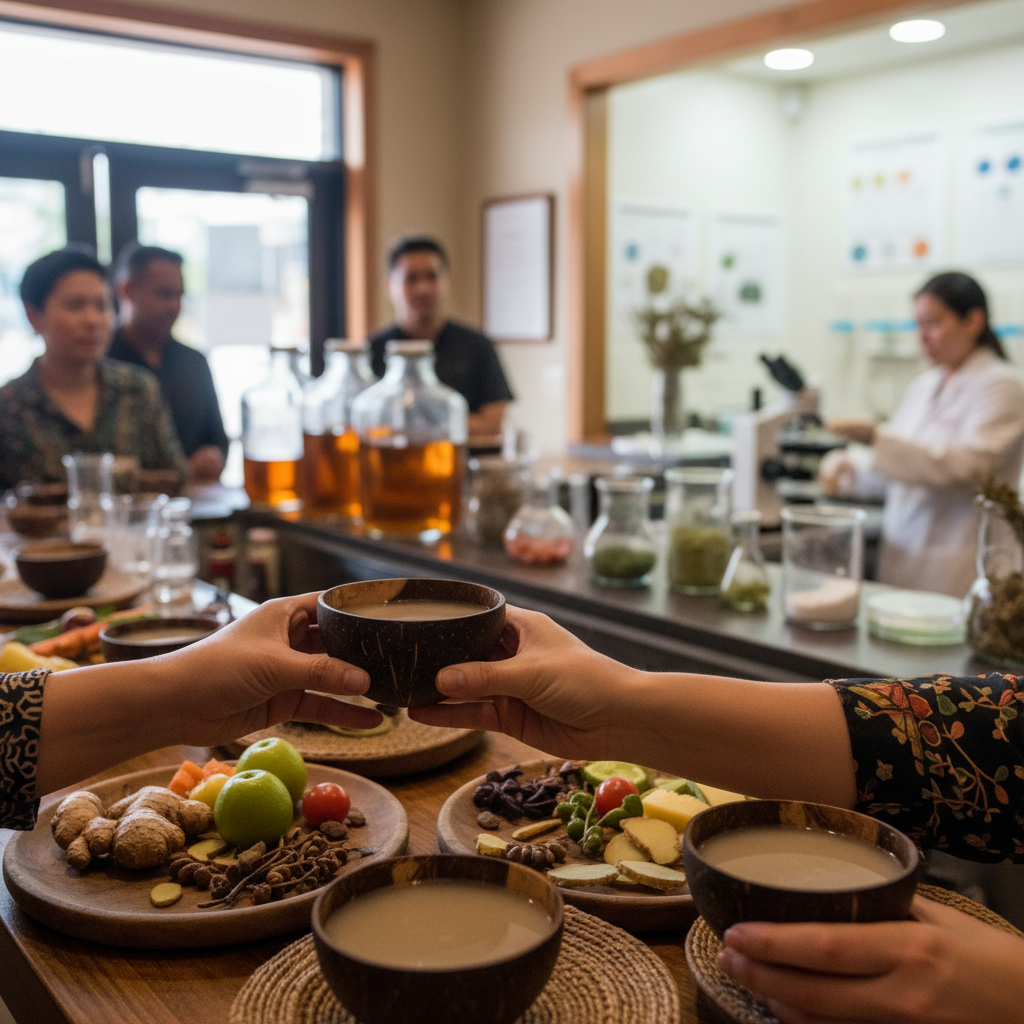
As the kava bar scene continues to grow across the United States and beyond, owners are finding new ways to connect with their communities and keep customers coming back for more. In 2026, a wave of kava bars has introduced creative loyalty programs aimed at enhancing the customer experience while fostering a deeper appreciation for kava culture. From free kava shells after a certain number of visits to exclusive access to rare kava strains, these programs are redefining how patrons engage with their local kava lounges.
Take, for instance, the approach of Pacific Roots Kava Bar in San Diego, which recently launched a 'Kava Passport' program. Patrons receive a stamp for each visit, and after ten stamps, they’re rewarded with a complimentary kava drink and an invitation to a monthly kava tasting event. 'We wanted to create a sense of belonging,' says owner Lila Thompson. 'Our customers aren’t just here for a drink; they’re here for the community and the calming effects of kava. This program celebrates that connection.'
Other kava bars are taking a digital approach. Aloha Kava Lounge in Miami has developed an app-based loyalty system where users can track their purchases, earn points, and even pre-order their favorite kava blends for pickup. These innovative strategies are not only boosting customer retention but also helping kava bars stand out in an increasingly competitive market. As kava’s popularity surges—thanks to its stress-relieving properties—bar owners are doubling down on ways to make every visit memorable.
Kratom Industry Advances with New Strain Research
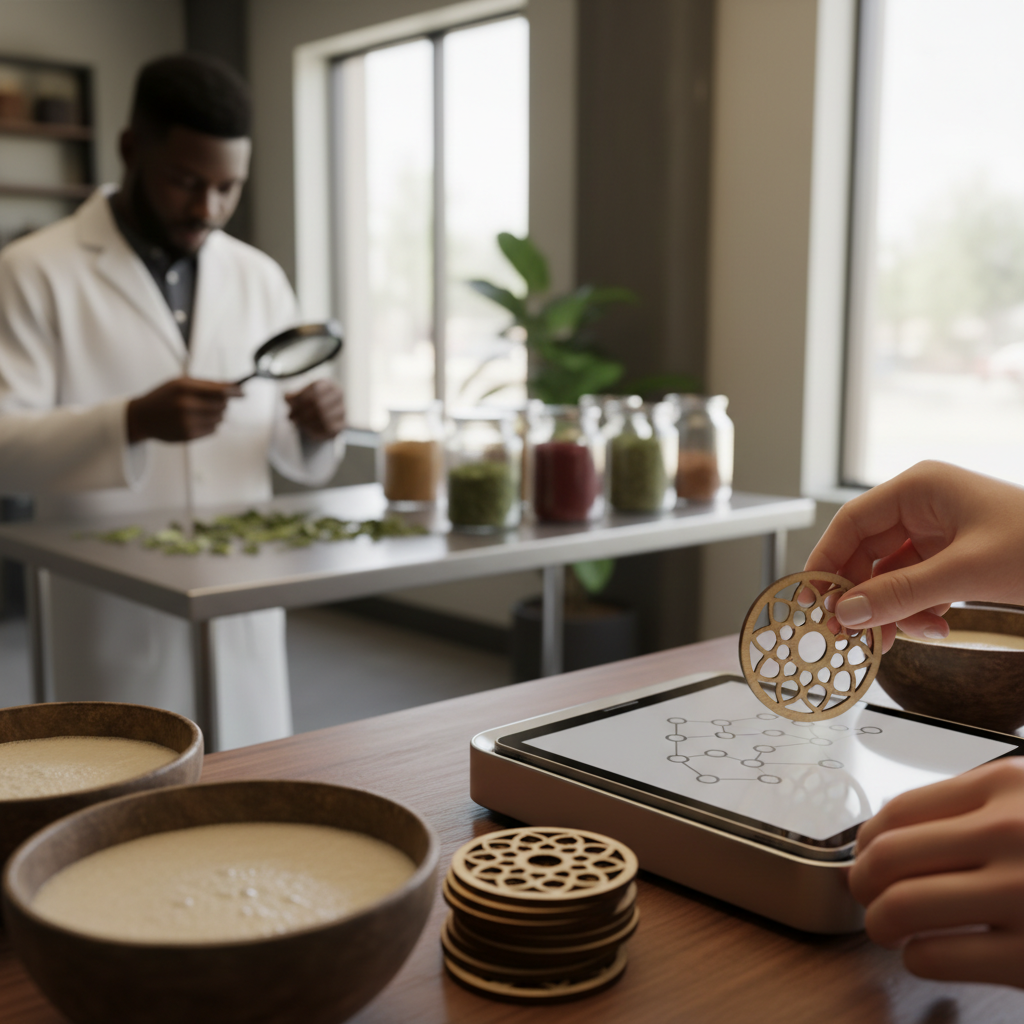
Meanwhile, the kratom industry is buzzing with excitement over recent developments in strain cultivation and research. Kratom, a tropical tree native to Southeast Asia, has long been valued for its potential to support energy, focus, and relaxation. In early 2026, several kratom vendors and researchers announced breakthroughs in identifying and cultivating unique kratom strains with distinct alkaloid profiles, which could cater to a wider range of consumer preferences.
One notable advancement comes from a collaborative study between independent kratom farmers in Indonesia and a U.S.-based botanical research group. Their findings, published in a recent industry journal, highlight a new red vein strain with a higher concentration of 7-hydroxymitragynine, an alkaloid often associated with kratom’s calming effects. 'This strain could be a game-changer for those seeking deeper relaxation without the sedation of traditional varieties,' notes Dr. Elena Carter, a lead researcher on the project.
Kratom vendors are already working to bring these new strains to market, with some planning limited-edition releases to gauge consumer interest. However, the industry remains cautious, emphasizing the need for rigorous testing and transparent labeling to ensure safety and consistency. As kratom continues to gain traction—despite ongoing regulatory debates—such innovations underscore the industry’s commitment to meeting consumer demand with quality products.
The Intersection of Kava and Kratom Communities
Interestingly, the lines between kava and kratom communities are beginning to blur as enthusiasts and vendors recognize the complementary nature of these botanicals. Many kava bars are now experimenting with kratom-infused drinks or offering kratom tea alongside traditional kava shells. This trend reflects a growing curiosity among consumers who are eager to explore the unique effects of both plants—kava for its mellow, social vibe and kratom for its versatile energy or relaxation benefits.
At Kava & Kratom Haven in Austin, Texas, owner Marcus Reed has noticed a spike in customers requesting combination drinks. 'People are curious about how kava and kratom can work together,' he explains. 'We’ve created a safe space for experimentation, with staff trained to educate on proper dosing and effects.' This blending of traditions is also sparking conversations about responsible use, as both industries prioritize customer education to prevent misuse.
Recent Studies Highlight Kava’s Health Benefits
Adding fuel to kava’s rising popularity are new studies underscoring its potential health benefits. A 2026 research paper from the University of Hawaii explored kava’s role in reducing anxiety and improving sleep quality. The study, which involved over 200 participants, found that regular, moderate kava consumption led to a significant decrease in reported stress levels over a six-week period. Participants also noted better sleep patterns, attributing this to kava’s calming kavalactones.
'These findings align with what Pacific Islanders have known for centuries,' says Dr. Malia Kealoha, a cultural anthropologist involved in the study. 'Kava isn’t just a drink; it’s a tool for mental wellness.' While the research emphasizes moderation due to potential liver concerns with excessive use, it provides a modern validation of kava’s traditional role as a natural relaxant. For kava bar owners, such studies are a boon, offering scientific backing to share with curious newcomers.
What’s Next for Kava Bars and the Kratom Industry?
As we move further into 2026, the kava and kratom industries show no signs of slowing down. Kava bars are poised to become even more integral to local wellness scenes, with loyalty programs paving the way for deeper customer engagement. At the same time, the kratom industry’s focus on strain innovation signals a maturing market that’s responsive to consumer needs while navigating complex regulatory landscapes.
For enthusiasts of both botanicals, this is an exciting era. Whether you’re sipping a kava shell at your favorite lounge or exploring a new kratom strain at home, the cultural and scientific advancements in these spaces are creating more opportunities to connect, relax, and learn. Stay tuned as kava bars and kratom vendors continue to push boundaries, blending tradition with innovation in 2026.