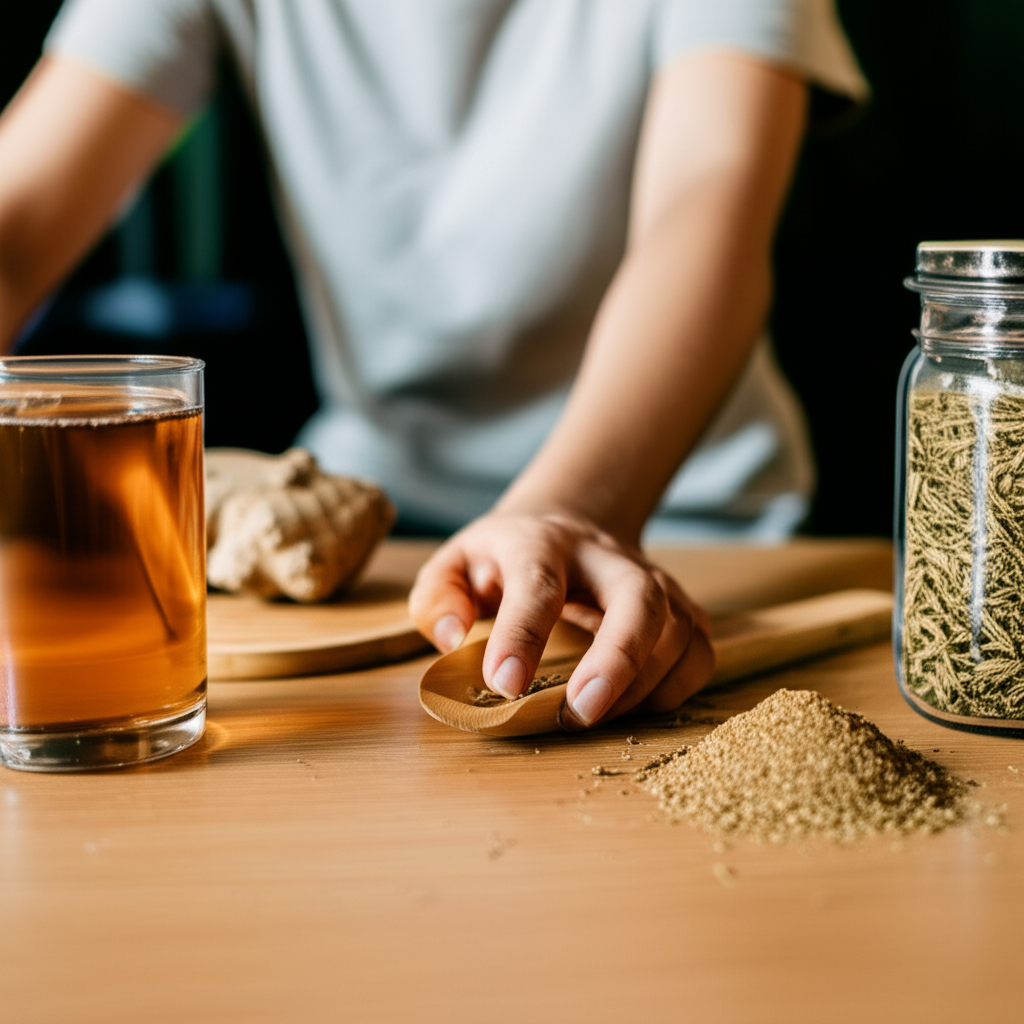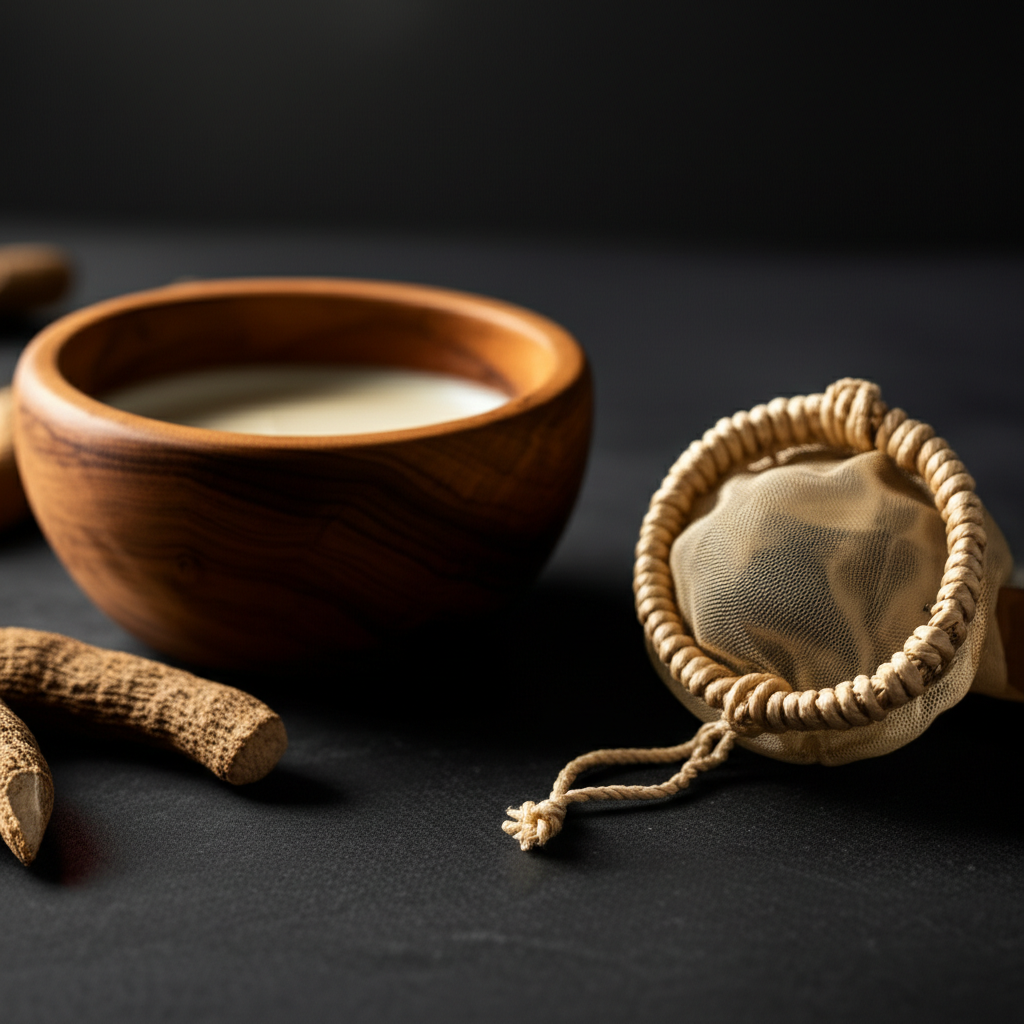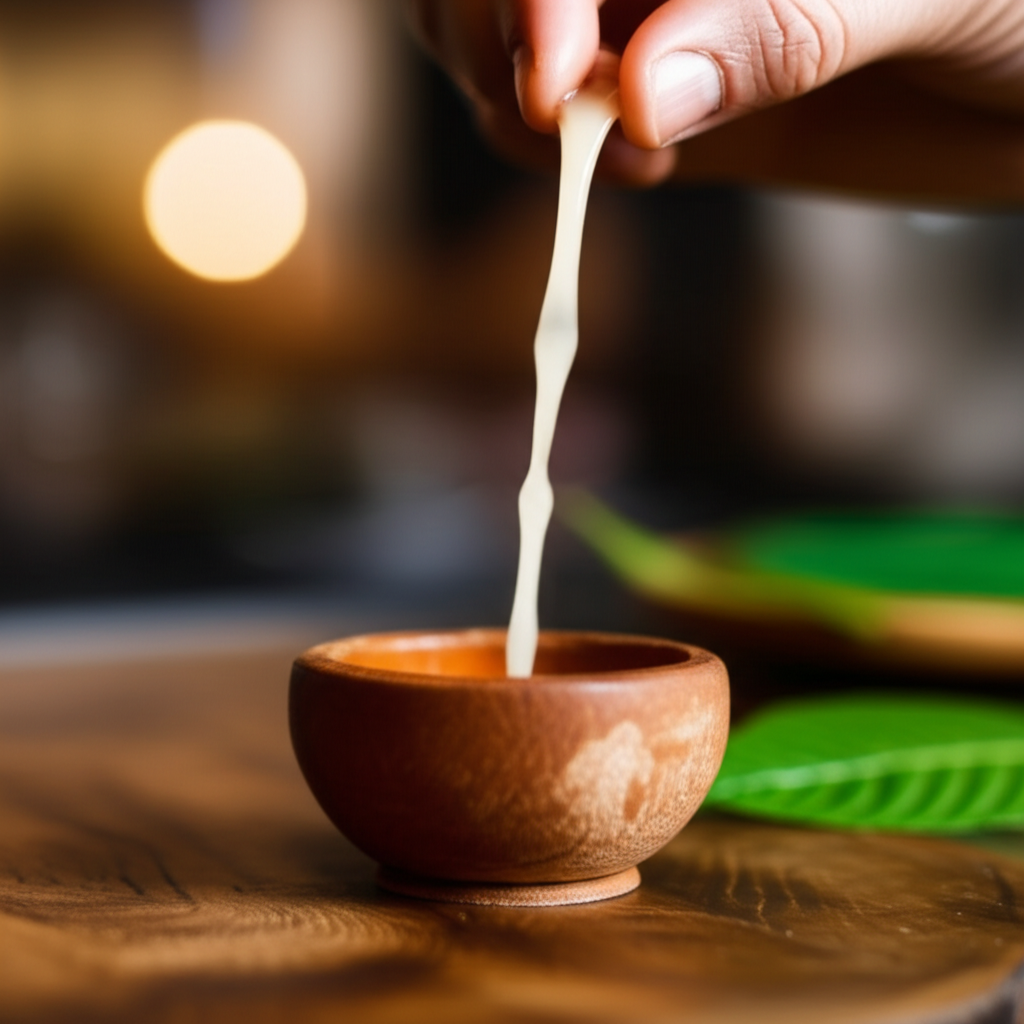
In the ever-evolving world of natural wellness, kava and kratom continue to captivate enthusiasts with their unique properties and cultural significance. As we step into 2026, a groundbreaking study on kava's stress-relief benefits is making waves, while the kratom industry thrives within the vibrant ecosystem of kava bars. This article delves into these developments, exploring how they are shaping the kava/kratom industry and fostering new community spaces for relaxation and connection.
The Latest on Kava: A 2026 Study Highlighting Stress-Relief Benefits
Recent research from the Pacific Institute of Herbal Studies, released in early 2026, has shed light on kava's potential as a natural aid for stress management. This double-blind study involved 200 participants who consumed standardized kava extracts over a 12-week period. The results, published in the Journal of Ethnopharmacology, indicate that kava may significantly reduce cortisol levels—the body's primary stress hormone—without the side effects commonly associated with pharmaceutical options.
Participants reported improved mood stability and enhanced relaxation, attributing these benefits to kava's active compounds, known as kavalactones. These findings build on previous research, emphasizing kava's role in promoting mental clarity and emotional balance. For instance, the study noted that regular kava consumption correlated with a 25% decrease in perceived stress scores, as measured by the Perceived Stress Scale. This is particularly relevant in today's fast-paced world, where stress-related disorders are on the rise.
Experts in the field, such as Dr. Elena Rivera, a herbal pharmacologist, have praised the study for its rigorous methodology. "Kava's traditional use in Pacific Island cultures for centuries is now being validated by modern science," she explains. "This research underscores kava's potential as a safe, plant-based alternative for those seeking natural ways to unwind."
Beyond stress relief, the study touched on kava's broader health benefits, including its anti-anxiety effects and possible support for better sleep quality. Participants who struggled with insomnia saw an average reduction in sleep latency by 15 minutes, highlighting kava's versatility as a wellness tool. As more people turn to herbal remedies, these findings are likely to influence product formulations and consumer choices in the kava industry.
The Rise of Kava Bars: New Openings and Their Role in Community Wellness
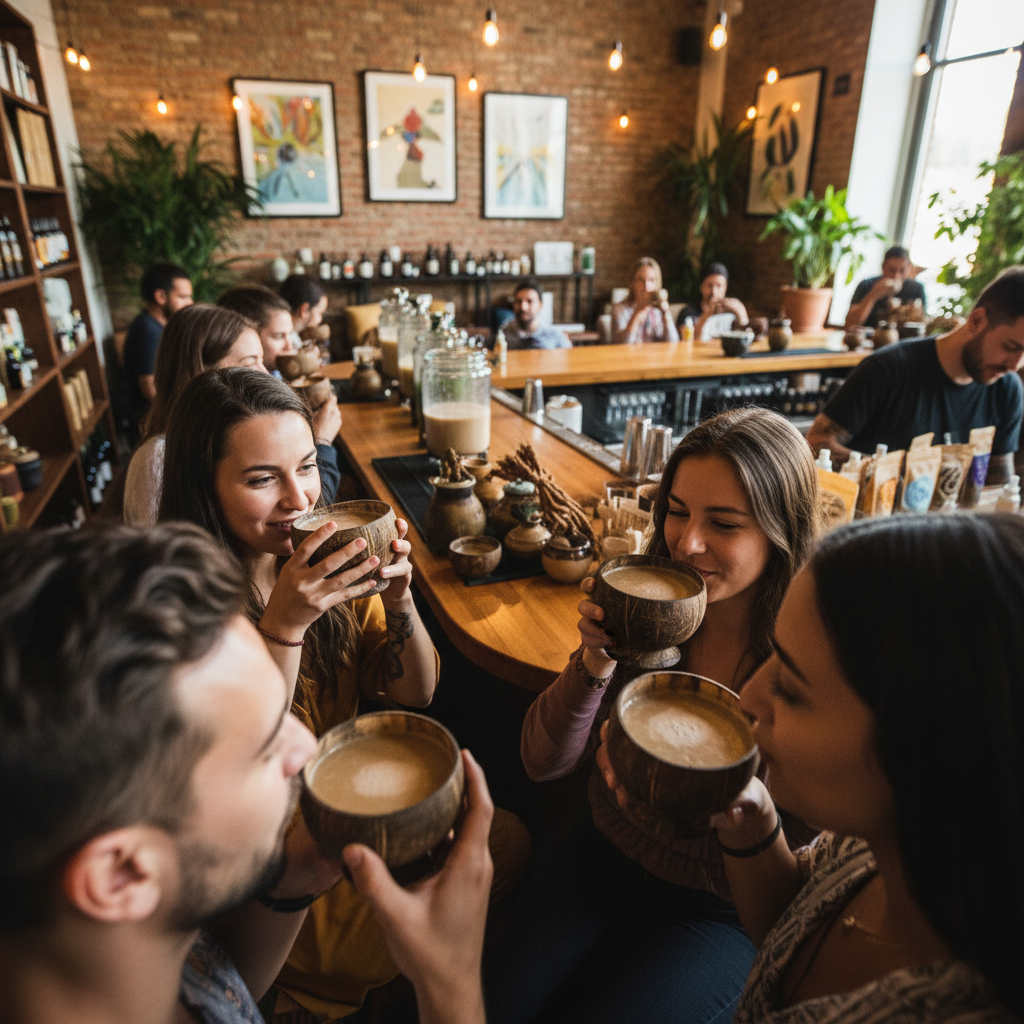
Kava bars have become the heartbeat of the kava/kratom community, offering spaces where people can enjoy these herbs in a social setting. In 2026, we're seeing a surge in new kava bar openings across the United States, with innovative establishments blending tradition with modern twists. For example, a new kava bar in Oregon, named "Roots of Calm," opened its doors in January 2026, featuring locally sourced kava and educational workshops on its benefits.
These bars are more than just venues for drinking; they serve as hubs for cultural exchange and relaxation. At Roots of Calm, patrons can participate in tastings that pair kava with complementary herbs, creating customized blends for optimal wellness. This approach not only enhances the user experience but also educates newcomers about the rich history of kava from the South Pacific.
What's driving this expansion? A growing demand for alcohol-free social alternatives has propelled kava bars into the spotlight. According to industry reports, kava bar revenues increased by 40% in 2025, with projections for even higher growth in 2026. These spaces are fostering a sense of community, where individuals can gather to discuss everything from daily stressors to the latest in herbal research.
- Offering diverse kava strains, such as noble and tudei varieties, to cater to different preferences.
- Incorporating kratom-based drinks as complementary options, allowing for a broader menu.
- Hosting events like meditation sessions and herbal mixology classes to engage the community.
- Partnering with local farmers to ensure sustainable sourcing, which appeals to eco-conscious consumers.
As kava bars evolve, they are also adapting to consumer feedback. Many now include non-traditional elements, like flavored kava infusions or kratom-infused teas, to attract a wider audience while maintaining authenticity.
Navigating the Kratom Industry: Trends, Challenges, and Growth in 2026
Parallel to kava's rise, the kratom industry is experiencing significant growth, with 2026 marking a pivotal year for market expansion and regulatory developments. Kratom, derived from the Mitragyna speciosa tree native to Southeast Asia, is gaining traction for its potential to alleviate discomfort and boost energy levels. Industry analysts report that global kratom sales reached $1.5 billion in 2025, with expectations to surpass $2 billion by the end of 2026.
One key trend is the integration of kratom into kava bars, where it's offered as an alternative or additive to traditional kava drinks. This synergy allows bars to diversify their offerings, appealing to users seeking varied effects. For instance, some kratom strains provide stimulating properties during the day, while others offer relaxing effects in the evening, complementing kava's profile.
However, the kratom industry faces challenges, particularly around regulation and quality control. In 2026, several states have implemented stricter guidelines to ensure product safety, focusing on standardized testing for contaminants. This has led to a wave of certifications, with brands emphasizing transparent sourcing and lab-verified products. As a result, consumers are more informed, often choosing kratom based on alkaloid content and origin.
The industry is also seeing innovations in product development. New kratom extracts and capsules are being formulated for precise dosing, making it easier for users to incorporate into their routines. Moreover, partnerships between kratom suppliers and kava bars are fostering a more interconnected market, where education plays a central role.
- Emerging trends in sustainable kratom farming, reducing environmental impact in Southeast Asia.
- Growing popularity of kratom-kava hybrid blends, offering balanced experiences.
- Increased research funding to explore kratom's long-term effects and benefits.
- Consumer education initiatives to promote responsible use and dispel myths.
Despite these advancements, the kratom industry must navigate ongoing debates about its regulation. Advocates argue that with proper oversight, kratom can be a valuable part of natural wellness, much like kava. As 2026 progresses, these discussions are likely to shape the industry's future, ensuring safety while supporting growth.
The Interconnection: How Kava Bars Are Bridging Kava and Kratom Worlds
Kava bars are uniquely positioned to bridge the gap between kava and kratom, creating a unified space for exploration. By offering both herbs, these establishments educate patrons on their differences and synergies. For example, a kava drink might be paired with a mild kratom infusion for a customized relaxation experience, allowing users to tailor their visits.
This integration is not just about products; it's about culture. Kava bars often host events that celebrate the heritage of both plants, from Pacific Island storytelling sessions to Southeast Asian kratom traditions. Such initiatives are fostering a deeper appreciation within the community, encouraging sustainable practices and ethical consumption.
Looking ahead, the kava/kratom industry is poised for continued innovation. With ongoing studies and market expansions, 2026 could be the year that solidifies these herbs as staples in modern wellness routines. Whether you're a long-time enthusiast or a curious newcomer, the evolving landscape offers exciting opportunities for discovery and relaxation.
In conclusion, the 2026 study on kava's stress-relief benefits, coupled with the growth of kava bars and the kratom industry, paints a promising picture for natural herbal wellness. As we embrace these developments, it's essential to prioritize education, sustainability, and responsible use to maximize the positive impacts of kava and kratom.