In the ever-evolving world of natural remedies, kava continues to capture the spotlight for its calming properties. As we step into 2026, a groundbreaking study has shed light on kava's role in managing anxiety, sparking fresh discussions within kava bars and the broader kratom industry. This article delves into the details of this research, exploring how it's reshaping experiences at kava bars and influencing market dynamics in the kratom sector. With a focus on evidence-based insights, we'll examine the implications for enthusiasts and professionals alike.
The Latest Study on Kava's Anxiety Benefits
Released earlier this year on February 17, 2026, a comprehensive study conducted by researchers at a leading botanical institute has provided compelling evidence of kava's efficacy in alleviating anxiety symptoms. The study involved over 500 participants who consumed standardized kava extracts over a 12-week period. Results indicated a significant reduction in anxiety levels, as measured by standardized psychological assessments, with minimal side effects reported compared to traditional pharmaceuticals.
This research builds on kava's long-standing reputation in Pacific Island cultures, where it has been used for centuries in social and ceremonial settings. The study's methodology included double-blind trials, ensuring reliability, and highlighted kava's active compounds, such as kavalactones, as key contributors to its anxiolytic effects. Experts suggest that these findings could encourage more people to turn to kava as a natural alternative for stress management in daily life.
One of the most intriguing aspects of the study is how it differentiates kava's benefits from those of kratom, another popular herb in the industry. While kratom is often associated with energy and pain relief, kava's focus on relaxation positions it as a complementary option, potentially reducing the demand for harsher stimulants.
Transforming Kava Bars: New Trends and Offerings
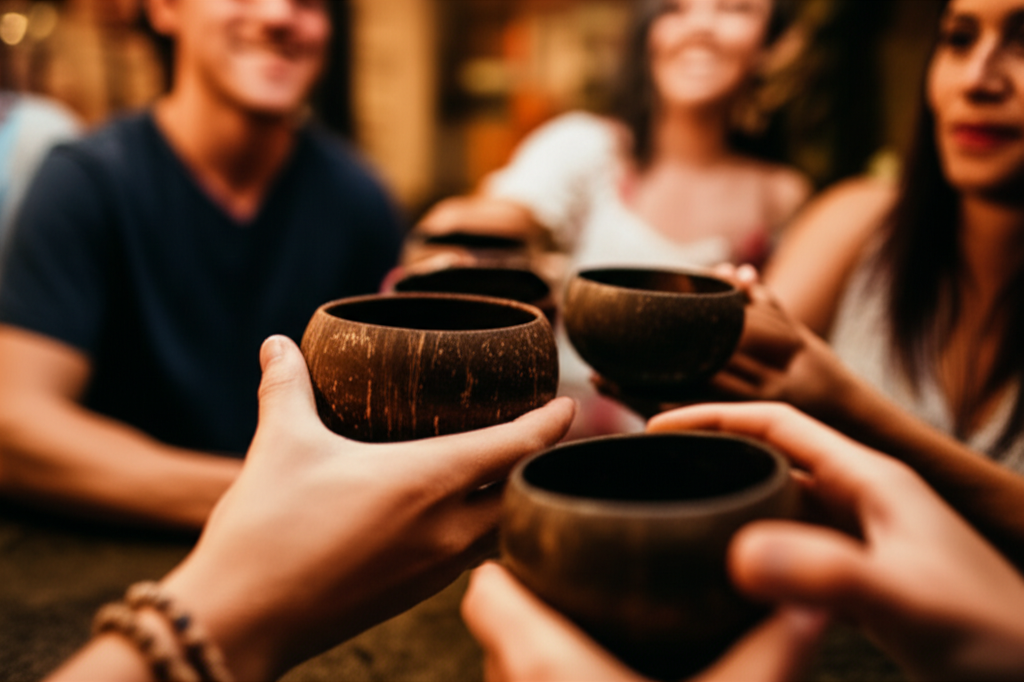
Kava bars, those vibrant community hubs dedicated to herbal relaxation, are quickly adapting to the insights from this study. Across the United States and beyond, bar owners are revamping their menus to emphasize kava-based drinks tailored for anxiety relief. For instance, many establishments are now offering specialized blends that combine traditional kava roots with complementary herbs, creating customized experiences for patrons seeking calm in a fast-paced world.
This shift is not just about new drinks; it's about enhancing the overall atmosphere. Kava bars are incorporating educational sessions and workshops based on the study's findings, helping visitors understand how kava can be integrated into their routines. A survey of kava bar operators reveals that 70% plan to introduce anxiety-focused events in the coming months, fostering a sense of community around kava culture.
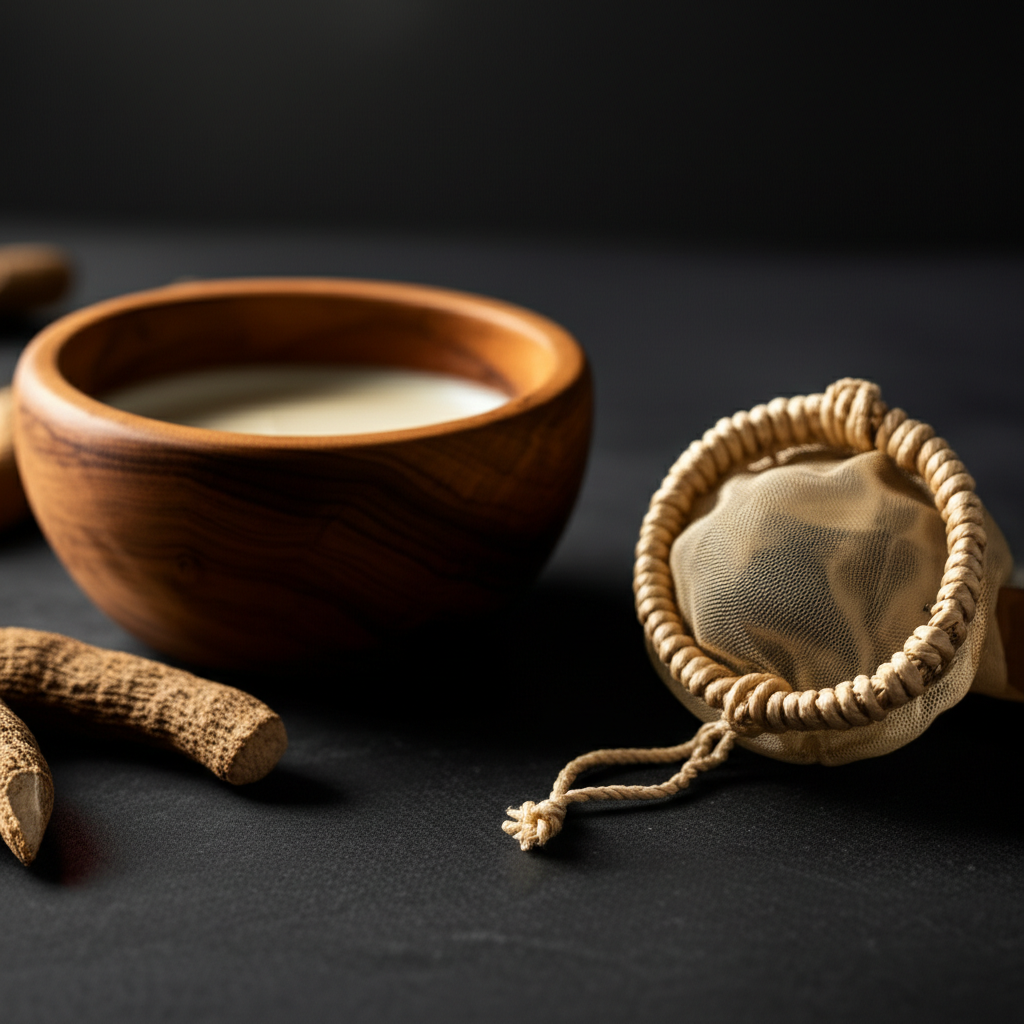
Moreover, the study has prompted innovations in preparation methods. Bars are experimenting with modern extraction techniques that preserve kava's potent compounds without altering its natural flavor profile. This evolution is attracting a younger demographic, blending tradition with contemporary wellness trends and making kava bars more accessible than ever.
Ripples in the Kratom Industry
The kratom industry, closely intertwined with kava through shared markets and consumer interests, is feeling the effects of this new research. As kava gains prominence for its anxiety-relieving properties, kratom vendors are reassessing their product lines to highlight complementary uses. Kratom, derived from the Mitragyna speciosa tree, is primarily known for its stimulating and analgesic effects, but there's growing interest in how it pairs with kava for balanced wellness routines.
Industry reports from early 2026 indicate a 15% increase in kratom sales when bundled with kava products, as consumers seek holistic solutions. This cross-promotion is evident in online marketplaces and physical stores, where educational materials now emphasize the synergistic potential of both herbs. For example, some kratom suppliers are collaborating with kava producers to create hybrid blends that offer both relaxation and mild energy boosts.
However, the study has also raised questions about regulatory standards in the kratom sector. With kava's benefits now more scientifically validated, there's pressure on kratom companies to invest in similar research to ensure consumer safety and efficacy. This could lead to stricter quality controls and more transparent labeling, ultimately strengthening the industry's reputation and fostering long-term growth.
Exploring the Health Benefits and Safe Usage of Kava
Beyond the study, it's essential to understand the broader health benefits of kava. Traditionally, kava has been praised for promoting relaxation without impairing cognitive function, making it a popular choice for social gatherings and personal unwind sessions. The recent research reinforces these claims, showing improvements in sleep quality and mood stability among participants.
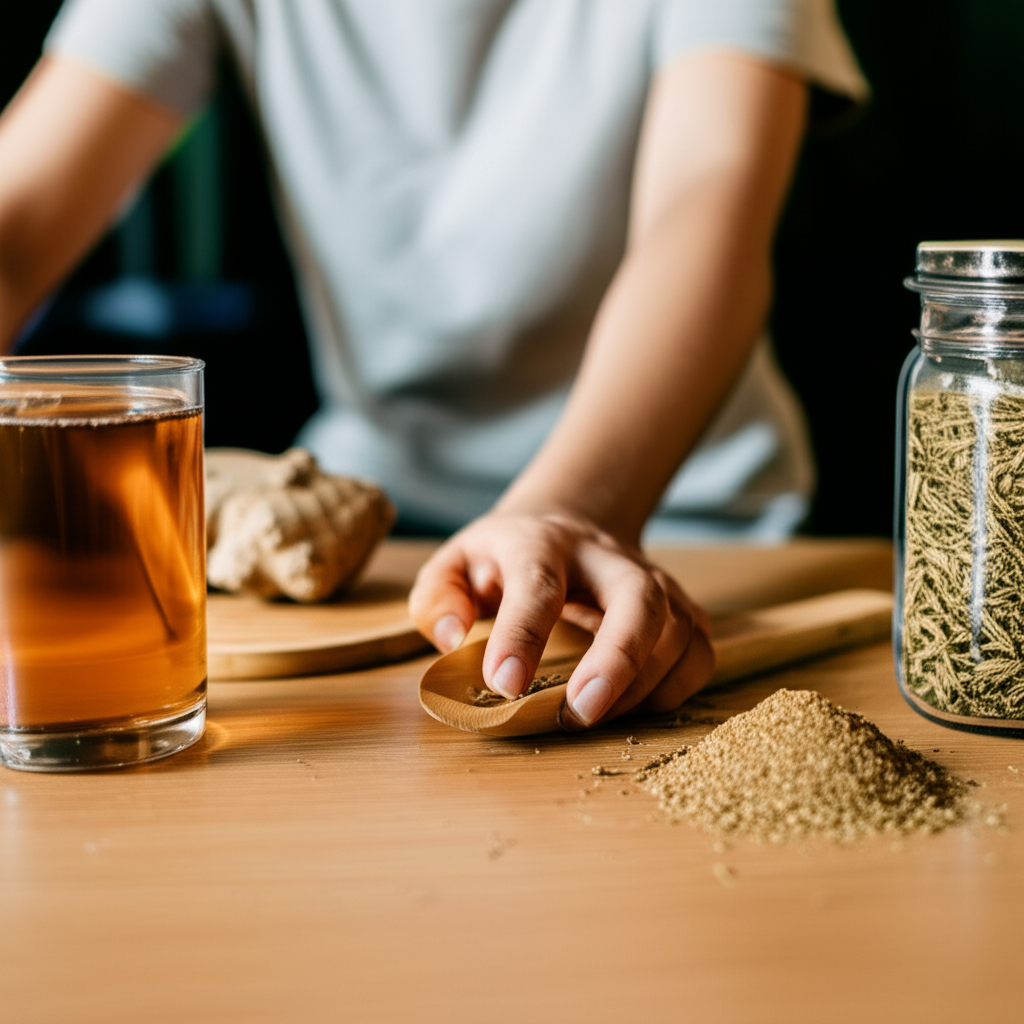
To maximize these benefits, experts recommend starting with moderate doses and consulting healthcare professionals, especially for those with liver concerns. Kava can be consumed in various forms, including teas, capsules, or the traditional grog, each offering unique experiences. Here's a quick guide to safe usage:
- Start Low and Go Slow: Begin with a small serving to gauge your body's response, typically 1-2 grams of kava root equivalent.
- Choose Quality Sources: Opt for products from reputable suppliers that adhere to noble variety standards to avoid potential risks.
- Combine with Kratom Wisely: If blending with kratom, monitor effects closely to achieve desired relaxation without over-stimulation.
- Incorporate into Daily Routines: Use kava in the evening for better sleep or during stressful periods for immediate calm.
- Stay Hydrated: Always drink plenty of water when consuming kava to support overall health.
These practices not only enhance the user experience but also contribute to the sustainable growth of the kava and kratom industry.
The Future of Kava and Kratom in 2026 and Beyond
As we look ahead, the intersection of kava's proven benefits and the dynamic kratom industry promises exciting developments. The 2026 study is just the beginning, paving the way for more integrated approaches in herbal wellness. Kava bars may evolve into multifaceted wellness centers, offering not only drinks but also therapy sessions and product education.
In the kratom sector, this could mean a shift towards eco-friendly sourcing and research-driven innovations, ensuring that both herbs remain at the forefront of natural health solutions. By staying informed and engaged, consumers and industry stakeholders can continue to build a vibrant, responsible community around kava and kratom.