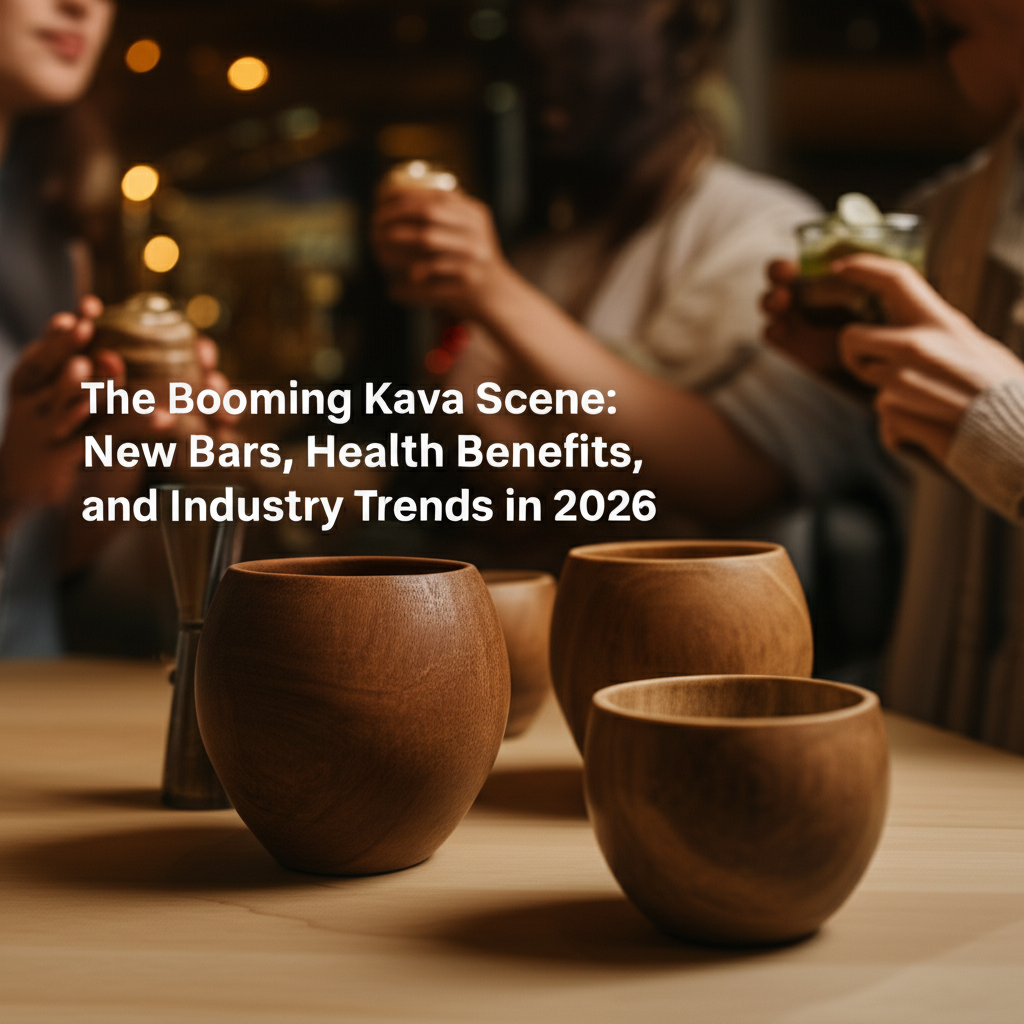
In the ever-evolving world of natural wellness, kava has emerged as a star player, offering a relaxing alternative to alcohol and caffeine without the harsh side effects. As of February 2026, kava bars are popping up across the United States, driven by growing interest in herbal remedies and recent studies highlighting their benefits. This article dives into the latest developments in the kava industry, including exciting new bar openings, groundbreaking research on kava's health perks, and a glance at the parallel kratom market, all while exploring how these trends are shaping the future of social and wellness experiences.
What is Kava and Why It's Gaining Popularity
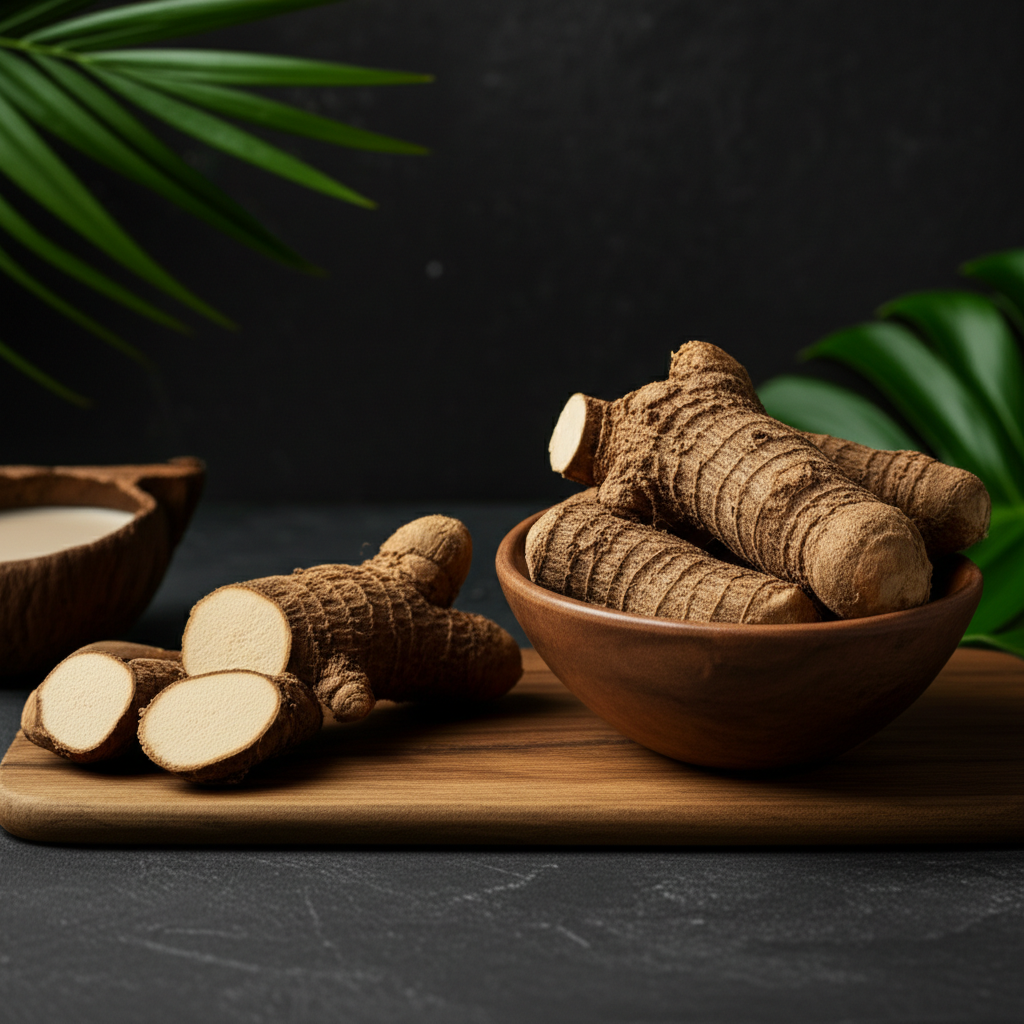
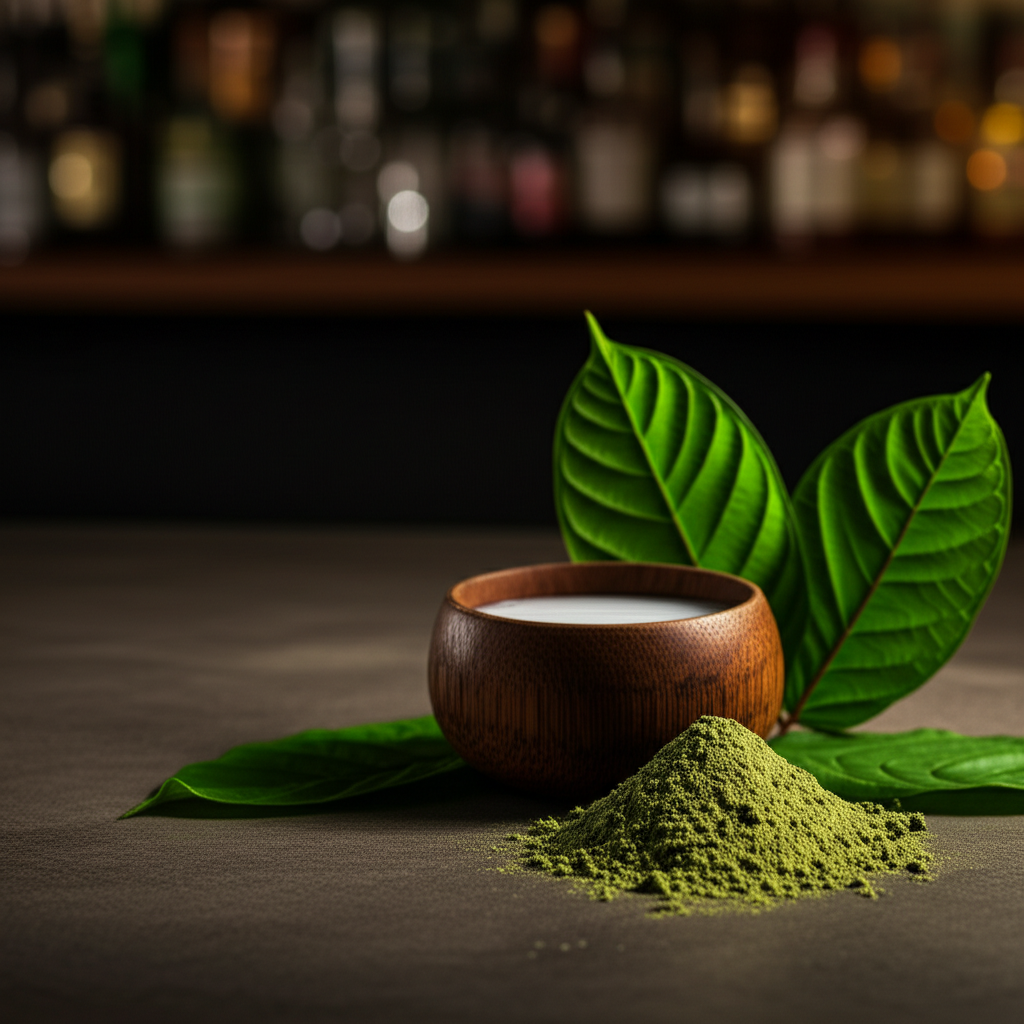
Kava, derived from the roots of the Piper methysticum plant native to the South Pacific, has been used for centuries in traditional ceremonies for its calming and euphoric effects. Unlike kratom, which comes from a Southeast Asian tree and is often associated with energy boosts or pain relief, kava is primarily celebrated for promoting relaxation and reducing anxiety without impairing cognitive function. In 2026, the surge in popularity can be attributed to a post-pandemic shift towards natural stress-relievers, with social media influencers and wellness enthusiasts sharing their positive experiences on platforms like TikTok and Instagram.
According to recent market reports, the global kava industry is projected to grow by 15% this year alone, fueled by consumer demand for non-alcoholic beverages. Kava bars, which offer kava-based drinks in a social setting similar to coffee shops or breweries, are at the forefront of this movement. These venues provide a community hub for people seeking mindful alternatives to traditional bars, making kava not just a drink, but a lifestyle choice.
Exciting New Kava Bar Openings Across the U.S.
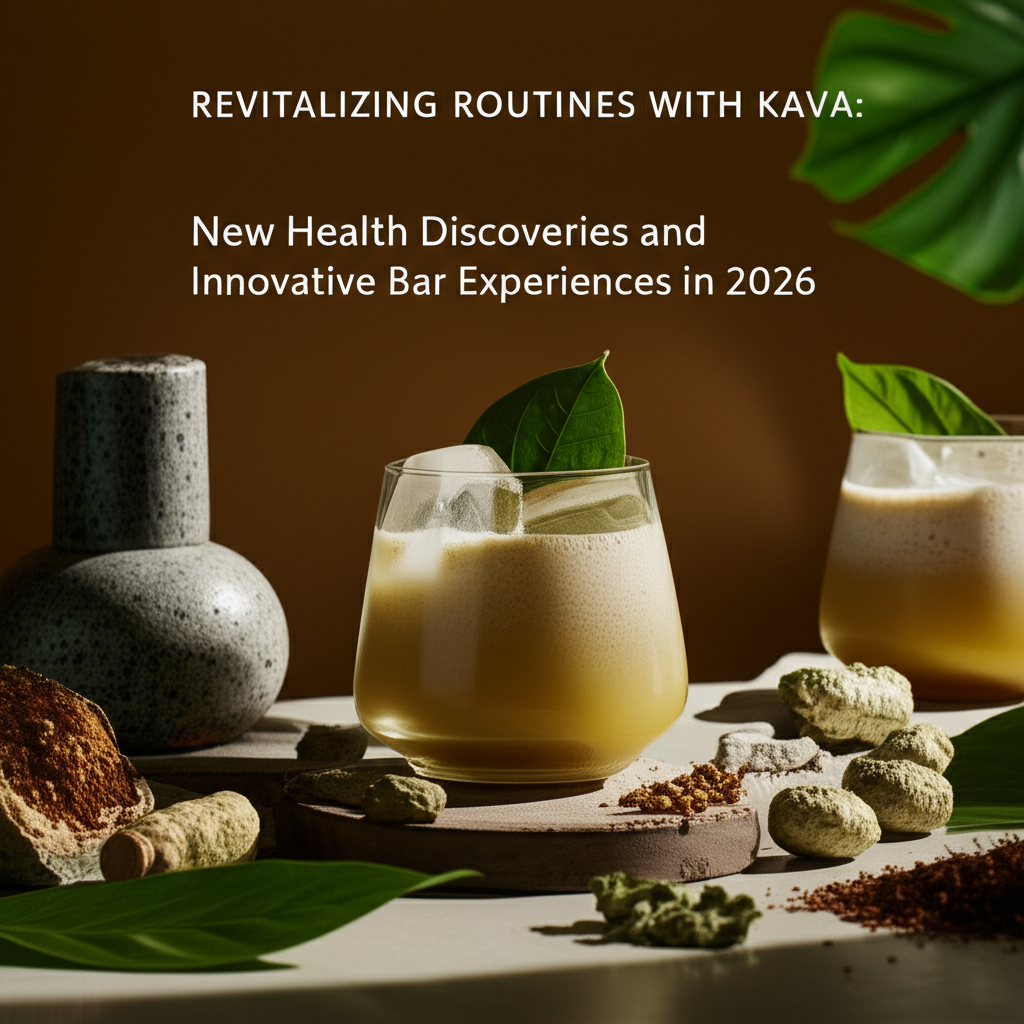
As we step into 2026, the kava bar landscape is expanding rapidly, with several high-profile openings making headlines. One notable example is the launch of 'Kava Haven' in Austin, Texas, which opened its doors on January 15, 2026. This modern venue features a variety of kava-infused cocktails, mocktails, and even kava-laced desserts, all served in a relaxed, beach-inspired atmosphere that transports patrons to the islands of Fiji.
Another exciting development is the opening of 'Pacific Roots Kava Bar' in Portland, Oregon, which emphasizes sustainability by sourcing organic kava directly from ethical farmers in Vanuatu. These new establishments are not just about serving drinks; they're creating experiences. For instance, Kava Haven hosts weekly sound baths and meditation sessions, blending wellness with socializing. This trend is spreading to other cities like Chicago and Miami, where entrepreneurs are capitalizing on the demand for alcohol-free social spaces.
In addition to these openings, kava bars are innovating with hybrid models, such as combining kava with other herbal elements like adaptogens or CBD for enhanced effects. This diversification is attracting a broader audience, including young professionals and health-conscious millennials, who are looking for ways to unwind after work without the next-day hangover.
Recent Studies on Kava's Health Benefits
A groundbreaking study published in the Journal of Ethnopharmacology in late 2025 has shed new light on kava's potential health benefits, reinforcing its status as a natural remedy. The research, conducted by a team at the University of Hawaii, involved over 500 participants and found that regular kava consumption can significantly reduce symptoms of generalized anxiety disorder by up to 30% compared to a placebo group. This double-blind trial highlighted kava's active compounds, known as kavalactones, which interact with brain receptors to promote a sense of calm without sedation.
Beyond anxiety relief, the study also explored kava's anti-inflammatory properties, suggesting it could aid in managing conditions like arthritis and even improve sleep quality. Participants reported better sleep patterns and reduced inflammation markers in blood tests, positioning kava as a viable option for those seeking natural alternatives to prescription medications. However, experts caution that while kava is generally safe when consumed in moderation, overconsumption can lead to liver strain, emphasizing the need for high-quality, regulated products.
Other emerging research from 2026 is examining kava's role in cognitive health. A preliminary study from Stanford University indicates that kava may enhance focus and memory retention in stressed individuals, potentially offering benefits for students and professionals. As more studies emerge, kava's reputation as a multifaceted herb continues to grow, encouraging more people to incorporate it into their daily routines through teas, supplements, or bar visits.
Insights into the Evolving Kratom Industry
While kava takes center stage, the kratom industry remains a parallel force in the herbal market, with its own set of trends and innovations in 2026. Kratom, derived from the Mitragyna speciosa tree, is popular for its stimulating and pain-relieving effects, often used as a natural alternative to opioids. Recent reports from the American Botanical Council show a 20% increase in kratom sales over the past year, driven by online communities and specialized vendors.
One key trend is the rise of kratom-infused products, such as gummies, capsules, and energy drinks, which are making the herb more accessible and appealing to newcomers. Unlike kava, kratom's industry has faced regulatory scrutiny in the past, but in 2026, we're seeing a shift towards standardization. The Kratom Trade Association has introduced voluntary quality guidelines, including third-party testing for purity and potency, to address safety concerns and build consumer trust.
Interestingly, some kava bars are experimenting with kratom-kava blends, creating unique beverages that combine the relaxing effects of kava with kratom's energizing properties. This crossover is fostering innovation in the herbal sector, though it raises questions about long-term health impacts. As the kratom industry matures, experts predict increased collaboration with kava producers, potentially leading to new hybrid products that cater to diverse wellness needs.
The Future of Herbal Beverages and Wellness Trends
Looking ahead, the intersection of kava bars, kratom innovations, and ongoing research points to a vibrant future for herbal beverages. By 2027, we could see kava integrated into mainstream wellness programs, such as corporate retreats or hospital therapies, thanks to its proven benefits. The growth of online platforms for purchasing kava and kratom products is also making these herbs more accessible, with e-commerce sites offering educational resources and personalized recommendations.
To make the most of these trends, consumers should prioritize quality and education. When visiting a kava bar or trying kratom, look for establishments that provide transparent sourcing and dosage information. As with any natural supplement, consulting a healthcare professional is advisable to ensure it aligns with your health profile. Ultimately, the rise of kava and kratom represents a broader shift towards holistic living, where community, relaxation, and natural remedies converge for a healthier society.