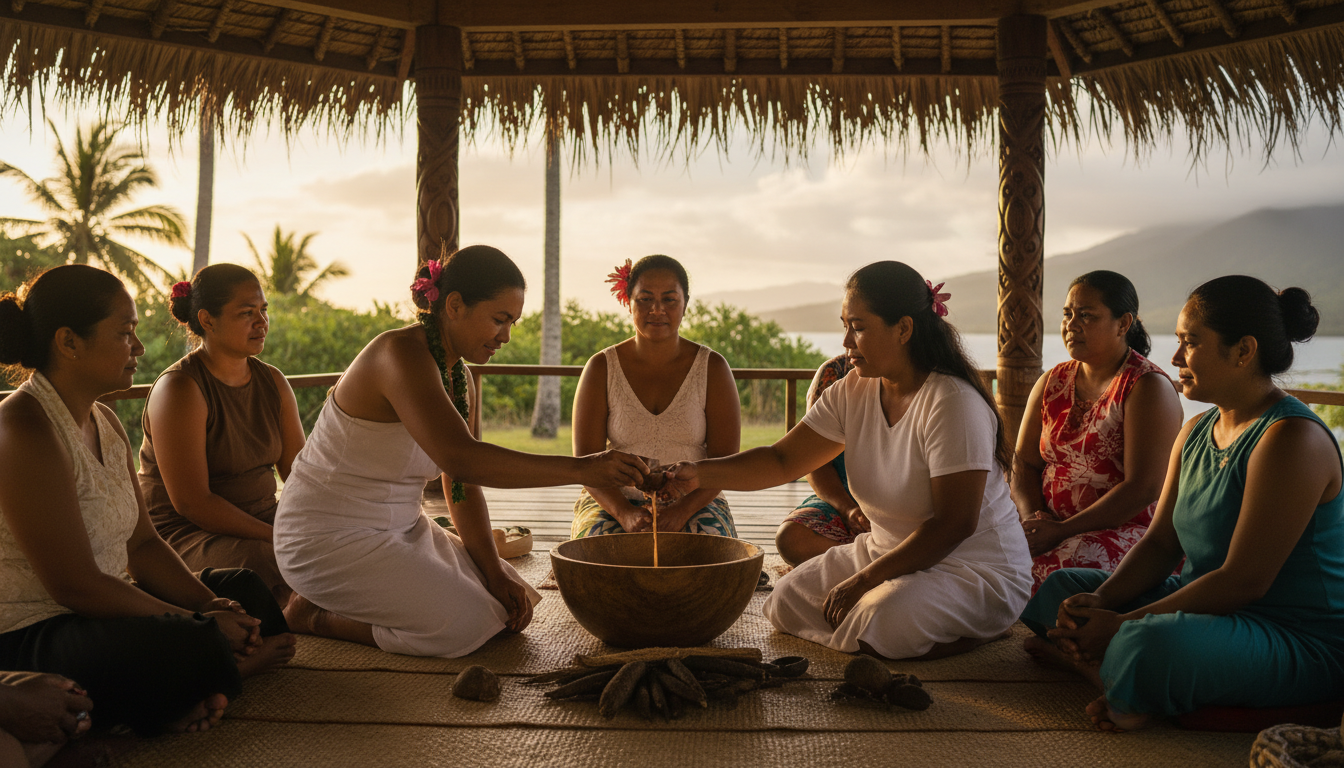
Stepping into a kava circle - whether in a Pacific island village, a backyard gathering, or a bustling urban kava bar - means crossing into a uniquely vibrant tradition. At first glance, these communal circles might seem simple: friends, acquaintances, or even strangers pass around a bowl of earthy kava, sharing stories and laughter. But beneath the surface, a quiet choreography unfolds, governed by ritual, respect, and an unspoken language that has evolved over centuries.
The Roots: Ritual and Meaning in Kava Circles
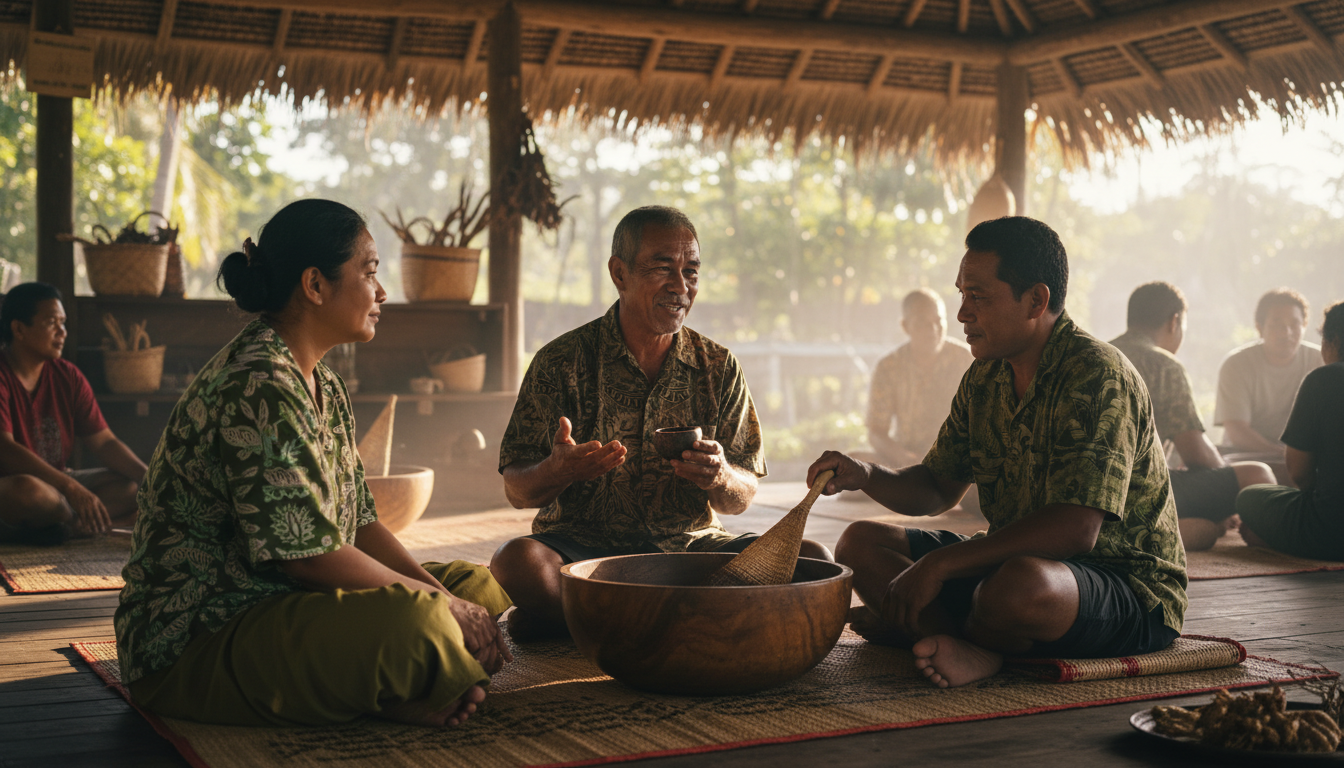
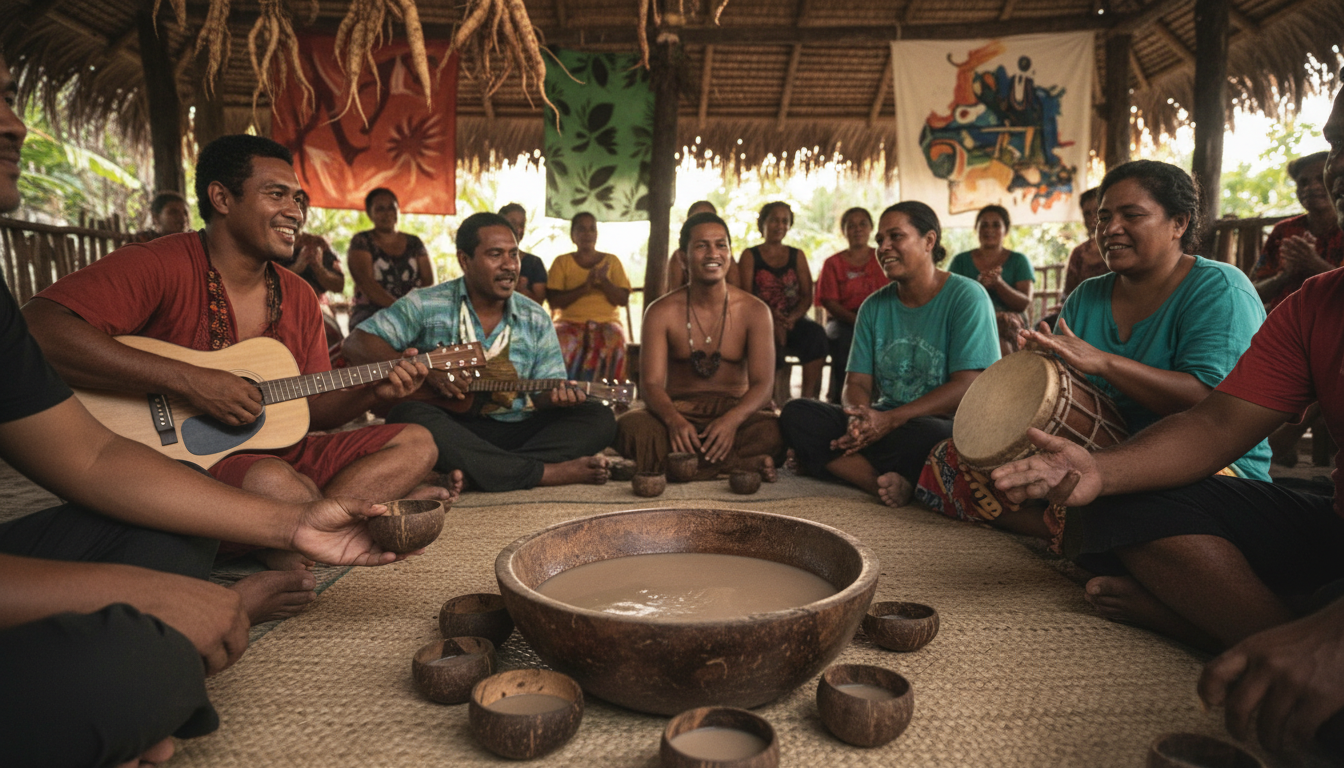
Kava (Piper methysticum) has been central to Pacific Island societies for millennia, serving as a ceremonial drink, a social lubricant, and a bridge for community connection. Traditional kava circles, or 'nakamal' in Vanuatu and 'faikava' in Tonga, are spaces where hierarchy, respect, and group harmony are expressed as much through body language and ritual as through words.
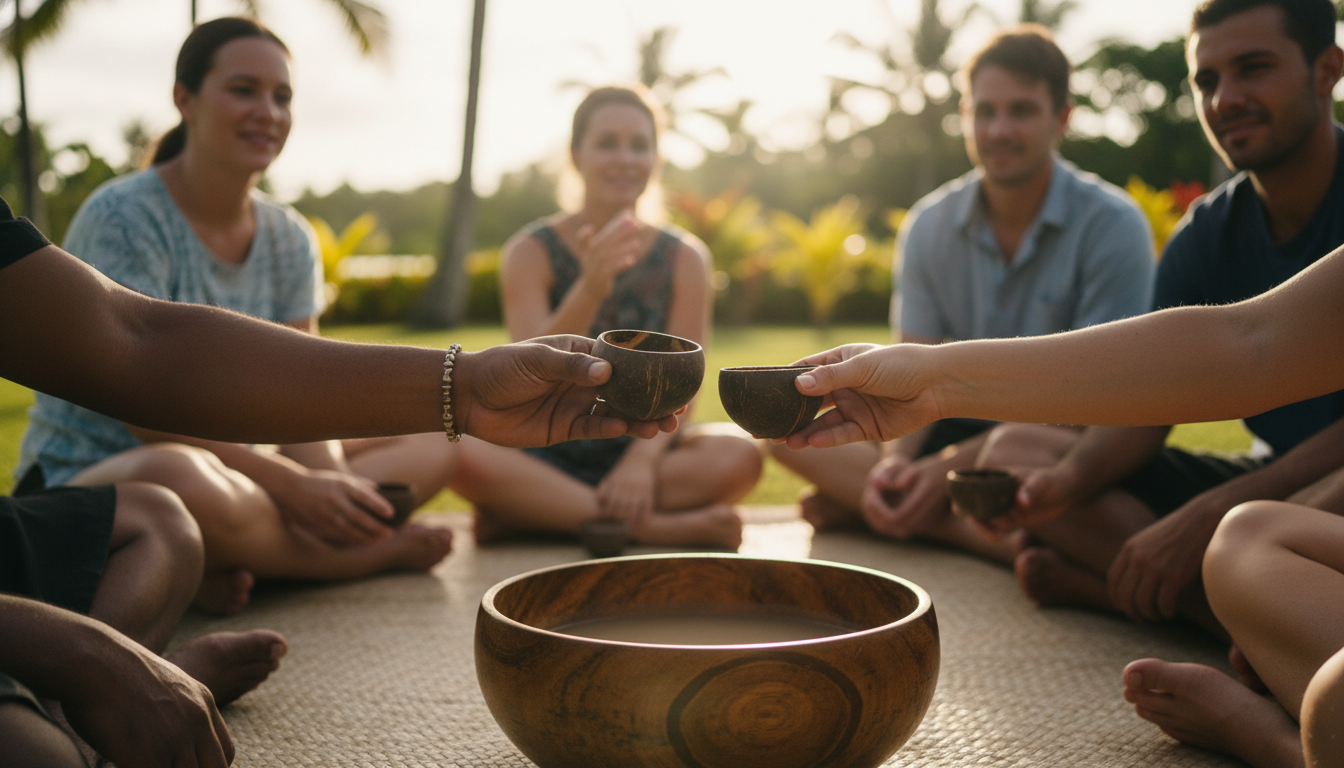
In these settings, the preparation and serving of kava are acts of significance. The grinding or pounding of kava root, the mixing with water, and the straining - often done communally - are as much about building anticipation and unity as they are about creating a beverage. During the ceremony, the kava is typically served in a communal bowl, then ladled into coconut shells or cups and passed in a prescribed order, often respecting elders or honored guests first.
Unspoken Cues: Respect and Hierarchy
Perhaps the most fascinating aspect of the kava circle is its reliance on non-verbal cues. Who sits where, who passes the shell, even how one holds the kava cup - all signal understanding and respect for the group dynamic. In Fiji, for instance, it's customary to clap once before receiving the shell (a sign of respect to the preparer and the group), drink in one draft, and clap three times after, acknowledging the ceremonial moment.
Those new to a kava circle quickly learn to watch and imitate. Silence is not awkward - it's a sign of comfort and presence. Conversations ebb and flow around the bowl, often pausing for moments of reflection, storytelling, or a song. In this way, the kava circle becomes a powerful tool for social cohesion, gently flattening hierarchies while honoring tradition.
Kava Circles in Modern Kava Bars: Blending Tradition and Innovation
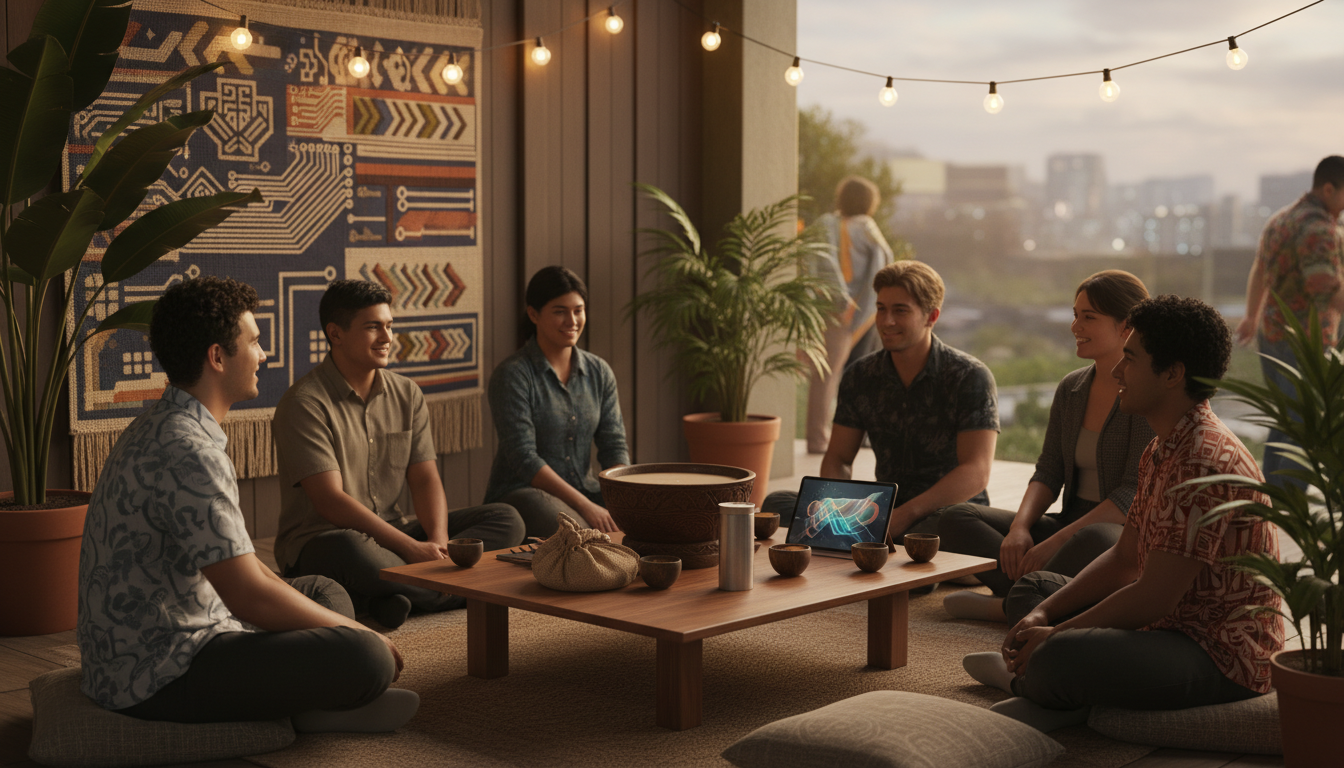
As kava culture spreads globally, kava circles have found new forms in modern kava bars. While the rituals may be less formal, elements of the traditional unspoken language persist. Regulars may nod in silent greeting as they share a bowl with a newcomer. The barista often assumes the role of a traditional server, offering the shell with a smile and a knowing pause, inviting the ritual clap or a toast to "Bula!" or "Malok" depending on the house style.
Many kava bars consciously blend the old and the new, organizing group kava nights or cultural events that open the space for both seasoned aficionados and curious first-timers. Here, the circle expands to include a diverse tapestry of backgrounds, bound together by the shared experience of kava and the gentle observance of its rituals.
Fostering Community: The Power of Shared Experience
What sets kava circles apart from other communal drinking traditions is the intent: kava's calming, non-intoxicating effects slow the pace, encourage listening, and foster genuine connection. In a culture where fast-paced socializing is the norm, the kava circle offers a counterpoint - a space where silence is golden, stories unfold at their own pace, and participants feel seen and heard.
This unspoken language of kava circles extends beyond the drink itself. It weaves into the fabric of community, nurturing a sense of belonging that transcends age, background, and even language barriers. Whether it’s a group of regulars decompressing after work in a Miami kava bar or a group of elders in a Fijian village, the heart of the kava circle beats with the same rhythm of shared humanity.
Respecting the Circle: Tips for Newcomers
- Observe and Learn: Take your cues from regulars - watch how they receive, drink, and pass the kava.
- Honor the Rituals: Whether it’s a clap, a short toast, or a simple nod, respect the traditions of the circle you’re joining.
- Embrace the Pace: Kava culture is about slowing down. There’s no rush - enjoy the moment, listen, and share.
- Be Present: Put away distractions and engage fully in the experience, whether through conversation or comfortable silence.
As kava circles continue to grow in both traditional and modern settings, their unspoken language remains a testament to the enduring power of ritual, respect, and shared experience. In the end, what matters most is not just the drink, but the bonds created - one shell, one story, and one silent nod at a time.