In the heart of the South Pacific, kava has long been more than just a beverage; it is a cornerstone of cultural identity, fostering connections and preserving traditions across generations. As we delve into the rich tapestry of kava culture on this day in 2026, we uncover how these ancient practices continue to evolve, blending with modern lifestyles while maintaining their core essence. This article explores the ceremonial roots, vibrant communities, and the role of kava bars in sustaining this heritage, all within the broader kava and kratom industry.
The Origins and Sacred Ceremonies of Kava
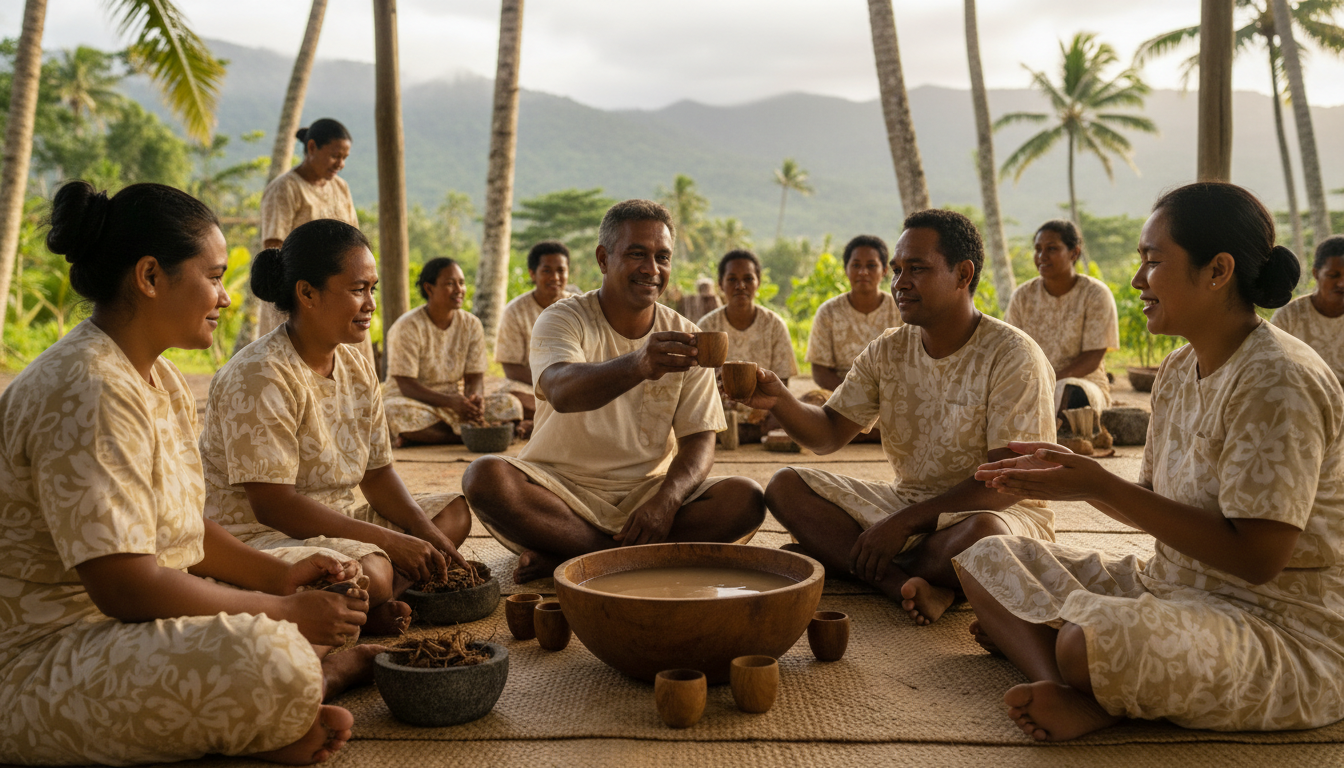
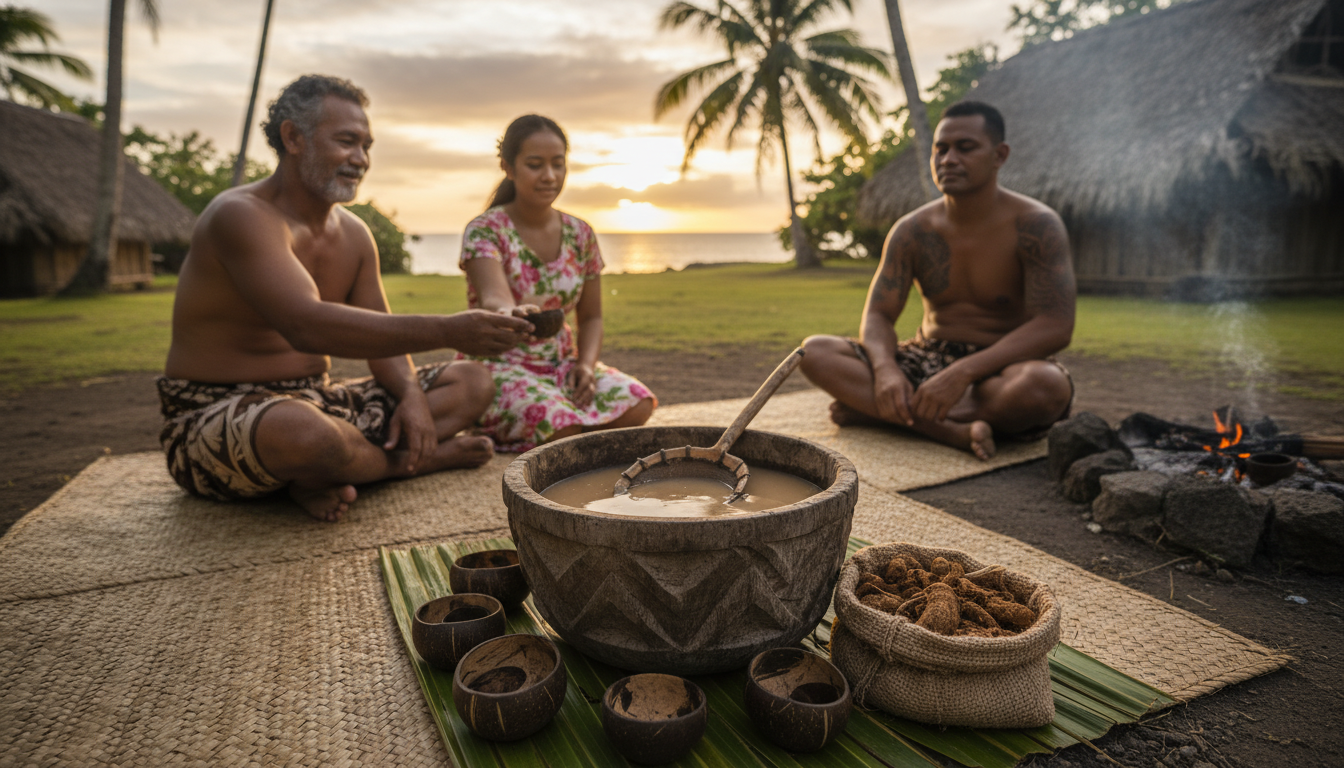
Kava, derived from the roots of the Piper methysticum plant, holds a revered place in Pacific Island cultures, particularly in Fiji, Vanuatu, and Tonga. Traditionally, kava ceremonies are elaborate rituals that symbolize respect, unity, and spiritual connection. Picture a village gathering at dusk, where elders prepare the kava in a communal bowl called a "kava bowl" or "tanoa." The process begins with the careful pounding of the roots, followed by straining the mixture through fibers into a shared vessel. This isn't merely about consumption; it's a meditative act that invites participants to slow down and engage deeply with one another.
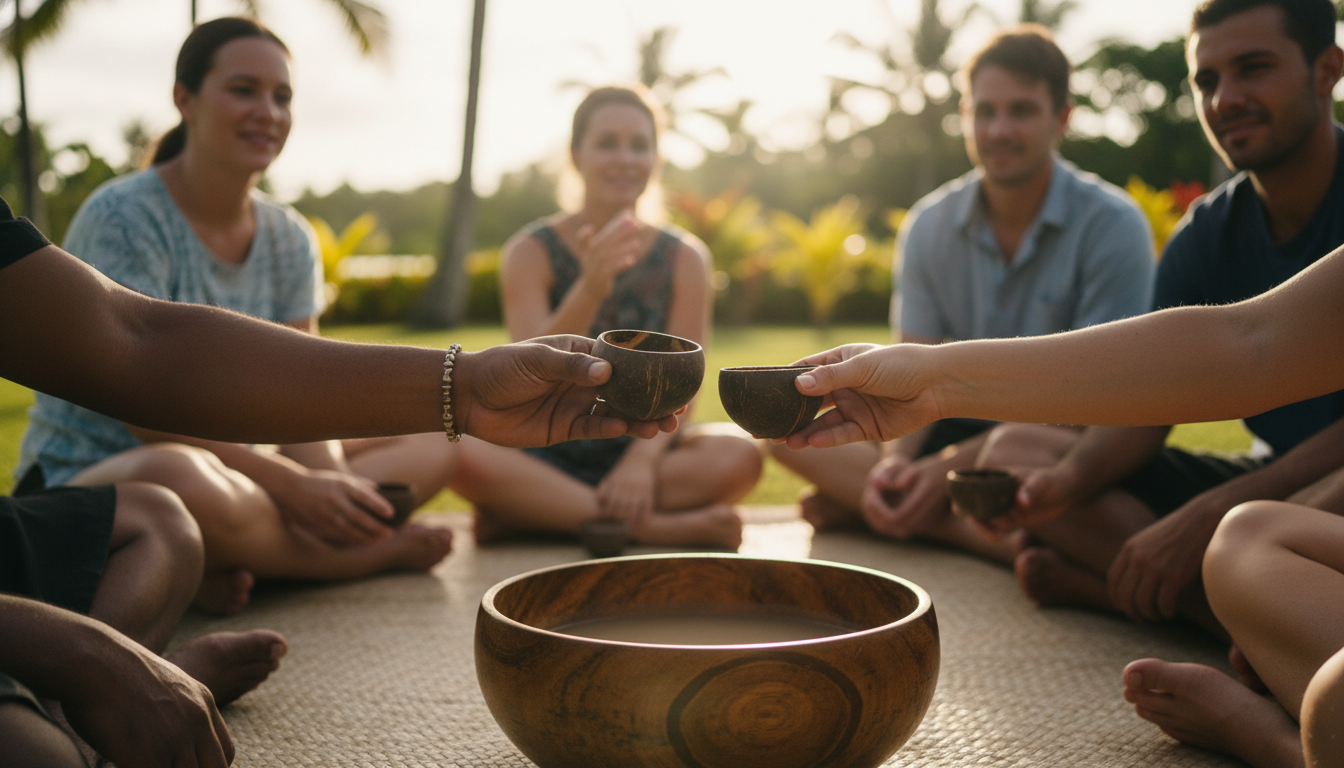
These ceremonies often commence with a chief or elder leading a prayer or chant, invoking ancestors and seeking blessings. The beverage is then served in half-coconut shells, starting with the highest-ranking individuals as a sign of hierarchy and respect. In Fijian culture, for instance, the kava ceremony, known as "kava sevu," is integral to welcoming guests, resolving disputes, or marking significant life events like weddings and funerals. The mild sedative effects of kava promote relaxation and open dialogue, making it a natural facilitator for community bonding.
While kratom, another plant from Southeast Asia, has its own cultural footprint in places like Thailand and Malaysia, it shares parallels with kava in fostering social rituals. Kratom leaves are traditionally chewed or brewed into teas during gatherings, helping laborers endure long hours or communities come together for storytelling. Though distinct, both kava and kratom underscore the human desire for plants that enhance social interactions and provide mild stimulation or relaxation.
Building Communities Through Kava Gatherings
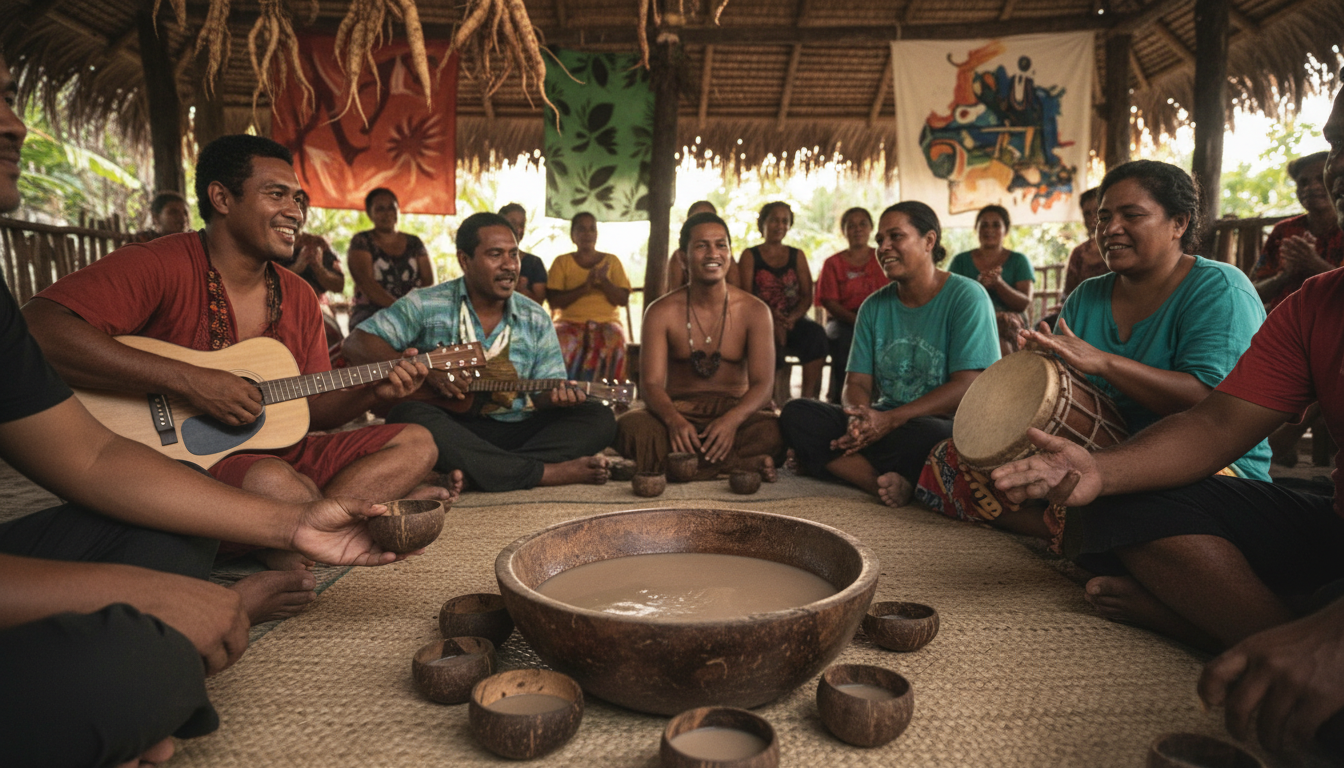
Beyond the ceremonies, kava culture thrives on the sense of community it builds. In Pacific Island societies, kava circles are democratic spaces where social barriers dissolve. Men and women, young and old, gather to share stories, discuss village matters, and strengthen ties. This communal aspect has transcended borders, with diaspora communities in the United States, Australia, and Europe hosting kava nights that preserve these traditions while adapting to new environments.
In urban settings, kava bars have emerged as modern hubs for this culture. These establishments, often modeled after traditional nakamal (kava houses) in Vanuatu, offer a relaxed atmosphere where patrons can sip kava-based drinks and engage in meaningful conversations. By 2026, the kava bar scene has expanded significantly within the kava/kratom industry, with venues in cities like Los Angeles, New York, and Honolulu blending kava with kratom infusions to create innovative beverages. These bars not only serve as social spots but also educate newcomers about the cultural significance of these plants, hosting events like kava tastings and cultural workshops.
The kava community extends online as well, with forums and social media groups dedicated to sharing experiences and recipes. Enthusiasts exchange tips on sourcing high-quality kava roots or blending kratom strains, fostering a global network that supports sustainable practices in the industry. This digital evolution ensures that kava culture remains dynamic, attracting younger generations who might otherwise lose touch with these roots.
The Evolution of Kava in the Modern Industry
As the kava/kratom industry grows, it's fascinating to see how cultural elements influence business practices. Kava bars, for example, often incorporate traditional decor and rituals to authenticate the experience, drawing in customers seeking more than just a drink - they want a cultural immersion. In 2026, this trend has led to collaborations between kava farmers in the Pacific and bar owners in the West, ensuring fair trade and preserving authentic preparation methods.
Kratom, while rooted in Southeast Asian traditions, has found a niche within kava culture through hybrid events and products. Some kava bars now offer kratom shots alongside kava, creating spaces where enthusiasts can explore both plants' cultural histories. This cross-pollination highlights the industry's adaptability, with regulations in 2026 emphasizing quality control and cultural respect to prevent overexploitation.
The industry's commitment to culture is evident in initiatives like cultural festivals and educational programs. These events celebrate the heritage of kava and kratom, featuring demonstrations of traditional ceremonies and panels on their role in community health. By prioritizing these aspects, the kava/kratom industry not only boosts economic growth but also safeguards cultural legacies for future generations.
The Lasting Impact of Kava Culture
In conclusion, kava culture remains a powerful force, weaving together ancient ceremonies, vibrant communities, and innovative industry practices. From the sacred circles of the Pacific Islands to the bustling kava bars of modern cities, kava continues to promote unity and well-being. As we reflect on its evolution in 2026, it's clear that embracing kava's cultural roots enriches our lives, fostering deeper connections in an increasingly fast-paced world. Whether you're a long-time enthusiast or a curious newcomer, participating in a kava ceremony or visiting a kava bar offers a profound way to engage with this enduring tradition.
- Discover local kava bars to experience community firsthand.
- Learn about sustainable sourcing to support the industry.
- Join online forums to connect with global kava enthusiasts.
This exploration of kava culture reminds us that some traditions are timeless, adapting and thriving to bring people together.