In the heart of kava culture, the act of sharing a bowl of kava goes far beyond a simple drink. It's a profound ritual that strengthens bonds, preserves traditions, and builds communities. As we explore this timeless practice on May 7, 2026, we delve into how kava sharing in circles continues to shape the kava industry and its vibrant social landscape. This isn't just about the brew; it's about the stories, connections, and shared experiences that make kava a cornerstone of cultural expression.
The Roots of Kava Sharing in Traditional Pacific Island Circles
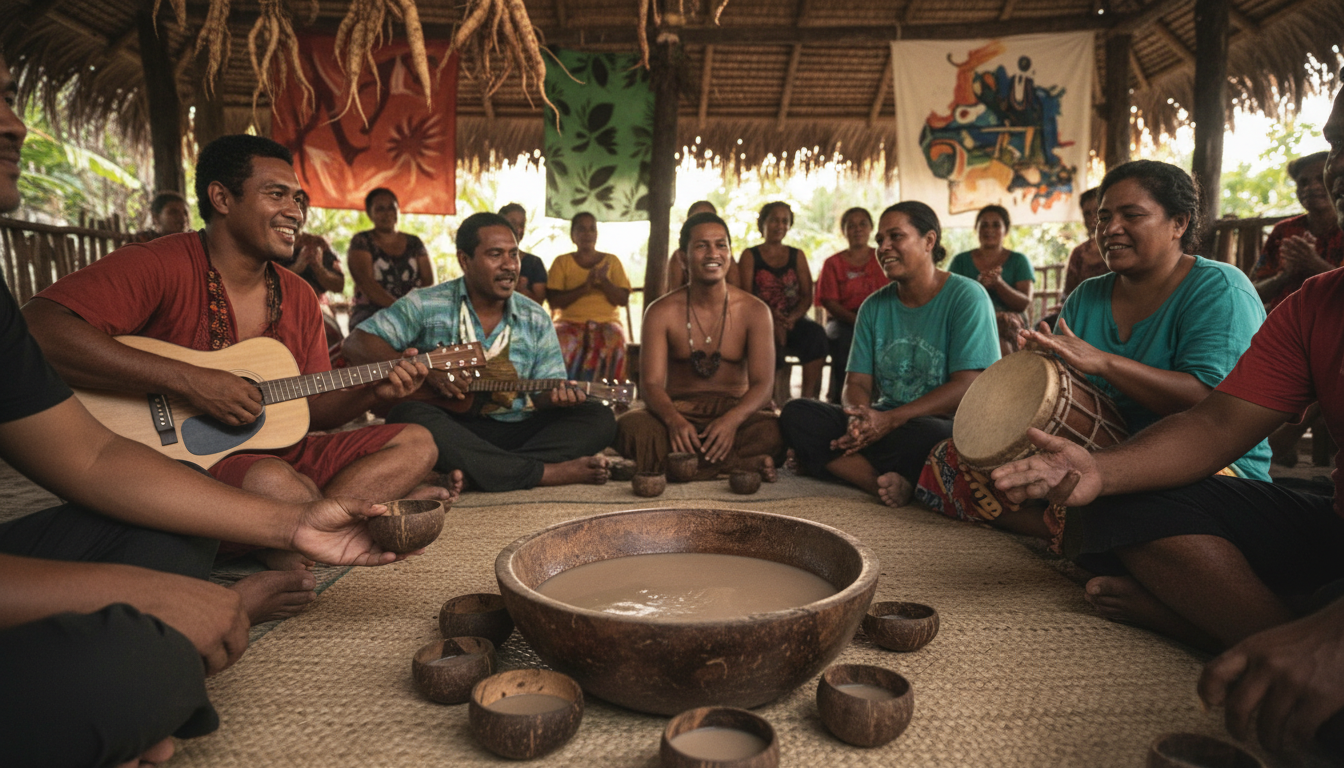
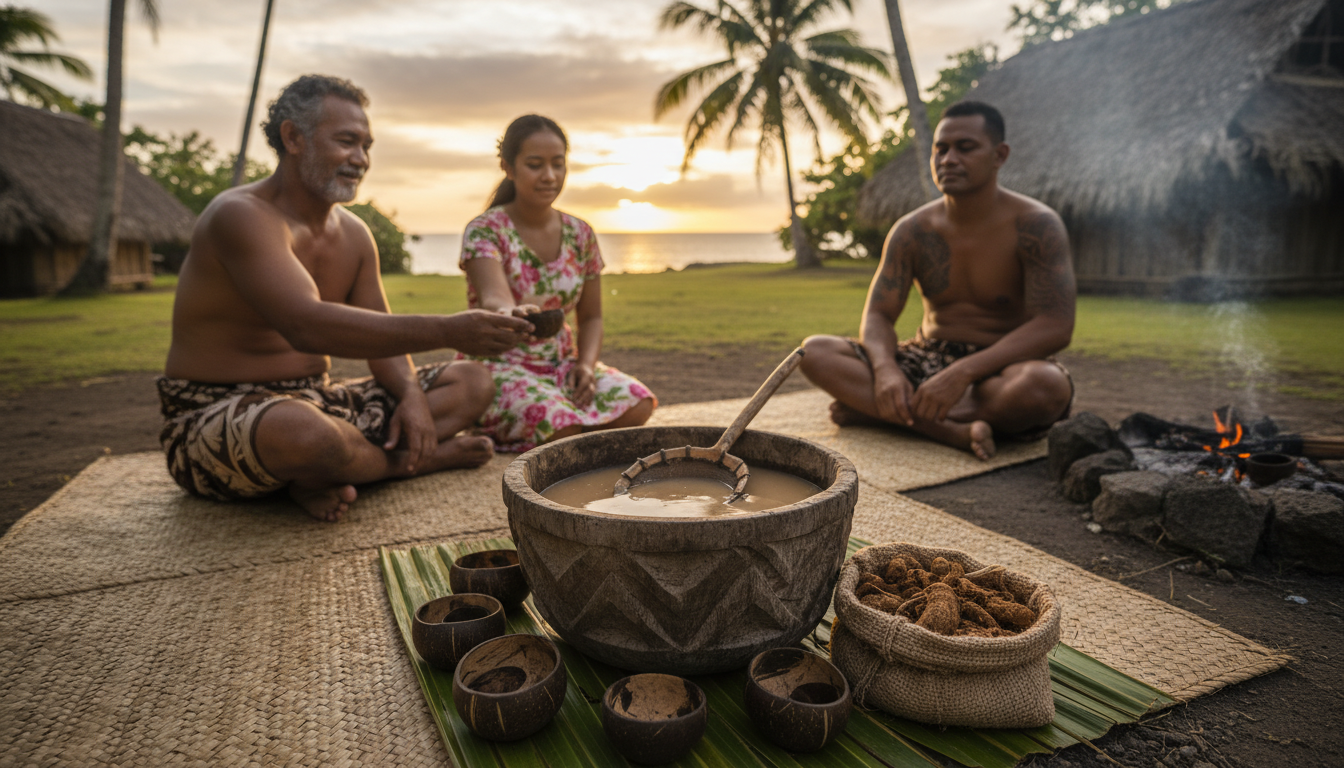
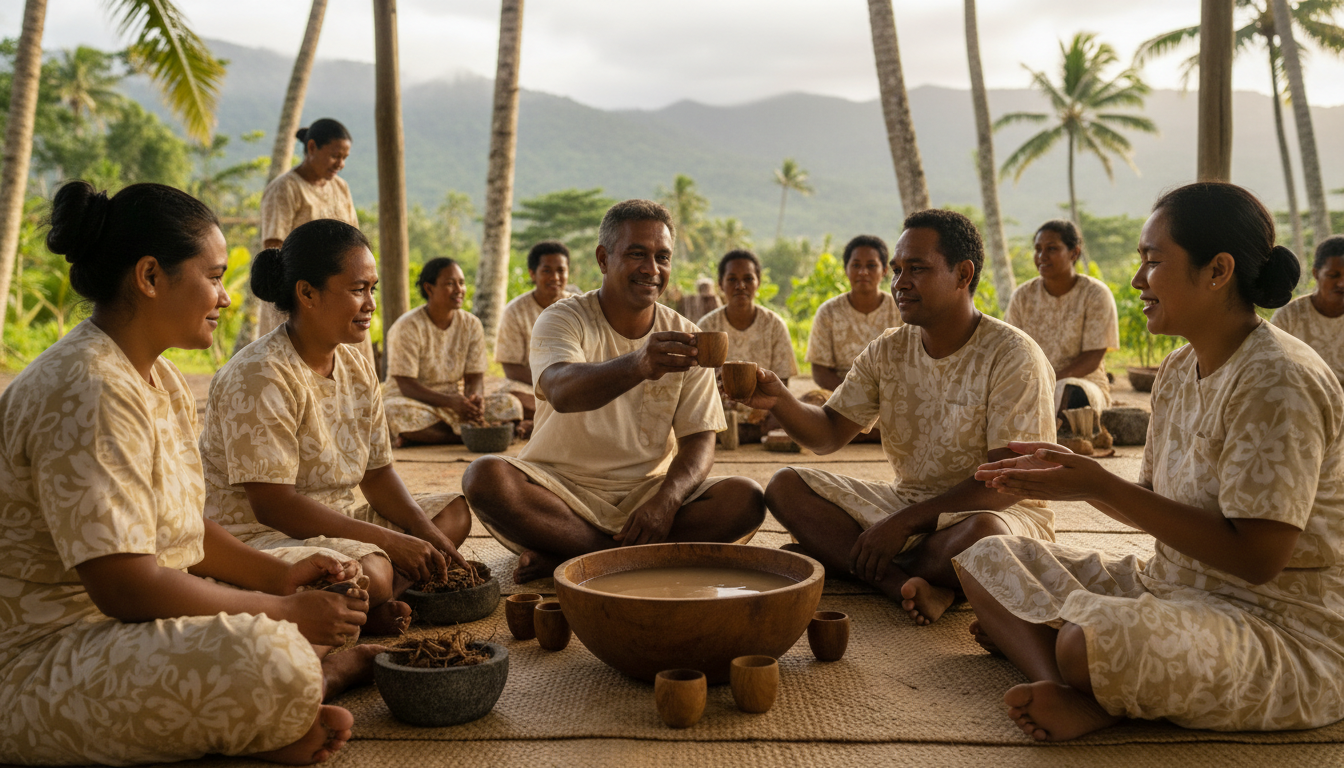
Kava sharing traces its origins to the Pacific Islands, where it has been a sacred tradition for centuries. In places like Fiji, Vanuatu, and Tonga, kava circles - known locally as "kava ceremonies" or "kava sessions" - serve as gatherings that foster unity and respect. Participants sit in a circle, often on woven mats, as the kava root is prepared and served in a communal bowl. This ritual isn't merely social; it's a way to honor ancestors, resolve conflicts, and pass down oral histories.
Historically, kava was reserved for chiefs and elders, symbolizing status and wisdom. Today, these circles have evolved but retain their core essence. In a typical session, the kava is mixed with water in a tanoa (a wooden bowl), strained through hibiscus fibers, and shared in half-coconut shells called "bilibis." The process emphasizes equality - everyone drinks in turn, starting with the most respected member. This act of sharing reinforces community values, encouraging humility, patience, and open dialogue.
In the kava industry, these traditional practices inspire modern adaptations. Kava bars across the United States and Europe often recreate this circle format, blending authenticity with contemporary flair. By doing so, they help preserve Pacific Island heritage while introducing it to new audiences, creating a bridge between cultures.
Kava Sharing in Modern Kava Bars: A New Era of Community Building
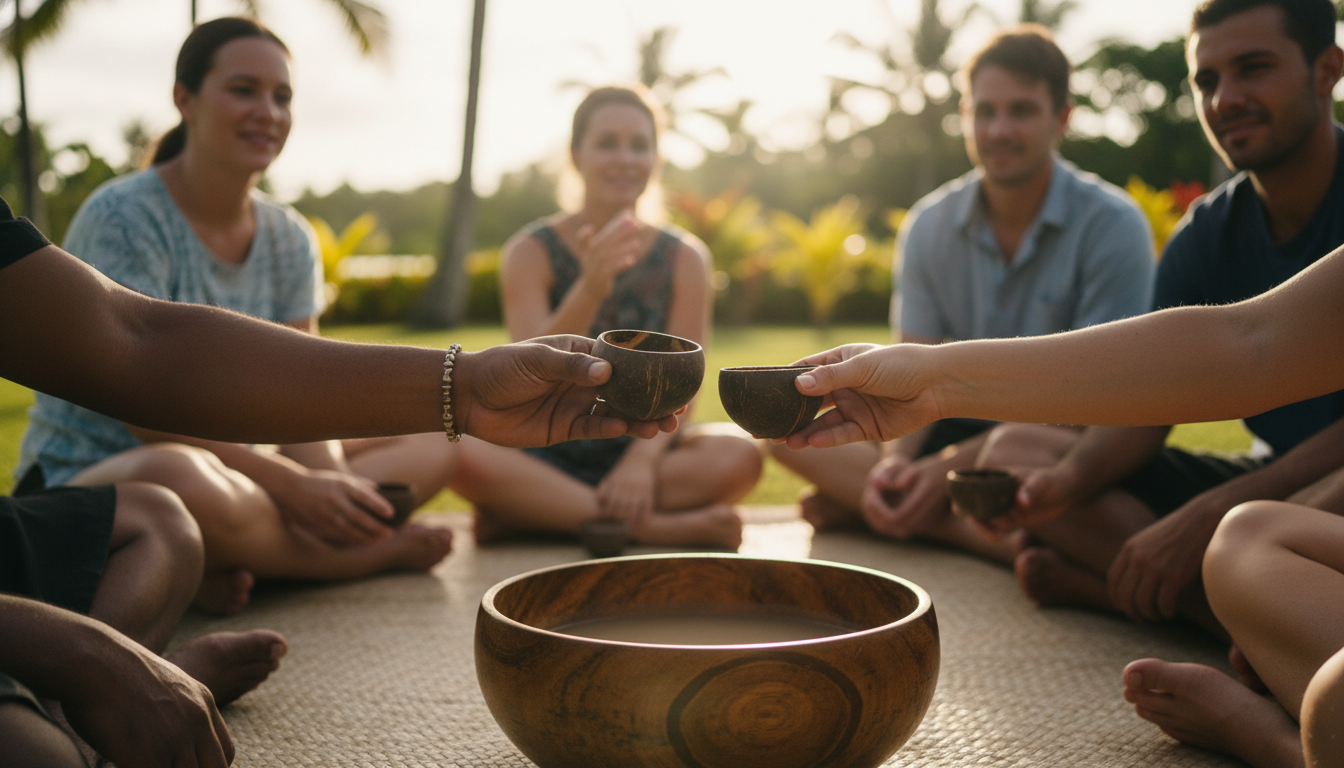
Kava bars have become epicenters of kava culture, transforming the ancient art of sharing into a dynamic social experience. Unlike traditional settings, these venues incorporate elements like ambient lighting, live music, and themed events, yet they remain true to the spirit of kava circles. Patrons gather around bars or low tables, mirroring the circle setup, to share kava and engage in meaningful conversations.
- Creating Inclusive Spaces: Kava bars welcome diverse groups, from locals seeking relaxation to travelers curious about kava's roots. This inclusivity fosters a sense of belonging, much like the original circles in the Pacific Islands.
- Blending Traditions with Innovation: Many bars offer guided sharing sessions where participants learn about kava's cultural significance. For instance, a bar might start with a brief history lesson before serving, encouraging attendees to share personal stories, thus weaving new threads into the cultural tapestry.
- Economic Impact on the Industry: The popularity of kava sharing in bars boosts the kava/kratom industry. Suppliers and farmers benefit from increased demand, while bars become hubs for education and advocacy, promoting sustainable practices and ethical sourcing.
This evolution highlights how kava sharing adapts to urban environments. In cities like Portland or Los Angeles, kava bars host regular "kava nights," where people connect over shared brews, discussing everything from daily life to industry trends. These gatherings not only enhance social bonds but also support the growth of kava culture in non-traditional settings.
The Therapeutic and Social Benefits of Kava Circles in Community Life
Beyond its relaxing effects, kava sharing offers deep therapeutic value within communities. In kava circles, the act of sharing promotes mental well-being by creating a safe space for emotional expression. Participants often report feeling more grounded and connected, attributing this to kava's natural properties and the ritual itself.
In the kratom community - a parallel niche within the industry - similar sharing practices are emerging. While kratom is more associated with individual use, some kava bars are incorporating it into group settings, fostering discussions on its role in modern wellness. This crossover enriches the broader kava/kratom industry, as enthusiasts exchange insights on how both plants enhance social interactions.
- Strengthening Relationships: Sharing kava encourages vulnerability and trust. In a circle, there's no hierarchy; each person contributes to the flow, building lasting friendships and support networks.
- Cultural Education and Preservation: Through these sessions, younger generations learn about kava's heritage. Bars often partner with Pacific Island communities to host events, ensuring traditions aren't lost amid commercialization.
- Industry Innovation: Kava sharing inspires new products, like pre-mixed kava kits for home circles, expanding accessibility and keeping the practice alive in everyday life.
As the kava/kratom industry grows, so does the emphasis on community-driven initiatives. Organizations within the sector are using kava sharing to advocate for quality standards, educating consumers on the differences between noble and non-noble strains to ensure safe, culturally respectful experiences.
Challenges and the Future of Kava Sharing in a Globalized World
Despite its benefits, kava sharing faces challenges in the modern era. Globalization has led to misconceptions about kava, with some regions imposing restrictions due to varying regulations. In the kava/kratom industry, this underscores the need for cultural sensitivity to maintain the integrity of sharing practices.
Moreover, as kratom gains popularity, there's a risk of diluting traditional kava elements if not handled carefully. Bars and communities must balance innovation with respect, perhaps by offering dedicated kava-only nights or educational workshops. Looking ahead, the future of kava sharing lies in collaboration - between Pacific Island elders, industry leaders, and global enthusiasts - to sustain its cultural essence.
In conclusion, the art of kava sharing remains a vital thread in the fabric of kava culture. It transforms individual experiences into collective memories, ensuring that kava's legacy endures. Whether in a remote Pacific Island village or a bustling kava bar, this practice continues to unite people, one shared bowl at a time. As we move forward in 2026, let's celebrate and protect this beautiful tradition within the kava/kratom industry.