In the heart of the kava and kratom industry, community gatherings have long served as the lifeblood of kava culture. These events, steeped in tradition yet adapting to contemporary settings, offer a unique blend of heritage and social connection. As we explore on this date, May 3, 2026, the ways in which kava enthusiasts come together in kava bars and beyond, we uncover a vibrant world where ancient rituals meet modern camaraderie. This article delves into the cultural significance of these gatherings, highlighting how they foster a sense of belonging among participants.
The Roots of Kava Community Traditions
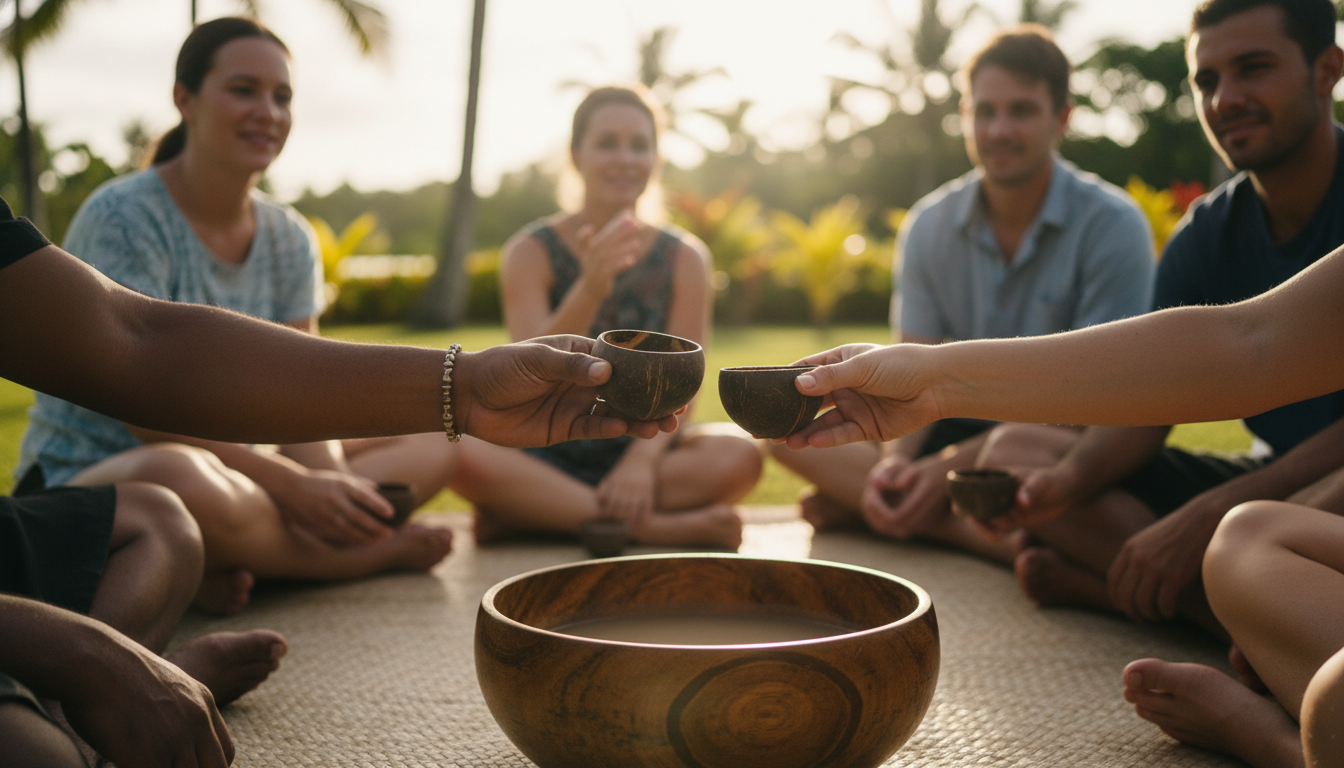
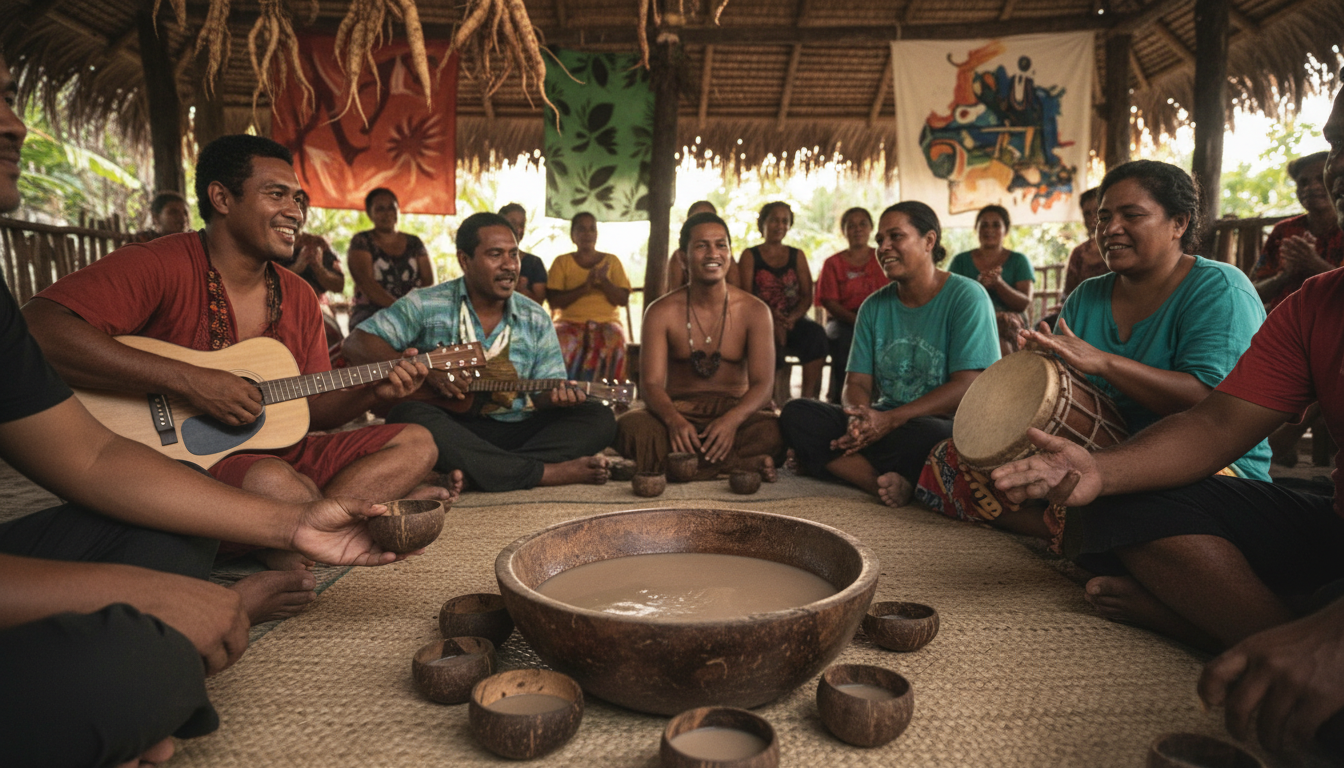
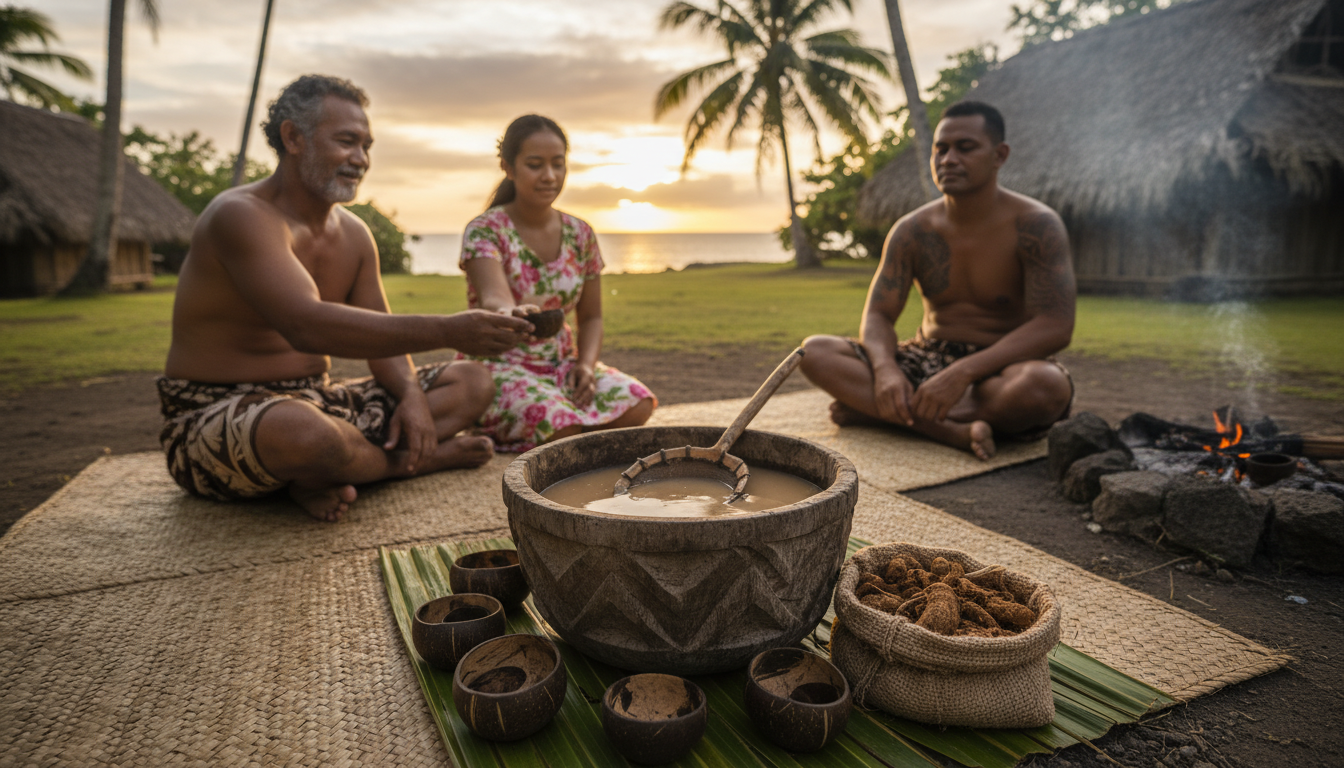
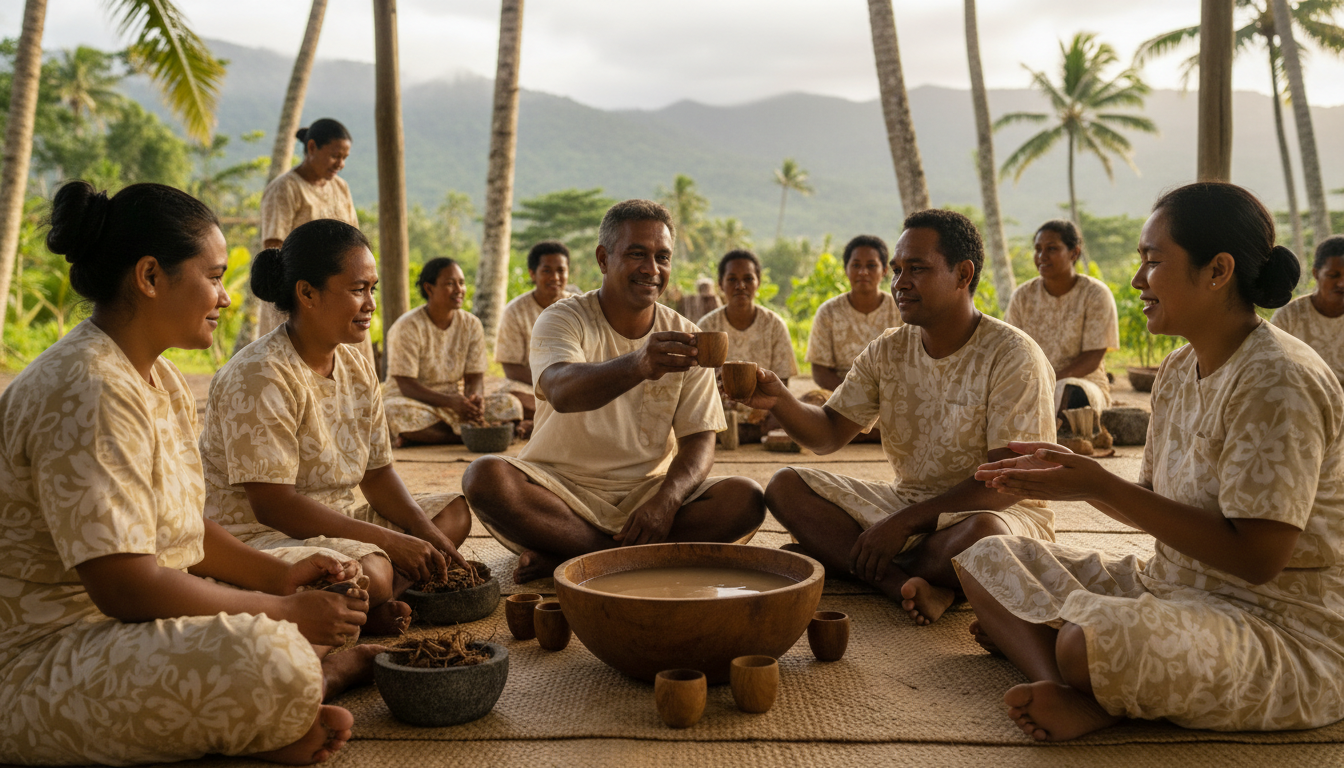
Kava culture traces its origins to the Pacific Islands, where it has been a cornerstone of social and ceremonial life for centuries. Traditionally, kava ceremonies involve the preparation and sharing of the root beverage in a circle, symbolizing unity and respect. In these settings, participants engage in storytelling, conflict resolution, and communal bonding. While kratom, originating from Southeast Asia, has its own cultural roots in herbal traditions, it has increasingly intertwined with kava communities in recent years, creating hybrid gatherings that celebrate both plants.
Within the kava/kratom industry, these traditions are preserved through dedicated events at kava bars. These establishments, often designed to mimic the relaxed atmosphere of a Pacific Island nakamal, provide a space where individuals can experience the ritualistic preparation of kava. The act of grinding the root, mixing it with water, and sharing the brew mirrors ancient practices, reinforcing cultural ties and educating newcomers about the heritage behind the drink.
Kava Bars as Modern Hubs of Culture
Kava bars have emerged as pivotal venues in the kava/kratom industry, transforming what was once a village ritual into a global phenomenon. These bars, found in cities across the world, attract a diverse crowd eager to partake in kava culture. Here, the community aspect shines, as patrons gather not just to consume the beverage, but to engage in meaningful interactions. Regular events like kava-sharing nights or themed gatherings allow for the exchange of stories, fostering a sense of family among strangers.
One notable aspect of these bars is their role in blending kava and kratom elements. While kava remains the star, kratom infusions or separate sessions dedicated to kratom teas introduce variety, drawing in enthusiasts from both worlds. This fusion creates a dynamic environment where cultural exchange flourishes. For instance, a kava bar might host a "Roots and Leaves" event, combining kava ceremonies with kratom discussions, encouraging participants to share personal experiences and cultural insights.
Moreover, kava bars often incorporate educational components, such as workshops on sustainable sourcing within the kava/kratom industry. These sessions not only deepen appreciation for the plants but also build a community committed to ethical practices. Attendees learn about the cultural importance of noble kava varieties and how kratom fits into broader herbal traditions, all while enjoying the social atmosphere.
The Role of Kratom in Community Building
While kava holds a more established place in cultural ceremonies, kratom has carved out its own niche within the kava community. Originating from the forests of Southeast Asia, kratom has been used in traditional settings for social gatherings and daily rituals. In the context of kava bars, kratom is often featured in community events that promote relaxation and conversation, much like its kava counterpart.
Community gatherings that include kratom help expand the cultural tapestry of the kava/kratom industry. These events might involve group preparations of kratom brews, followed by discussions on its historical uses in Asian cultures. By integrating kratom, kava bars encourage a broader dialogue about plant-based traditions, allowing participants to explore how different cultures approach similar concepts of communal herbal use. This cross-pollination enriches the overall experience, creating a more inclusive community.
- Enhanced social bonds through shared rituals
- Opportunities for cultural education and exchange
- Promotion of sustainable practices in the industry
- Fusion of kava and kratom traditions for diverse gatherings
- Building networks among enthusiasts worldwide
Online Communities and Virtual Gatherings
Beyond physical kava bars, the digital age has amplified kava culture through online communities. Forums, social media groups, and virtual events dedicated to kava and kratom allow enthusiasts to connect regardless of location. These platforms host live streams of kava ceremonies, where participants can virtually join in, sharing tips and stories in real-time. This evolution ensures that kava culture remains accessible, fostering a global community united by their passion.
In the kava/kratom industry, online gatherings have become essential for maintaining traditions during times when in-person events are limited. Users exchange recipes, discuss the cultural significance of various strains, and organize virtual meetups that mimic the intimacy of a kava bar. This digital extension not only preserves the essence of community but also introduces new members to the rich heritage of kava and kratom.
The Future of Kava Community in the Industry
As we look ahead in 2026, the kava community continues to thrive, adapting to changing landscapes within the kava/kratom industry. Kava bars are evolving into multifaceted cultural centers, offering not just beverages but also classes, art exhibits, and collaborative projects that celebrate the plants' heritage. This growth ensures that kava culture remains vibrant and relevant, drawing in younger generations who seek authentic connections.
The integration of kratom into these spaces further enhances community dynamics, providing a platform for diverse voices and traditions. By prioritizing inclusivity and education, the industry is building a sustainable future for kava culture. Whether in a bustling kava bar or an online forum, these gatherings remind us of the timeless value of coming together over shared rituals.
In conclusion, the evolving tapestry of kava community gatherings exemplifies the enduring appeal of kava culture. Through kava bars and beyond, these events weave together history, tradition, and modern innovation, creating a supportive network within the kava/kratom industry. As participants continue to gather, they not only honor the past but also shape a promising future for this cherished cultural practice.