In the heart of the Pacific Islands, kava has long been more than just a beverage - it's a cornerstone of cultural identity, fostering connections and preserving ancient rituals. As the kava and kratom industry evolves, these traditions continue to thrive, blending with modern expressions in kava bars and online communities. This article delves into the rich tapestry of kava culture, exploring its ceremonies, the sense of community it builds, and how it's adapting in today's world. Whether you're a seasoned enthusiast or new to the scene, understanding kava culture offers a deeper appreciation for this timeless plant and its growing role in global wellness circles.
The Origins and Significance of Kava Ceremonies
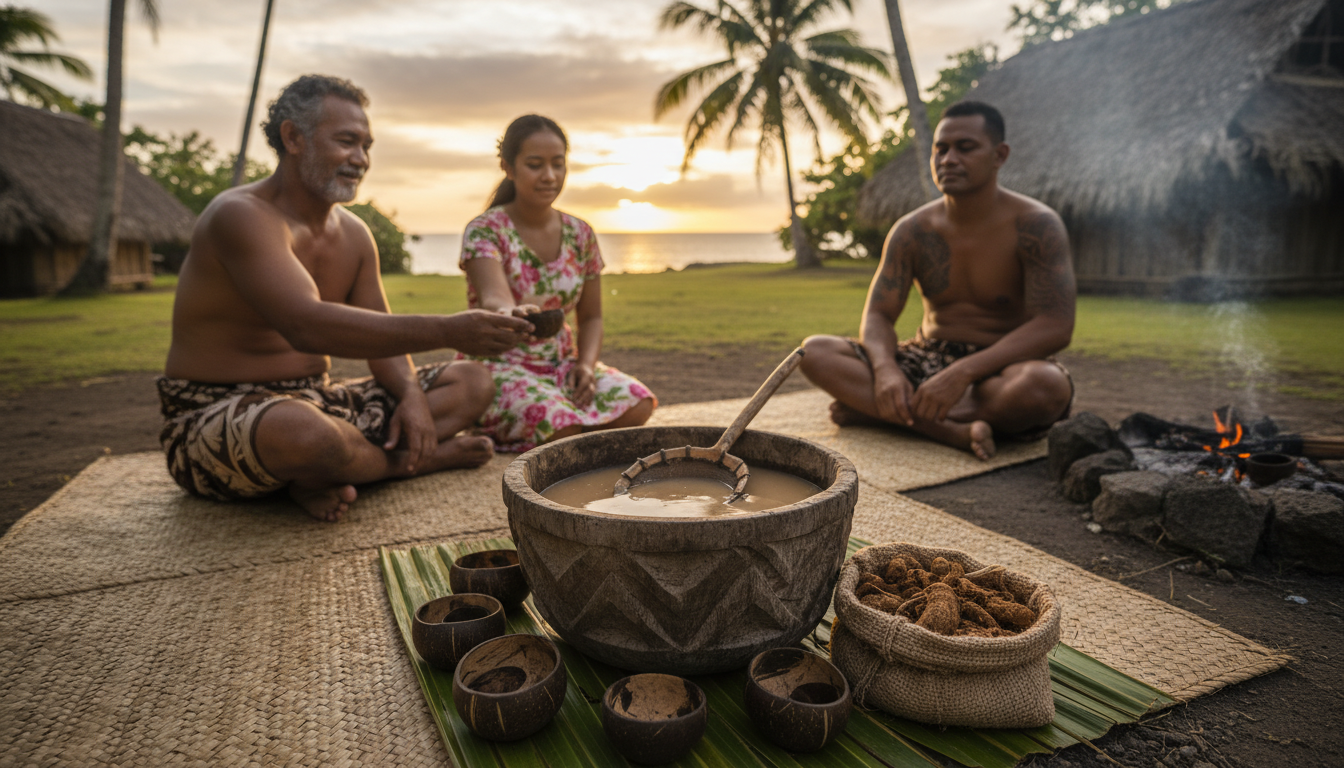
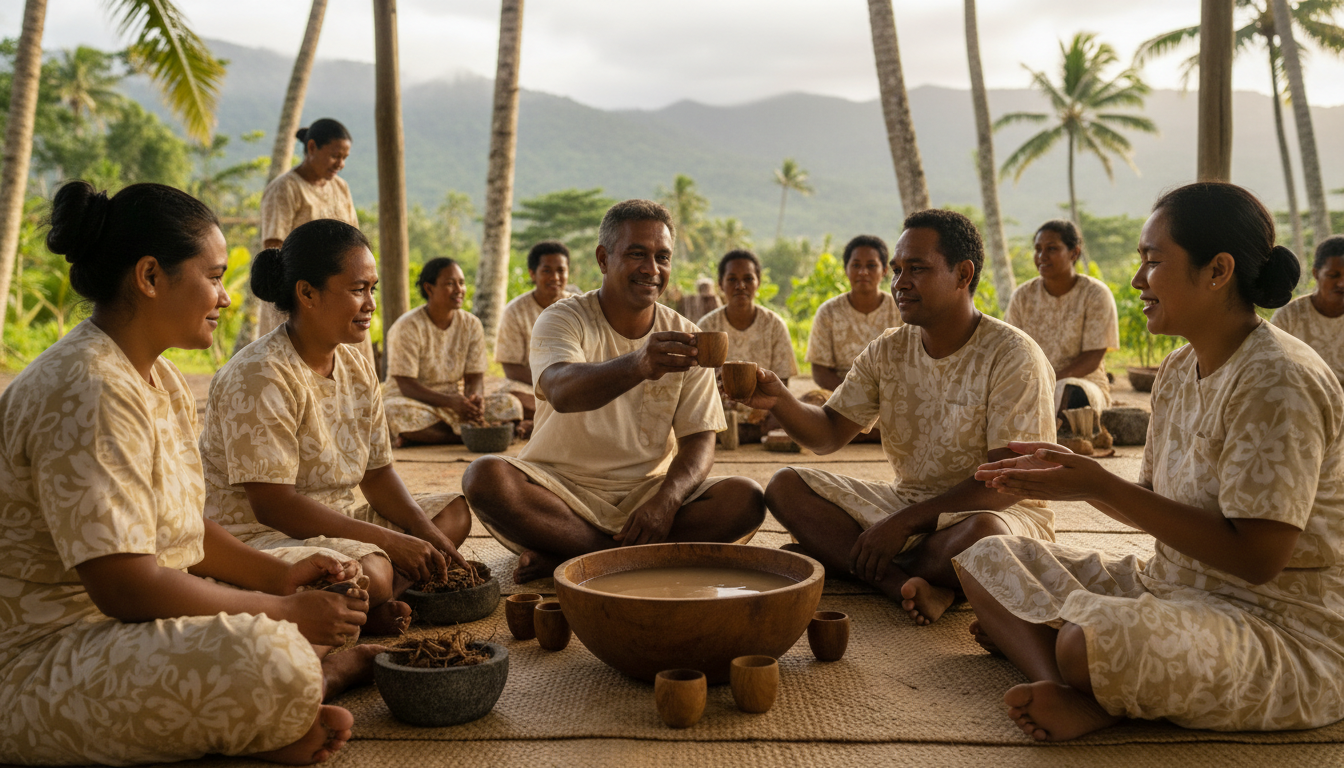
Kava ceremonies form the bedrock of traditional kava culture, originating from the islands of the South Pacific, including Fiji, Vanuatu, and Tonga. These rituals are not mere social gatherings; they are sacred events that symbolize peace, respect, and unity. In a typical ceremony, participants sit in a circle, often on woven mats, as the kava root is prepared. The process involves pounding the root into a fine powder and mixing it with water, creating a earthy, non-alcoholic drink known for its calming effects.
Historically, kava was reserved for chiefs and elders during important meetings or conflict resolutions, highlighting its role in diplomacy and social harmony. Today, these ceremonies persist in both traditional and urban settings, serving as a bridge to ancestral heritage. For instance, in Fiji, the yaqona ceremony involves presenting kava to guests as a sign of welcome, emphasizing hospitality and community bonds. This practice has even influenced the kratom culture in Southeast Asia, where similar communal rituals around kratom tea foster gatherings that prioritize relaxation and shared stories.
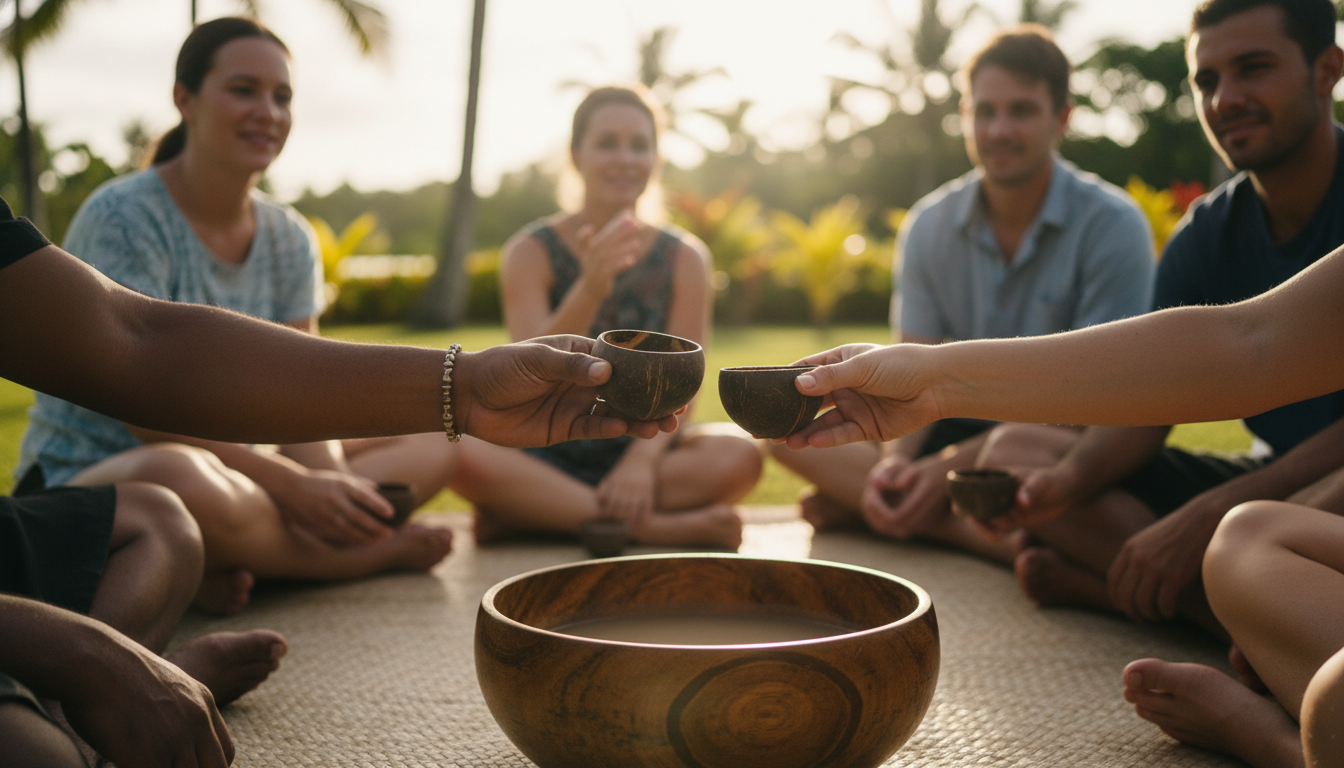
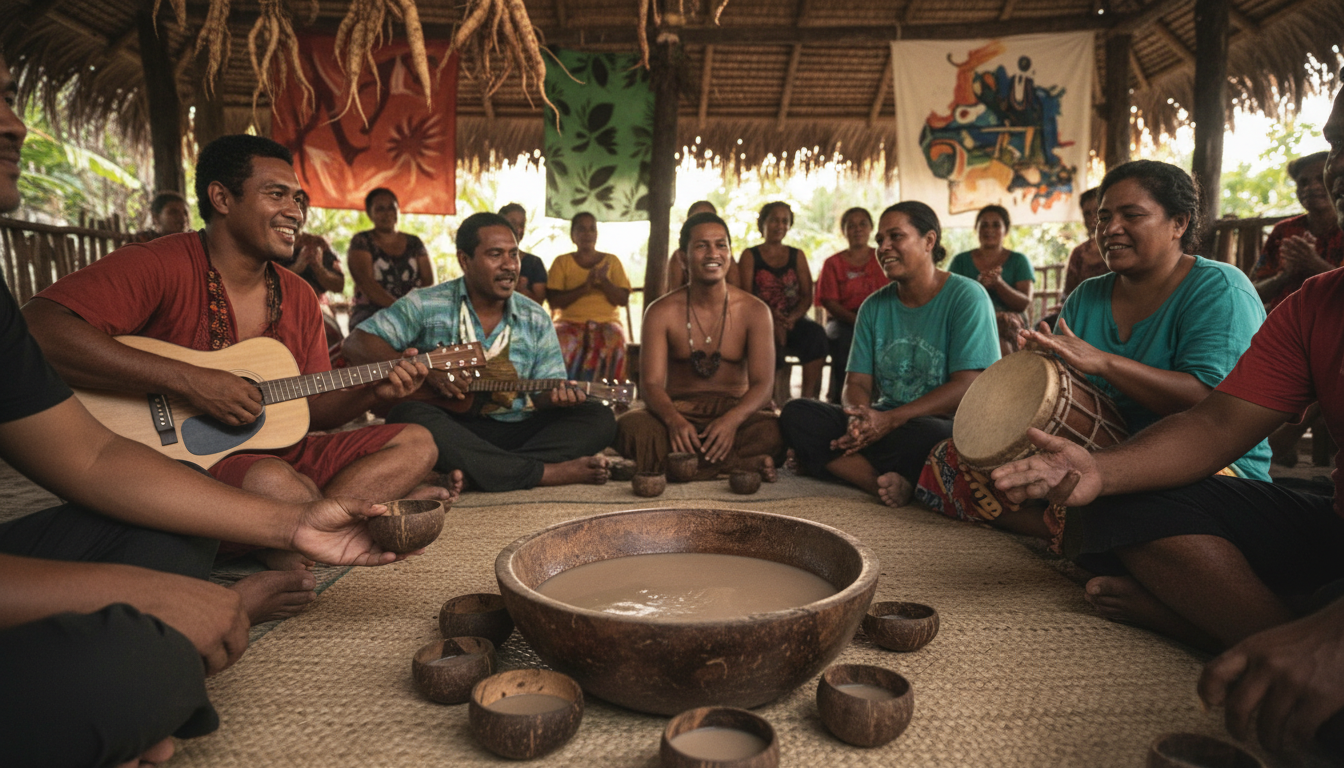
In the kava/kratom industry, modern adaptations of these ceremonies are gaining popularity. Kava bars in places like Hawaii and California host "kava nights" that mimic traditional setups, complete with live music and storytelling. These events not only preserve the cultural essence but also educate newcomers about the plant's origins, ensuring that kava's legacy endures amid commercialization.
The Role of Community in Kava and Kratom Culture
Kava culture thrives on community, creating spaces where individuals connect over shared experiences. From village gatherings in the Pacific to bustling kava bars in Western cities, the plant serves as a catalyst for building relationships. In traditional societies, kava circles encourage open dialogue, where participants discuss everything from daily life to profound philosophical matters, all while enjoying the beverage's soothing properties.
Parallel to kava, kratom has developed its own community-driven culture in regions like Thailand and Malaysia. Kratom leaves, brewed into teas, are often shared in informal settings that promote camaraderie and stress relief. This mirrors kava's communal ethos, with users forming networks to exchange knowledge about strains, preparation methods, and personal stories. In the digital age, online forums and social media groups dedicated to kava and kratom have expanded these communities globally, allowing enthusiasts to share tips, recipes, and event updates.
Kava bars play a pivotal role in modernizing this community aspect. These establishments, often designed with Pacific-inspired decor, offer a relaxed atmosphere for people to unwind without alcohol. For example, a visit to a kava bar might include sampling different kava varieties alongside kratom-infused drinks, fostering conversations about the plants' cultural significance. These bars have become hubs for the kava/kratom industry, hosting events like tastings and workshops that strengthen bonds among patrons. In 2026, with the industry's growth, such venues are seeing increased participation, drawing in diverse crowds from young professionals to cultural enthusiasts.
Kava Bars: Blending Tradition with Contemporary Community Life
Kava bars represent a dynamic evolution of kava culture, merging ancient traditions with the vibrancy of modern social scenes. Originating from the need to share kava beyond its Pacific roots, these bars have proliferated in the United States and Europe, becoming epicenters for cultural exchange. Here, patrons can experience the ritual of drinking kava in a setting that feels both authentic and accessible, often with educational elements like guided tastings or cultural demonstrations.
- Atmosphere and Offerings: Kava bars typically feature dim lighting, comfortable seating, and menus highlighting various kava strains, such as noble or tudei varieties, each with unique flavors and effects. Some also incorporate kratom, offering blends that appeal to those seeking mild energy or relaxation.
- Community Events: Regular gatherings, like kava ceremonies or kratom appreciation nights, encourage participation and learning. These events often include guest speakers from the kava/kratom industry, sharing insights on sustainable farming and cultural preservation.
- Cultural Fusion: In places like Los Angeles or New York, kava bars integrate elements from kratom culture, such as themed nights inspired by Southeast Asian traditions, creating a fusion that broadens appeal while respecting origins.
This blend of old and new has revitalized interest in kava and kratom, positioning them as staples in alternative social environments. As the kava/kratom industry expands, these bars are not just businesses but cultural ambassadors, promoting responsible consumption and community welfare.
The Interconnection of Kava and Kratom Communities
While kava and kratom hail from different regions, their cultures are increasingly intertwined, especially within the global kava/kratom industry. Kava's emphasis on tranquility and social bonding complements kratom's use for focus and endurance, leading to hybrid communities that appreciate both plants. Enthusiasts often participate in events that celebrate this synergy, such as industry conferences or online webinars, where discussions range from traditional uses to innovative products.
In the kava community, there's a growing awareness of kratom's cultural roots, with some bars offering educational sessions on both. This cross-pollination enriches the overall experience, fostering a more inclusive culture that values diversity and shared benefits. For instance, kava/kratom festivals now feature demonstrations of preparation techniques, allowing participants to learn directly from cultural practitioners.
As we look to the future, the kava/kratom industry is poised for further growth, with communities playing a key role in advocacy and education. By maintaining these cultural ties, enthusiasts ensure that kava and kratom remain more than trends - they are enduring symbols of human connection and heritage.
Conclusion: Embracing the Timeless Appeal of Kava Culture
Kava culture, with its ceremonies, communities, and modern adaptations, offers a profound glimpse into how ancient traditions can flourish in contemporary society. From the peaceful circles of the Pacific Islands to the lively kava bars of today, this culture continues to unite people through shared rituals and respect for nature. As the kava/kratom industry evolves, it reminds us of the importance of preserving these roots while welcoming new participants. Whether through a traditional ceremony or a casual gathering, kava and kratom culture invites us all to slow down, connect, and find harmony in the simple act of sharing a drink.