In the bustling metropolises of 2026, a quiet revolution is taking root - one that transforms concrete jungles into vibrant oases of greenery. Urban gardening has evolved from a niche hobby into a mainstream movement, driven by a growing awareness of environmental sustainability, mental health benefits, and community building. As we navigate the challenges of climate change and rapid urbanization, urban gardens are emerging as essential tools for fostering resilience and connection in city life. This article explores the latest trends, innovative techniques, and the profound impact of urban gardening on modern society.
The Surge in Urban Gardening Popularity
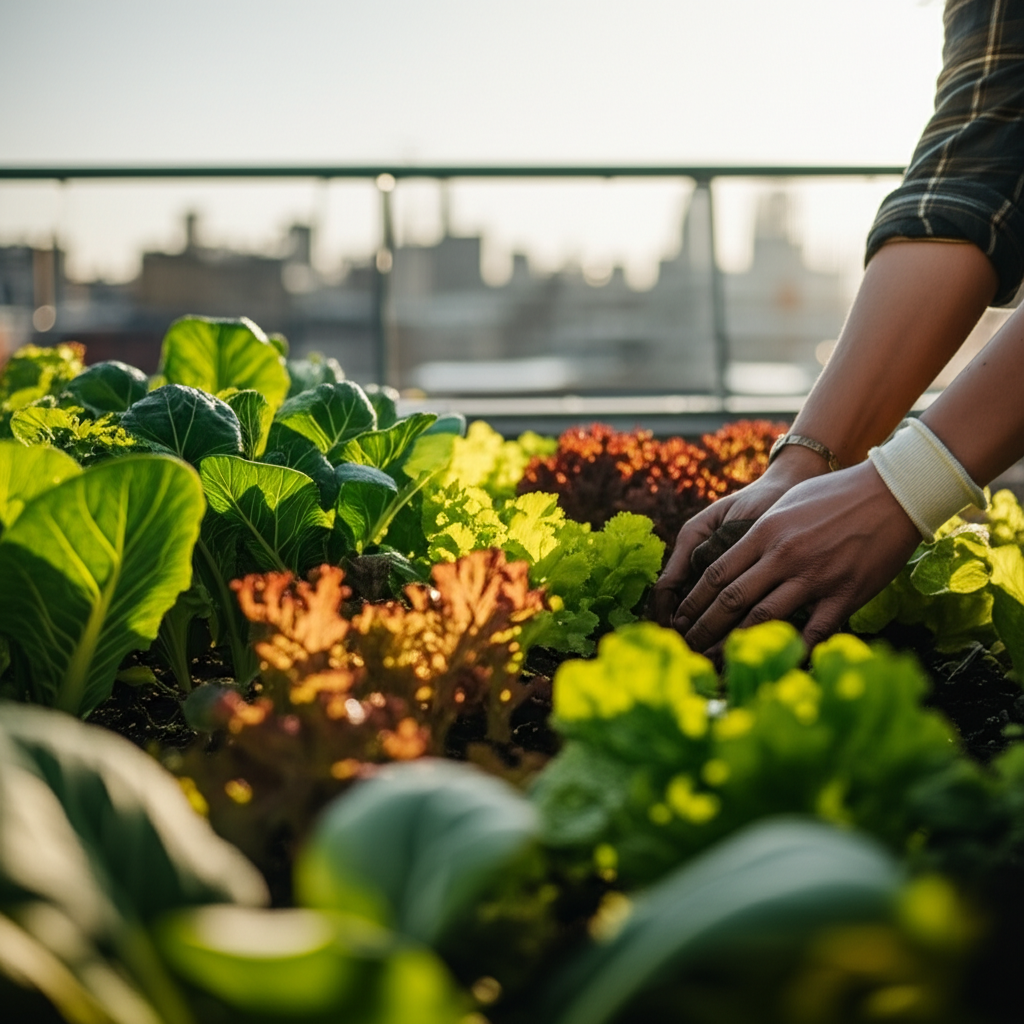
Urban gardening's popularity has skyrocketed in recent years, with data from 2026 showing a 40% increase in community garden participation compared to 2025. Cities like New York, Tokyo, and Berlin are leading the charge, converting rooftops, balconies, and vacant lots into productive green spaces. This surge is fueled by a combination of factors: the lingering effects of global supply chain disruptions, which have highlighted the importance of local food production, and a post-pandemic emphasis on outdoor activities for well-being.
According to the World Urban Gardens Report of 2026, over 60% of urban dwellers now engage in some form of gardening, whether it's a windowsill herb garden or a shared community plot. This trend is not just about growing food; it's about reclaiming space in densely populated areas and promoting biodiversity. Innovative technologies, such as hydroponic systems and smart soil sensors, have made it easier for beginners to start, reducing barriers and encouraging widespread adoption.
Innovative Techniques and Technologies Shaping Urban Gardens
Advancements in technology are at the heart of urban gardening's evolution. In 2026, AI-powered apps like GreenThumb AI provide real-time advice on planting, watering, and pest control, making gardening accessible to all skill levels. These tools use machine learning to analyze local weather patterns and soil conditions, offering personalized recommendations that maximize yield and minimize waste.
Vertical gardening is another breakthrough, allowing city residents to grow upwards rather than outwards. Structures like living walls and stacked planters are now common in urban apartments, turning limited space into lush, productive areas. For instance, in Singapore's Sky Gardens initiative, buildings incorporate integrated vertical farms that produce fresh vegetables for residents, reducing the carbon footprint of food transportation.
- Smart irrigation systems that use rainwater harvesting to conserve water.
- LED grow lights for indoor gardening, powered by renewable energy sources.
- Community apps that connect gardeners for seed sharing and knowledge exchange.
- Biodegradable pots and organic fertilizers to promote eco-friendly practices.
These innovations not only enhance efficiency but also educate participants about sustainable living. Workshops and online courses have proliferated, teaching everything from composting techniques to native plant selection, empowering individuals to contribute to a greener planet.
Health and Environmental Benefits of Urban Gardening
Beyond the aesthetic appeal, urban gardening offers tangible health benefits. Studies from 2026, including one published by the Urban Health Institute, reveal that regular gardening reduces stress levels by up to 30% and improves mental clarity. The act of nurturing plants provides a therapeutic escape from digital screens, fostering mindfulness and physical activity in everyday life.
Environmentally, urban gardens play a crucial role in combating pollution and urban heat islands. They absorb CO2, filter airborne pollutants, and provide habitats for pollinators, which are vital for global food security. In cities like Los Angeles, community gardens have been shown to lower local temperatures by several degrees, offering relief during heatwaves exacerbated by climate change.
Moreover, urban gardening promotes food security and nutritional diversity. With fresh produce readily available, residents are consuming more fruits and vegetables, leading to improved diets and reduced reliance on imported goods. This shift supports local economies and reduces the environmental impact of long-distance shipping.
Challenges and Solutions in Urban Gardening
Despite its growth, urban gardening faces obstacles, such as limited space, soil contamination, and regulatory hurdles. In many cities, zoning laws restrict the use of public land for gardening, while contaminated urban soil poses risks to plant safety. However, innovative solutions are emerging to address these issues.
For example, raised bed gardening uses clean, imported soil to bypass contamination concerns. Community organizations are advocating for policy changes, with successes like the 2026 Green Space Act in the EU, which allocates more public land for communal gardens. Additionally, crowdfunding platforms have enabled gardeners to fund projects, democratizing access to resources.
- Partnerships with local governments to repurpose abandoned lots.
- Educational programs on safe soil testing and remediation.
- Collaborations with schools to integrate gardening into curricula, fostering the next generation of green enthusiasts.
- Incentives for businesses to incorporate green roofs, combining urban development with sustainability.
By tackling these challenges head-on, urban gardening is becoming more inclusive and resilient, ensuring its longevity as a vital urban practice.
The Social Impact: Building Communities Through Green Spaces
Urban gardens are more than just plots of land; they are social hubs that foster community bonds. In 2026, these spaces host events like harvest festivals, educational workshops, and volunteer days, bringing people from diverse backgrounds together. This sense of community is particularly important in an era of increasing isolation due to remote work and digital interactions.
Research from the Social Connection Survey 2026 indicates that participants in urban gardening report higher levels of social satisfaction and neighborhood cohesion. Gardens serve as neutral grounds for cultural exchange, where people share traditions, recipes, and knowledge, enriching the urban fabric.
As we look to the future, urban gardening is poised to influence urban planning and policy, with cities worldwide incorporating green spaces into their blueprints. From small-scale balcony gardens to large community farms, this movement is redefining how we live, work, and connect in 2026 and beyond.
Conclusion: A Greener Tomorrow
The rise of urban gardening in 2026 represents a hopeful step towards a more sustainable and connected world. By embracing innovative techniques, overcoming challenges, and reaping the health and environmental benefits, individuals and communities are cultivating not just plants, but a brighter future. As more people join this green revolution, the potential for positive change is limitless, proving that even in the heart of the city, nature can thrive.