In the fast-paced world of 2026, people are increasingly turning to natural solutions for managing stress, boosting energy, and enhancing overall well-being. Adaptogenic herbs, a category of plants known for their ability to help the body adapt to stressors, have moved from niche health circles to mainstream popularity. This article explores how adaptogens are transforming everyday routines, drawing from emerging trends in herbal wellness without overlapping with over-discussed topics like specific kava bars or kratom regulations.
What Are Adaptogenic Herbs and Why Are They Gaining Traction?
Adaptogenic herbs are a fascinating group of plants that have been used in traditional medicine for centuries. These herbs work by modulating the body's stress response, helping to balance hormones and improve resilience against physical and mental stressors. In 2026, with rising awareness of mental health and the demands of modern life, adaptogens have become a go-to option for many seeking natural alternatives to pharmaceuticals.
Popular adaptogens include ashwagandha, rhodiola, and holy basil, each offering unique benefits. For instance, ashwagandha is celebrated for its potential to reduce cortisol levels, while rhodiola may enhance cognitive function and combat fatigue. The surge in interest can be attributed to a growing body of research highlighting their efficacy, as well as the broader shift towards holistic health practices. As more individuals prioritize preventive care, adaptogens are seamlessly integrating into daily routines through supplements, teas, and even functional foods.
Emerging Studies: Unveiling the Science Behind Adaptogens
Scientific interest in adaptogens has exploded in recent years, with numerous studies published in 2025 and early 2026 shedding light on their mechanisms and benefits. A landmark study from the Journal of Herbal Medicine in 2025 demonstrated that regular consumption of adaptogens like eleuthero could significantly improve stress resilience in urban professionals, reducing symptoms of anxiety by up to 30%. This research underscores the herbs' role in modulating the hypothalamic-pituitary-adrenal (HPA) axis, which regulates stress hormones.
Beyond stress relief, adaptogens are showing promise in other areas of health. For example, a 2026 meta-analysis published in the International Journal of Nutrition and Wellness linked adaptogens to better immune function and enhanced athletic performance. Athletes are increasingly incorporating these herbs into their regimens to aid recovery and maintain energy levels during intense training. However, it's crucial to consult healthcare professionals before starting any new supplement, as individual responses can vary based on factors like dosage and existing health conditions.
- Improved stress management through hormone regulation
- Enhanced cognitive function and mental clarity
- Support for immune health and faster recovery from illness
- Increased energy without the jitters of caffeine
- Potential anti-inflammatory effects for overall wellness
As research continues, we're seeing a more nuanced understanding of how adaptogens interact with the body's systems, paving the way for personalized wellness approaches.
Innovative Applications: Adaptogens in Everyday Life
One of the most exciting developments in 2026 is the innovative ways adaptogens are being incorporated into daily life. From adaptogen-infused beverages to skincare products, these herbs are no longer confined to pill bottles. Wellness brands are launching creative products like adaptogen-laced energy bars and stress-relief gummies, making it easier for consumers to enjoy their benefits on the go.
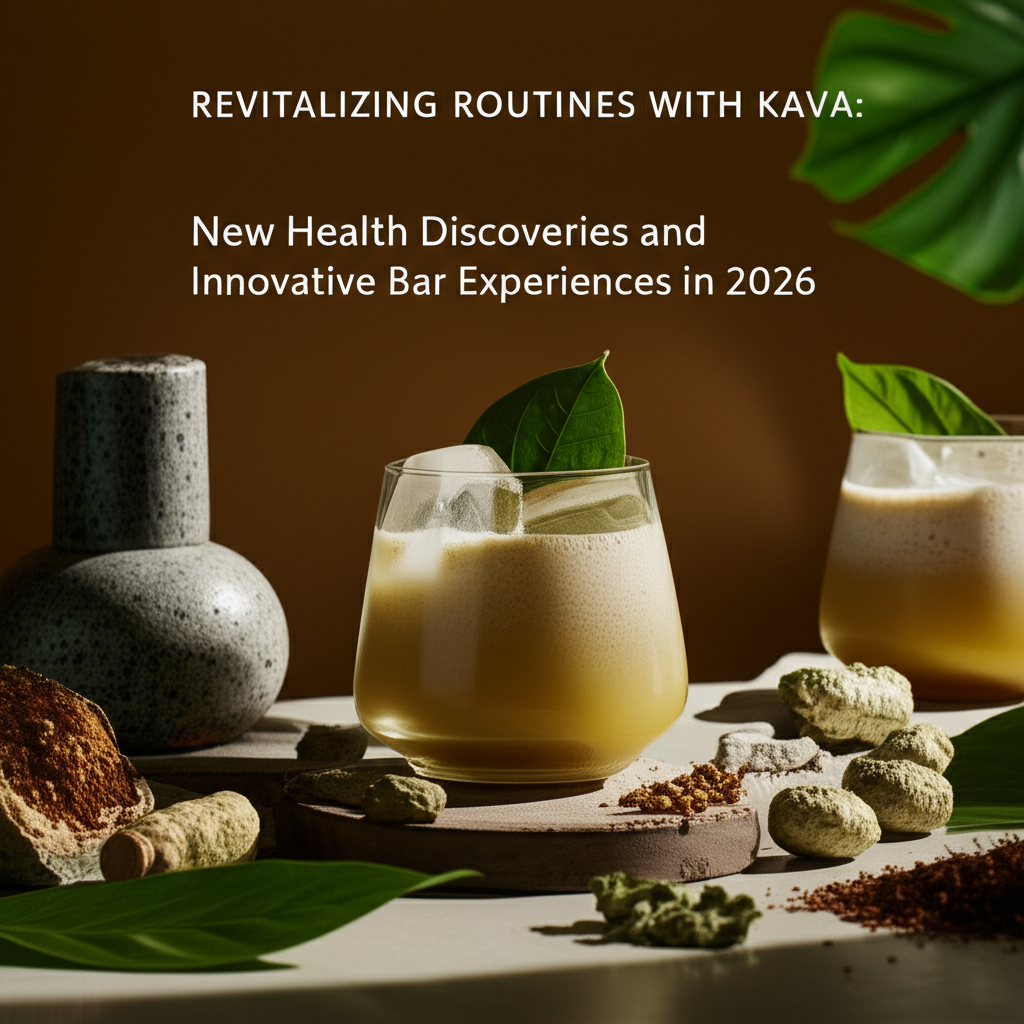
In the realm of community spaces, new herbal wellness hubs are emerging as social destinations. These modern venues offer workshops on adaptogen use, blending education with relaxation experiences. For instance, a recent opening in California features adaptogen-based mocktails and meditation sessions, fostering a sense of community around natural health. This trend highlights a shift towards experiential wellness, where people gather not just for drinks, but for shared learning and support.
Moreover, the food industry is adapting by integrating adaptogens into everyday meals. Chefs and home cooks are experimenting with recipes that include adaptogen powders in smoothies, baked goods, and even savory dishes, turning ordinary meals into powerful health boosters. This accessibility is democratizing wellness, allowing more people to experience the benefits without overhauling their lifestyles.
The Industry Landscape: Challenges and Opportunities
The adaptogen market is booming, projected to reach $5 billion globally by the end of 2026, according to industry reports. This growth is driven by consumer demand for clean, natural products amid increasing skepticism towards synthetic options. However, the industry faces challenges, including regulatory hurdles and the need for standardized quality control. In the U.S., the FDA is working on guidelines to ensure product safety and efficacy, which could further legitimize the sector.
Opportunities abound for sustainable sourcing, as the demand for ethically harvested adaptogens rises. Companies are partnering with farmers in regions like the Himalayas and the Andes to promote eco-friendly practices, reducing the environmental impact of production. This focus on sustainability not only appeals to eco-conscious consumers but also ensures the long-term availability of these valuable herbs.
- Growing e-commerce platforms dedicated to adaptogen products
- Collaborations between herbalists and tech companies for app-based wellness tracking
- Increased investment in research and development for new adaptogen blends
- Expansion into emerging markets like Asia and Europe
- Educational initiatives to combat misinformation about natural remedies
Despite these opportunities, consumers must remain vigilant about product purity, as the market's rapid expansion has led to some inconsistencies. Choosing reputable brands that provide third-party testing can help mitigate risks.
Future Outlook: Adaptogens in a Post-Pandemic World
Looking ahead, adaptogens are poised to play a pivotal role in the evolving landscape of global health. With the world still recovering from the effects of the pandemic, there's a heightened emphasis on building resilience and maintaining mental health. By 2027, we may see adaptogens integrated into workplace wellness programs, school curricula, and even public health initiatives, as governments recognize their value in promoting population-wide well-being.
Innovation will likely continue, with advancements in biotechnology enabling more precise formulations tailored to individual needs. Imagine personalized adaptogen subscriptions based on genetic testing or wearable tech that tracks stress levels and recommends specific herbs. This future promises not only better health outcomes but also a more harmonious relationship with nature's pharmacy.
In conclusion, the surge of adaptogens represents a broader movement towards natural, sustainable wellness solutions. As we navigate the complexities of 2026, embracing these herbs could be key to achieving a balanced, healthier life. Whether you're a busy professional or a wellness enthusiast, incorporating adaptogens into your routine might just be the transformative step you've been seeking.