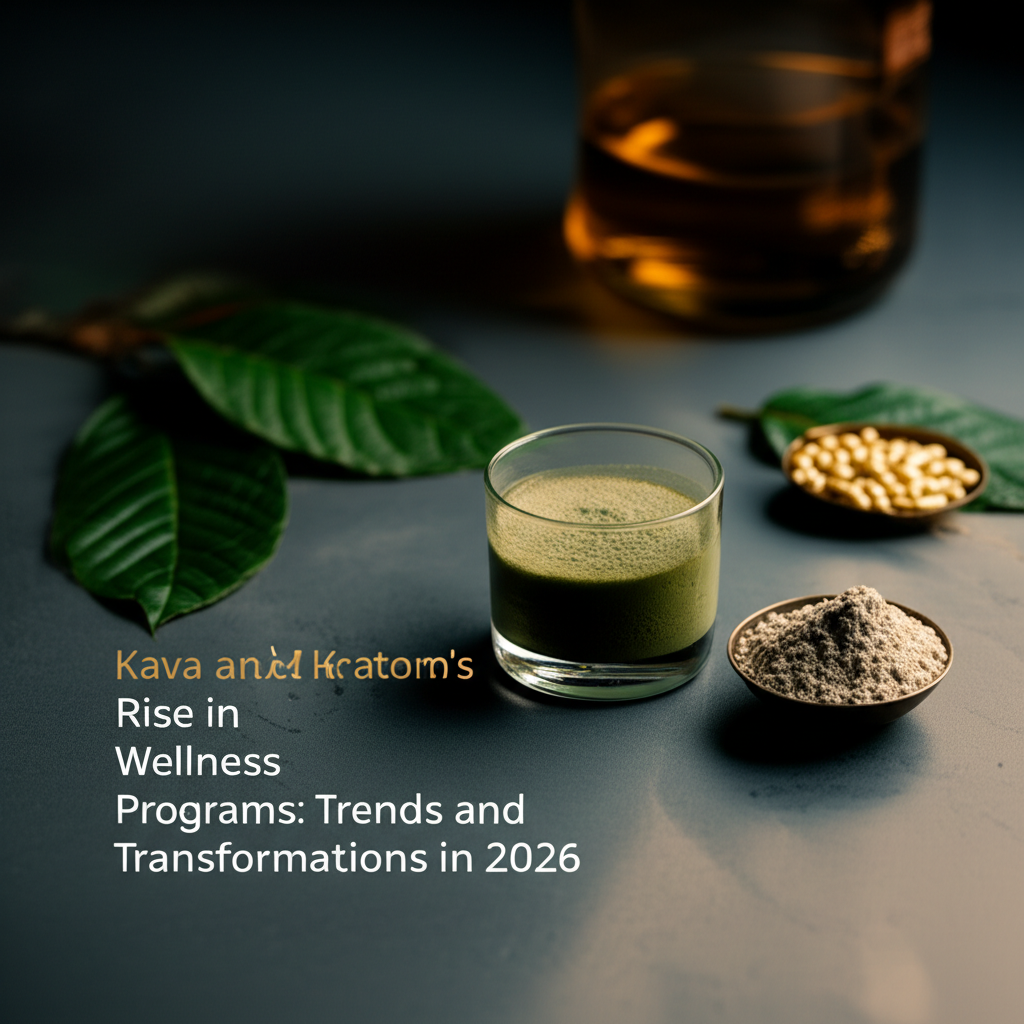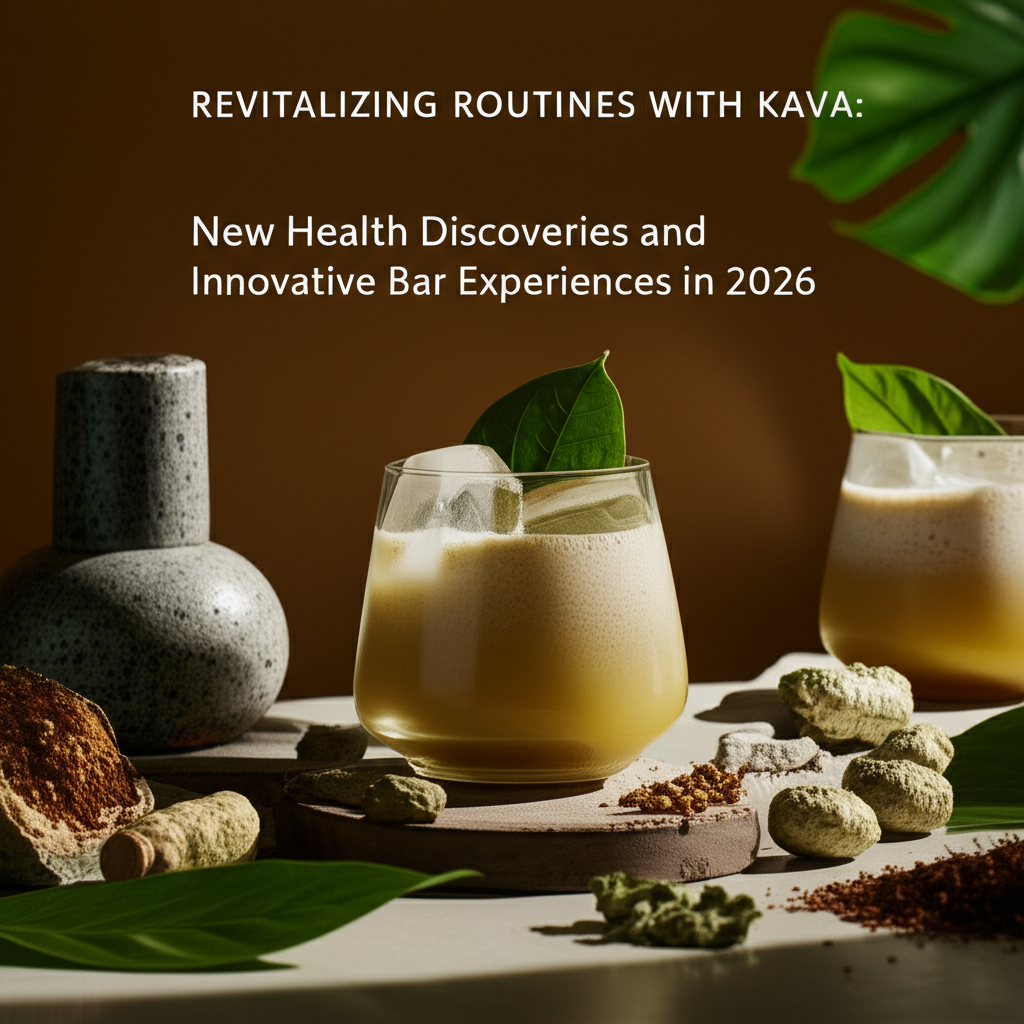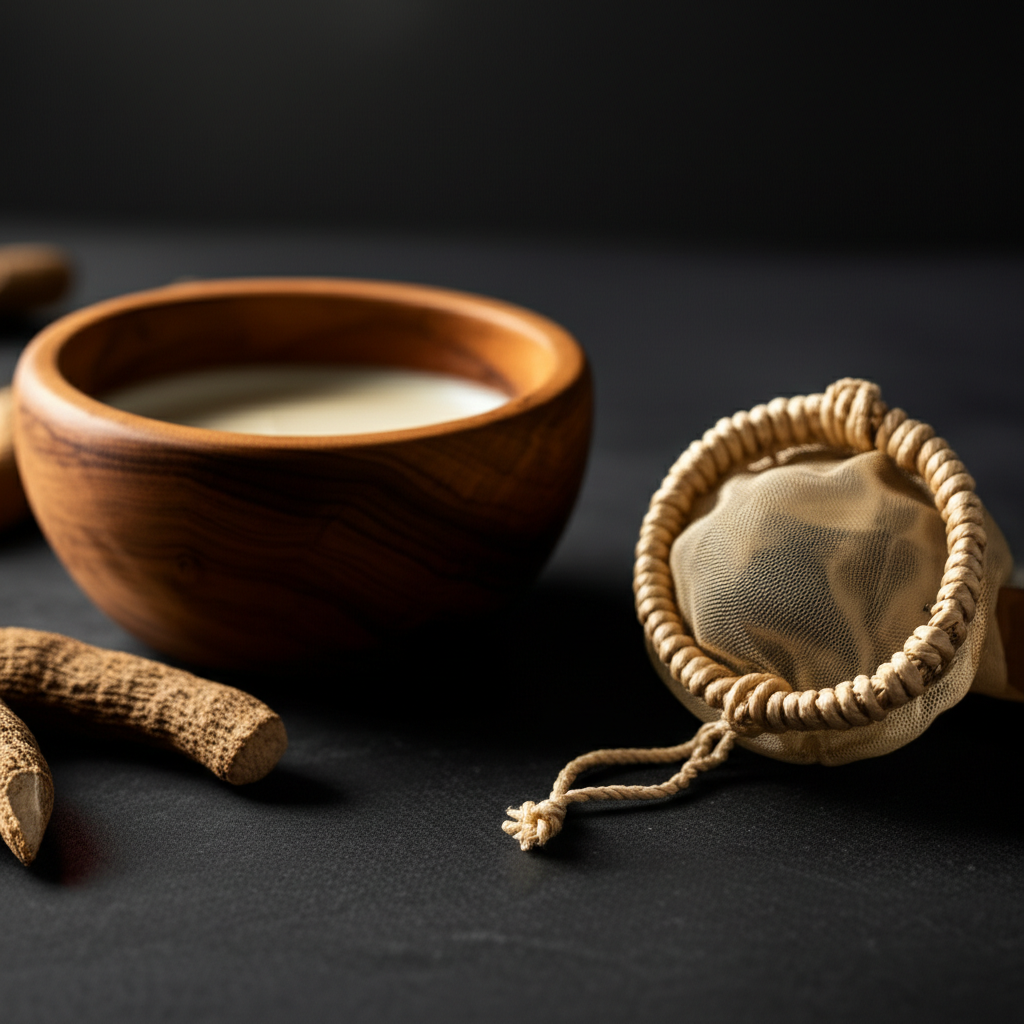
In the fast-paced world of 2026, where stress and digital overload dominate daily life, people are increasingly turning to natural remedies like kava to unlock their creative potential. This ancient Pacific Island root, known for its calming effects, is now at the forefront of a new wave of wellness trends, with recent studies highlighting its role in enhancing focus and innovation. As we dive into February 2026, the intersection of kava with creativity isn't just a niche interest - it's becoming a mainstream movement, influencing everything from personal productivity to community spaces like kava bars. This article explores the latest developments in kava benefits research, updates from the kratom industry, and exciting new kava bar openings, all while emphasizing how these elements are reshaping creative lifestyles.
The Science Behind Kava and Creativity
Recent studies in 2026 have shed light on kava's potential to boost creative thinking, moving beyond its traditional use as a relaxant. A groundbreaking study published by the University of Hawaii earlier this year analyzed the effects of kava on brain function, revealing that its active compounds, known as kavalactones, may enhance neural pathways associated with ideation and problem-solving. Participants in the study reported improved divergent thinking - the ability to generate multiple ideas - after regular kava consumption, suggesting that this herbal drink could be a game-changer for artists, writers, and entrepreneurs seeking an edge in a competitive world.
Building on this, researchers from Australia’s National Institute of Complementary Medicine have linked kava to reduced anxiety levels without the cognitive dulling often associated with other sedatives. This is particularly relevant in 2026, as remote work and virtual collaborations continue to blur the lines between professional and personal life. The study, released in January, involved over 500 participants and used advanced neuroimaging techniques to show how kava promotes a state of 'active calm,' allowing for heightened creativity without the crash. These findings are timely, as they come amid a broader push for natural alternatives to synthetic nootropics, making kava a popular choice for those looking to foster innovation sustainably.
However, it's important to approach these benefits with caution. Experts emphasize the need for standardized dosing and quality control, as not all kava products are created equal. A meta-analysis from the World Health Organization in early 2026 reiterated that while kava is generally safe, overconsumption can lead to side effects like drowsiness. For those interested in incorporating kava into their routine, consulting with a healthcare professional is advised to ensure it aligns with individual health needs.
Navigating the Kratom Industry's Evolution
While kava gains traction for its creative benefits, the kratom industry is undergoing significant transformations in 2026, with new regulations and market shifts influencing its role in the herbal wellness sector. Kratom, derived from a Southeast Asian tree, has long been debated for its stimulant and sedative properties, but recent developments are steering it towards more regulated and innovative applications. In the United States, the FDA's ongoing reviews have led to stricter guidelines, ensuring that kratom products meet safety standards, which in turn is fostering greater consumer trust.
One key trend is the integration of kratom with kava in blended products, aimed at enhancing overall wellness. A report from the Herbal Products Association highlights that sales of kratom-kava hybrids have surged by 40% in the first quarter of 2026, as consumers seek balanced options for energy and relaxation. This blending is not without controversy, however, as some states are pushing for clearer labeling to address potential misuse. For instance, Florida's recent legislative discussions have inspired a national conversation on quality assurance, emphasizing the need for third-party testing to verify potency and purity.
To make informed choices, consumers should be aware of the following key factors in the kratom industry:
- Regulatory changes: Many countries are adopting EU-style regulations, requiring detailed ingredient lists and dosage recommendations.
- Product innovation: New forms like kratom capsules and edibles are emerging, making it easier to incorporate into daily routines without the traditional brewing process.
- Health risks and benefits: While kratom can aid in pain management and mood enhancement, it's essential to monitor for dependency, as advised by health organizations.
- Sustainable sourcing: Ethical farming practices are becoming a priority, with certifications ensuring that kratom is harvested without harming environments or communities.
- Market growth: The global kratom market is projected to reach $2 billion by the end of 2026, driven by online sales and wellness trends.
These evolutions are creating a more mature industry, one that complements kava's rise and offers users a spectrum of natural options for creative and cognitive support.
New Kava Bar Openings: A Hub for Creative Communities
As research into kava's benefits flourishes, so too does the physical landscape of kava consumption, with innovative bar openings popping up across the globe in 2026. These establishments are no longer just places for relaxation; they're evolving into vibrant hubs for creative collaboration, blending social interaction with wellness-focused environments. For example, the recent opening of 'Kava Haven' in Los Angeles has transformed a former art studio into a multi-functional space where patrons can sip kava while participating in workshops on digital art and brainstorming sessions.
In Europe, 'The Creative Root' in Berlin has quickly become a favorite among freelancers and startups, offering kava-infused beverages alongside co-working areas equipped with VR tools for idea generation. This trend is mirrored in Asia, where 'Kava Wave Tokyo' opened its doors in January 2026, featuring themed nights that pair kava tastings with live music and poetry readings. These bars are designed with creativity in mind, incorporating elements like mood lighting, acoustic panels, and even scent diffusers to enhance the user experience.
The success of these openings can be attributed to several factors:
- Community engagement: Many bars host events that foster networking, such as hackathons or art exhibits, turning kava into a catalyst for innovation.
- Inclusive design: Accessibility features, like non-alcoholic options and sensory-friendly zones, make these spaces welcoming to diverse groups.
- Partnerships with researchers: Some bars collaborate with universities to offer educational sessions on kava's benefits, bridging the gap between science and everyday use.
- Economic impact: These venues are boosting local economies by creating jobs and attracting tourism, with projections showing a 25% increase in kava-related businesses this year.
- Sustainability focus: New bars are prioritizing eco-friendly practices, such as using organic kava and recyclable materials, aligning with global wellness trends.
As these openings continue, they're not only popularizing kava but also redefining how we approach creativity in social settings.
The Future of Kava in Everyday Life
Looking ahead in 2026, the synergy between kava research, kratom industry advancements, and new bar openings points to a future where natural herbs play a pivotal role in enhancing creativity and well-being. By integrating these elements into daily routines, individuals can harness their potential for personal growth while contributing to a larger cultural shift towards holistic health. Whether you're a professional seeking inspiration or simply looking for a relaxing escape, kava's evolving story offers exciting possibilities for a more innovative world.