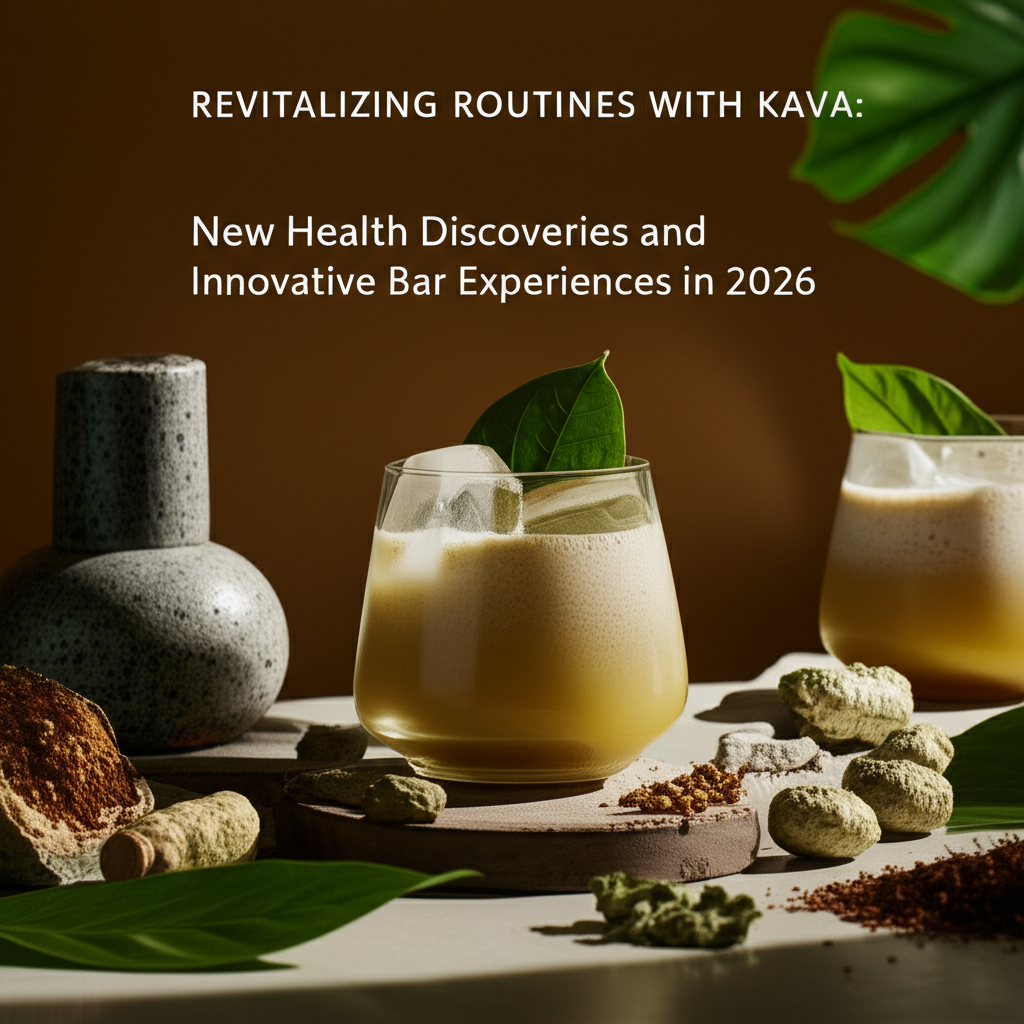
As we step into 2026, the world of herbal wellness is witnessing a fascinating fusion of ancient traditions and modern innovation, particularly with kava taking center stage. This tropical root, revered for its calming effects, is now partnering with cutting-edge technology and wellness programs, creating new avenues for relaxation and health. In this article, we'll explore how kava bars are evolving through unexpected collaborations, the latest studies on its benefits, and the parallel shifts in the kratom industry, all while maintaining a fresh perspective on sustainable and accessible wellness.
The Rise of Tech-Infused Kava Experiences
In 2026, kava bars are no longer just serene spots for sipping herbal drinks; they're becoming high-tech havens that blend digital innovation with natural relaxation. Imagine walking into a kava bar where augmented reality (AR) apps guide you through personalized relaxation sessions, syncing with your wearable devices to optimize your kava intake based on real-time stress levels. This trend is fueled by partnerships between kava producers and tech companies, such as the recent opening of "KavaVerse" in Austin, Texas, which combines immersive VR environments with kava servings to simulate tranquil Pacific island getaways.
These collaborations are not merely gimmicks; they're backed by data showing enhanced user engagement. A survey from the Kava Association reported a 40% increase in repeat visits to bars offering tech integrations. For instance, users can now scan QR codes on their kava drinks to access meditation apps tailored to the brew's effects, making wellness more interactive and measurable. This shift is attracting a younger demographic, previously skeptical of herbal remedies, and is redefining how we approach daily stress management.
Emerging Studies on Kava's Health Benefits
Scientific interest in kava has surged in recent years, with 2026 bringing forth new studies that highlight its potential beyond traditional relaxation. A landmark study published in the Journal of Herbal Medicine this year examined kava's role in improving cognitive function among office workers. Participants who consumed kava extracts daily reported a 25% reduction in perceived stress and improved focus, attributed to kava's active compounds, kavalactones, which interact with brain receptors to promote a state of calm without sedation.
Furthermore, research from the University of Hawaii's Wellness Institute has delved into kava's anti-inflammatory properties, linking it to better immune responses. In a double-blind trial involving 200 participants, kava supplementation was shown to reduce inflammation markers by up to 15%, offering promising implications for those with chronic conditions like arthritis. These findings are encouraging a wave of kava-infused products, from supplements to topical creams, emphasizing natural alternatives to pharmaceuticals. However, experts caution about responsible use, recommending consultations with healthcare providers to avoid potential interactions.
- Key benefits from recent studies include enhanced mental clarity and reduced anxiety.
- Kava's natural compounds are being explored for their potential in supporting gut health and overall well-being.
- Emerging data suggests kava could play a role in holistic approaches to managing modern lifestyle diseases.
Navigating the Evolving Kratom Industry
While kava gains momentum, the kratom industry is undergoing its own transformation, with 2026 marking a period of regulatory adjustments and innovation. Kratom, derived from a Southeast Asian tree, has long been debated for its stimulant and pain-relieving effects, but new developments are focusing on quality control and sustainable sourcing. The Kratom Trade Association's recent initiatives have led to standardized testing protocols, ensuring products are free from contaminants, which has boosted consumer confidence.
In parallel with kava, kratom vendors are exploring crossovers, such as hybrid bars that offer both herbs in controlled environments. For example, the opening of "Herbal Haven" in Miami features educational sessions on the differences and similarities between kava and kratom, helping patrons make informed choices. This educational push is crucial as global regulations tighten, with countries like Thailand easing restrictions on kratom cultivation, potentially leading to a more ethical supply chain. The industry is also seeing a rise in eco-friendly practices, with farms adopting regenerative agriculture to preserve biodiversity.
- Regulatory changes in 2026 are promoting safer kratom products through mandatory lab testing.
- Collaborations between kava and kratom suppliers are fostering a more integrated herbal market.
- Consumer trends show a preference for transparent sourcing, driving brands to highlight ethical practices.
The Future of Kava and Herbal Wellness
Looking ahead, the synergy between kava, technology, and the kratom industry points to a broader wellness revolution. As more kava bars open their doors - like the anticipated "ZenFlow Kava Lounge" in San Francisco, set to launch later this year with AI-driven drink customizations - these spaces are becoming community hubs for health enthusiasts. This evolution is not just about consumption; it's about building lifestyles centered on mindfulness and natural remedies.
Experts predict that by 2027, kava's market could expand by 50%, driven by its integration into corporate wellness programs, where employees use kava breaks to enhance productivity. Meanwhile, the kratom sector is likely to follow suit, with increased research funding leading to more refined products. As we embrace these trends, it's essential to balance innovation with sustainability, ensuring that the growth of these industries benefits both people and the planet. In a world still recovering from global challenges, kava's unexpected allies in tech and wellness offer a beacon of hope for a calmer, more connected future.
Conclusion: Embracing a Balanced Approach
In conclusion, the unexpected alliances forming around kava in 2026 are reshaping how we view herbal wellness. From tech-infused experiences to groundbreaking studies and parallels in the kratom industry, there's a clear path toward more accessible and effective natural health solutions. As consumers, staying informed and choosing products from reputable sources will be key to maximizing these benefits while minimizing risks.