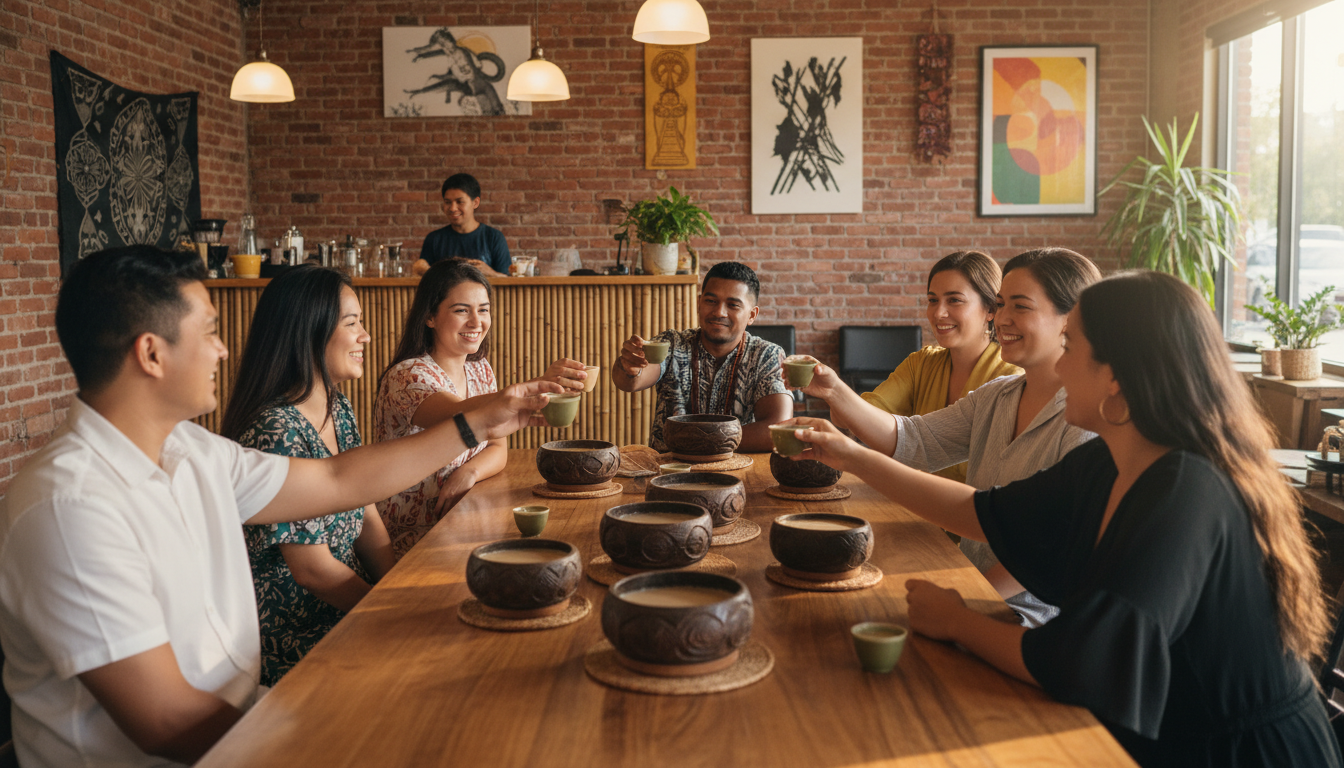
Kava bars have rapidly evolved from quiet, island-inspired retreats into vibrant centers of cultural exchange. A fascinating trend emerging within these spaces is the blending of kava and kratom communities, creating new forms of connection and dialogue between diverse social groups. This article explores how modern kava bars are fostering cross-cultural gatherings, uniting enthusiasts of kava and kratom, and shaping a unique community culture rooted in tradition and innovation.
The Roots of Kava and Kratom Community
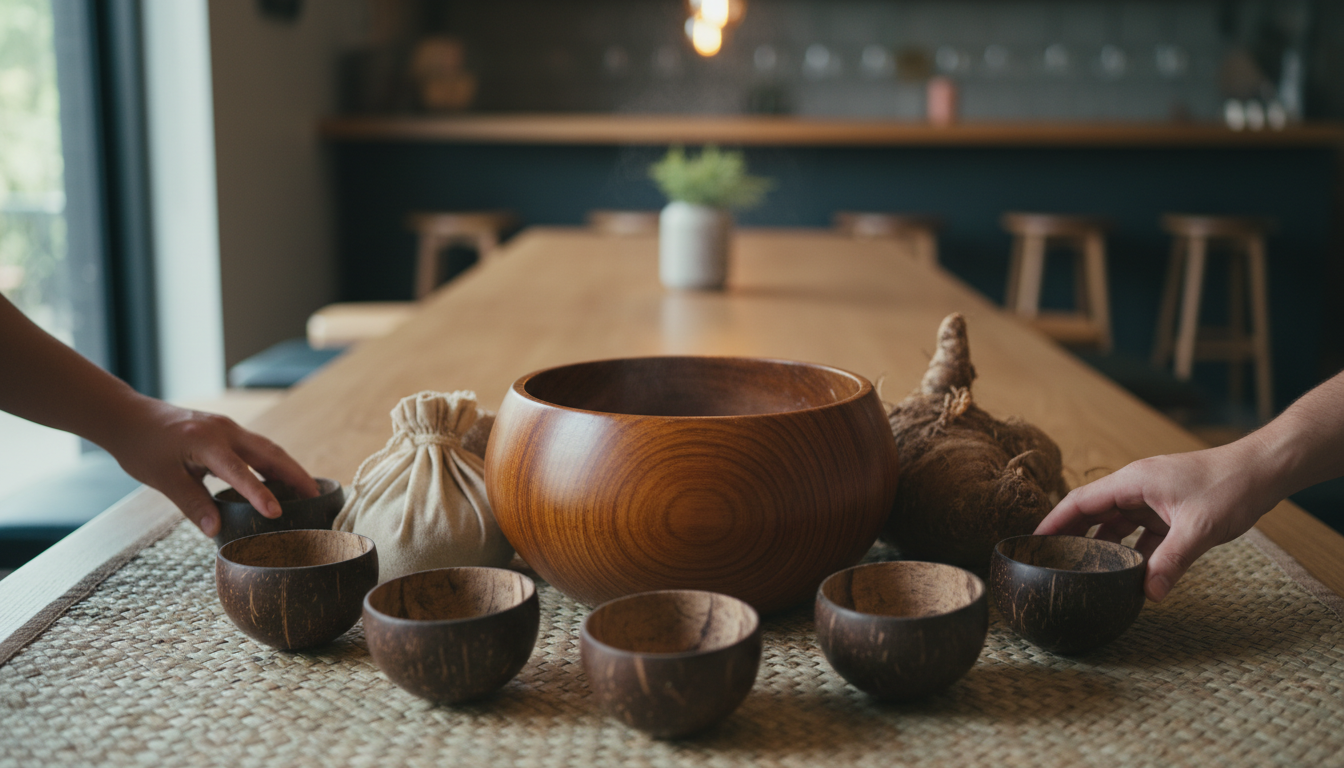
Kava, a traditional beverage made from the root of the Piper methysticum plant, has been central to Pacific Islander cultures for centuries. Its ceremonial use has historically promoted communal harmony, conversation, and mutual respect. Kratom, derived from the leaves of Mitragyna speciosa, has a distinct history in Southeast Asia, where it’s consumed for both social and medicinal purposes. Though the origins of these botanicals are geographically and culturally distinct, their adoption in Western settings has led to interesting intersections.
Modern Kava Bars: A New Cultural Canvas
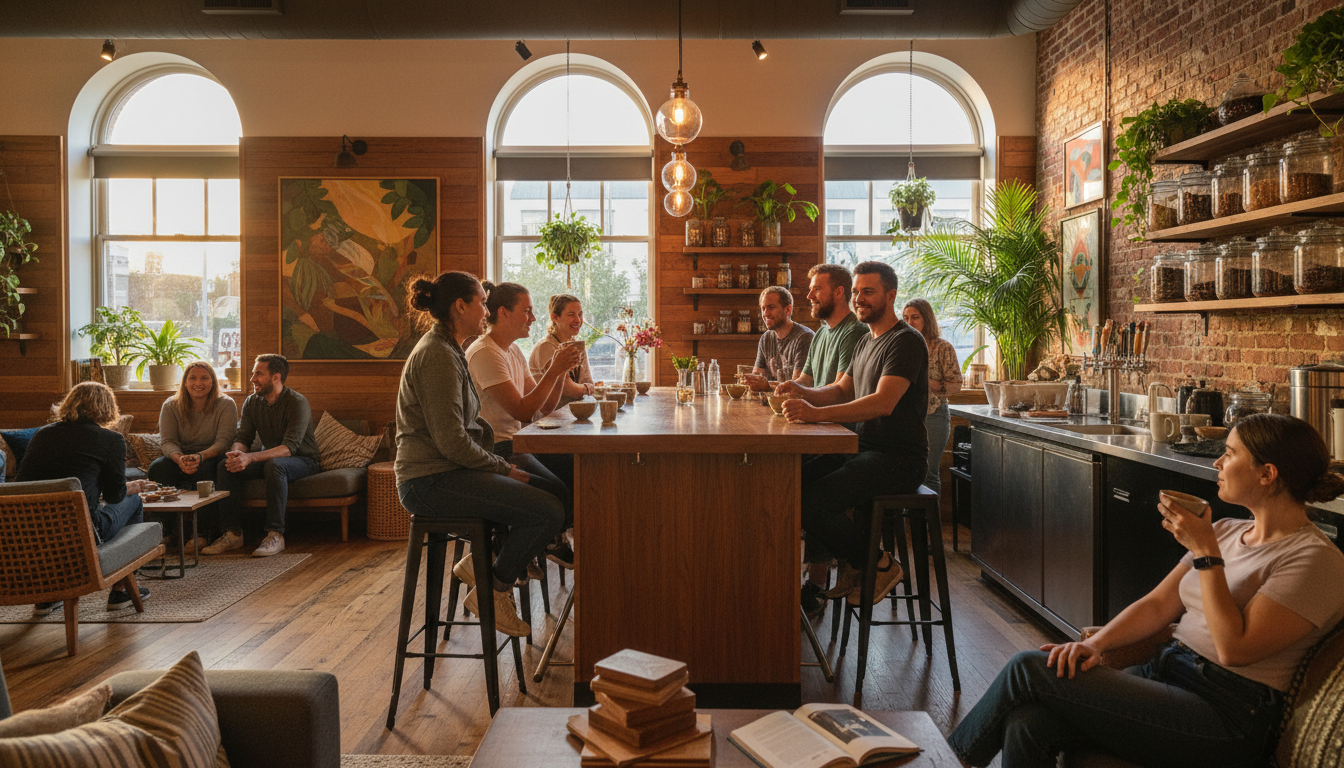
The contemporary kava bar scene is no longer limited to a single tradition. Instead, it embraces a variety of influences and patrons from all walks of life. Kava bars often serve both kava and kratom, inviting people with different backgrounds and preferences to share a communal space. These venues have become microcosms of cross-cultural interaction, where Pacific Islander, Southeast Asian, and Western traditions blend to inspire new rituals and connections.
Creating Bridges: Community Events and Rituals
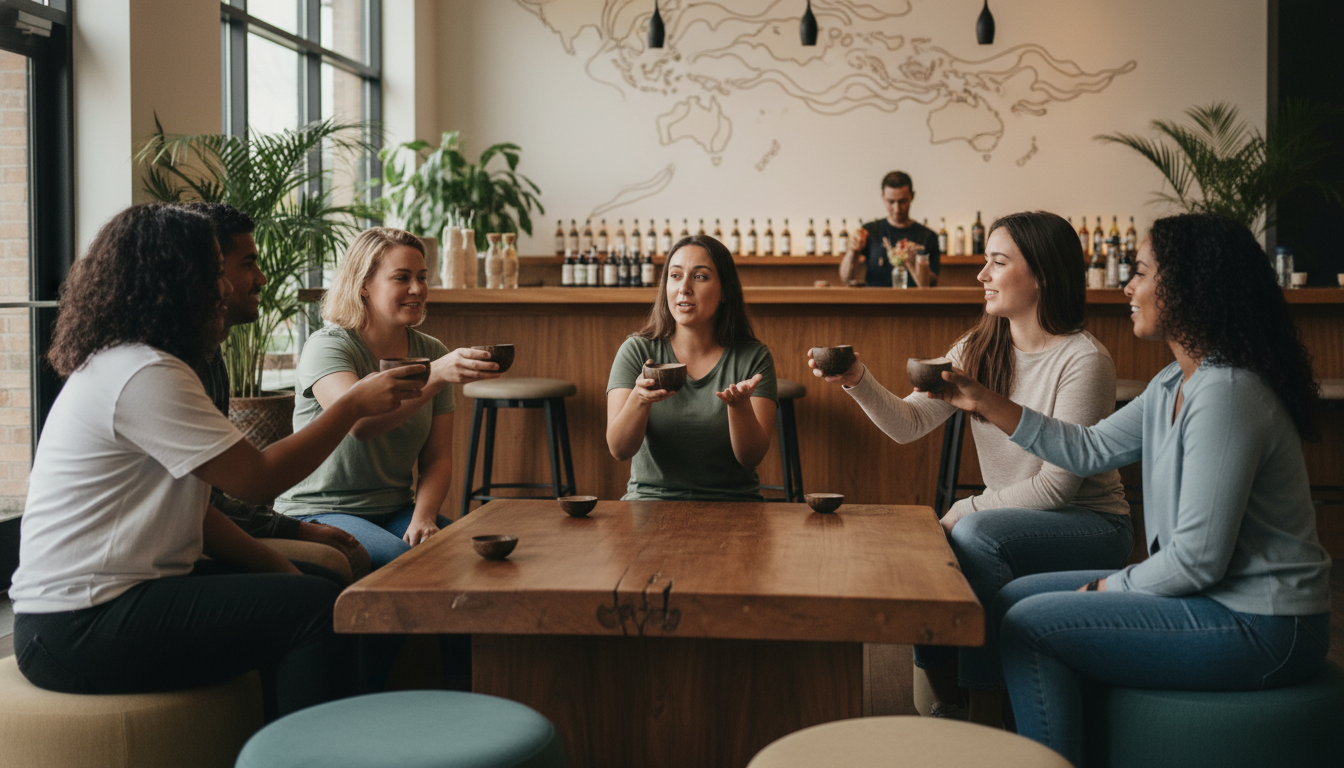
One hallmark of this cross-cultural evolution is the emergence of mixed-community events. Many kava bars host regular "open bowls" or "herbal socials," where patrons are encouraged to sample both kava and kratom, participate in group discussions, and engage in music or art. These gatherings often feature:
- Shared Storytelling: Patrons discuss personal experiences with kava and kratom, sharing knowledge about their cultural significance, effects, and preparation methods.
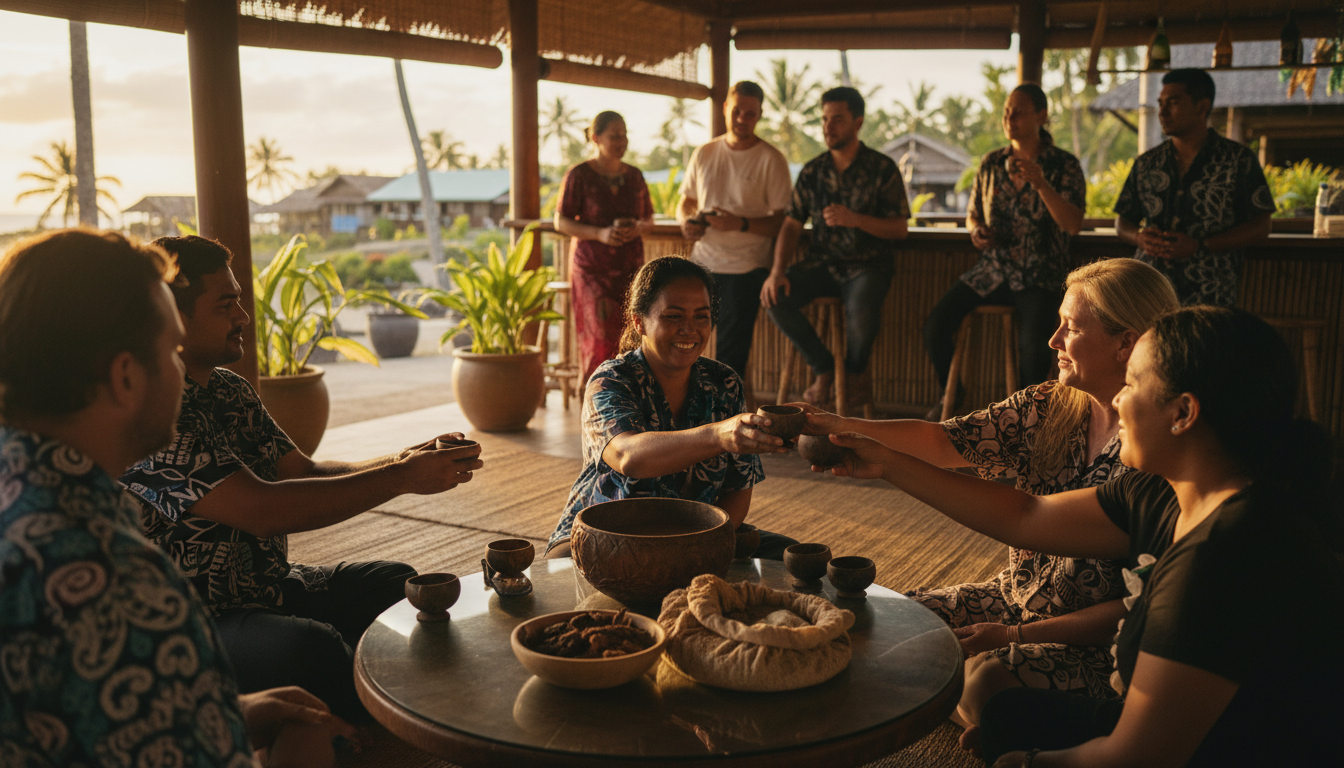
- Hybrid Ceremonies: Some kava bars have begun blending elements from Pacific Islander and Southeast Asian ceremonies - such as traditional chants, communal bowls, and gratitude rituals - into their events.
- Artistic Expression: Live music, poetry readings, and collaborative art projects foster unity and creative exploration within the bar environment.
These events serve not only as entertainment, but also as educational opportunities, helping to demystify both kava and kratom for newcomers and deepen appreciation among long-time enthusiasts.
Challenges and Opportunities in Cultural Integration
While the fusion of kava and kratom communities is largely positive, it does come with challenges. Each plant carries its own set of cultural norms, preparation rituals, and expectations. Navigating these differences respectfully is crucial. Kava bar owners often invest in staff training, ensuring that every patron feels welcome and informed. Educational workshops led by Pacific Islander or Southeast Asian community members are growing in popularity, offering authentic perspectives and fostering cultural sensitivity.
Another challenge is maintaining the integrity of traditional ceremonies. Some purists worry that blending rituals dilutes their meaning, while others see it as a natural evolution. The most successful kava bars strike a balance, preserving the essence of each culture while allowing for innovative new expressions.
The Social Impact of Kava and Kratom Gatherings
The cross-cultural gatherings in kava bars have expanded the notion of community. These spaces welcome people seeking alternatives to alcohol, those interested in holistic wellness, and anyone curious about plant-based traditions. By bridging kava and kratom cultures, kava bars are fostering conversations around health, heritage, and social connection.
A growing number of bars are also engaging in outreach efforts, partnering with cultural organizations and supporting local artists. Community service projects, fundraising events, and educational initiatives further anchor these venues as hubs of social good.
Looking Forward: The Future of Cross-Cultural Kava Bars
As kava bars continue to thrive and diversify, their role as cross-cultural gathering places will only expand. The integration of kava and kratom communities offers a blueprint for respectful, dynamic cultural exchange. By honoring tradition, encouraging innovation, and prioritizing inclusivity, modern kava bars are setting new standards for community culture in the kava and kratom industry.
For patrons, this means more than just a cup of kava or kratom - it’s an invitation to learn, connect, and celebrate the rich tapestry of botanical tradition.