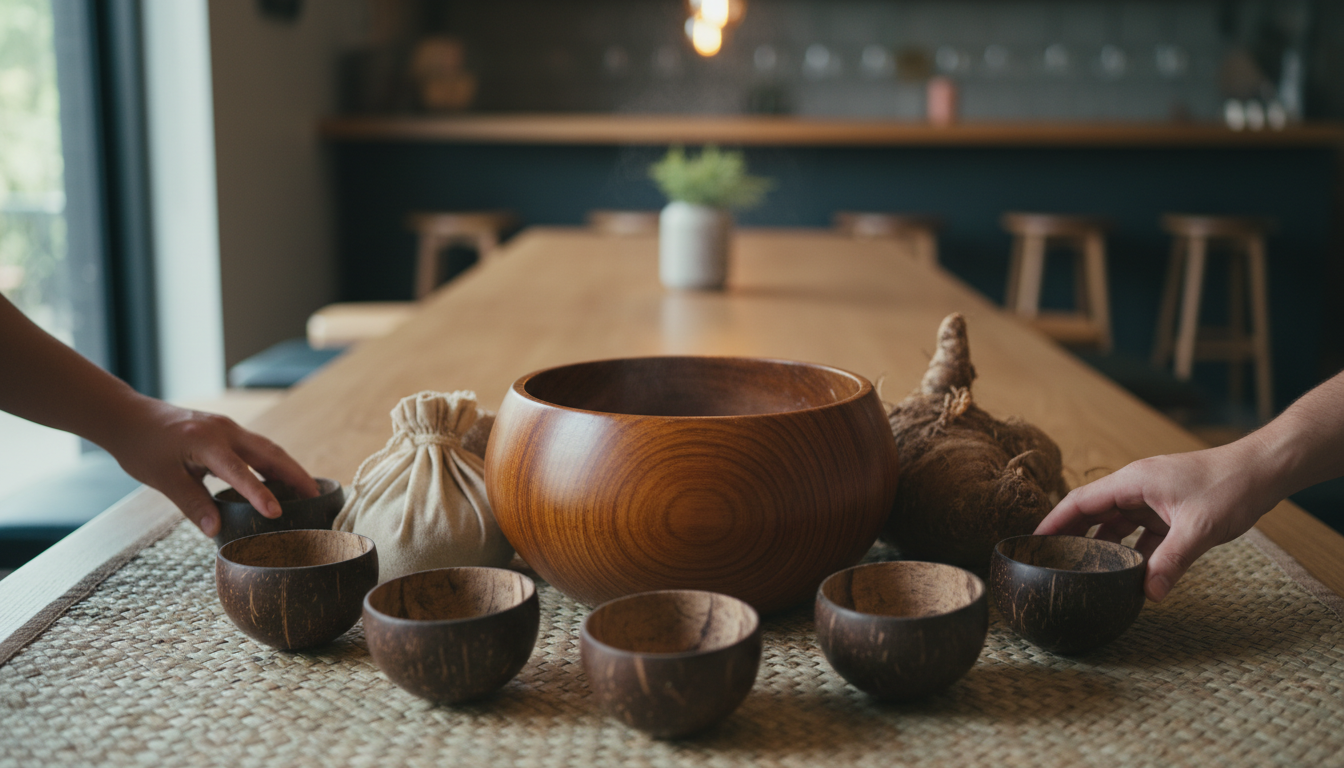
Kava culture has always been deeply intertwined with ritual and community, but few traditions are as emblematic as the etiquette surrounding the kava bowl. Originally rooted in Pacific Island ceremonies, these customs have journeyed far beyond their origin, now finding fresh expression in modern kava bars across the globe. Understanding and respecting these traditions not only enriches the kava drinking experience but also strengthens the social fabric of kava communities.
The Origins of Kava Bowl Etiquette
In cultures such as those of Fiji, Vanuatu, and Tonga, kava ceremonies are formal affairs where the kava bowl (often called a 'tanoa' or 'kumete') is the focal point. The rules governing who pours, who serves, and who receives first are expressions of respect, hierarchy, and togetherness. Traditionally, the host or a designated server prepares the kava, often accompanied by chants or songs. The chief or elder is served first, a gesture of honor, followed by others in order of status or age. The bowl itself is treated with reverence - never placed on the ground, always handled with care.
Transitioning to Kava Bars: Reimagined Etiquette
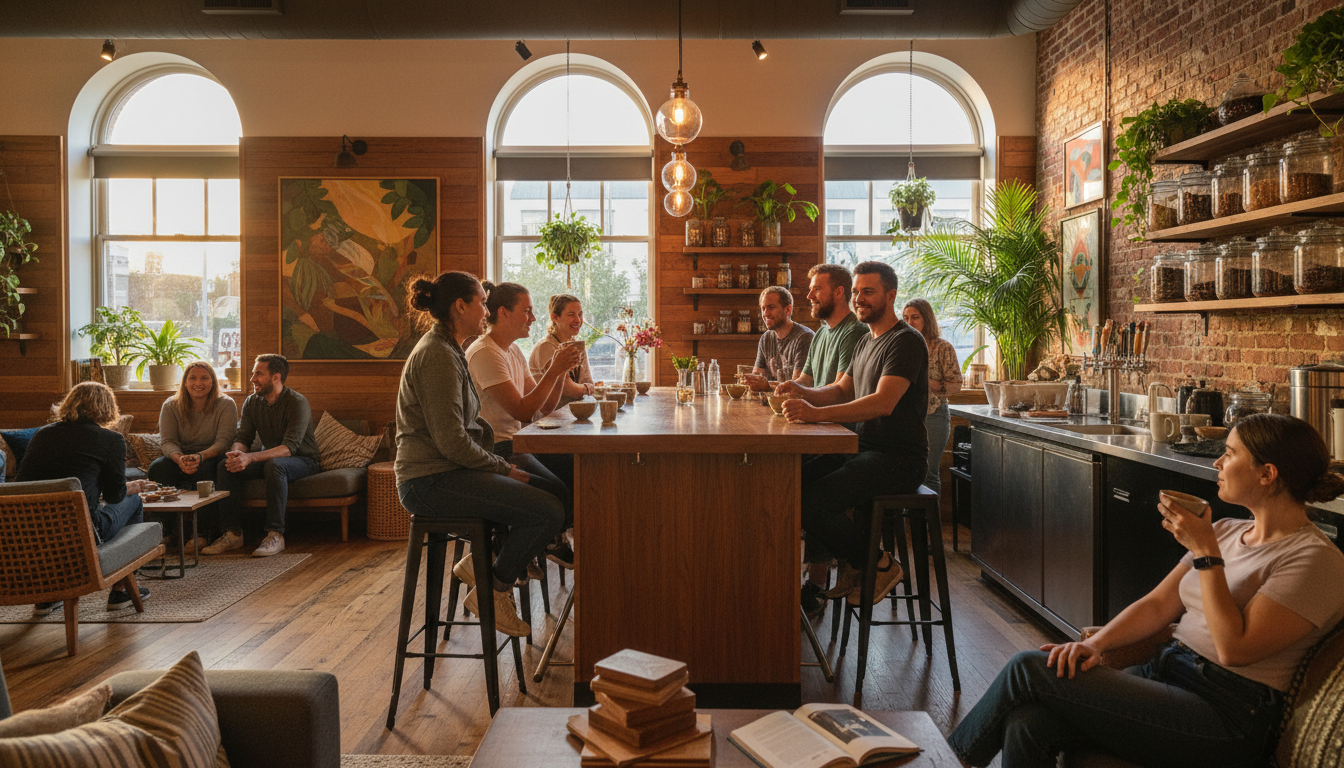
With the rise of kava bars in urban centers, these traditional practices have been adapted. While the ceremonial hierarchy may be less pronounced, reverence for the kava bowl remains. Bar owners and staff are often well-versed in Pacific customs, encouraging guests to participate in a shared experience. The act of serving kava is frequently accompanied by friendly exchanges, and many bars use communal bowls or shells to foster connection.
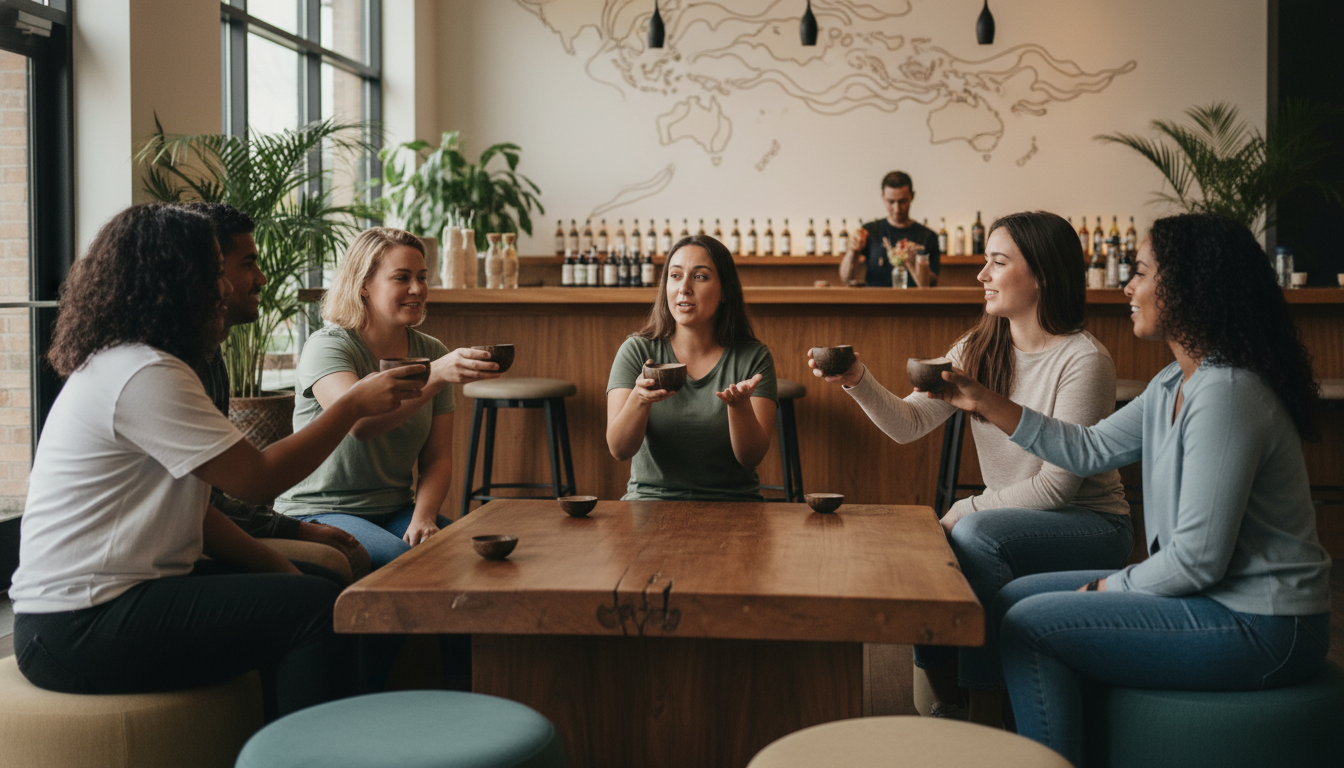
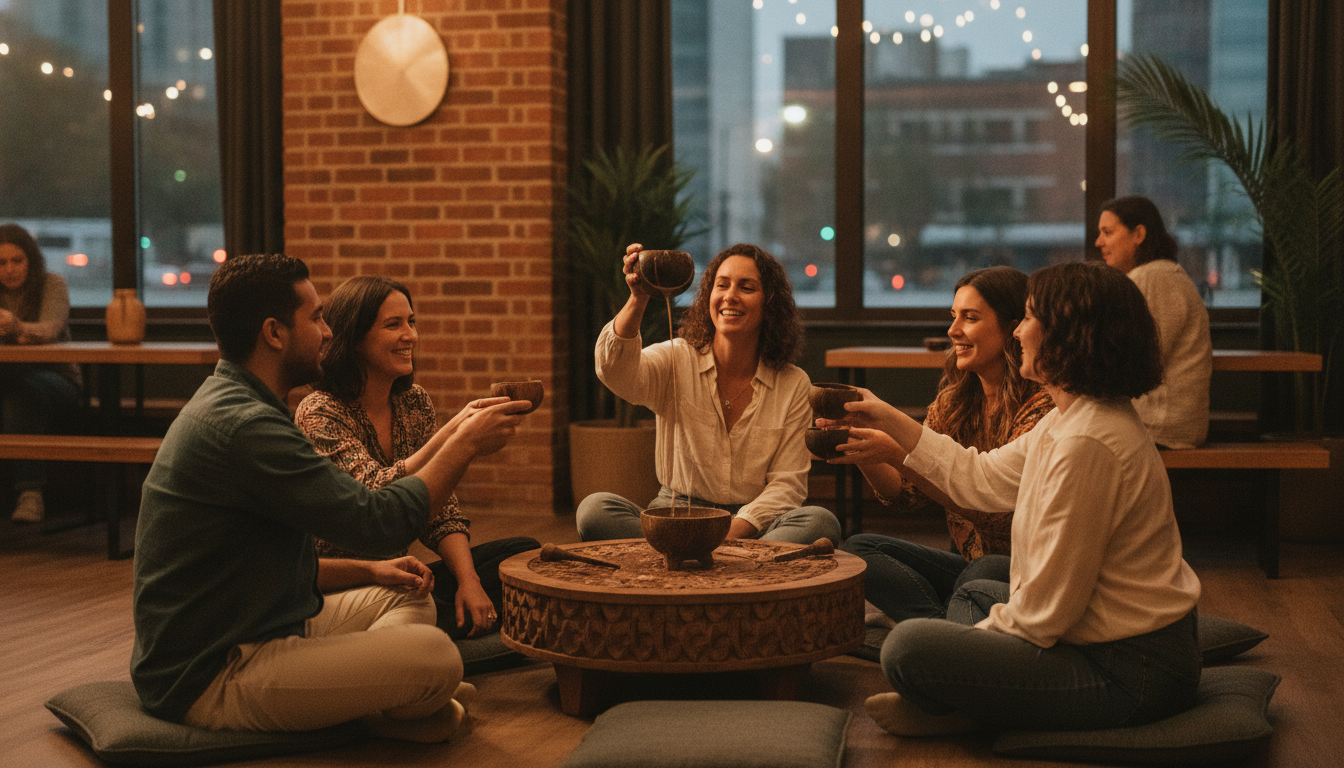
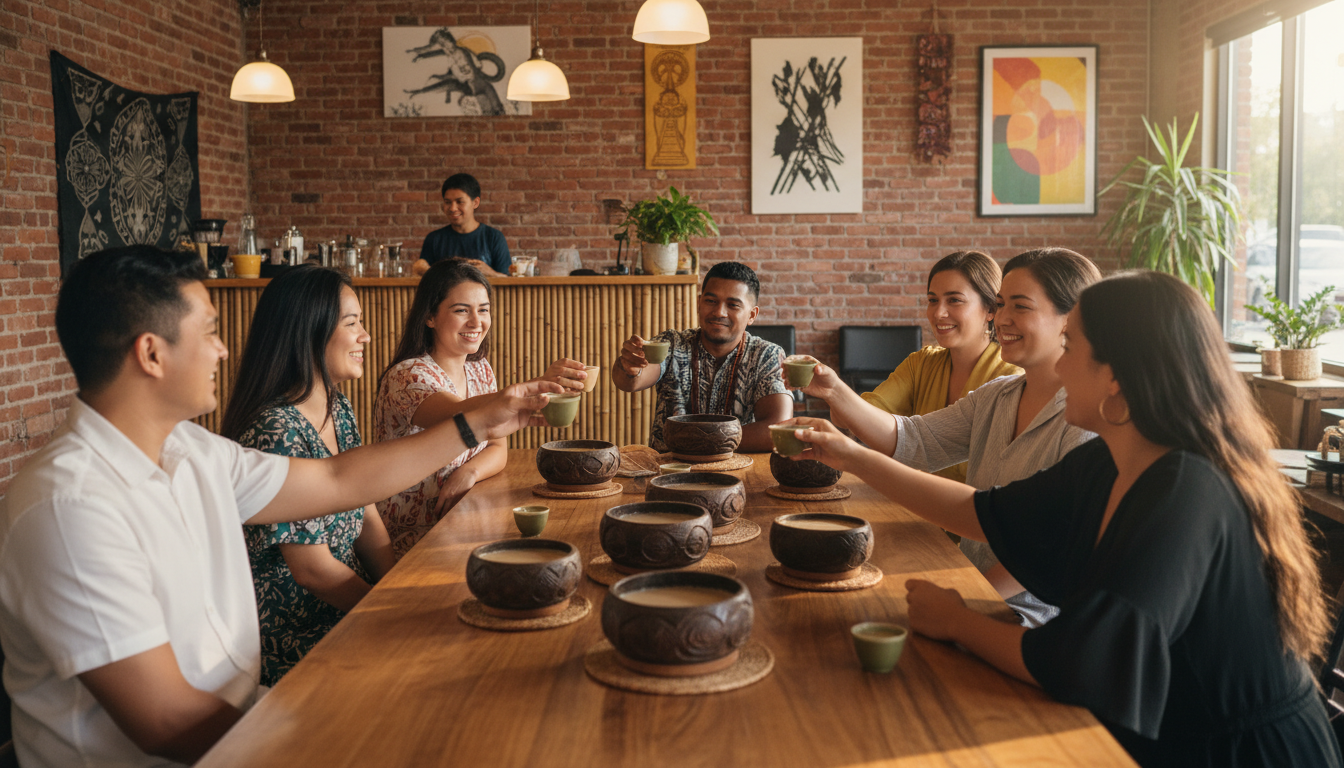
- Communal Sharing: Modern kava bars often serve kava from a central bowl, inviting guests to toast or perform a simple ritual, such as clapping (‘bula’ or ‘malok’), before drinking.
- Respectful Serving: Staff may explain the origins of customs to newcomers, reinforcing the importance of respect and mindfulness at the bowl.
- Inclusivity: Unlike strict hierarchies in traditional settings, kava bars promote inclusivity, ensuring everyone is welcome to join the circle.
Etiquette Evolves: Blending Old and New
In many kava bars, etiquette is a blend of old and new. While the ceremonial order may be relaxed, the core values of humility, respect, and community are preserved. For instance, regulars may volunteer to serve new guests, echoing the Pacific tradition of hospitality. The bowl is still handled with care, and casual rituals - like a group toast or moment of gratitude - are common.
- Educating Patrons: Some kava bars host special events or workshops to teach the history and etiquette of kava bowls, deepening guests’ appreciation for the tradition.
- Adapting for Accessibility: Modern kava bars sometimes replace coconut shells or tanoa with glass or ceramic, making the ritual accessible while maintaining its communal aspect.
- Integrating Kratom: Bars that serve both kava and kratom may develop their own etiquette, often blending elements from kava traditions to promote community and respect.
Why Kava Bowl Etiquette Matters Today
At its heart, kava bowl etiquette is about nurturing connection. Whether in a Pacific village or an urban kava bar, the ritual of sharing kava is a powerful tool for dissolving barriers and fostering conversation. By honoring these customs, kava bars create a space where everyone feels valued, where regulars and newcomers alike can participate in a tradition that goes beyond the beverage. In a world where community can feel fragmented, the kava bowl remains a symbol of unity, humility, and shared experience.
Practical Tips for Kava Bowl Etiquette in Bars
- Show respect for the kava bowl - avoid placing it directly on the floor, and handle it carefully.
- Participate in communal rituals, such as clapping or group toasts, even if you’re new.
- Listen to staff or regulars when they explain traditions; curiosity and openness are always welcome.
- If you’re serving others, do so with humility and gratitude, echoing the Pacific spirit of hospitality.
- Encourage others to join the circle, fostering inclusivity and connection.
Conclusion: Preserving and Celebrating Kava Culture
As kava bars continue to grow in popularity, the subtle art of kava bowl etiquette remains a cornerstone of culture and community. By blending centuries-old traditions with modern inclusivity, kava enthusiasts are keeping the spirit of Pacific ceremony alive - one bowl at a time. Whether you’re a longtime devotee or a curious newcomer, honoring these customs ensures that the kava experience is not just a drink, but a shared journey.