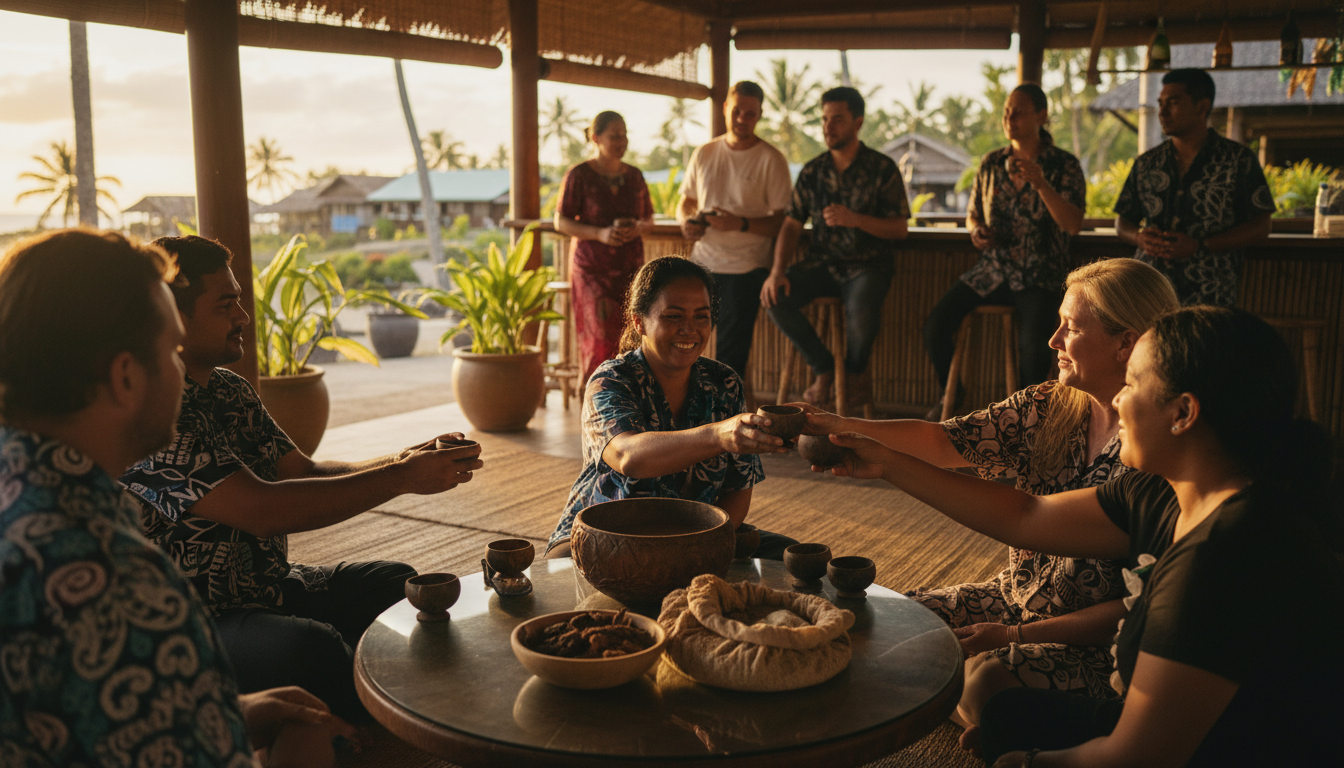
In the serene world of kava, where roots meet ritual, ceremonies stand as the beating heart of a culture that has flourished for centuries. Far from mere social gatherings, these events weave together tradition, community, and the soothing essence of kava itself. As we delve into the rituals that define kava culture, we'll explore how these practices not only honor ancient customs but also adapt to modern kava bars and communities, creating a vibrant tapestry within the kava and kratom industry.
The Roots of Kava Ceremonies: A Historical Overview
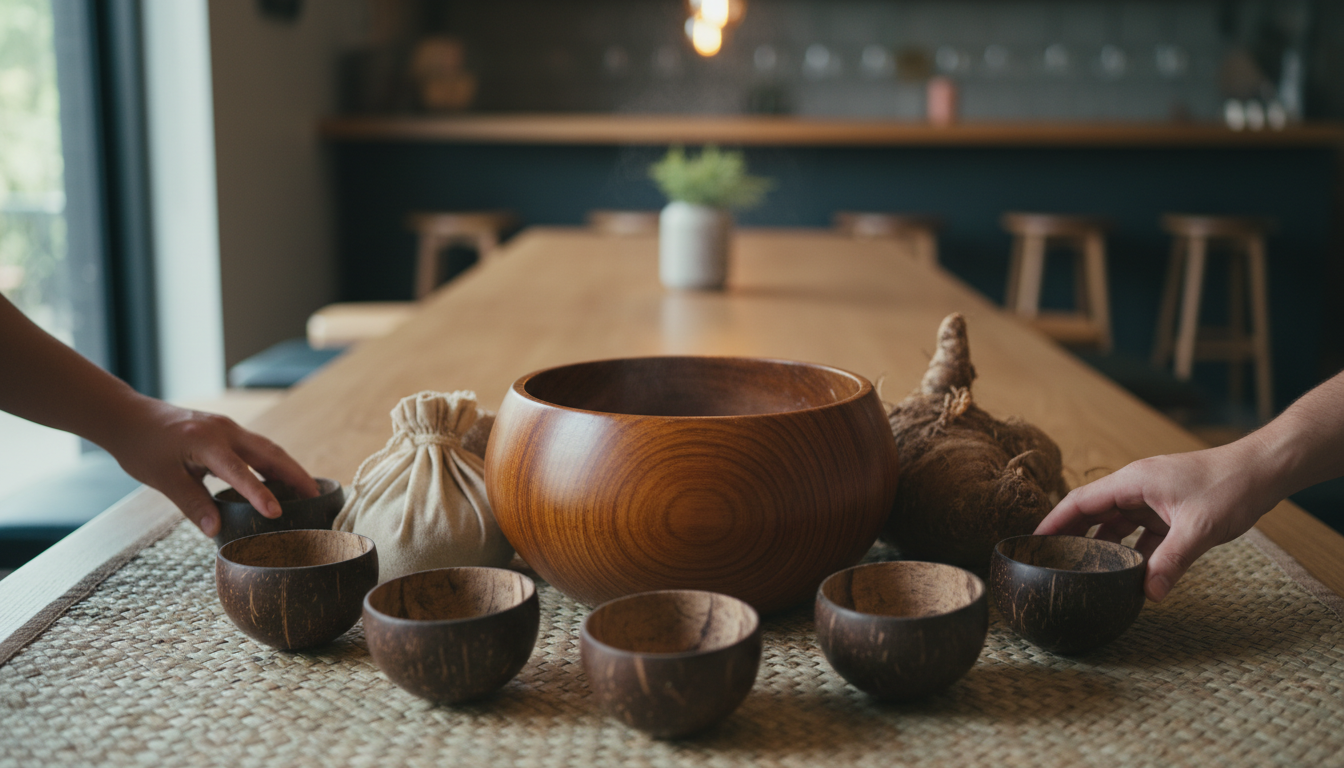
Kava, derived from the Piper methysticum plant native to the South Pacific islands, has long been central to ceremonial life. Traditionally, in places like Fiji, Vanuatu, and Tonga, kava ceremonies were reserved for chiefs, elders, and important occasions, symbolizing respect, unity, and spiritual connection. The process begins with the careful preparation of the kava root, which is pounded into a fine powder and mixed with water to create a earthy, calming beverage. This ritualistic preparation isn't just about making a drink; it's a meditative act that fosters mindfulness and community bonding.
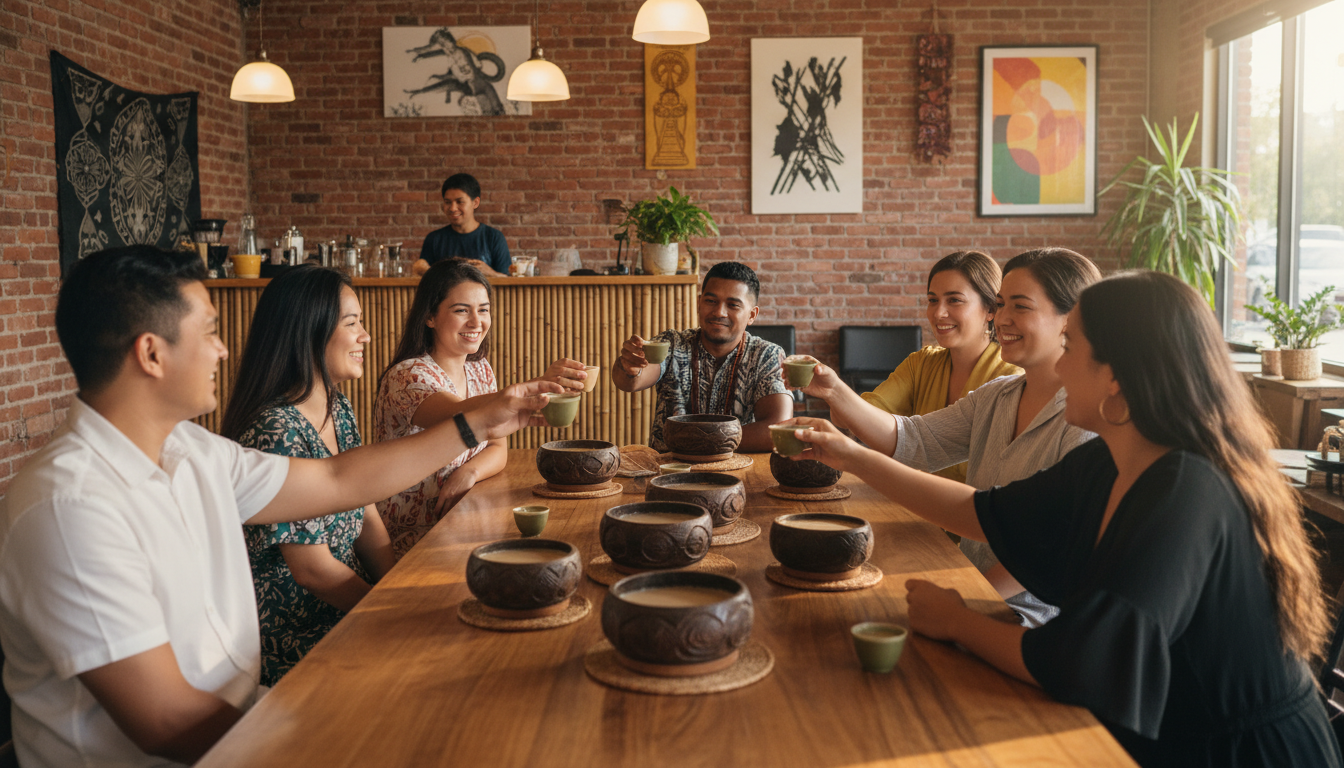
In these historical contexts, the kava ceremony, often called a "kava bowl" or "kava circle," involves participants sitting in a circle, sharing the brew in a specific order that reflects social hierarchy. The act of drinking kava is accompanied by chants, stories, and discussions, reinforcing cultural values and resolving community disputes. This tradition highlights kava's role as more than a relaxant - it's a cultural cornerstone that promotes harmony and collective well-being within the kava industry.
Modern Adaptations: Kava Ceremonies in Contemporary Communities
As the kava and kratom industry expands globally, traditional ceremonies have evolved, blending with modern lifestyles while preserving their essence. Today, kava communities in the United States, Europe, and beyond host events that mirror ancient practices but incorporate contemporary elements. For instance, kava bars - specialized venues dedicated to serving kava and sometimes kratom-based drinks - have become hubs for these adapted ceremonies, attracting enthusiasts who seek relaxation and social interaction.
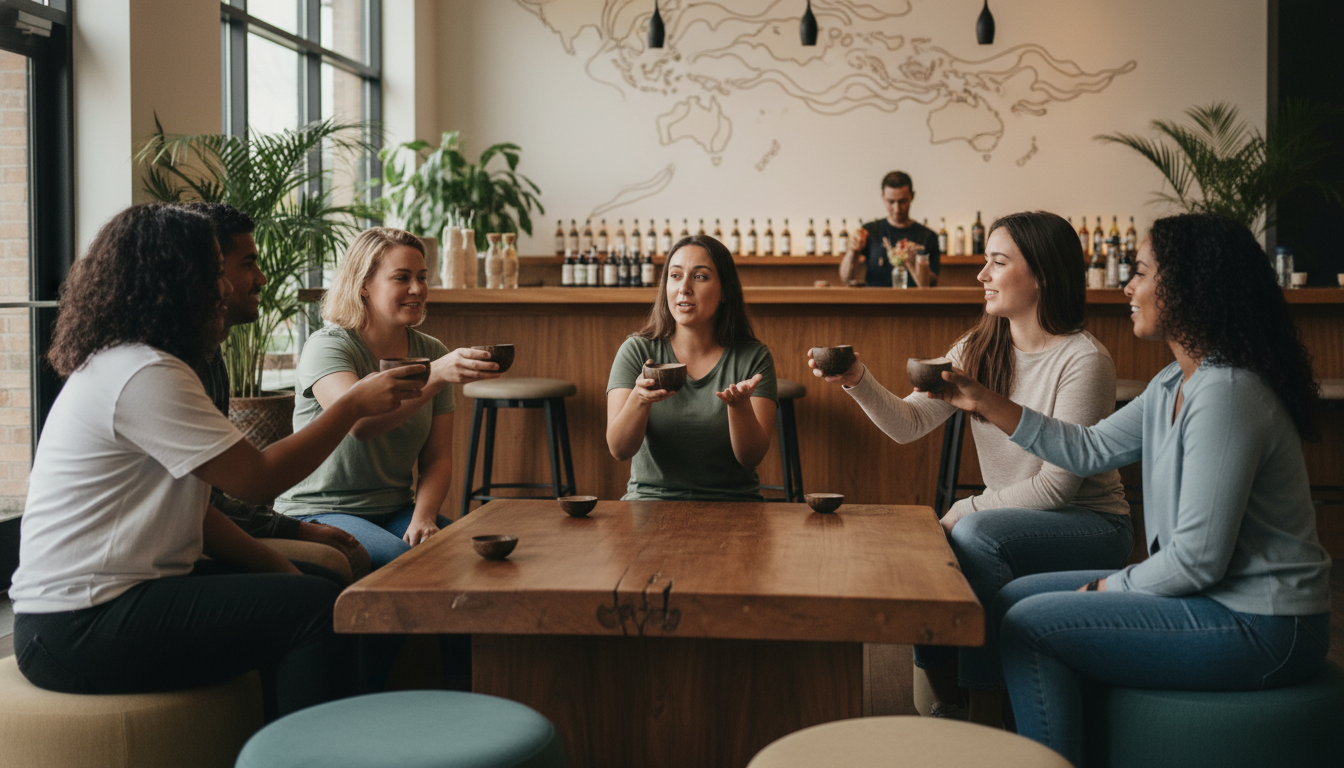
In a typical modern kava ceremony at a bar, participants gather around a communal bowl, much like in traditional settings, but the atmosphere might include ambient music, educational talks on kava strains, or even pairings with light snacks. These gatherings emphasize inclusivity, welcoming newcomers to learn about the cultural significance of kava. Community members often share personal stories of how kava has aided in stress relief or enhanced their social experiences, strengthening bonds and fostering a sense of belonging in the kava culture.
Moreover, online kava communities have surged in popularity, with forums and virtual events allowing enthusiasts to participate in ceremonies remotely. These digital adaptations maintain the core elements - preparation discussions, shared drinking protocols, and reflective conversations - while making kava culture accessible to those without local bars or groups. This evolution underscores the resilience of kava traditions in the face of globalization within the kava and kratom industry.
The Role of Kava Bars in Building Community
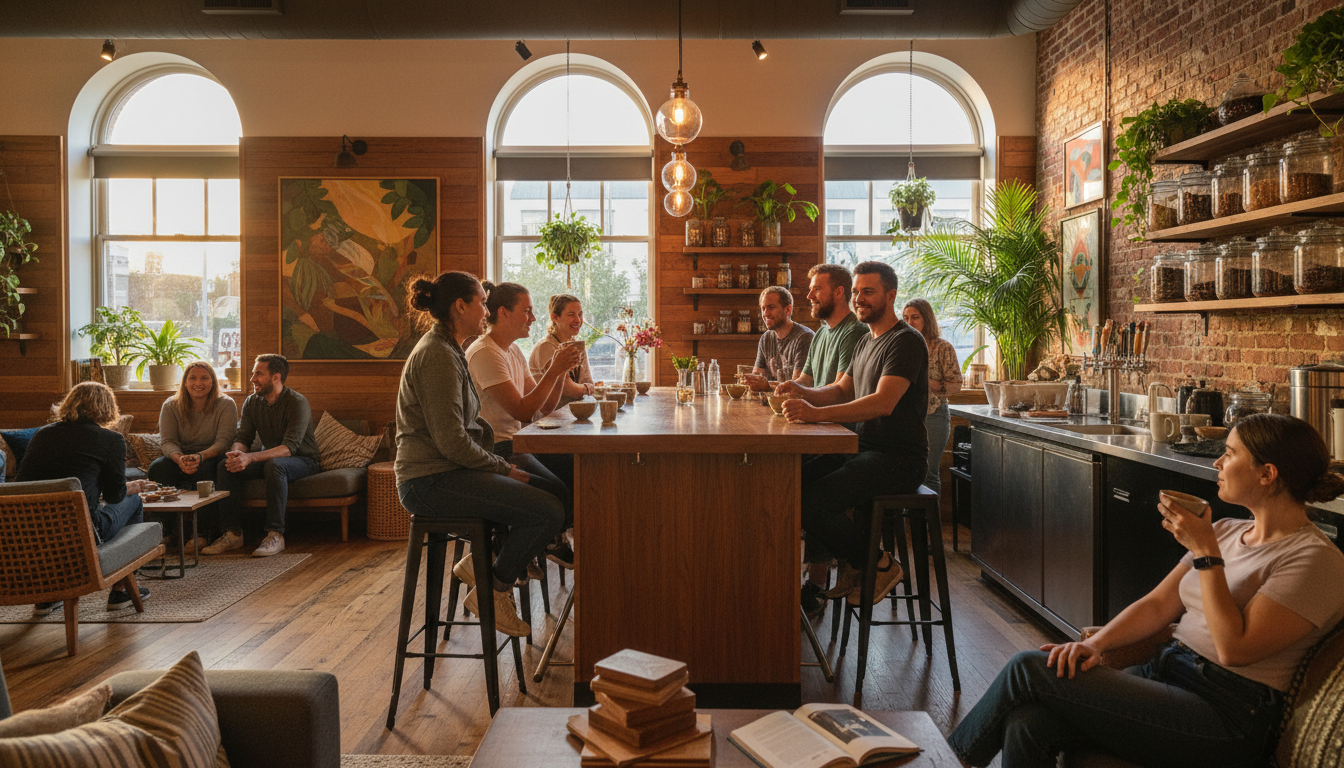
Kava bars represent a dynamic intersection of tradition and innovation in the kava/kratom industry. These establishments, often designed with a relaxed, island-inspired aesthetic, serve as modern-day equivalents of ancient gathering spots. Here, ceremonies are not only preserved but also innovated, with bar owners hosting themed events that educate patrons on different kava varieties, such as the noble strains known for their balanced effects.
- Community Building: Regular ceremonies at kava bars encourage repeat visits, turning customers into community members. Events might include group preparations where participants learn to grind and strain kava, mirroring traditional methods.
- Cultural Education: Many bars offer workshops on the history and etiquette of kava ceremonies, helping to dispel myths and promote respectful consumption.
- Social Integration: In an era of digital isolation, kava bars provide a physical space for face-to-face interactions, where people connect over shared interests in kava and kratom culture.
- Innovation and Fusion: Some bars experiment by incorporating kratom into ceremonies, creating hybrid experiences that appeal to a broader audience while respecting the origins of both plants.
Through these initiatives, kava bars play a pivotal role in sustaining and evolving kava culture, ensuring that ceremonies remain relevant and engaging for new generations.
Kratom's Influence on Kava Communities
While kava takes center stage in traditional ceremonies, kratom - sourced from the Mitragyna speciosa tree in Southeast Asia - has found its way into modern kava communities, adding layers of diversity to the cultural landscape. Kratom's energizing and relaxing properties complement kava's calming effects, leading to innovative ceremony formats where both are featured. For example, a ceremony might begin with kratom for an uplifting start and transition to kava for winding down, symbolizing a holistic approach to wellness within the industry.
This integration fosters discussions on responsible use, strain selection, and the ethical sourcing of both kava and kratom, strengthening community ties. Enthusiasts often share knowledge about how these plants enhance ceremonial experiences, from kratom's role in focus-driven activities to kava's promotion of tranquil dialogues. As a result, kava and kratom communities are becoming more interconnected, enriching the overall culture with diverse perspectives and practices.
The Future of Kava Culture: Preserving Traditions Amid Growth
As the kava and kratom industry continues to grow, with increasing demand for sustainable and high-quality products, kava ceremonies remain a vital force in preserving cultural heritage. These rituals not only celebrate the plant's origins but also adapt to contemporary needs, ensuring that kava culture thrives in an ever-changing world. By participating in ceremonies, whether in person at a kava bar or virtually with online communities, individuals contribute to a legacy that values connection, respect, and mindfulness.
In essence, kava ceremonies are more than a tradition - they are a living, breathing aspect of community life. As we look ahead, the fusion of ancient rituals with modern innovations promises to keep kava culture vibrant, inviting more people to experience the profound bonds it creates within the kava and kratom industry.