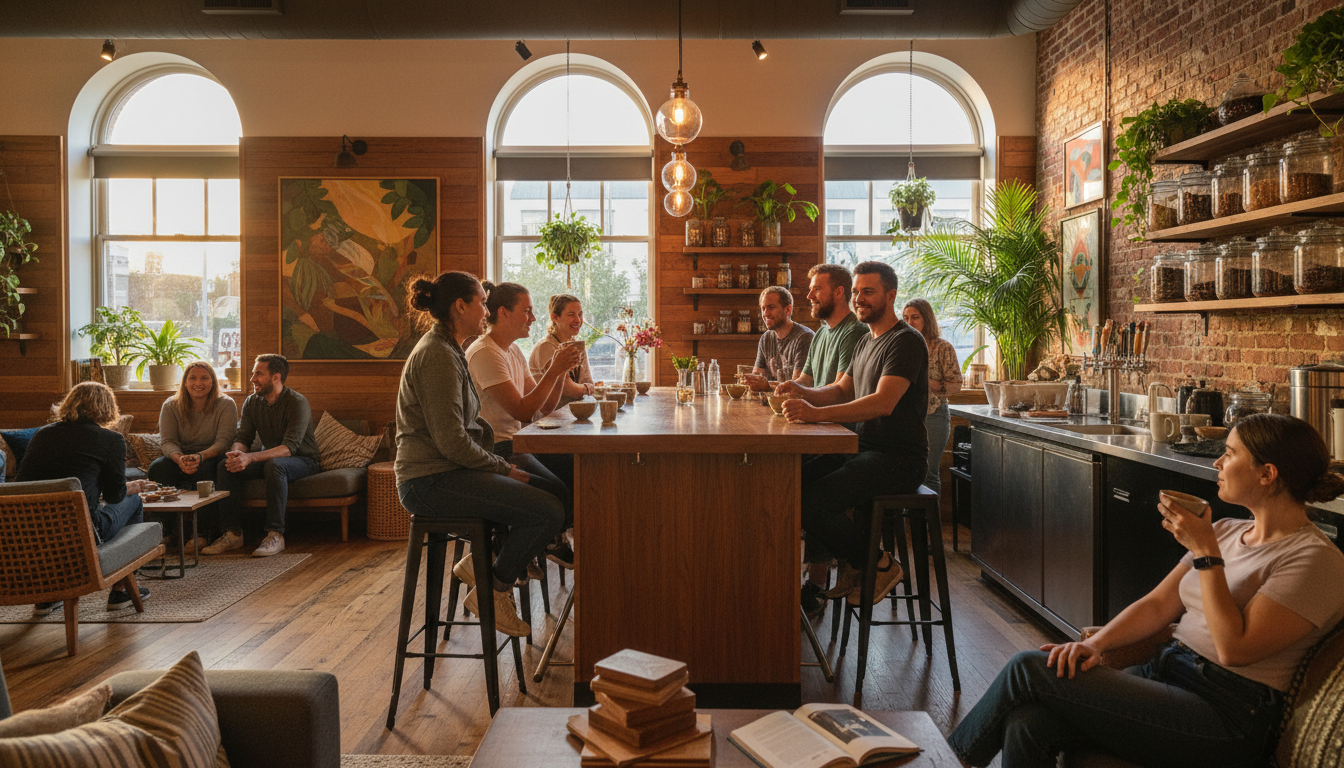
In the heart of bustling cities, an unexpected movement is quietly transforming how people gather, connect, and find respite from modern life's relentless pace. Kava bars - once a rare novelty outside the Pacific Islands - are emerging as sanctuaries for genuine community, offering more than just a calming cup. As these spaces multiply across urban landscapes, their influence on kava culture and community-building is profound, reviving traditions while adapting to new social rhythms.
The Urban Need for Connection
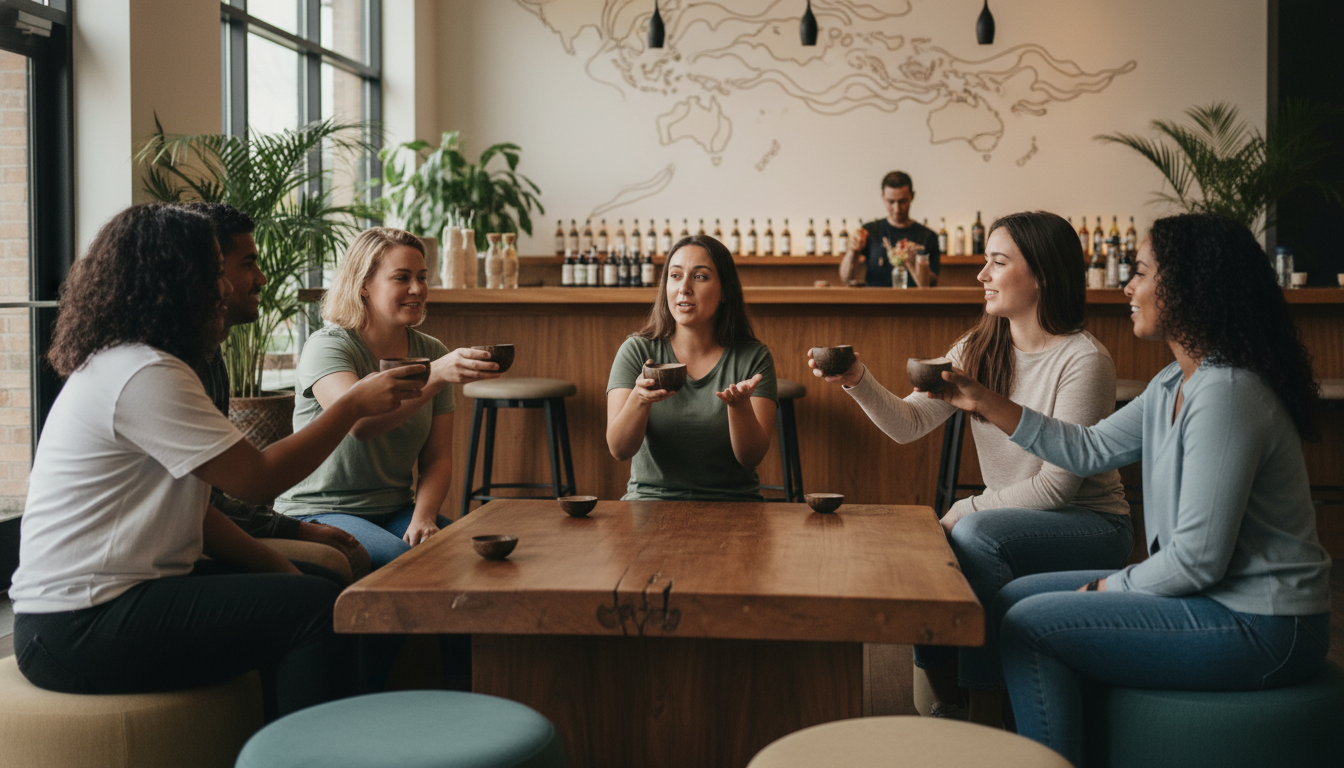
Urbanization and digital connectivity have paradoxically led to increased isolation. In cities defined by transient populations and fleeting interactions, third places - neutral zones separate from work and home - are increasingly valuable. Kava bars fill this niche, blending the Pacific ethos of communal gathering with the sensibilities of modern city life. Unlike traditional bars, kava establishments focus on fostering mindful presence, inclusivity, and relaxation without the pressure of alcohol-fueled socializing.
Pacific Traditions Meet Modern Realities
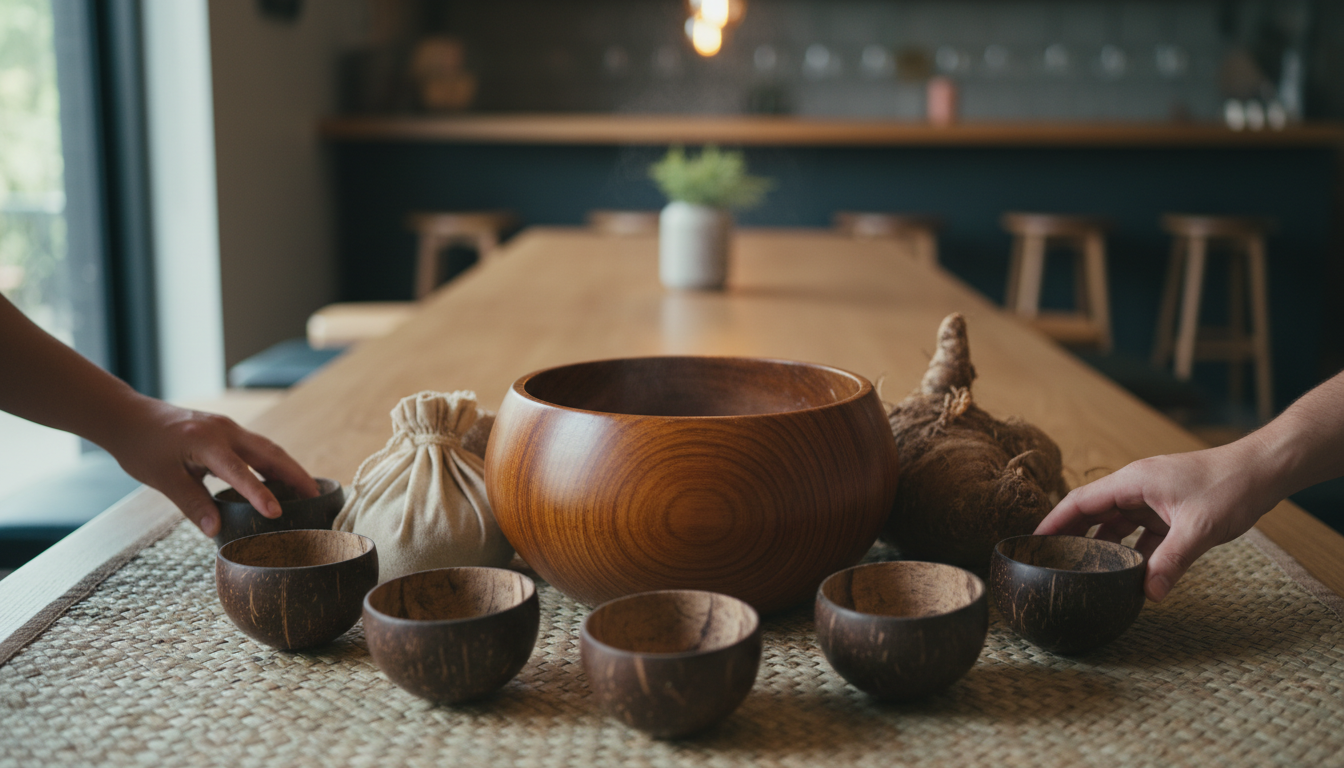
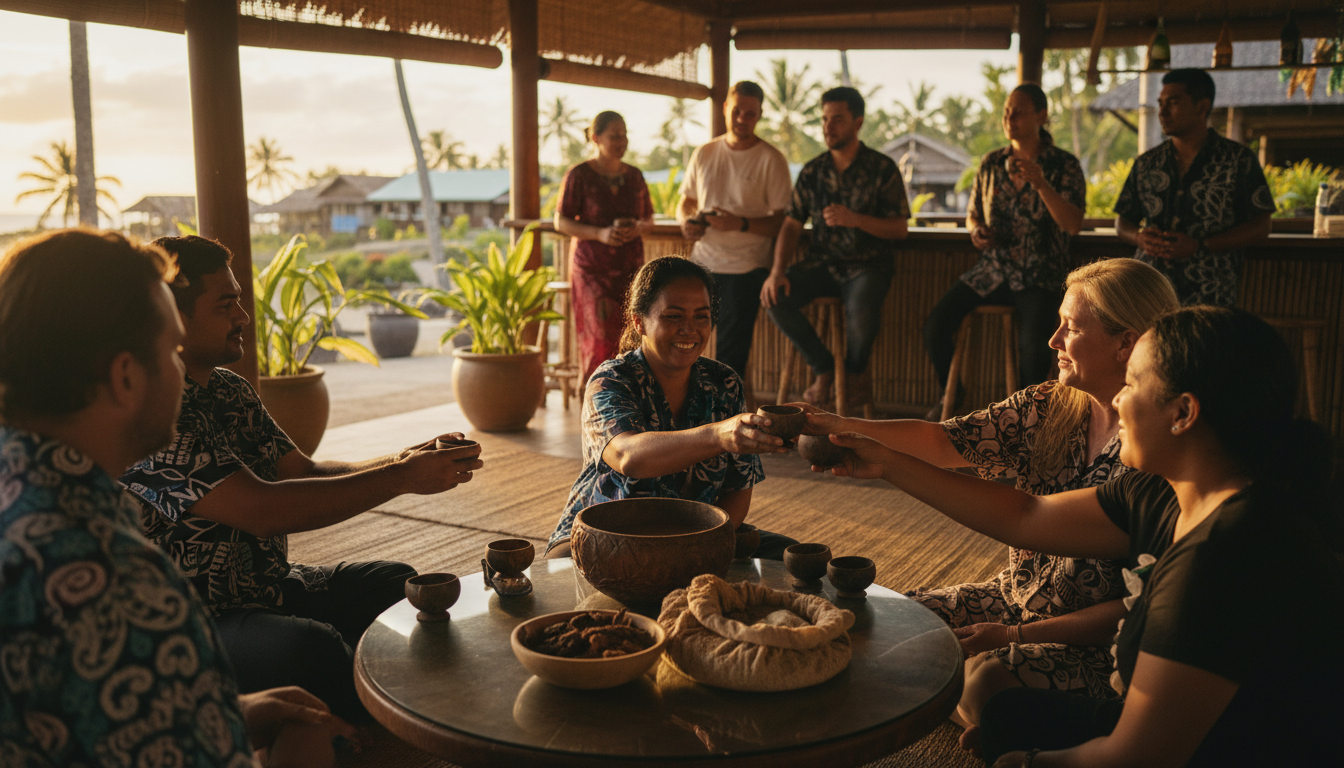
Kava has been at the heart of Pacific Island communities for centuries, used to mark significant events, resolve disputes, and welcome guests. The communal preparation and sharing of kava root, served from a common bowl, symbolize unity and mutual respect. Urban kava bars pay homage to these traditions, often adapting ceremonial elements for city dwellers unfamiliar with the drink's cultural origins.
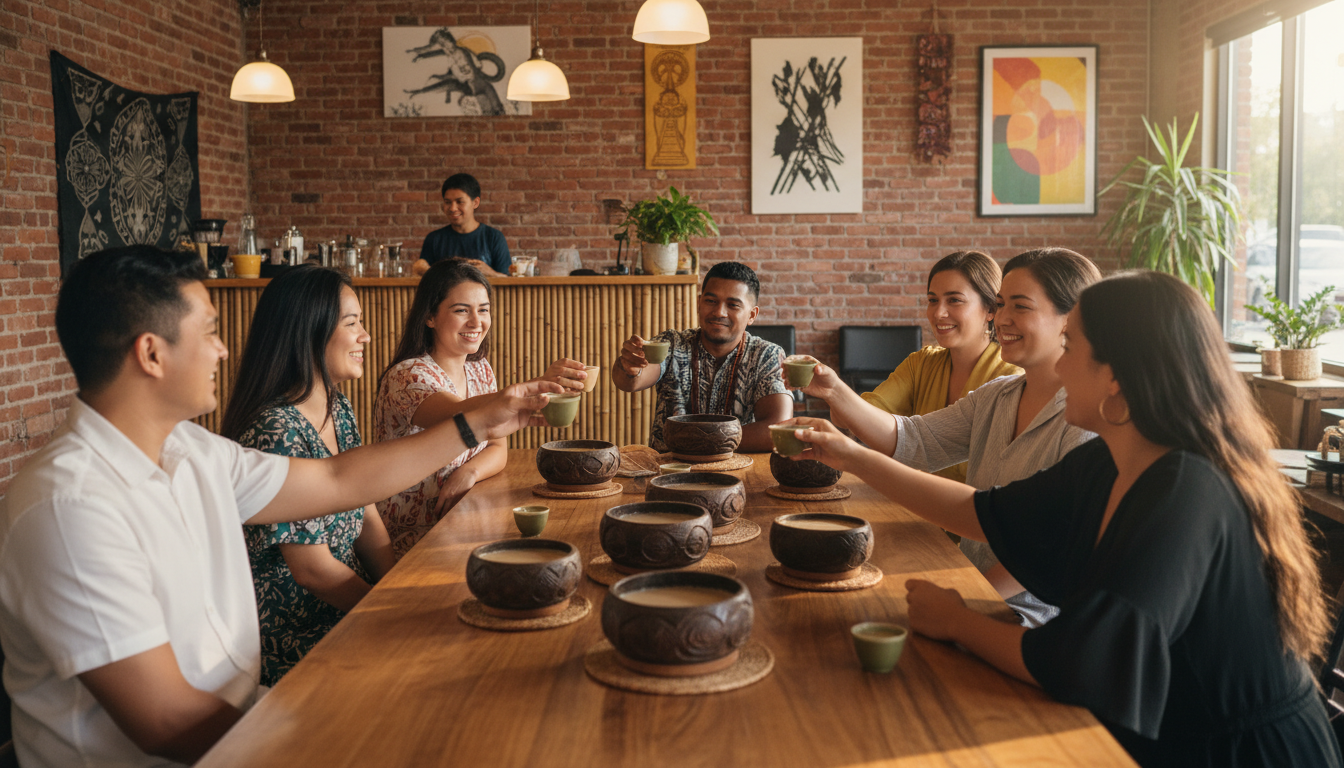
- Community Bowls: Some bars feature communal kava bowls for group ceremonies, encouraging conversations between strangers and friends alike.
- Kava Toasts: Rituals such as the "bula" toast (from Fiji) invite patrons to acknowledge each other and the shared experience before their first sip.
- Storytelling Events: Many bars host open mics or cultural nights, echoing the oral storytelling traditions of kava circles in the Pacific Islands.
Inclusivity: A Safe Haven for All
One of the most striking aspects of the urban kava bar movement is its commitment to inclusivity. Kava bars have become gathering spots for people who may not feel at home in traditional nightlife venues - those seeking alcohol alternatives, people in recovery, creatives, wellness enthusiasts, and marginalized communities. The absence of alcohol and the calming properties of kava foster an environment where diverse groups can interact comfortably, free from the social barriers often present in city nightlife.
Additionally, many kava bars offer kratom, another botanical with a complex history, catering to a wider audience interested in plant-based alternatives. This openness further broadens their community footprint and appeal.
Redefining Social Rituals and Wellness
Urban kava bars are not just places to drink; they are catalysts for new urban social rituals. Regular events like guided meditation nights, yoga classes, live music, and collaborative art sessions underscore the role of these spaces in mental wellness and creative expression. This is a new kind of community-building - one that acknowledges the need for both deep connection and personal well-being.
- Community Boards: Patrons can post about local events, job opportunities, or support groups, enhancing the bar's role as a community hub.
- Tea and Kava Blends: Some bars experiment with unique kava infusions, blending Pacific tradition with modern flavors to appeal to varied palates.
- Cross-Cultural Dialogues: Kava bar owners frequently host discussions about indigenous rights, environmental stewardship, and the ethical sourcing of both kava and kratom, deepening patrons' connection to the cultures and landscapes that nurture these plants.
Challenges and Opportunities for the Kava/Kratom Industry
As kava and kratom enter the mainstream through urban bars, the industry faces both challenges and opportunities. Questions of cultural appropriation, sustainable sourcing, and legal regulation are front and center. The most successful kava bars actively collaborate with Pacific Island growers and communities, ensuring respect, fair trade, and authentic representation of kava’s heritage.
This emerging partnership model is reshaping industry standards - urban demand is driving better education about noble kava strains, the importance of ethical kratom sourcing, and more robust community engagement. Kava bars are not just businesses; they are ambassadors of a living tradition, adapting ancient values for today's complex, interconnected cities.
The Future: From Niche to Urban Institution
Looking ahead, kava bars are poised to become essential urban third places - a new kind of local institution where tradition and innovation meet. As they do, they will continue to redefine what it means to belong, to unwind, and to engage with community in the heart of the city. Whether you are a seasoned kava drinker or a curious newcomer, stepping into a kava bar is an invitation to slow down, share stories, and rediscover the human connections that make city life vibrant and meaningful.