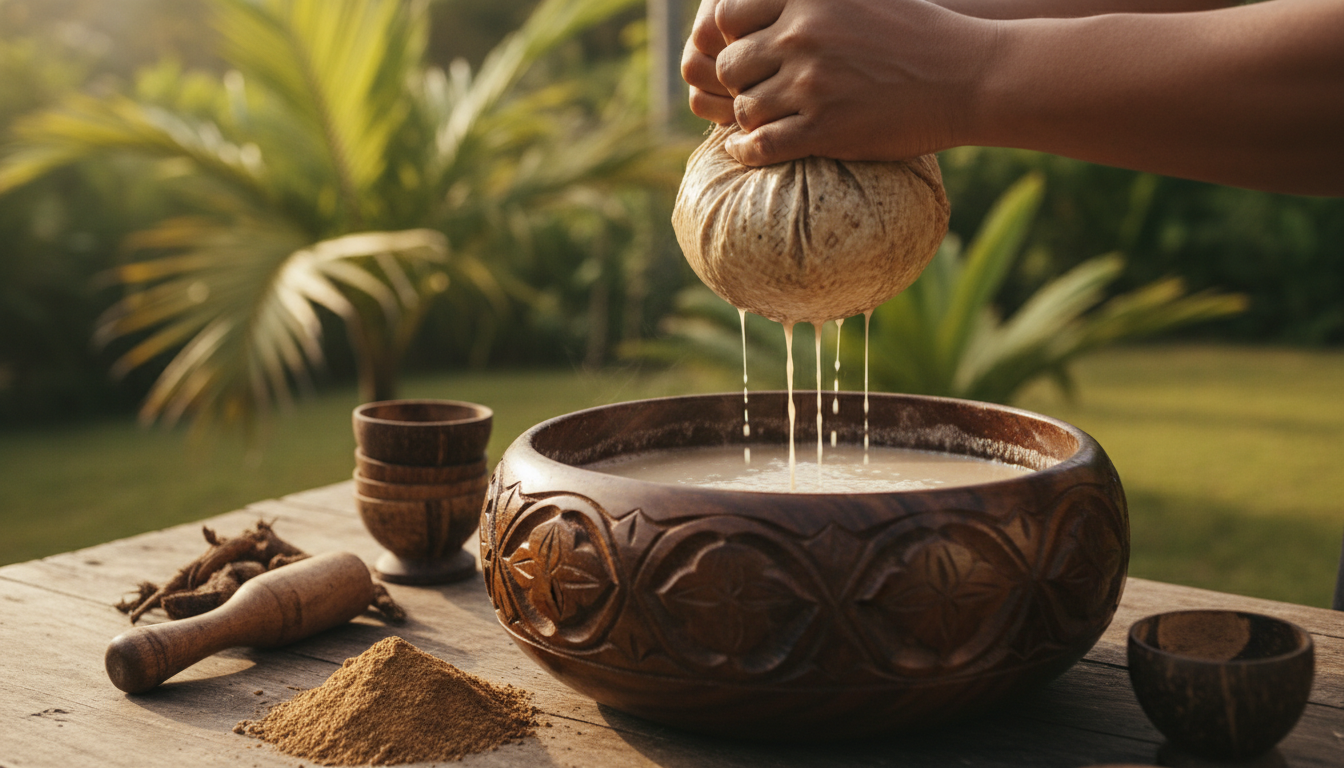
Kava, a revered root from the South Pacific, has been a staple in traditional ceremonies and modern relaxation routines for centuries. In the bustling kava and kratom industry, proper preparation is key to unlocking its full potential. Whether you're a novice enthusiast or a seasoned kava bar regular, understanding how to prepare kava can elevate your experience from ordinary to extraordinary. This guide dives deep into kava preparation methods, shares delicious recipes, and offers insights into best practices within the kava community.
The Essentials of Kava Preparation
Before we delve into recipes and techniques, it's crucial to grasp the basics. Kava, derived from the Piper methysticum plant, is prepared by extracting its active compounds, known as kavalactones, from the root. The quality of your kava and the method you use can significantly impact the flavor and effects. In kava bars across the globe, bartenders swear by precise preparation to ensure a smooth, earthy brew that keeps customers coming back.
The kava/kratom industry emphasizes using high-quality, noble kava strains to avoid any adverse effects. When sourcing your kava, opt for products from reputable suppliers who prioritize sustainability and traditional harvesting methods. Preparation typically involves grinding the root and mixing it with water, but variations abound based on cultural traditions and personal preferences.
Traditional Kava Preparation Methods
Rooted in Pacific Island cultures, traditional kava preparation is a ritual that fosters community and relaxation. In many kava bars, you'll find echoes of these ancient practices, where the process is as important as the final product.
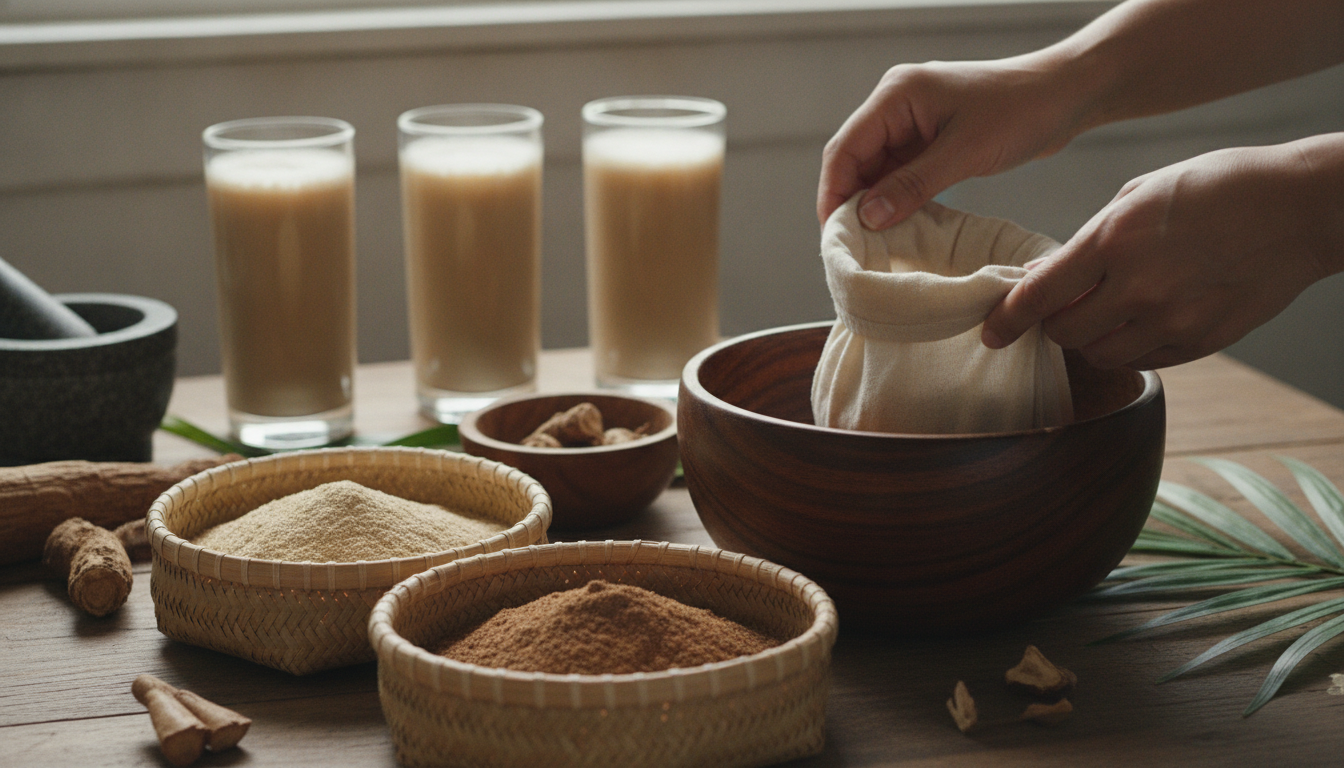
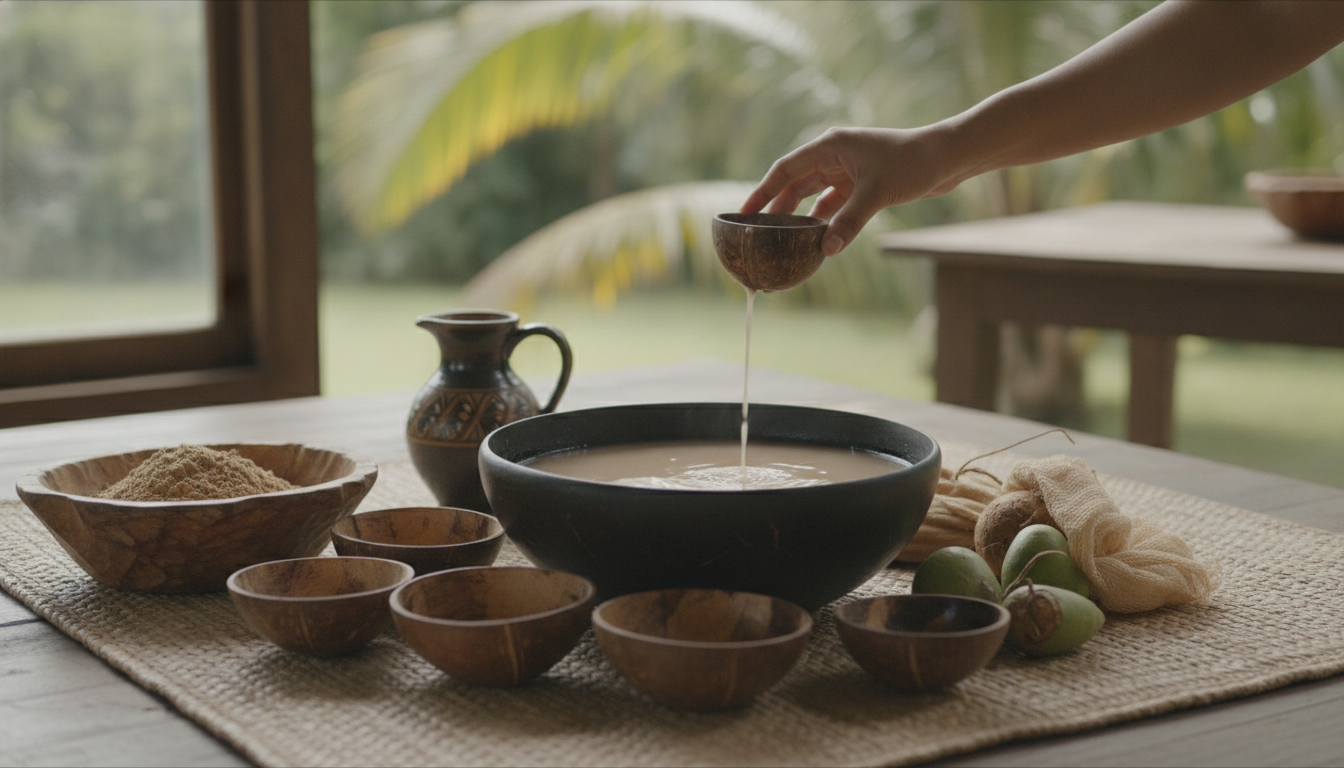
- The Traditional Kneading Method: This age-old technique involves soaking the kava root in water and kneading it by hand. Start by grinding the dried kava root into a fine powder using a mortar and pestle. Add about 4-8 tablespoons of powder to a large bowl of warm water (around 100-120°F). Knead the mixture for 10-15 minutes, allowing the kavalactones to infuse into the water. Strain the liquid through a fine mesh strainer or cheesecloth into a serving bowl. This method is favored in kava bars for its authentic flavor and is often served in a communal shell.
- The Maceration Technique: For those who prefer a less hands-on approach, maceration is ideal. Place the kava powder in a container and cover it with warm water. Let it sit for 20-30 minutes, stirring occasionally. This allows the roots to steep and release their essence. In the kava industry, this method is popular for its simplicity and is commonly used in home settings or smaller kava bars.
These traditional methods highlight the cultural significance of kava, where preparation is not just about the drink but about the shared experience. Many kava bars incorporate these rituals to educate patrons about the heritage of kava.
Modern Innovations in Kava Preparation
As the kava/kratom industry evolves, so do the preparation techniques. Modern tools and recipes make it easier for enthusiasts to enjoy kava at home, blending tradition with convenience. Electric blenders and specialized strainers have become staples in many kava bars, allowing for consistent results every time.
- Blender Method for Efficiency: If you're short on time, the blender method is a game-changer. Combine kava powder with warm water in a blender and blend on high for 2-4 minutes. This agitates the mixture, extracting more kavalactones quickly. Strain the blend through a nut milk bag or fine sieve to remove the sediment. This technique is increasingly common in urban kava bars, where speed meets quality.
- Infused Kava Recipes: Elevate your kava experience with creative infusions. For a citrus twist, add fresh lemon or lime juice to your prepared kava. This not only enhances the flavor but also aids in absorption. In the kava industry, flavored kava drinks are a hit, drawing in new customers to kava bars.
Remember, the key to successful modern preparation is maintaining the right temperature - warm water enhances extraction without degrading the kavalactones. Many kava bars offer workshops on these methods, helping patrons replicate the experience at home.
Delicious Kava Recipes to Try at Home
Now that we've covered the basics, let's explore some easy-to-follow kava recipes. These are perfect for enjoying in the comfort of your home or experimenting with at a kava bar gathering. Each recipe serves 2-4 people and can be customized based on your kava strain preferences.
- Classic Kava Elixir: Ingredients: 4 tablespoons kava powder, 2 cups warm water, a pinch of honey. Preparation: Follow the traditional kneading method above. Once strained, stir in honey for a touch of sweetness. This simple recipe is a staple in kava bars and is known for its calming effects.
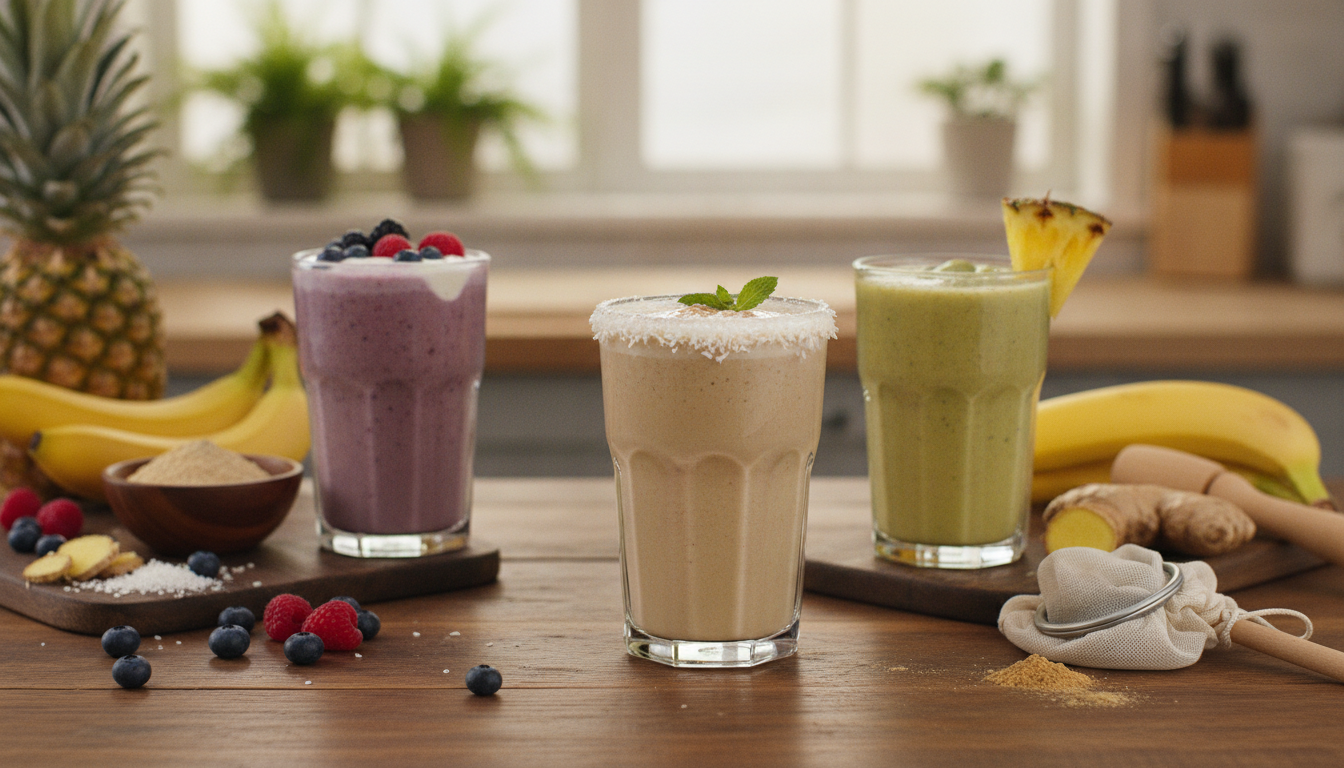
- Tropical Kava Smoothie: Ingredients: 3 tablespoons kava powder, 1 cup coconut water, 1 banana, 1/2 cup pineapple chunks. Preparation: Blend the kava powder with coconut water first, then add the fruits and blend until smooth. Strain if desired for a finer texture. This refreshing recipe brings a tropical vibe, reminiscent of island kava culture.
- Spiced Kava Latte: Ingredients: 5 tablespoons kava powder, 1.5 cups almond milk, 1 teaspoon cinnamon, a dash of nutmeg. Preparation: Prepare kava using the maceration method, then heat the almond milk and spices separately. Combine and stir well. This cozy recipe is popular in colder regions and can be found on menus at innovative kava bars.
These recipes not only showcase the versatility of kava but also tie into the broader kava/kratom industry, where creative preparations help expand its appeal. Always start with smaller servings to gauge your tolerance, as kava's effects can vary.
Tips for Optimal Kava Preparation
To ensure the best results, consider these expert tips from kava bar professionals. First, use fresh, high-quality kava root to avoid any bitterness. The kava/kratom industry recommends storing powder in a cool, dry place to preserve its potency. Additionally, experiment with water ratios - thicker mixtures might be more potent but less palatable.
Pairing kava with complementary elements, like a light snack, can enhance the experience without overwhelming the senses. In kava bars, staff often guide newcomers on portion sizes to promote safe enjoyment. Finally, always prioritize hydration and moderation, as proper preparation contributes to the overall health benefits of kava.
The Role of Preparation in the Kava Industry
In the dynamic kava/kratom industry, preparation methods play a pivotal role in quality control and customer satisfaction. Kava bars thrive by offering expertly prepared drinks that highlight the plant's natural properties. As demand grows, understanding preparation helps consumers make informed choices and even participate in community events centered around kava.
By mastering these techniques, you're not just making a drink - you're embracing a tradition that supports the kava industry and its cultural roots.