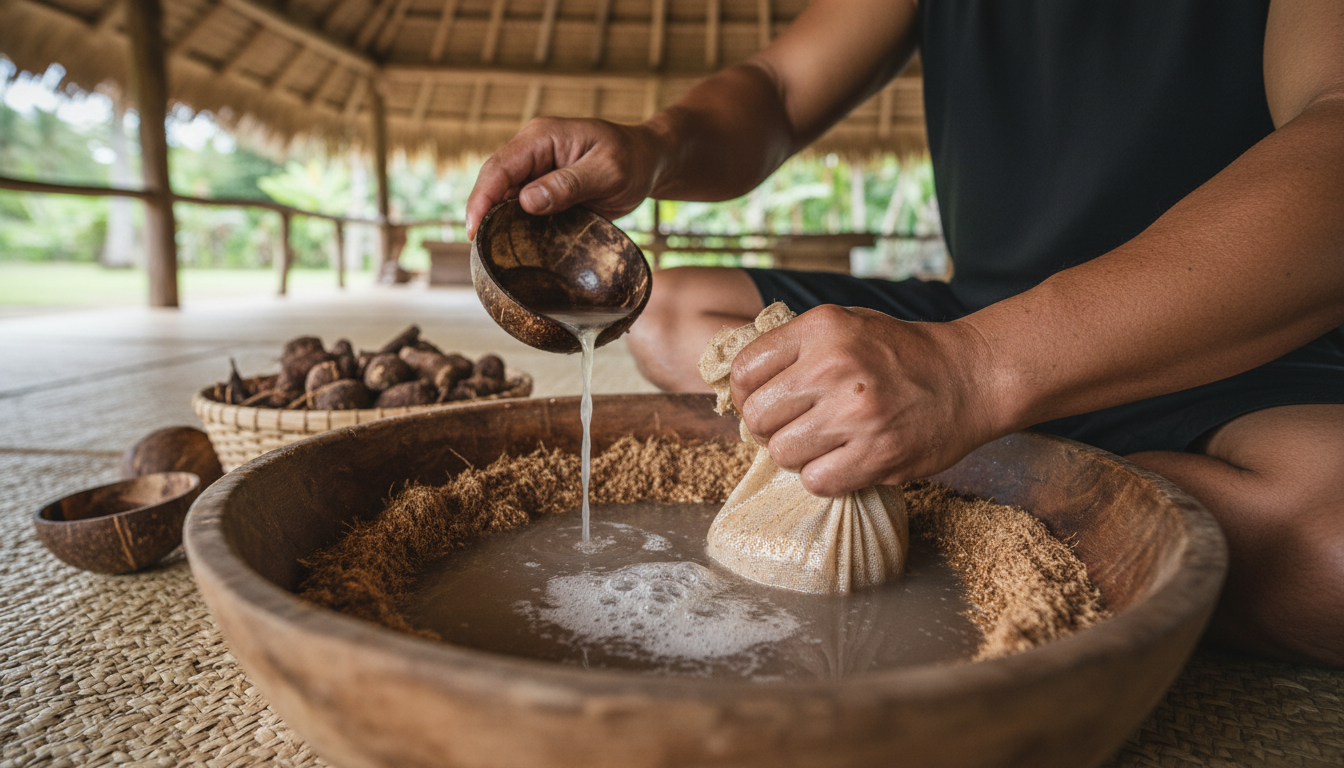
Kava - a revered beverage derived from the roots of the Piper methysticum plant - has long been celebrated for its calming effects and rich cultural history across the South Pacific. While modern kava bars often use blenders or shaker bottles for speed, purists and enthusiasts increasingly seek the nuanced, traditional art of hand-kneading kava root. This centuries-old technique not only preserves the authentic flavor profile but also maximizes the beverage’s potency. In this article, we’ll dive deep into hand-kneading kava, offering a step-by-step guide, tips for sourcing quality roots, and insights into why kava bars are embracing this ritual.
Why Hand-Kneading? Tradition Meets Potency
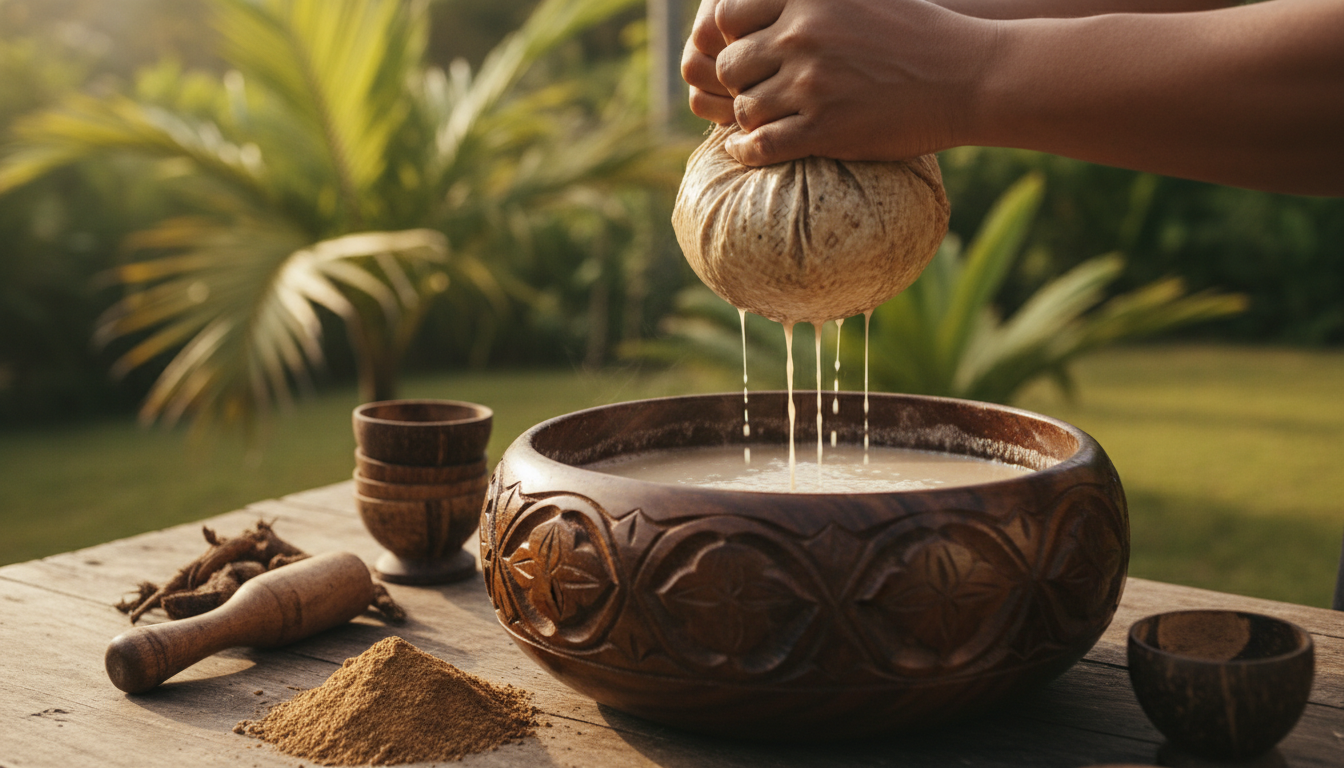
Hand-kneading is more than a method - it's a cultural ritual passed down from Pacific Islanders. By manually extracting kavalactones (the active compounds in kava), the process yields a fuller, more nuanced brew compared to mechanical methods. Kava bars that adopt hand-kneading often advertise "authentic Pacific style," appealing to those seeking a deeper connection to kava’s roots and a stronger, more flavorful drink.
What You Need for Traditional Kava Preparation
- Kava root powder: Preferably noble kava sourced from trusted suppliers.
- Muslin cloth or fine strainer: Essential for filtering the brew.
- Large bowl: Non-reactive, for mixing.
- Water: Cold or room temperature for optimal extraction.
- Clean hands: To knead and squeeze.
Step-By-Step: Mastering the Hand-Kneading Technique
- Measure Your Kava: Use 1 - 2 tablespoons of kava root powder per 8 ounces of water, depending on desired strength.
- Combine in the Cloth: Place the kava powder into your muslin cloth and tie securely.
- Add Water: Submerge the cloth in the bowl with water.
- Knead Vigorously: Using both hands, knead and squeeze the cloth for 10 - 15 minutes. Focus on pressing and massaging to break down fibers and release kavalactones.
- Monitor Consistency: The water should turn a muddy brown and feel slightly viscous. Taste for flavor and potency, adding more water if necessary.
- Strain and Serve: Remove the cloth, squeeze out any remaining liquid, and pour the kava into coconut shells or cups.
Tips for Authentic Flavor and Potency
- Use Noble Kava: Avoid tudei kava, which tends to be harsh and less desirable.
- Opt for Cold Water: Hot water can degrade kavalactones and alter flavor.
- Don’t Rush: Give yourself a full 10 - 15 minutes to knead; patience translates to potency.
- Experiment with Ratios: Adjust powder-to-water ratios to suit your palate and desired effects.
The Resurgence of Hand-Kneading in Kava Bars
Modern kava bars are increasingly showcasing hand-kneading as a point of pride, offering customers "traditional pours." Some establishments even host kava preparation workshops, inviting patrons to participate in the ritual. The communal aspect, combined with the enhanced experience, is fueling a return to roots.
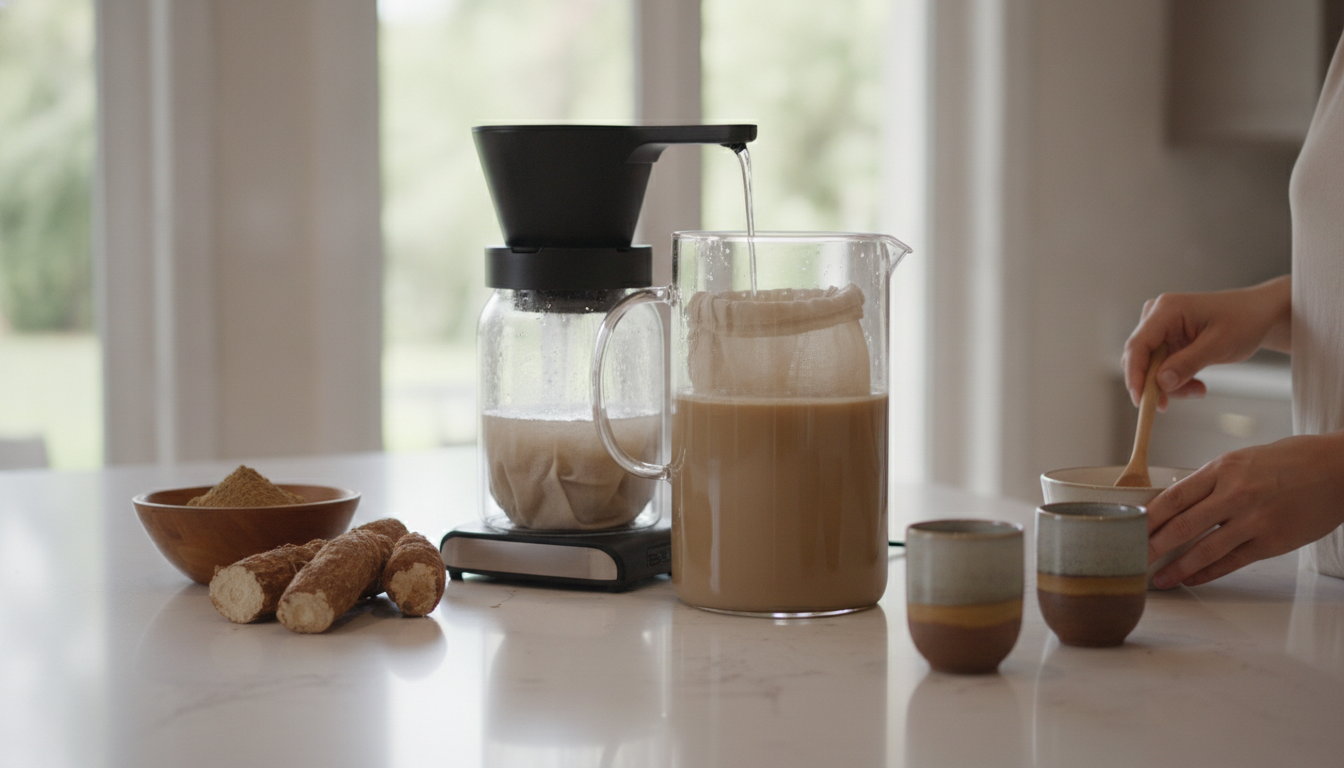
Hand-kneading is also seen as a sustainable option, reducing reliance on electricity and blenders. For kava bar owners, this technique is a way to differentiate their offerings, attract purists, and educate newcomers about kava’s cultural significance.
Handling Fresh vs. Powdered Kava Root
While powdered kava is most common in Western bars, some Pacific-rooted establishments source fresh root, which further amplifies the hand-kneading experience. Fresh root is chopped, wrapped in cloth, and kneaded in water, producing a creamier, earthier beverage. However, fresh kava is perishable and harder to source, making powder the staple for most bars and enthusiasts.
Beyond Kava: Kratom Preparation in Kava Bars
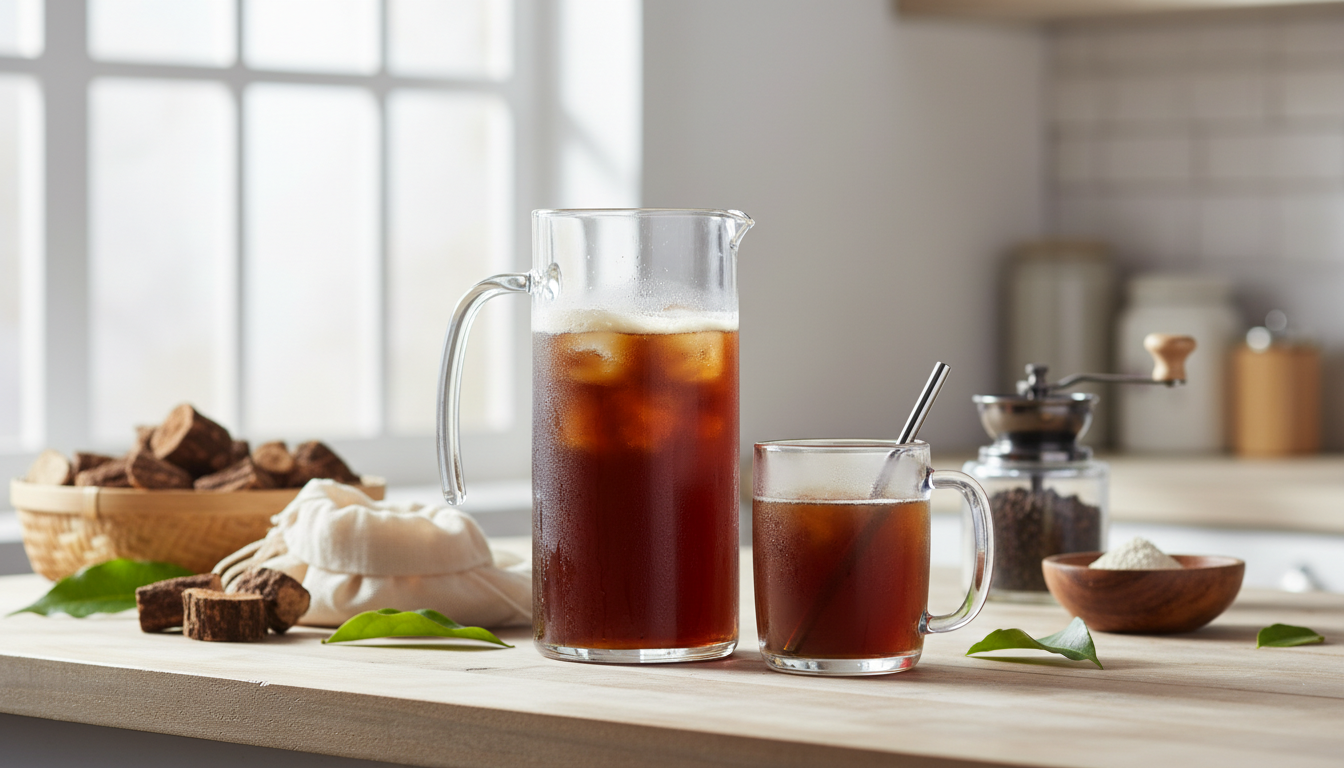
Though kratom is often prepared via tea or shaken drinks, some kava bars apply a similar hand-crafted ethos to kratom beverages. The focus on manual extraction and careful blending mirrors the traditional kava approach, underscoring the artistry and care behind both drinks.
Conclusion: Embracing the Ritual for Better Kava
Hand-kneading kava is more than a preparation method - it’s an invitation to slow down and savor tradition. As kava bars and enthusiasts rediscover this technique, its role in delivering potent, flavorful kava becomes ever more important. Whether you’re a veteran or new to kava, mastering hand-kneading will deepen your appreciation for the beverage and its roots. Next time you visit a kava bar, ask for a hand-kneaded pour and taste the difference.