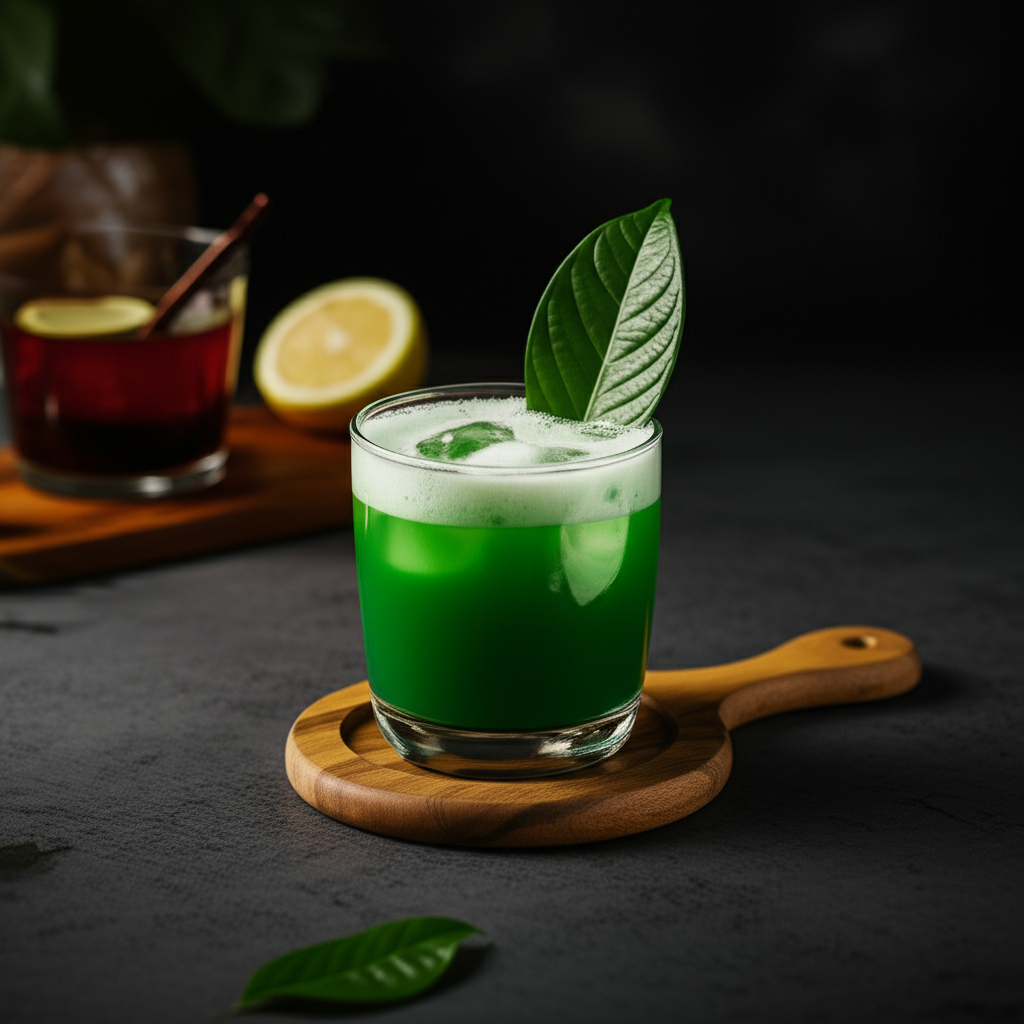
In the ever-evolving landscape of natural wellness, kava and kratom continue to capture the imagination of health enthusiasts and casual consumers alike. As we step into 2026, a wave of fresh developments is reshaping how these ancient botanicals are integrated into modern life, from vibrant community hubs to cutting-edge scientific research. This article dives into the latest trends, offering insights that could transform your approach to relaxation and well-being.
The Surge of New Kava Bar Openings Worldwide
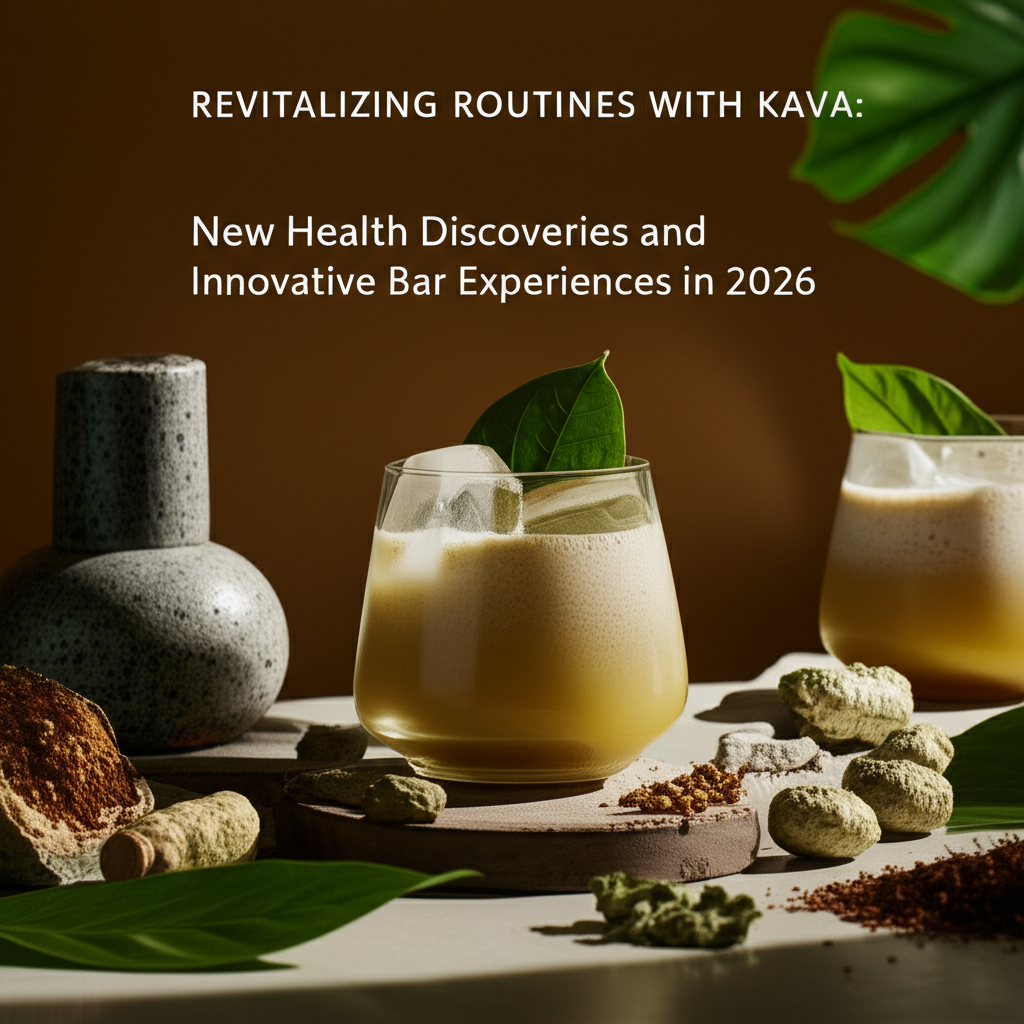
Kava bars are no longer confined to niche corners of the Pacific Islands; they're popping up in major cities across the globe, fostering spaces for social connection and stress relief. In early 2026, reports highlight the opening of several innovative kava bars in unexpected locations, such as Berlin, Germany, and Tokyo, Japan, where they blend traditional kava ceremonies with contemporary lounge vibes. These establishments are drawing crowds by offering not just beverages but immersive experiences, like guided relaxation sessions and live music events.
One standout example is the recent launch of "Kava Haven" in Berlin, which combines kava drinks with sustainable sourcing practices, appealing to eco-conscious patrons. This trend is supported by a growing demand for alcohol alternatives, with data from wellness surveys indicating a 25% increase in non-alcoholic social venues over the past year. As these bars expand, they're creating jobs and boosting local economies, all while promoting the cultural heritage of kava.
Emerging Studies on Kava's Health Benefits
Scientific interest in kava has surged, with several studies published in early 2026 shedding light on its potential benefits for mental and physical health. A notable study from the University of Hawaii, released in January, explored kava's role in reducing anxiety and improving sleep quality among urban professionals. Researchers found that regular consumption of high-quality kava extracts led to a significant decrease in cortisol levels, the body's primary stress hormone.
- Anxiety Relief: Participants in the study reported up to 40% reduction in anxiety symptoms after eight weeks of use, positioning kava as a natural alternative to pharmaceuticals.
- Cognitive Enhancement: Another aspect of the research highlighted kava's potential to boost focus and memory, particularly in high-stress environments like offices or remote work settings.
- Sleep Improvement: The study also noted enhanced sleep patterns, with users experiencing deeper REM cycles, which are crucial for overall health.
These findings are echoed in a collaborative effort between Australian and New Zealand researchers, who are examining kava's anti-inflammatory properties. This could open doors for its use in managing chronic conditions, further solidifying kava's place in mainstream wellness routines.
Innovations and Challenges in the Kratom Industry
Parallel to kava's rise, the kratom industry is undergoing significant transformations, with new regulations and product innovations shaping its future. In 2026, Southeast Asian countries, key producers of kratom, have introduced standardized farming practices to ensure quality and safety, addressing past concerns about contamination. This shift is helping kratom gain legitimacy as a herbal supplement for pain relief and energy enhancement.
Market reports from February 2026 indicate a 30% growth in kratom sales, driven by online platforms and specialty stores. New products, such as kratom-infused gummies and capsules, are making it easier for consumers to incorporate it into their daily routines. However, this growth isn't without challenges; regulatory bodies in Europe are debating stricter guidelines to prevent misuse, emphasizing the need for education and responsible consumption.
- Product Safety: Enhanced testing protocols are now mandatory, ensuring that kratom products are free from harmful additives.
- Consumer Education: Advocacy groups are ramping up efforts to provide accurate information, helping users understand dosages and potential side effects.
- Market Diversification: Companies are exploring hybrid blends, combining kratom with other herbs for tailored wellness benefits.
Despite these advancements, the industry must navigate ongoing debates about long-term effects, underscoring the importance of evidence-based approaches.
Practical Tips for Incorporating Kava and Kratom into Your Lifestyle
For those intrigued by kava and kratom, integrating them safely into your routine can enhance your well-being without overwhelming your daily life. Start with small doses, consulting a healthcare professional to ensure they're suitable for your health profile. Kava, for instance, pairs wonderfully with evening wind-down routines, while kratom might energize your mornings.
- Choose Quality Sources: Opt for products from reputable suppliers who prioritize organic and sustainable practices.
- Experiment with Recipes: Try blending kava into smoothies or teas for a relaxing twist, and use kratom in capsule form for precise dosing.
- Monitor Your Response: Keep a journal to track how these herbs affect your mood, energy, and sleep, allowing for adjustments as needed.
By approaching these botanicals mindfully, you can reap their benefits while minimizing risks, making them valuable additions to a balanced lifestyle.
The Future of Kava and Kratom in Wellness Trends
Looking ahead, the intersection of kava, kratom, and modern wellness is poised for exciting developments. Experts predict that by the end of 2026, we'll see more tech integrations, such as apps that track kava consumption and its effects on mental health. Additionally, global collaborations could lead to standardized regulations, fostering wider acceptance and innovation in the industry.
As sustainability becomes a priority, farmers are adopting eco-friendly methods, ensuring that the demand for these herbs doesn't harm the environment. This evolution not only benefits consumers but also supports the communities that have traditionally cultivated these plants, creating a more equitable global market.
Conclusion: Embracing Natural Wellness in 2026
As we navigate the complexities of modern life, kava and kratom offer promising paths to natural relaxation and vitality. With new bar openings, ongoing studies, and industry shifts, 2026 marks a pivotal year for these botanicals. By staying informed and using them responsibly, you can harness their potential to enhance your health and connect with like-minded communities.